

- Englist


Carburizing Hardening Process | Even Case, Wear Resistance

Inside the Carburizing Game: Practical Notes, Specs, and Why the Carbon Source Matters
If you’ve spent late nights arguing case depth versus retained austenite with a production manager (been there), you already know the carburizing hardening process rises or falls on consistency—of temperature, carbon potential, quench severity, and yes, the carbon source. That last factor is under‑talked about, to be honest. Here’s a field-level look with real numbers, trends, and a product that’s been making the rounds in heavy industry.
Process flow, in brief (with the realities)
Materials: AISI 8620/5120, 20MnCr5, 18CrNiMo7-6—low carbon alloy steels designed to be cored tough and surface hard. Methods: gas carburizing, vacuum (LPC) with acetylene/propane, pack carburizing (still used for specialty runs). Control: carbon potential 0.9–1.2% (gas), LPC dose control, diffuse at 920–980°C, quench in oil or high-pressure nitrogen (for LPC). Testing: microhardness traverse (ASTM E384), Rockwell C case hardness (ASTM E18), effective case depth per ISO 18203. Service life: with case depth ≈0.8–1.2 mm and HRC 58–62, gears often show 2–4× pitting life; real-world may vary with cleanliness and residual stress.
Why carbon source matters (yes, even for LPC shops)
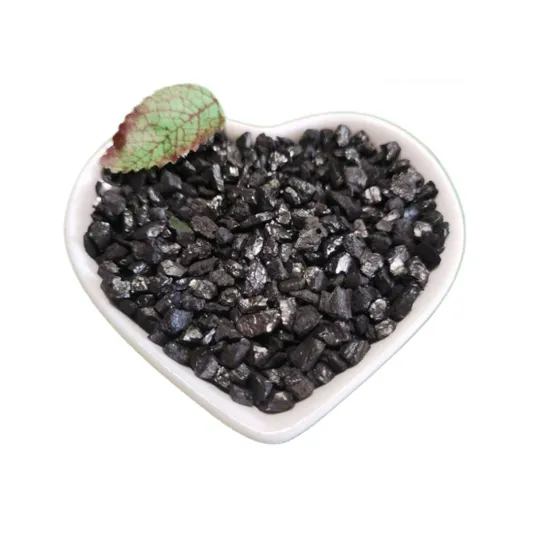
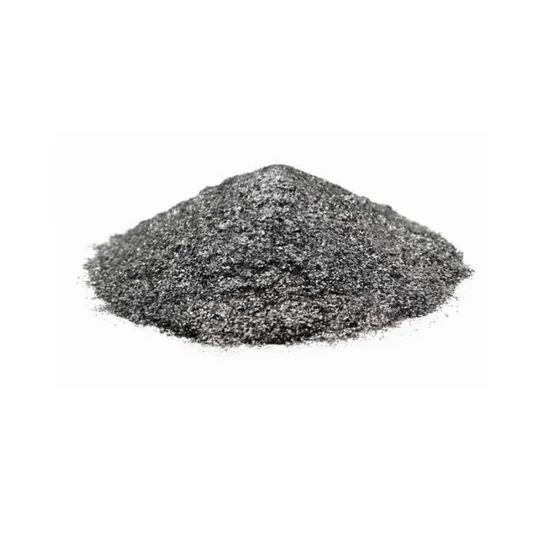
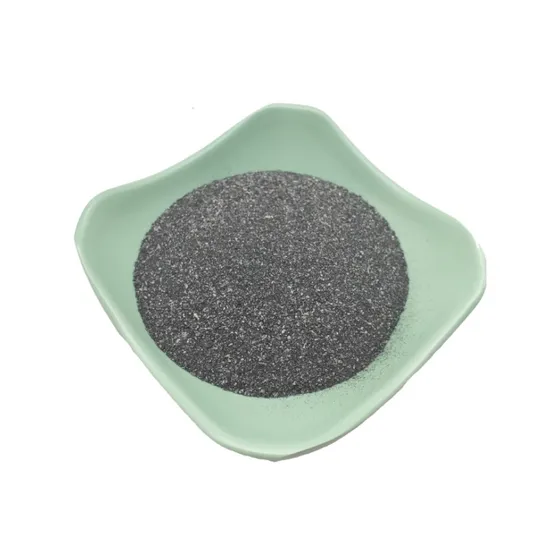
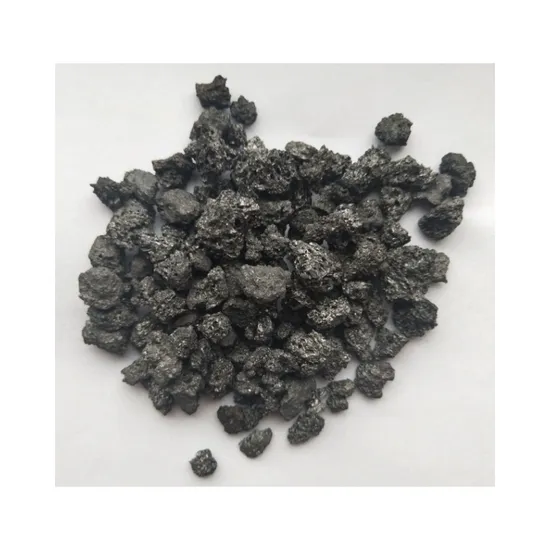
Whether you’re recarburizing molten iron/steel to target chemistry or running pack carburizing, carbon purity and sulfur/nitrogen content affect defects, soot formation, and downstream brittleness. Here’s where NALAI’s Calcined Anthracite Coal Carburizing Agent earns a look—clean burn, low S, controlled N. Many customers tell me their melt absorption is steadier and their furnace cleanliness… well, less of a headache.
Product snapshot: Calcined Anthracite Coal Carburizing Agent
Origin: Qiujing yiyuan, No. 189, East 2nd Ring North Road, Chang'an District, Shijiazhuang, Hebei Province. Brand: NALAI. Applications: metallurgical industry, foundry recarburizing, pack carburizing blends. Customization: available. Packaging: 25kg/50kg bags. Sample: available.
| Carbon (C) | ≥98% (typ.) | Moisture | ≤0.5% |
| Sulfur (S) | ≤0.10% | Nitrogen (N) | ≈300–1200 ppm |
| Absorption (melt) | ≈90–95% in induction melts (setup dependent) | Color | Grey |
Use cases and industries
- Automotive transmissions, e-axle pinions (LPC + oil quench)
- Heavy equipment and mining gears (gas carburizing, deep cases)
- Aerospace actuation gears (tight specs, Nadcap heat treat)
- Foundry recarburizing for ductile/CGI iron feeding gear blanks before the carburizing hardening process
Vendor comparison (field notes, ≈ values)
| Carbon Source | C / S / N | Absorption | Cleanliness | Certs |
|---|---|---|---|---|
| NALAI Calcined Anthracite | ≥98% / ≤0.10% / 300–1200 ppm | High (≈90–95%) | Low soot/slag | ISO 9001 (supplier data) |
| Petroleum Coke (generic) | 96–98% / 0.3–1.0% / variable | Medium | Soot risk | Varies by vendor |
| Low-grade Anthracite | 92–96% / >0.5% / higher N | Lower | Higher ash | Limited |
Mini case study (gear shop, EU)
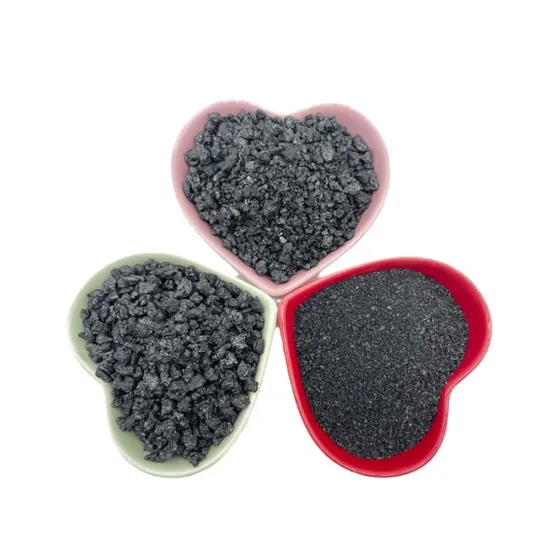
Swapping in NALAI carbon source for ductile iron preforms feeding a carburizing hardening process (LPC 940°C, oil quench) cut inclusions by ≈12% and improved effective case depth uniformity by 0.05 mm (ISO 18203 method). Customer feedback: less furnace fouling, steadier carbon pick-up. Not magic—just cleaner input.
Standards, testing, and certifications to watch
Heat treat houses running the carburizing hardening process typically align to SAE AMS 2759/7 and AIAG CQI‑9; aerospace adds Nadcap HT. Inspect ECD per ISO 18203 (and ISO 2639 legacy), HRC via ASTM E18, microhardness via ASTM E384. For automotive PPAPs, IATF 16949 suppliers are preferred.
Final word
Trends are clear: vacuum carburizing, tighter carbon control, and cleaner carbon sources. It seems small, but the carbon you choose upstream echoes through every quenched tooth flank downstream.
Authoritative citations
- SAE AMS 2759/7, Carburizing of Steel Parts
- ISO 18203:2016, Steel — Determination of Case-Hardening Depth
- ISO 2639, Steels — Determination of Depth of Carburized and Hardened Cases
- ASTM E18, Rockwell Hardness Testing
- ASTM E384, Microindentation Hardness
- AIAG CQI‑9, Heat Treat System Assessment; Nadcap AC7102 (Heat Treat)
 Pervious
 Next
Next