

- Englist


Carburizing Hardening Process: Deep Case, Low Distortion

Inside the Carburizing Hardening Playbook: What’s Working Now (and Why This Carburizing Agent Is Winning)
If you run a heat-treat line, you already know the magic (and headaches) of the carburizing hardening process. In the past 18 months, I’ve seen shops move hard to tighter carbon control, lower sulfur inputs, and vacuum/low-pressure routes that trim distortion. Honestly, energy pricing pushed everyone into scrutinizing every kilogram of carbon additive—absorption, ash, trace N and S—it all matters.
Process flow, briefly (but realistically)
Typical route: austenitize 880–980°C, hold with controlled carbon potential (0.9–1.2%C), diffuse, quench (oil, polymer, or press-quench), temper. For vacuum LPC, pulses of acetylene/propane or carbon additives deliver clean cases and less intergranular oxidation. Verification? Case depth by ISO 2639 or ISO 18203; microhardness traverses via ASTM E384. Real-world use shows 58–62 HRC surface, effective case depth 0.8–1.6 mm for gears—service life boosts of 3–5× aren’t unusual when load spectra are nasty.
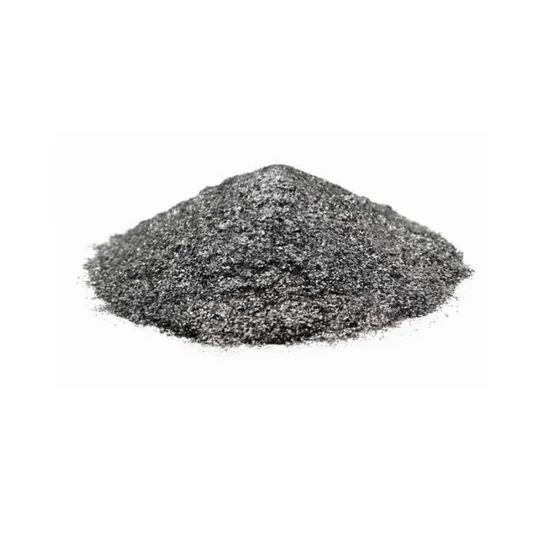
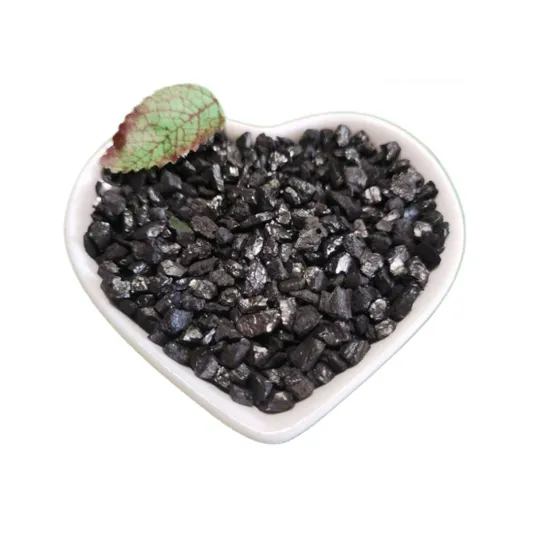
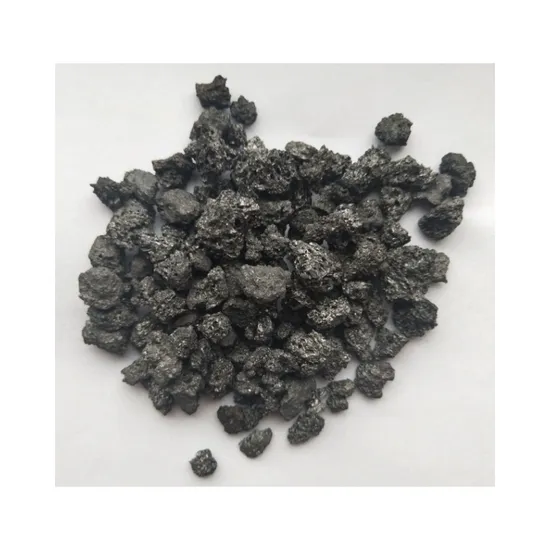
Product spotlight: NALAI Calcined Anthracite Coal Carburizing Agent
Origin: Qiujing yiyuan, No. 189, East 2nd Ring North Road, Chang'an District, Shijiazhuang, Hebei. It’s a high-carbon, low-moisture input many melt shops prefer for repeatable carbon pickup. Customization is available (granularity, ash, packing). To be honest, the “boring” specs are what keep furnaces stable shift after shift.
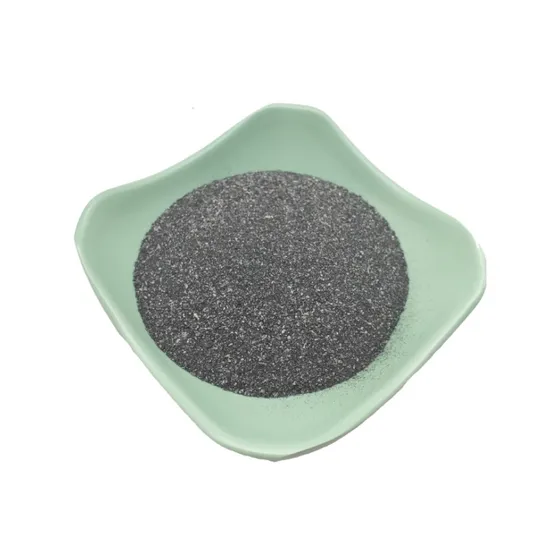
Key specs (real-world may vary a bit)
| Parameter | Typical/Limit |
|---|---|
| Carbon (C) | ≥ 98% |
| Sulfur (S) | ≤ 0.10% |
| Nitrogen (N) | ≈ 300–1200 ppm |
| Moisture | ≤ 0.5% |
| Packaging | 25 kg / 50 kg bag |
| Brand/Trademark | NALAI |
| Samples | Available |
Where it fits
Automotive gears/shafts, construction gearboxes, wind turbine yaw drives, mining conveyors, robotics reducers—wherever the carburizing hardening process targets long fatigue life and low pitting. Many customers say the lower S helps keep inclusions in check, especially when pushing 62 HRC surfaces with tight distortion budgets.
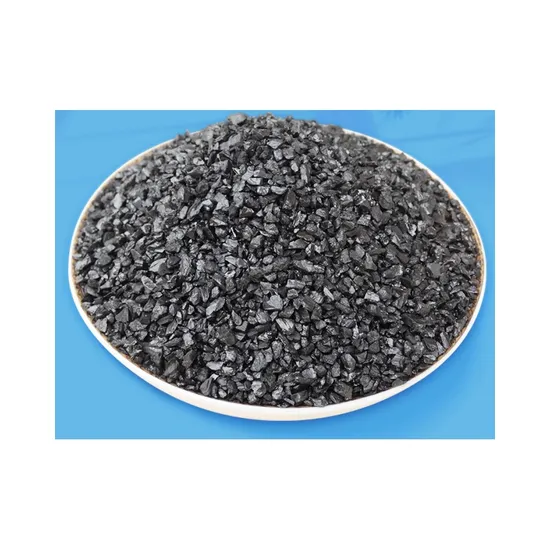
Vendor comparison (field-notes, not a lab shootout)
| Vendor | C% | S% | N (ppm) | Moisture% | Carbon Absorption≈ | Certs |
|---|---|---|---|---|---|---|
| NALAI (this product) | ≥98 | ≤0.10 | 300–1200 | ≤0.5 | High (process-dependent) | ISO 9001; CQI-9 support |
| Vendor A | 96–98 | 0.12–0.18 | ≤1500 | 0.6–1.0 | Medium | ISO 9001 |
| Vendor B | ≥97 | ≤0.15 | 400–1400 | ≤0.7 | Medium–High | ISO 9001 |
Customization, QA, and standards
Size selection (e.g., 0–1 mm for fast melting, 1–5 mm for controlled feed) and ash targets can be customized. Labs typically verify C/S/N via LECO; moisture by oven method; ash per internal SOPs. For the carburizing hardening process, plants align recipes to AMS 2759/7 and audit to CQI-9; case depth validated with ISO 2639 or ISO 18203; hardness by ASTM E384.
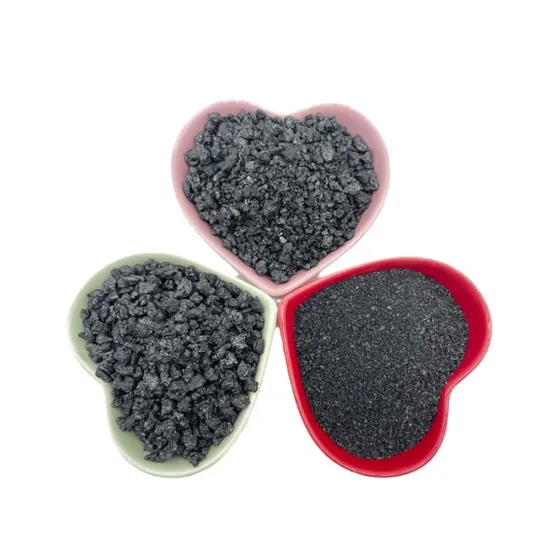
Field results (quick case study)
A Tier‑1 automotive gear line swapped in this agent and tuned carbon potential from 1.05% to 0.95% with tighter drift (±0.02%). Over 6 weeks: soot carryover down ≈12%, quench sludge reduced ≈8%, and effective case depth scatter cut by ~15% on SPC charts. Operators, somewhat skeptically at first, now say furnace cleanup is faster and the smell is less “sooty”—their words, not mine.
Bottom line
If your carburizing hardening process is chasing better carbon efficiency and fewer trace-element surprises, this calcined anthracite option is a practical lever—especially where vacuum and clean steels are the norm.
Authoritative citations
- ISO 2639: Steels — Determination and verification of the depth of carburized and hardened cases.
- ISO 18203: Steel — Determination of case-hardening depth — Methods.
- ASTM E384: Standard Test Method for Microindentation Hardness of Materials.
- SAE AMS 2759/7: Heat Treatment of Steel Parts — Carburizing and Carbon Control.
- AIAG CQI‑9: Special Process: Heat Treat System Assessment.
 Pervious
 Next
Next