

- Englist



Cellulose Acetate Tow | High Purity, Custom Denier, In Stock

Cellulose Acetate Tow is a key solution in the manufacturing industry, specifically within Chemical fiber manufacturing industry and Acetate fiber manufacturing. This article explores how Shijiazhuang nalai biotechnology Co., Ltd supports professionals with durable, high-performance products, and explains why this product is an ideal choice for businesses in these sectors.
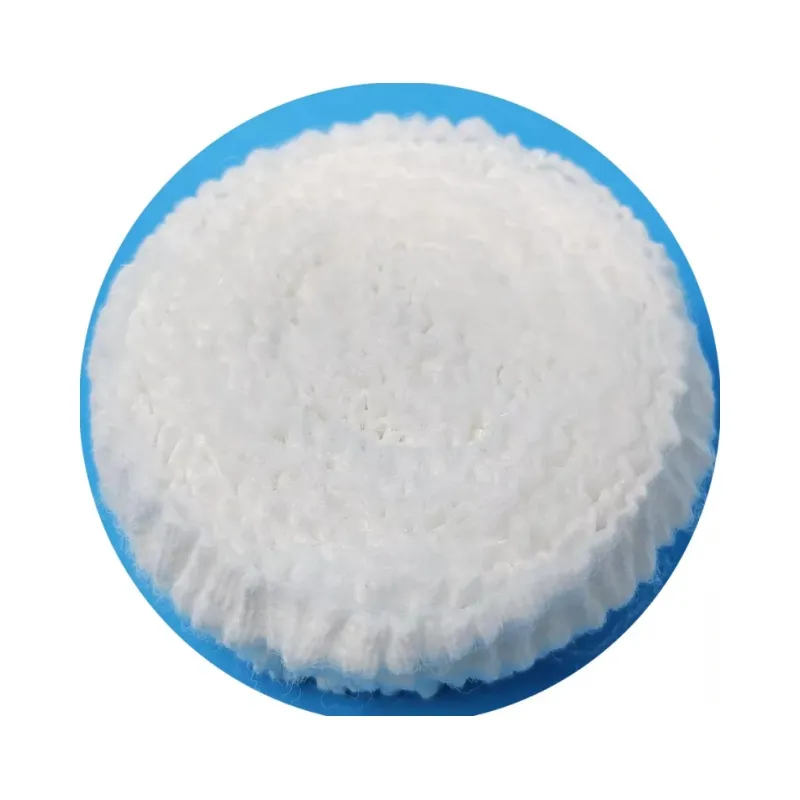
Table of Contents
- Cellulose Acetate Tow Overview
- Benefits & Use Cases of Cellulose Acetate Tow in Acetate fiber manufacturing
- Cost, Maintenance & User Experience
- Sustainability & Market Trends in manufacturing
- Conclusion on Cellulose Acetate Tow from Shijiazhuang nalai biotechnology Co., Ltd
Cellulose Acetate Tow Overview
Cellulose acetate tow is a continuous bundle of filaments produced by acetylating purified wood pulp and spinning it into fine, uniform fibers. Within chemical fiber manufacturing—especially acetate fiber manufacturing—this material is prized for its purity, uniform crimp, and excellent processability. In practical terms, “acetate tow adalah” bundel serat selulosa asetat (in Bahasa Indonesia: acetate tow adalah kumpulan filamen kontinu) yang digunakan terutama untuk pembuatan filter dan aplikasi teknis. Typical technical ranges include total tow denier from ~20,000 to 300,000+, denier-per-filament (DPF) from ~1.5 to 8, controlled crimp (e.g., 6–14 cpi), moisture ~3–7%, and low ash for consistent filtration performance. These parameters enable stable rod forming, predictable draw resistance, and clean cutting, which are essential for high-speed converting lines.
As a dependable cellulose acetate tow manufacturer, Shijiazhuang nalai biotechnology Co., Ltd supplies acetate tow in the specifications B2B converters request—supporting various crimp levels, filament counts, and packaging formats to align with different rod makers and downstream processes. Our focus on tight quality windows, batch-to-batch consistency, and responsive technical service makes us a reliable acetate tow supplier for global OEMs and converters seeking predictable throughput and reduced waste.
Benefits & Use Cases of Cellulose Acetate Tow in Acetate fiber manufacturing
In acetate fiber manufacturing, cellulose acetate tow is widely used for:
- Filter media and filter rods where low ash, controlled acetyl content, and uniform crimp deliver consistent pressure drop and filtration efficiency.
- Technical nonwovens and specialty textiles after further processing (cutting/crimping to staple), offering soft handfeel, dyeability, and dimensional stability.
- Air/liquid filtration and sorbent media where clean fiber surfaces and predictable porosity are critical.
Competitive advantages of high-quality acetate tow include excellent compatibility with common plasticizers (e.g., triacetin), fast wetting and wicking, low linting for cleaner machine environments, and confident runnability on high-speed converting lines. For procurement teams comparing acetate tow price and performance, total cost is influenced by denier, DPF, acetyl value, packaging, and order volume—so spec clarity matters. As seasoned cellulose acetate tow suppliers, Shijiazhuang nalai biotechnology Co., Ltd partners with buyers to define the right balance of denier, crimp, and moisture targets, helping reduce stoppages and scrap while maintaining end-product compliance. Whether you source through distributors or direct from acetate tow manufacturers, our technical team ensures a smooth onboarding and stable ongoing supply.
Cost, Maintenance & User Experience
For B2B decision makers, the true metric is total cost of ownership (TCO), not only the acetate tow price per tonne. High-consistency cellulose acetate tow lowers unplanned downtime, reduces trim waste, and stabilizes draw resistance—each of which compounds into better line efficiency and lower unit cost. When the tow’s moisture and crimp are controlled tightly, you’ll see fewer filter defects, improved adhesive/plasticizer distribution, and cleaner cuts, which together minimize rework and customer returns. Over an annualized horizon, these effects often outweigh small per-ton price differences.
Feedback from converters in the chemical fiber manufacturing industry points to three consistent wins: predictable processing (less machine tuning), cleaner operations (reduced dust/lint), and reliable supply (stable lead times and packaging integrity). Maintenance teams value tow that unwinds evenly, maintains crimp memory, and runs without shedding—leading to longer intervals between knife changes and less frequent line cleaning. Shijiazhuang nalai biotechnology Co., Ltd supports these outcomes with rigorous QC, lot traceability, and application guidance, ensuring our customers achieve faster qualification cycles and better ROI across the product lifecycle.
Sustainability & Market Trends in manufacturing
Market dynamics in acetate fibers are shaped by bio-based feedstocks, traceability, and evolving regulations. Cellulose acetate is derived from renewable wood pulp, supporting companies’ transition to more sustainable material portfolios. Many buyers now prioritize chain-of-custody transparency, solvent recovery efficiency, and VOC management throughout the tow supply chain. Policymakers are tightening rules on single-use materials and driving extended producer responsibility, making design-for-environment and post-use impact part of procurement criteria. While biodegradability depends on specific environmental conditions and product formulation, bio-based content and responsible sourcing are clear steps forward for the industry.
Shijiazhuang nalai biotechnology Co., Ltd takes a forward-looking approach by emphasizing stable, efficient production and continuous improvement in resource stewardship. From raw material selection to controlled processing and packaging optimization, we aim to reduce waste, improve solvent recovery, and support customer reporting needs. As your acetate tow supplier, we work closely with procurement and sustainability teams to align specifications with compliance targets—helping you meet current standards and prepare for emerging regulations while maintaining commercial performance.
Conclusion on Cellulose Acetate Tow from Shijiazhuang nalai biotechnology Co., Ltd
For manufacturers seeking dependable performance, Cellulose Acetate Tow delivers the process stability, cleanliness, and consistency required in the chemical fiber manufacturing industry and acetate fiber manufacturing. Whether you are evaluating acetate tow uses for filtration or specialty textiles, partnering with an experienced cellulose acetate tow manufacturer can streamline qualification and reduce total costs. Shijiazhuang nalai biotechnology Co., Ltd combines technical support with reliable supply, making us a trusted choice among cellulose acetate tow suppliers and acetate tow manufacturers worldwide. Contact us: info@nalaibio.com. Visit our website: https://www.nlgraphite.com. Explore the product page: Cellulose Acetate Tow.
 Pervious
 Next
Next