

- Englist



Comprehensive Guide to Calcined Petroleum Coke Properties and Industrial Applications

Understanding Calcined Petroleum Coke: A Comprehensive Guide
Calcined petroleum coke (CPC) is a crucial carbon material widely used in various industries, notably aluminum production, steel manufacturing, and titanium dioxide pigment production. This article delves into the properties, manufacturing process, applications, and market trends of calcined petroleum coke. We’ll explore why NL Graphite is a leading supplier of high-quality CPC, catering to diverse industrial needs. Understanding CPC’s role in these key sectors is vital for optimizing production processes and ensuring product quality.
What is Calcined Petroleum Coke?
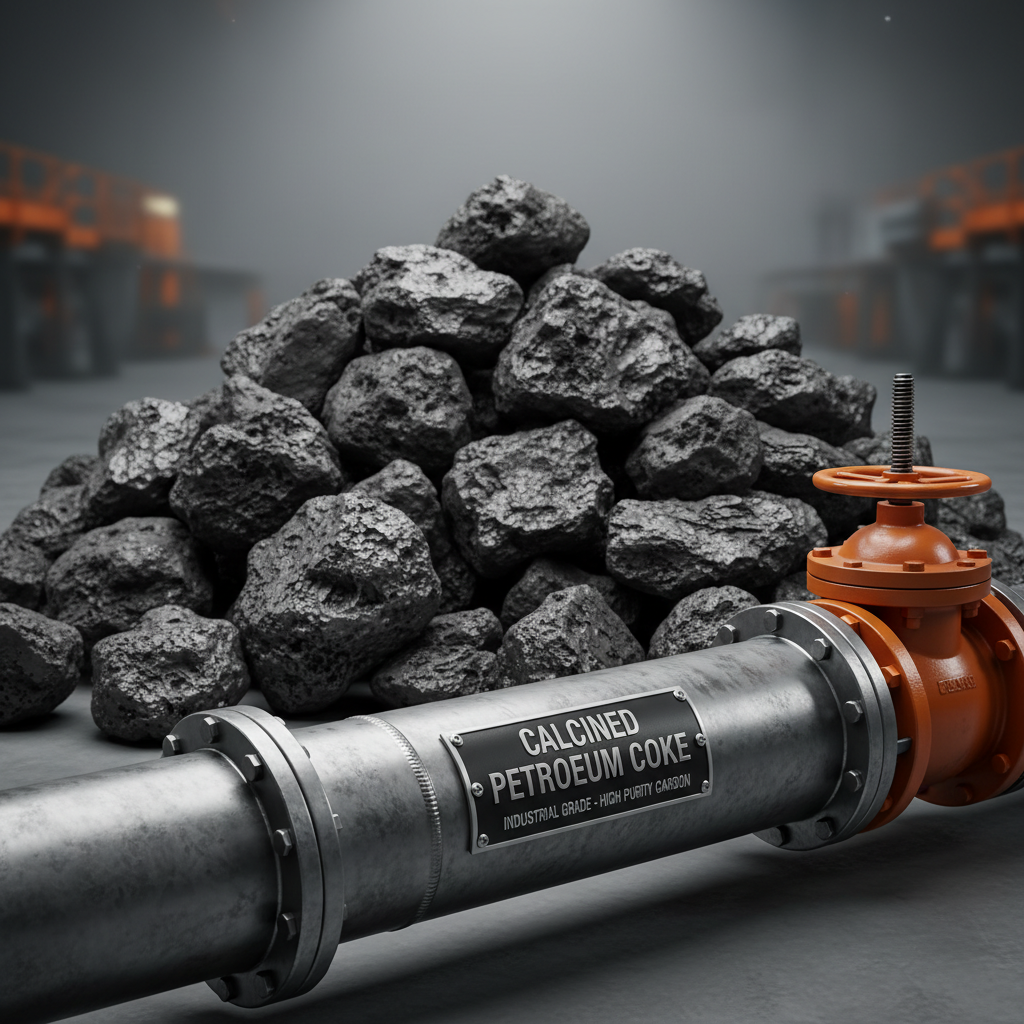
Calcined petroleum coke is produced from raw petroleum coke, a byproduct of oil refining. The calcination process involves heating raw coke to extremely high temperatures (typically between 1000-1600°C) in the absence of oxygen. This process removes volatile matter, reduces sulfur content, and increases the carbon content, resulting in a harder, more conductive material. The resulting CPC boasts a high fixed carbon content, low ash levels, and excellent electrical conductivity, making it ideal for specific industrial applications. NL Graphite's CPC undergoes rigorous quality control to ensure consistency and performance.
Key Highlights: High fixed carbon content, low ash levels, and excellent electrical conductivity.
The Manufacturing Process of Calcined Petroleum Coke
The production of calcined petroleum coke involves several key stages. First, raw petroleum coke, often sourced from delayed coking units or fluid catalytic cracking (FCC) units, is collected. This raw coke contains varying levels of impurities, including sulfur, metals, and hydrocarbons. The next step involves preheating the raw coke and then feeding it into a rotary kiln or a static calciner. Inside the calciner, the coke is heated to high temperatures, driving off volatile compounds. The controlled heating and cooling rates are crucial for achieving the desired properties in the final product. Finally, the calcined coke is cooled, screened, and classified based on particle size.
Manufacturing Steps:
• Raw coke collection
• Preheating
• Calcination (heating to high temperatures)
• Cooling, screening, and classification
Calcined Petroleum Coke Applications
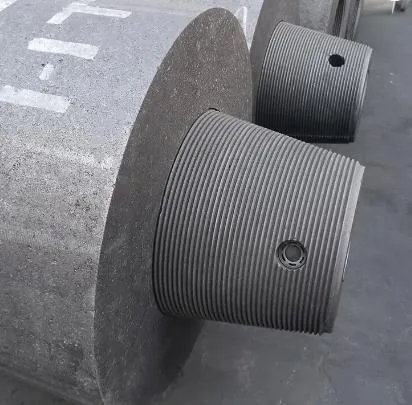
CPC’s unique properties make it essential in numerous industries. The largest single application is in aluminum smelting, where it serves as the carbon anode, consuming during the electrolysis process to produce aluminum. It is also a critical component in steel manufacturing, used as a recarburizer to adjust the carbon content of molten steel. The titanium dioxide pigment industry utilizes CPC as a feedstock for producing titanium tetrachloride, a precursor to TiO2 pigment. Furthermore, CPC finds applications in the production of graphite electrodes, carbon brushes, and other carbon-based products. NL Graphite provides customized CPC solutions to cater to the specific requirements of each industry.
Calcined Petroleum Coke: Product Specifications
Different applications demand specific CPC specifications. Factors such as fixed carbon content, ash content, sulfur content, and particle size distribution are crucial. Here’s a general overview of typical specifications offered by NL Graphite:
Market Trends and Future Outlook for Calcined Petroleum Coke
The global calcined petroleum coke market is influenced by several factors, including aluminum production levels, steel demand, and environmental regulations. Growing demand for lightweight materials in the automotive and aerospace industries is driving aluminum production, thereby increasing demand for CPC. However, environmental concerns related to emissions from CPC combustion are leading to stricter regulations and a focus on alternative carbon materials. NL Graphite is committed to sustainable practices and offers CPC solutions that comply with evolving environmental standards.
Conclusion: Choosing a Reliable CPC Supplier
Selecting a reliable supplier like NL Graphite is crucial for ensuring consistent quality and supply of calcined petroleum coke. Our commitment to quality control, sustainable practices, and customer satisfaction makes us a trusted partner for industries worldwide. Investing in high-quality CPC optimizes production processes, improves product performance, and ensures long-term reliability.
Frequently Asked Questions (FAQs)
What is the typical lead time for CPC orders?
Lead times for CPC orders depend on order volume, current inventory levels, and shipping destination. Generally, standard orders can be fulfilled within 2-4 weeks. However, larger custom orders may require longer lead times. NL Graphite maintains a robust supply chain and works closely with customers to ensure timely delivery. We offer flexible shipping options to meet specific requirements, including bulk cargo and containerized shipments. Providing accurate order forecasts helps us optimize our production schedule and minimize lead times.
Does NL Graphite offer custom sizing of CPC?
Yes, NL Graphite offers custom sizing of calcined petroleum coke to meet specific customer requirements. We can process CPC into various particle sizes and distributions using our state-of-the-art screening and classification equipment. This customization ensures optimal performance in specific applications. We work closely with clients to understand their needs and deliver tailored solutions that improve efficiency and product quality. Providing precise size specifications allows us to optimize the calcination and processing parameters.
What quality control measures does NL Graphite employ?
NL Graphite maintains a rigorous quality control system throughout the entire production process. We conduct comprehensive testing at each stage, from raw material sourcing to final product inspection. Our quality control procedures include analyzing fixed carbon content, ash content, sulfur content, moisture levels, and particle size distribution. We utilize advanced analytical instruments and adhere to industry-leading standards. We also provide Certificates of Analysis (COAs) with each shipment, detailing the specific properties of the CPC.
 Pervious
 Next
Next