

- Englist



Comprehensive Guide to Graphite Round Bars: Applications, Benefits & Industry Insights

Understanding the Graphite Round Bar: A Key Component in Modern Industries
Graphite round bars might sound like just another industrial metal product, but they’re far more significant than that. Globally, their unique combination of physical and chemical properties makes them indispensable in sectors ranging from aerospace to electronics. Understanding graphite round bars, their benefits, and applications helps one appreciate why industries rely heavily on this material for high-performance tasks. Frankly, it’s a story of how nature’s form of carbon helps solve some of today’s most demanding engineering challenges.
Global Context: Why Graphite Round Bars Matter in Today’s Industry
Looking at global manufacturing, the demand for specialized materials is rising steadily. According to the International Organization for Standardization (ISO), graphite products, including round bars, have seen increased use in high-tech manufacturing and energy sectors. The United Nations’ trade data further shows growth in carbon-based material exports, linking directly to sustainable technologies worldwide. However, challenges such as heat resistance and electrical conductivity in components remain, which graphite round bars address masterfully.
In real terms, industries face growing pressures to reduce weight while improving functionality. Graphite’s low density and excellent thermal conductivity make graphite round bars ideal for parts where metals may fall short. Oddly enough, despite being a “non-metallic,” graphite often outperforms metals in dozen-plus niche applications.
What Is a Graphite Round Bar?
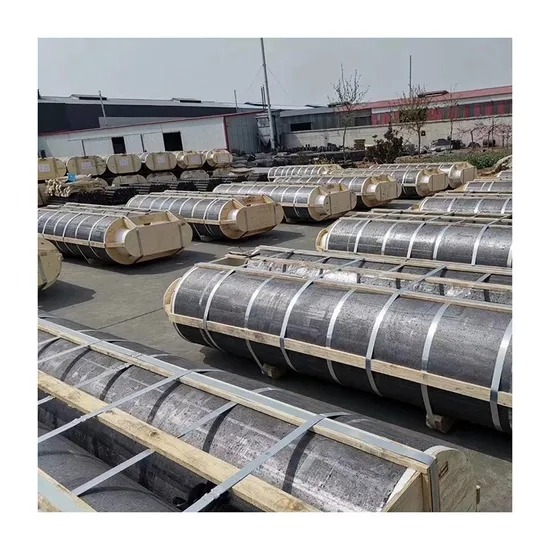
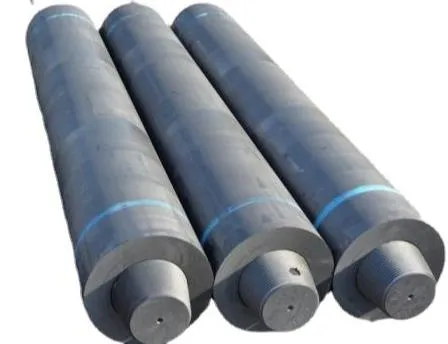
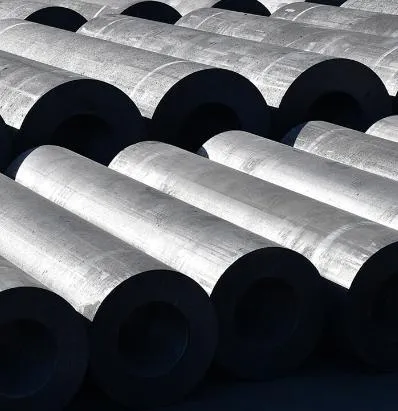
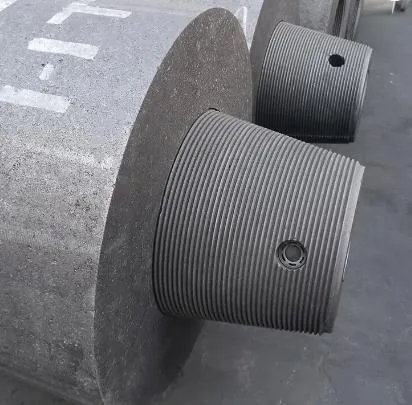
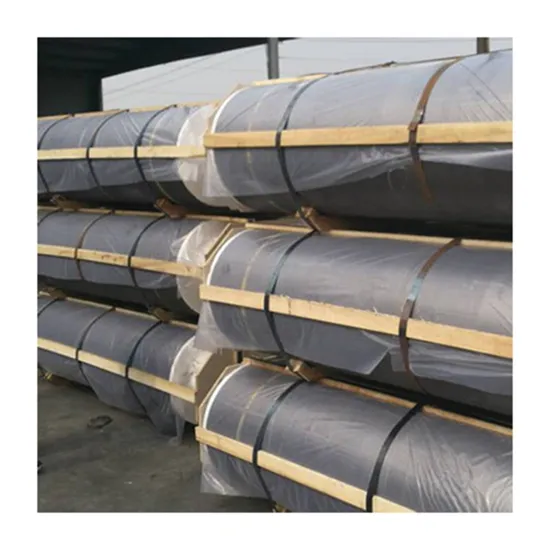
Simply put, a graphite round bar is a cylindrical solid made of synthetic or natural graphite. This form factor allows easy machining into components like electrodes, seals, bushings, and molds. Graphite itself is a crystalline form of carbon well-known for being slippery, heat-resistant, and electrically conductive — qualities that, combined in a dense rod, unlock diverse industrial uses.
These rods connect closely with needs such as reliable heat dissipation in electronics or chemical resistance in corrosive environments, making them indispensable for critical infrastructure and humanitarian projects requiring durable, lightweight materials.
Core Characteristics of Graphite Round Bars
1. Thermal Stability
Graphite withstands very high temperatures — often up to 3000°C in inert atmospheres — without melting. That’s crucial in manufacturing processes like metal casting or electronics cooling.
2. Electrical Conductivity
Unlike many ceramics, graphite is a good conductor of electricity, making it ideal for electrodes in batteries and fuel cells.
3. Chemical Resistance
It’s remarkably inert in most chemicals, even acids, allowing use in harsh chemical plants and labs.
4. Lightweight Durability
The combination of low density and strong structural integrity means less mechanical load on assemblies — a big plus in aerospace or automotive industries.
5. Machinability
Graphite round bars can be CNC-machined to tight tolerances, enabling custom shapes tailored for unique engineering requirements.
Quick Summary:
- Graphite round bars offer thermal, electrical, and chemical resilience.
- They combine lightness with strength, ideal for complex industrial parts.
- Their machinability makes them versatile across sectors.
Applications of Graphite Round Bars Around the World
The usage of graphite round bars spans continents and industries. For instance:
- Energy Sector: In Europe and Asia, graphite electrodes derived from round bars play critical roles in electric arc furnaces for steel production, a backbone of modern infrastructure.
- Automotive and Aerospace: Lightweight and heat-resistant graphitic components contribute to safer, more efficient engines and batteries in North America.
- Chemical Industry: The Middle East's growing petrochemical plants rely on corrosion-resistant graphite seals made from these bars, improving longevity.
- Electronics Manufacturing: Japan and South Korea utilize graphite rods in semiconductor fabrication equipment for precise heat and electrical management.
Even in humanitarian contexts, such as remote industrial zones or disaster relief operations, graphite components play crucial roles where other materials suffer from severe environmental stresses.
Advantages and Long-Term Value of Graphite Round Bars
Beyond the technical specs, there’s a deeper value in graphite round bars. Here’s why many engineers and manufacturers trust them:
- Cost Efficiency: Though upfront costs can be higher than standard metals, the bars’ durability and reliability cut maintenance and downtime costs significantly.
- Sustainability: Graphite can often be recycled, and synthetic production methods are improving in energy efficiency, aligning with global green initiatives.
- Safety and Innovation: The thermal and chemical resilience lends safety advantages, protecting human operators and sensitive equipment.
- Trust and Consistency: In industries where failure is not an option (medical devices or aerospace, say), graphite round bars provide proven, consistent performance.
Product Specifications: Typical Graphite Round Bar Properties
| Property | Value / Range | Units |
|---|---|---|
| Diameter | 6 - 200 | mm |
| Density | 1.75 - 1.90 | g/cm³ |
| Thermal Conductivity | 80 - 120 | W/m·K |
| Electrical Resistivity | 8 - 10 | μΩ·m |
| Max Operating Temp | 2500 | °C (inert) |
Vendor Comparison: Choosing the Right Graphite Round Bar Supplier
| Vendor | Product Range | Customization Options | Delivery Time | Sustainability Credentials |
|---|---|---|---|---|
| GraphiteTech Inc. | Standard & high purity sizes | CNC machining | 2-4 weeks | ISO 14001 certified |
| CarbonCraft Ltd. | Specialty composites | Custom formulations | 3-5 weeks | Uses recycled graphite |
| NL Graphite | Wide standard sizes plus custom | In-house CNC & quality checks | 1-3 weeks | Compliant with international green manufacturing |
Future Trends and Innovations in Graphite Round Bars
The graphite industry is not standing still. With the rising importance of green energy, there’s a growing focus on ultra-pure graphite round bars for lithium-ion battery anodes. Automation and digital CNC machining are refining product tolerances, allowing engineers to push performance boundaries.
Also, innovations in synthetic graphite production emphasize reduced carbon footprints, critical as industries align with UN sustainability goals. I read recently about novel infusion techniques enhancing graphite’s mechanical properties — promising even lighter, stronger bars emerging in the near future.
Challenges and Solutions in Graphite Round Bar Usage
Of course, no material is perfect. Graphite is brittle compared to metals and requires careful handling to avoid fracture. Also, pricing can fluctuate with graphite mining conditions.
However, advances in material treatments and composite blends are overcoming these issues — creating more robust bars for demanding environments. Plus, suppliers like NL Graphite offer expert machining and quality assurance to minimize wastage and defects.
Frequently Asked Questions About Graphite Round Bars
- Q: What industries benefit most from graphite round bars?
A: Mainly aerospace, chemical processing, electronics, and steel manufacturing sectors, due to graphite’s high heat tolerance, chemical resistance, and electrical conductivity. - Q: How customizable are graphite round bars?
A: Very customizable. Vendors can machine them to precise diameters, lengths, and shapes with CNC equipment for tailored applications. - Q: Are graphite round bars environmentally friendly?
A: Yes, especially when sourced from recycled graphite or produced via energy-efficient synthetic methods. Plus, their durability reduces replacement frequency, lowering waste. - Q: How do I choose a reliable graphite round bar supplier?
A: Look for vendors certified with ISO standards, who offer customization, quality assurance, and transparent supply chains.
Conclusion
Graphite round bars are quietly powering a host of critical global industries thanks to their unique blend of thermal, electrical, and physical properties. Investing in quality bars pays dividends in performance, cost savings, and sustainability. For those curious or ready to source, a good start is visiting trusted suppliers like NL Graphite – they blend expertise with a commitment to innovation and green manufacturing.
Whether it’s forging future aerospace breakthroughs or ensuring chemical plant reliability, graphite round bars quietly meet those demanding needs. And honestly, once you dive into this product’s story, it feels like a small but powerful marvel of modern materials science.
Mini takeaway: Graphite round bars are an advanced industrial staple combining strength, conductivity, and chemical resilience — vital for today’s high-tech, sustainable manufacturing.
References:
 Pervious
 Next
Next