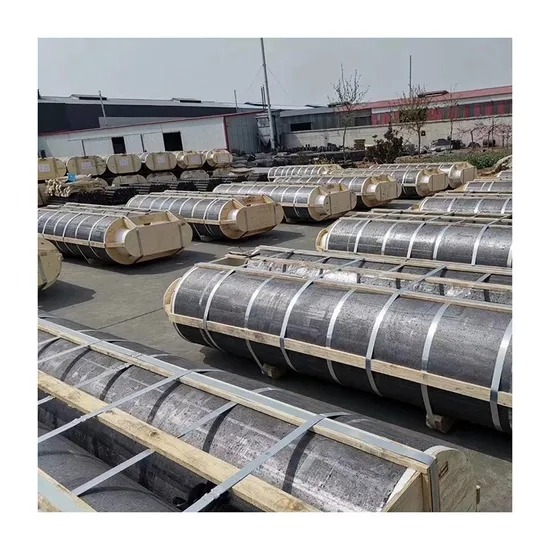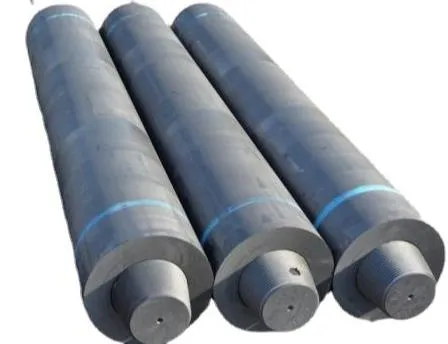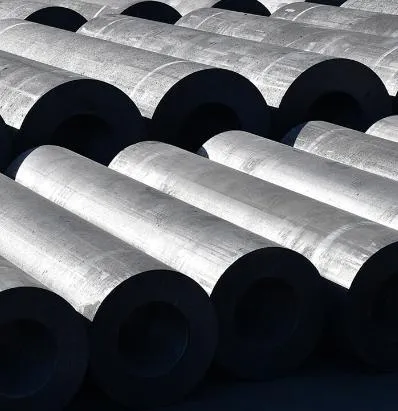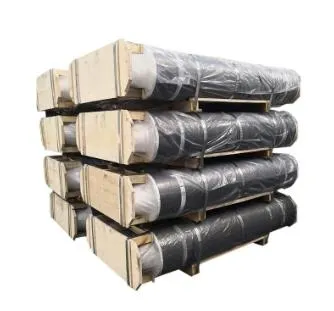


- Englist


Comprehensive Guide to Sourcing High Quality graphite electrode in china

Graphite Electrode in China: A Comprehensive Guide
China has emerged as a global leader in the production and supply of graphite electrodes, essential components in electric arc furnaces (EAFs) used in steelmaking. This article provides an in-depth look at the Chinese graphite electrode industry, covering manufacturing processes, key players, quality standards, and factors influencing the market. Whether you're a steel producer, trader, or seeking reliable sourcing, understanding the landscape of graphite electrodes in China is crucial. We'll explore the advantages of sourcing from China and what to look for when choosing a supplier.
The Manufacturing Process of Graphite Electrodes
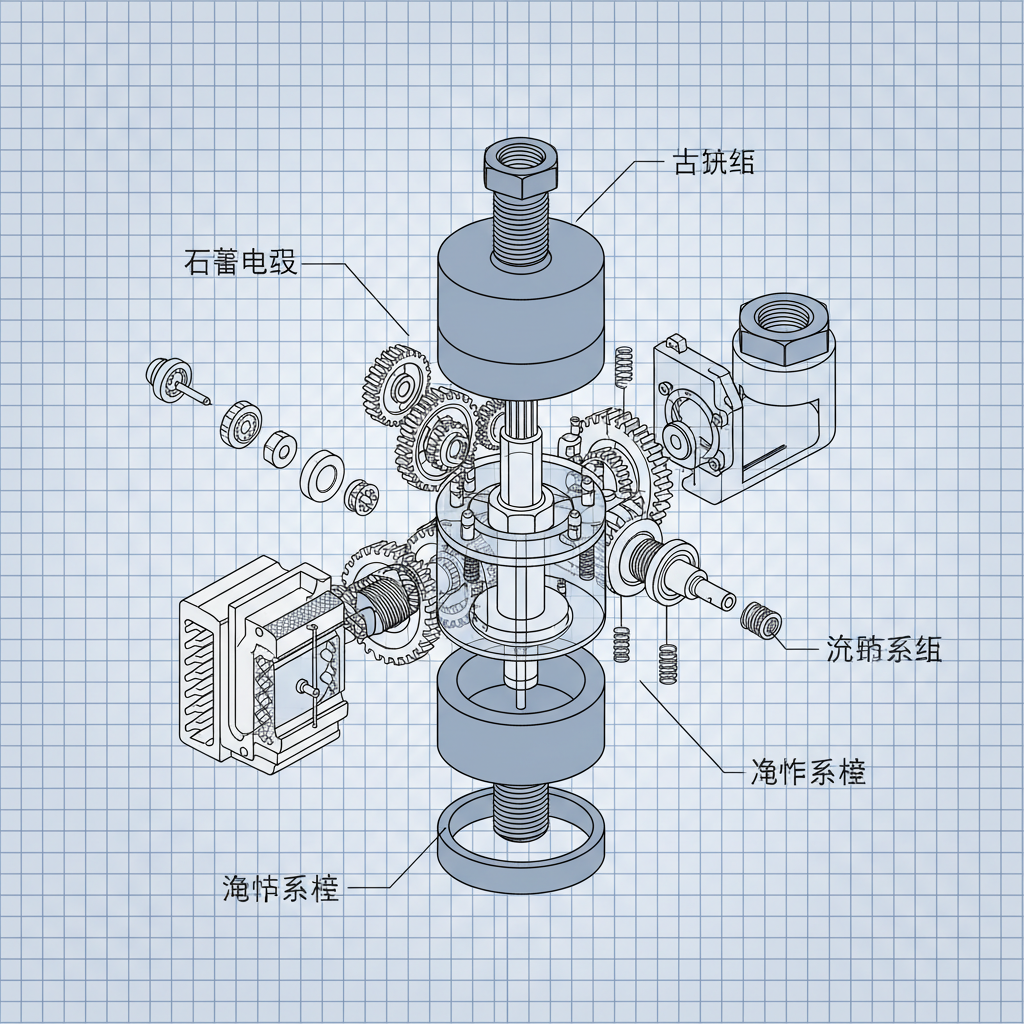
The production of graphite electrodes is a complex process. It begins with high-purity graphite, typically sourced from natural graphite deposits or synthetically produced. This graphite is then crushed, milled, and purified. Next, the graphite powder is mixed with a binder, usually pitch, and formed into electrode shapes through processes like extrusion or molding. The formed electrodes undergo baking (carbonization) at high temperatures to remove volatile components and increase strength. Finally, the baked electrodes are graphitized at even higher temperatures, enhancing their electrical conductivity and thermal stability. The entire process requires stringent quality control to ensure the electrodes meet the demanding requirements of steelmaking. NL Graphite prides itself on meticulous quality control throughout this entire process.
Key Manufacturing Stages: Purification, Mixing & Forming, Baking, Graphitization, Quality Control.
Key Players in the Chinese Graphite Electrode Market
The Chinese graphite electrode market is dominated by a handful of major manufacturers. Companies like Fangda Carbon, Kaiyuan Carbon, and NL Graphite are recognized for their large production capacities, advanced technologies, and consistent product quality. These companies serve both domestic and international markets, supplying electrodes to steel mills worldwide. The competitive landscape is evolving, with some companies focusing on high-end, specialty electrodes, while others cater to the more price-sensitive segment. Understanding the strengths and specializations of these key players is important for informed sourcing decisions.
Top Chinese Graphite Electrode Manufacturers:
• Fangda Carbon
• Kaiyuan Carbon
• NL Graphite
• Sanhe Graphite
Graphite Electrode Specifications and Grades
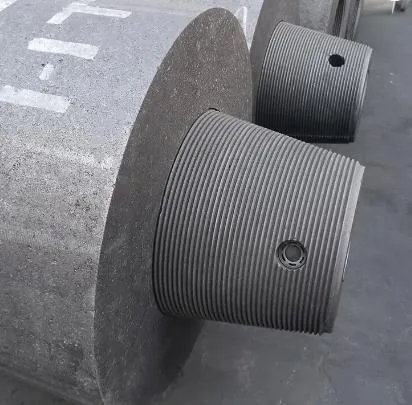
Graphite electrodes are classified based on their diameter, length, and quality grade. Common diameters range from 250mm to 600mm, while lengths typically vary between 1800mm and 2400mm. Quality grades are determined by factors like carbon content, ash content, resistivity, and mechanical strength. Higher-grade electrodes offer improved performance, longer lifespan, and reduced consumption rates. Steel producers select electrodes based on the specific requirements of their EAF and the type of steel they produce. Here’s a common specification table:
Quality Control and Standards for Graphite Electrodes in China
Maintaining consistent quality is paramount in graphite electrode production. Chinese manufacturers adhere to international standards such as ASTM C610 and EN 60928. Stringent quality control procedures are implemented at every stage of the manufacturing process, including raw material inspection, process monitoring, and final product testing. Reputable suppliers like NL Graphite provide detailed test reports and certifications to ensure compliance with industry standards. This dedication to quality ensures the reliability and performance of the electrodes in demanding steelmaking applications.
Factors Influencing the Price of Graphite Electrodes
The price of graphite electrodes is subject to fluctuations based on several factors. The cost of raw materials, particularly high-quality graphite and pitch, significantly impacts the final price. Energy costs, labor rates, and transportation expenses also play a role. Supply and demand dynamics in the global steel market are a major driver of price volatility. Additionally, environmental regulations and government policies can influence production costs and market availability. Staying informed about these factors is crucial for optimizing procurement strategies. NL Graphite offers competitive pricing and flexible supply options to meet diverse customer needs.
Conclusion: Sourcing Graphite Electrodes from China
China remains the dominant force in the graphite electrode market, offering a combination of competitive pricing, large production capacity, and increasingly sophisticated quality control. Selecting a reliable supplier, like NL Graphite, is essential to ensure consistent product quality and a secure supply chain. By understanding the nuances of the Chinese market, steel producers can optimize their procurement strategies and enhance their operational efficiency.
Frequently Asked Questions (FAQs)
What are the main advantages of sourcing graphite electrodes from China?
The primary advantages include competitive pricing due to lower production costs, large manufacturing capacity ensuring reliable supply, and increasingly advanced production technologies leading to improved product quality. China also boasts a well-developed logistics infrastructure, facilitating efficient transportation to global markets. However, it’s essential to carefully vet suppliers to ensure adherence to quality standards and ethical sourcing practices.
What should I look for when choosing a graphite electrode supplier in China?
Prioritize suppliers with established quality control systems and certifications like ISO 9001. Check for compliance with international standards (ASTM C610, EN 60928). Assess their production capacity and ability to meet your volume requirements. Request detailed test reports and certifications for each batch. Consider their reputation, customer reviews, and responsiveness to inquiries. NL Graphite provides full transparency and traceability throughout the production process.
How does the quality of graphite electrodes impact steel production?
The quality of graphite electrodes directly affects the efficiency and cost-effectiveness of steel production. High-quality electrodes exhibit lower consumption rates, longer lifespan, and improved electrical conductivity, resulting in reduced energy consumption and lower overall costs. Inferior electrodes can lead to increased electrode breakage, furnace downtime, and potential quality issues in the steel produced.
What is the typical lead time for ordering graphite electrodes from China?
Lead times can vary depending on the quantity, specifications, and current order backlog. Generally, standard electrode sizes are readily available with a lead time of 2-4 weeks. Custom orders or larger quantities may require a longer lead time of 6-8 weeks or more. It's crucial to discuss lead times and delivery schedules with your supplier upfront to ensure timely fulfillment of your requirements.
 Pervious
 Next
Next