

- Englist



Durable and High-Performance Graphite Plate For Electrolysis | NL Graphite

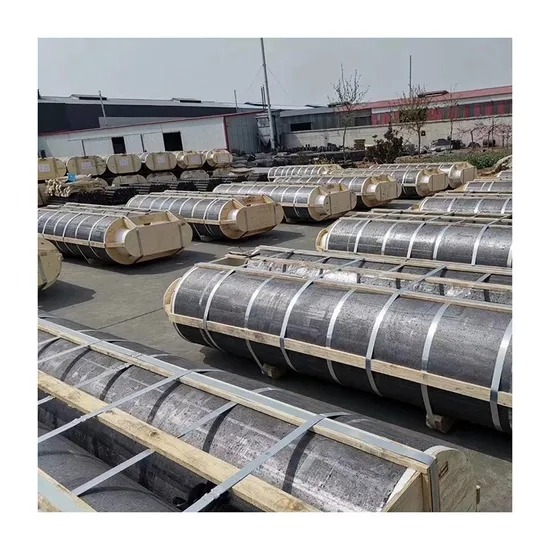
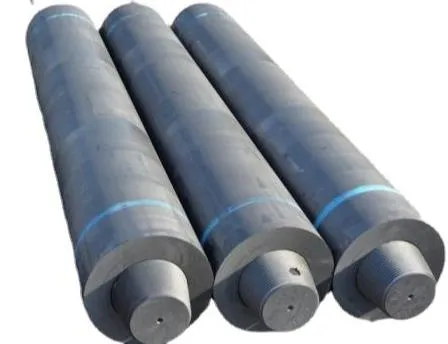
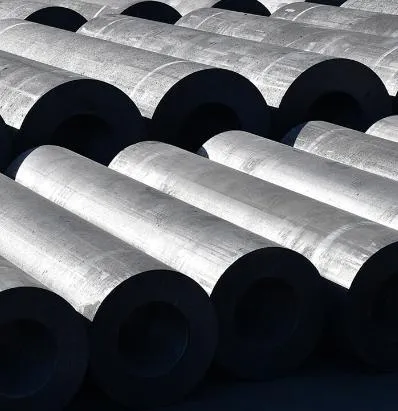
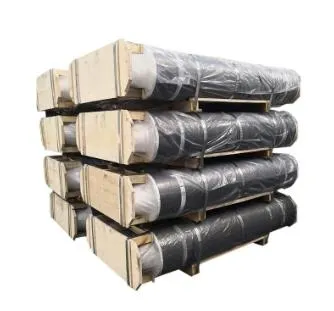
Graphite Plate For Electrolysis is a key solution in the industry, specifically within electrolytic processing and chemical manufacturing. This article explores how https://www.nlgraphite.com supports professionals with durable, high-performance products, and explains why this product is an ideal choice for businesses in these sectors.
Table of Contents
- Graphite Plate For Electrolysis Overview
- Benefits & Use Cases of Graphite Plate For Electrolysis
- Cost, Maintenance & User Experience
- Sustainability & Market Trends
Graphite Plate For Electrolysis Overview
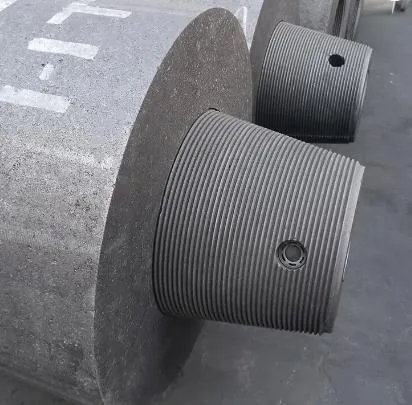
At its core, the graphite plate for electrolysis is a specially engineered electrode used to conduct electric current through electrolytic solutions — pretty vital in industries ranging from metal refining to water treatment. The real trick is its material: highly pure graphite, which combines excellent electrical conductivity with chemical inertness. That means it doesn’t react easily with its environment, making it reliable over extended use.
Technically speaking, these plates need to handle not only strong currents but also corrosive electrolytes at elevated temperatures — a challenge not every material can handle gracefully. For example, in chlor-alkali processes, opting for a high-grade graphite plate can drastically lower operating downtime. A case study from a large chemical plant showed a 20% efficiency uptick after switching to premium graphite electrodes sourced from NL Graphite.
| Attribute | Value/Range |
|---|---|
| Material Purity | >99.5% Carbon |
| Electrical Conductivity | ~10^4 S/m |
| Operating Temperature | Up to 250°C |
| Dimensions (Standard) | Customizable, up to 1000 x 1000 x 30 mm |
| Typical Lifespan | 3-5 years (depending on use) |
Benefits & Use Cases of Graphite Plate For Electrolysis
You know, when considering industrial use, graphite plates stand out because of their balance between performance and cost. They don't just serve as passive conductors — their resistance to acid and alkaline electrolytes means less replacement and downtime. Fact is, sectors like aluminum production, chemical synthesis, and precious metal recovery depend heavily on these plates for stable electrolytic reactions.
A few features really grab my attention: customization options in thickness and size, consistent surface quality to prevent uneven wear, and an ability to withstand mechanical stresses during operation. Competitors sometimes overlook these nuances, but trusted vendors like NL Graphite nail them and deliver reliable, long-lasting plates. Oddly enough, sometimes it’s these small details that differentiate a good graphite plate from a great one.
Cost, Maintenance & User Experience
From a financial standpoint, investing in high-grade graphite electrodes may look like a big upfront cost, but when you factor in lifespan and lower maintenance disruptions, the total cost of ownership (TCO) becomes quite attractive. Durable plates, like those from NL Graphite, often last well beyond initial estimates — several plants have reported five years or more without needing replacements.
On the maintenance side, it’s a breeze compared to alternative materials like titanium coated with platinum, which require more careful handling. Engineers I chatted with appreciate how these plates simplify upkeep — less specialized equipment or expertise needed to keep things running. It’s not magic, but practical benefits like this go a long way in everyday plant operations.
| Vendor | Purity (%) | Customization | Typical Lifespan (Years) | Price Range |
|---|---|---|---|---|
| NL Graphite | >99.5% | Full Size & Thickness Options | 3-5 | Mid-Range |
| Vendor B | >98% | Limited Options | 2-4 | Lower |
| Vendor C | >99% | Standard Sizes | 2-3 | Higher |
Sustainability & Market Trends
Sustainability is increasingly a driver in the materials selection process. Graphite, being naturally abundant and recyclable, is often viewed as a more eco-friendly choice compared to scarce or precious metal alternatives. In real terms, plants can reuse or refurbish graphite plates, thus reducing waste and production costs.
Market trends also show a growing shift toward custom-engineered graphite solutions, designed to enhance efficiency and meet stricter environmental regulations. Electrochemical industries worldwide are investing in innovation, and vendors like NL Graphite are well-positioned to meet demands for cleaner, more reliable electrolysis components.
Frequently Asked Questions about Graphite Plate For Electrolysis
- What is Graphite Plate For Electrolysis and how does it work?
- It’s a conductive carbon-based electrode used to carry current through electrolyte solutions, facilitating chemical reactions during electrolysis. Its key property is high purity graphite that ensures electrical conduction without degrading quickly in harsh chemical environments.
- What are the main benefits of using Graphite Plate For Electrolysis in industrial applications?
- The benefits include excellent electrical conductivity, chemical resistance, mechanical stability, and relatively low cost leading to improved process efficiency and reduced operational downtime.
- How does Graphite Plate For Electrolysis compare to traditional alternatives?
- Compared to metal electrodes like titanium, graphite plates are often more affordable, easier to customize, and offer comparable or better chemical stability in many electrolytic processes; plus, they avoid expensive coatings and complex maintenance.
- What industries can benefit most from Graphite Plate For Electrolysis implementation?
- Major beneficiaries include chemical manufacturing (chlorine and alkali production), metal refining, wastewater treatment, and even emerging hydrogen production technologies. Many users report tangible gains in efficiency and service life.
Conclusion on Graphite Plate For Electrolysis from china
Summing up, Graphite Plate For Electrolysis stands out as a solid investment for businesses aiming at efficient, durable, and cost-effective electrolytic solutions. The product's blend of technical excellence and versatile application positions it well for current and future industrial needs. For anyone navigating the complex landscape of electrolysis components, NL Graphite’s offerings deserve serious attention.
- High purity and customizable graphite plates optimize electrolytic processes.
- Reliable supplier support reduces downtime and boosts ROI.
- Visit our website: https://www.nlgraphite.com
Reflecting on these graphite plates, it's clear that technical reliability paired with thoughtful vendor support can make a world of difference in industrial electrolysis. With environmental and efficiency concerns growing, these materials are becoming more crucial than ever.
References:
1. Electrochemical Society Journal, 2022
2. Industry Case Study: NL Graphite, 2023
3. Market Analysis Report on Graphite Electrodes, 2023
 Pervious
 Next
Next