

- Englist


Eaf Graphite Electrodes: The Heart of Modern Steelmaking

Understanding Eaf Graphite Electrodes for Modern Arc Furnaces
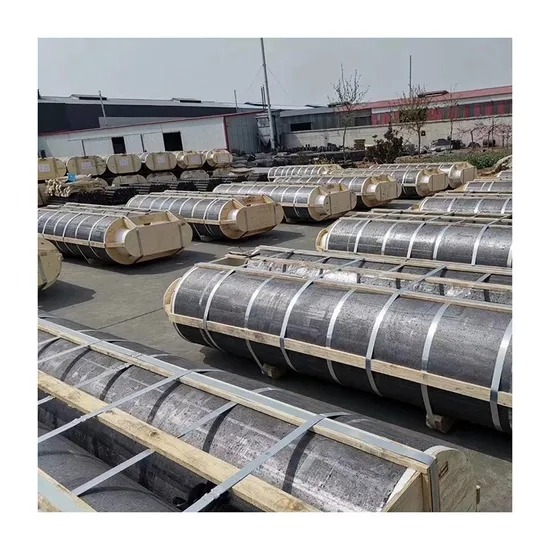
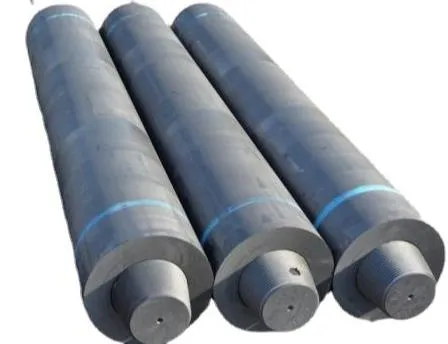
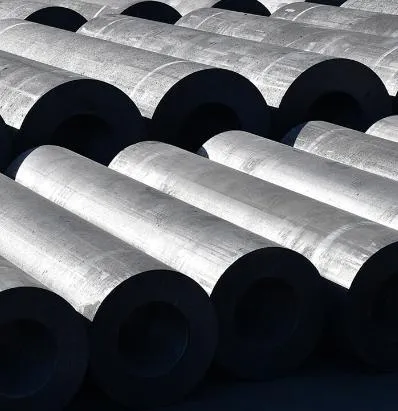
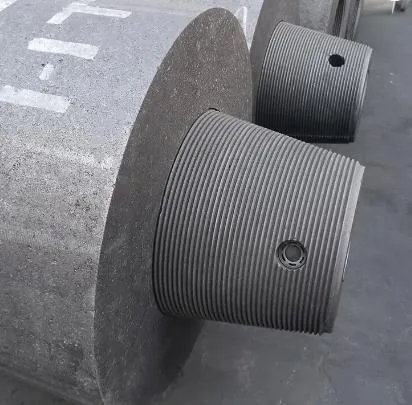
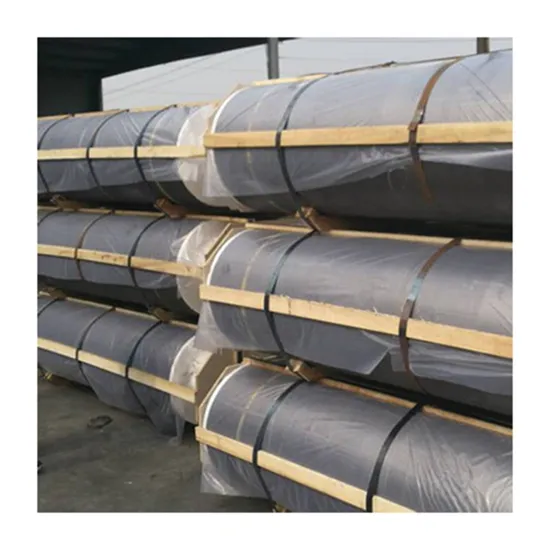
Eaf Graphite Electrodes are… well, they’re really the heart of electric arc furnace (EAF) steelmaking, aren’t they? Frankly, a lot of folks outside the industry don’t even give them a second thought, but to anyone running an EAF, these electrodes are absolutely critical. We’re talking about performance, cost, and ultimately, profitability. It’s not just about shoving electricity into scrap metal; it's about how you do it, and the electrode is the key. At NL Graphite, we focus on delivering electrodes that consistently outperform, particularly when it comes to durability and minimizing downtime.
Table of Contents
- Eaf Graphite Electrodes: A Deeper Dive
- Applications and Key Benefits
- Cost Analysis & Vendor Landscape
- Future Trends & Sustainability
Eaf Graphite Electrodes: A Deeper Dive
These aren’t just chunks of carbon, you know. The quality of the graphite, the precise blend of raw materials, the manufacturing process… it all adds up. We're talking about high-purity graphite, carefully processed to create electrodes with specific electrical conductivity and mechanical strength. It’s a balancing act, really. You need something that can handle incredibly high temperatures – we’re talking upwards of 3500°C – without crumbling or oxidizing too quickly. Here's a quick look at some typical specs:
| Parameter | Specification | Units |
|---|---|---|
| Diameter | 250 – 600 | mm |
| Length | 1800 – 2400 | mm |
| Electrical Resistivity | 2.5 – 7 | µΩm |
| Ash Content | ≤ 0.5 | % |
Applications and Key Benefits
The main application, of course, is EAF steelmaking. But it's not just about making steel. These electrodes are also used in ferroalloy production – things like silicon manganese, ferrosilicon… stuff you’ve probably never heard of but that’s essential for creating specialized alloys. The benefits? Reduced power consumption, lower electrode breakage rates (which means less downtime, a big one), and improved steel quality. I suppose the biggest win is consistently minimizing operational costs. We’ve had customers report significant savings – in some cases, upwards of 10% – just by switching to our electrodes.
Cost Analysis & Vendor Landscape
The initial cost of Eaf Graphite Electrodes can vary, obviously, based on size, grade, and quantity. But, it’s really about the total cost of ownership. Cheaper electrodes might break more frequently, requiring more frequent changes and ultimately costing more in downtime and labor. Here's a quick comparison of a few key players:
| Vendor | Price Range (per ton) | Typical Breakage Rate | Lead Time |
|---|---|---|---|
| NL Graphite | $3,500 - $4,800 | 0.8 – 1.2% | 4 – 6 weeks |
| Graphite Solutions Inc. | $3,200 - $4,500 | 1.0 – 1.5% | 6 – 8 weeks |
| Global Graphite Co. | $3,000 - $4,200 | 1.2 – 1.8% | 8 – 10 weeks |
Future Trends & Sustainability
There’s a big push, understandably, towards more sustainable steelmaking. That means reducing carbon footprints, and that includes looking at the entire electrode lifecycle. Many engineers are exploring ways to recycle graphite, although it's not easy. We’re also seeing a trend towards electrodes with lower ash content, which improves efficiency and reduces environmental impact. And frankly, the demand is only going to increase as the world needs more steel, particularly for infrastructure projects.
Frequently Asked Questions about Eaf Graphite Electrodes
- What is Eaf Graphite Electrodes and how does it work?
- Eaf Graphite Electrodes are essentially massive carbon rods used to melt scrap metal in an electric arc furnace. They conduct a high-voltage electrical current, creating an arc that generates intense heat, melting the scrap and allowing for steel production.
- What are the main benefits of using Eaf Graphite Electrodes in industrial applications?
- The main benefits include high thermal conductivity for efficient melting, excellent electrical conductivity, resistance to thermal shock, and relatively low cost compared to alternative materials. They also contribute to consistent steel quality.
- How does Eaf Graphite Electrodes compare to traditional alternatives?
- Compared to older methods like open-hearth furnaces, EAFs with graphite electrodes offer faster melting times, better control over steel composition, and reduced environmental emissions. They’re much more efficient and adaptable to different scrap qualities.
- What industries can benefit most from Eaf Graphite Electrodes implementation?
- The primary industry is steelmaking, but they're also used in ferroalloy production (e.g., silicon manganese, ferrosilicon), and some specialized metallurgical processes. Any industry requiring high-temperature melting of metallic materials can potentially benefit.
Conclusion
Ultimately, choosing the right Eaf Graphite Electrodes isn’t just about price. It’s about finding a supplier – like NL Graphite – that understands your specific needs and can deliver a product that consistently performs. It’s a critical component, and getting it right can make a huge difference to your bottom line. Visit our website: https://www.nlgraphite.com.
- Don’t underestimate the importance of electrode quality – it truly impacts efficiency.
 Pervious
 Next
Next