

- Englist


EAF Graphite Electrodes | UHP, Low Wear, Fast Delivery

What’s Actually Changing With EAF Graphite Electrodes in 2025
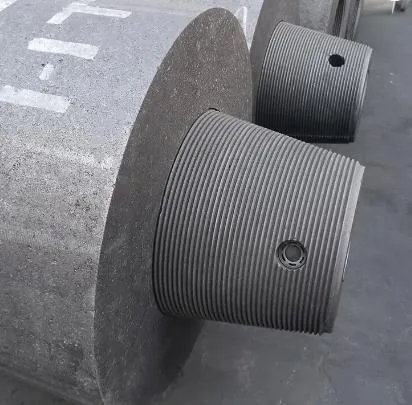
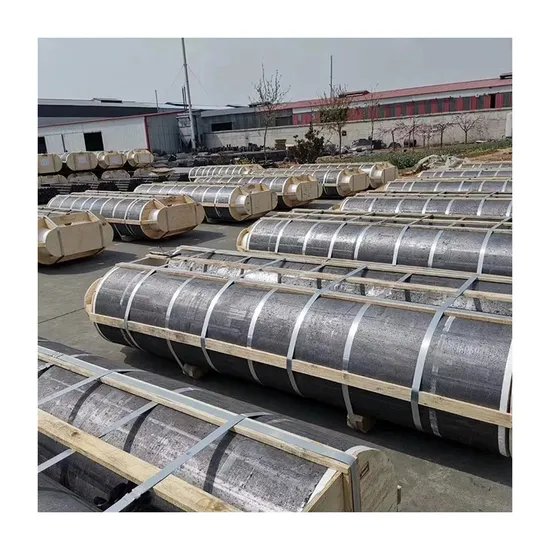
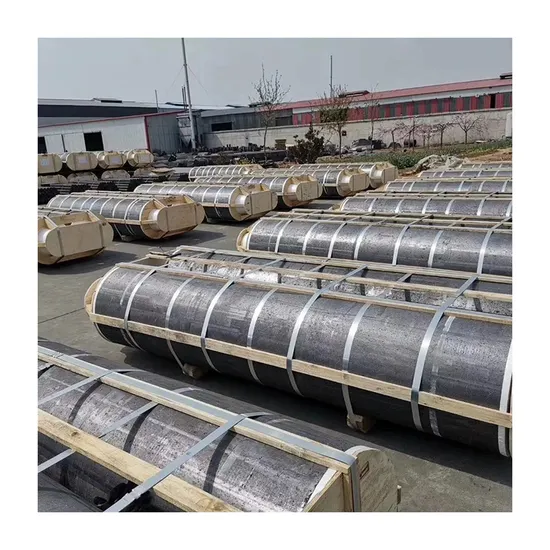
I’ve been around melt shops long enough to spot a real improvement from a brochure promise. When mills ask me about Eaf Graphite Electrodes, they’re usually wrestling with consumption rates, erratic arcs, or—lately—supply chain hiccups. This product, the EAF Wholesale Electrode Stick Customized Wear Resistance Carbon Graphite Electrode (made in Hebei, China; production capacity ≈1500 t/month), has been turning a few heads, to be honest.
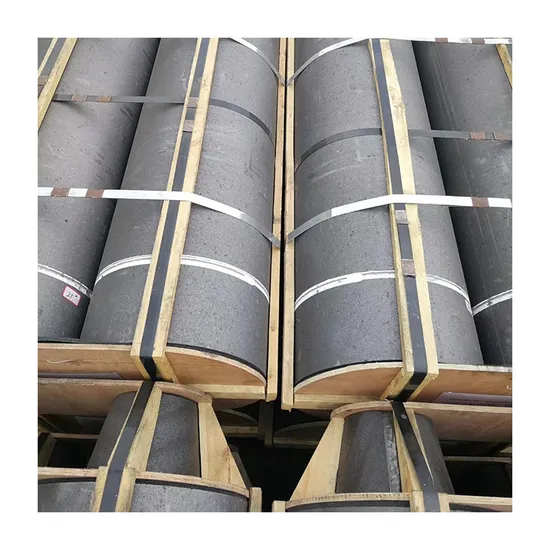
Industry snapshot
EAF capacity is still expanding as scrap utilization rises and decarbonization targets tighten. Mills want higher current densities and lower electrode consumption (many customers say 1.5–1.8 kg/t is the sweet spot, though real-world use may vary). Needle coke availability is steadier than it was in 2021–22, but quality dispersion remains a thing. So, yes, reliable, consistent Eaf Graphite Electrodes matter more than ever.
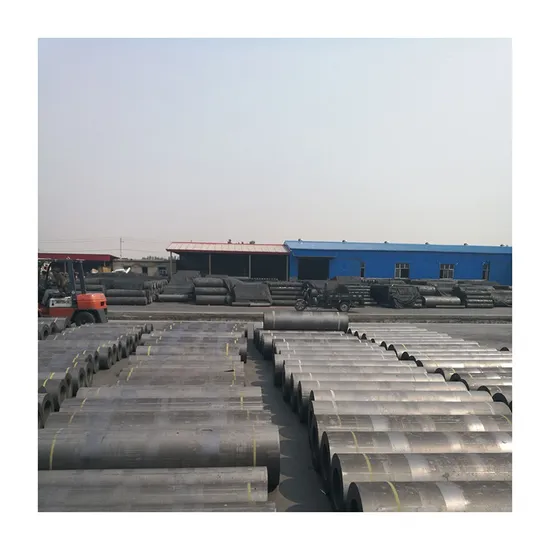
Process flow (how it’s made, the short version)
- Materials: petroleum needle coke + coal pitch (high-carbon base).
- Calcination → crushing/screening → optimized particle size distribution.
- Kneading & extrusion (forming way: extruded graphite for stable green strength).
- Baking → multiple pitch impregnations (as needed) → rebake for density gain.
- Graphitization (Acheson or LWG furnaces) to align crystals and drop resistivity.
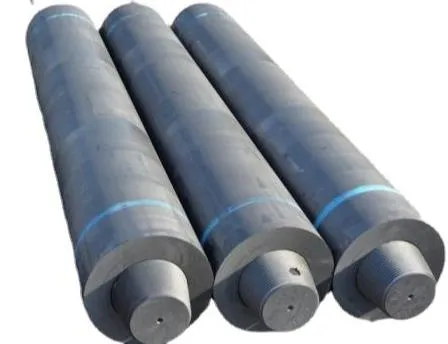
- Precision machining, nipple threading (3TPI/4TPI), and full QC.
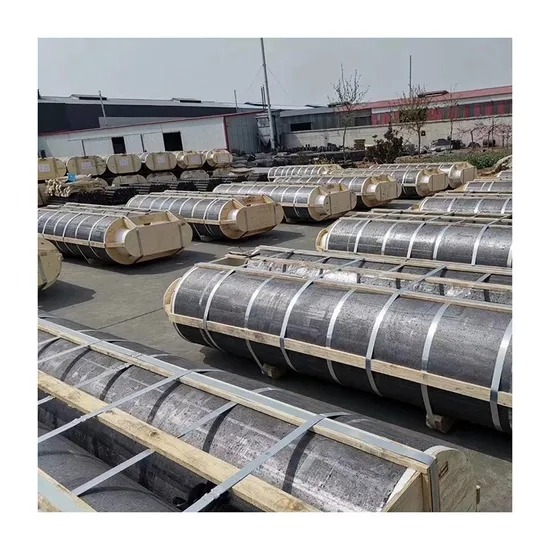
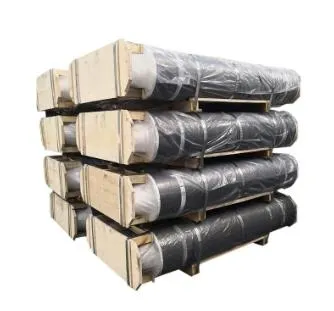
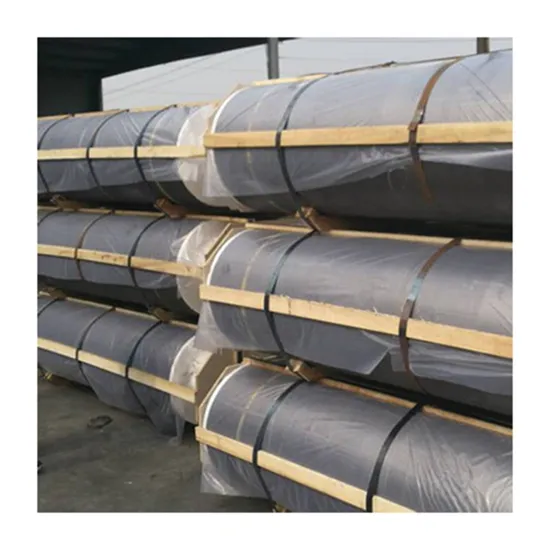
- Packing: wooden box; delivery time: usually 7–10 days ex Hebei.
Testing standards typically referenced: ASTM C611 (electrical resistivity), ASTM C695 (compressive strength), ASTM C749 (flexural), ISO 9001/14001 for systems, plus YB/T 4088-2015 and IEC/EN 60239 for geometry/tolerances. In practice, mills also run shop-floor acceptance tests: arc stability, nipple torque, and joint integrity checks.
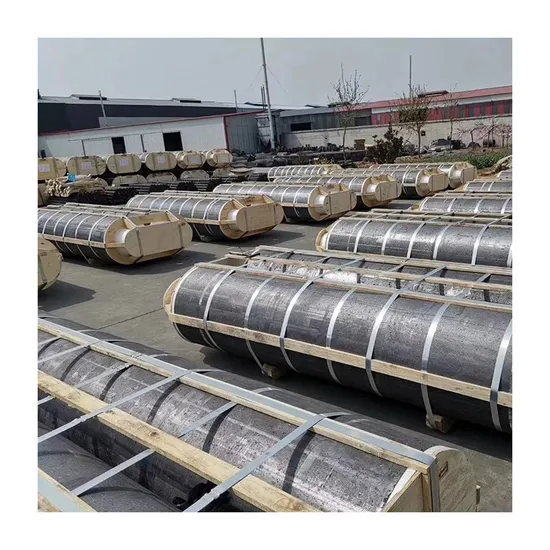
Key specifications (typical, indicative)
| Type | UHP / HP / RP |
| Length | 1600–2800 mm (actual), ≈ tolerance per IEC/EN 60239 |
| Diameter options | ≈200–700 mm (common market range; confirm availability) |
| Bulk density | ≈1.65–1.75 g/cm³ (UHP), around 1.60–1.70 (HP/RP) |
| Electrical resistivity | ≈4.5–6.5 μΩ·m (UHP), 6.0–7.5 (HP), 7.5–9.0 (RP) |
| Flexural strength | ≈10–15 MPa |
| Application | Metallurgy (EAF steel, LF refining), silicon metal, ferroalloy |
Service life: many shops report consumption around 1.3–1.9 kg/t of liquid steel with Eaf Graphite Electrodes when oxygen lancing is optimized and secondary metallurgy is dialed in.
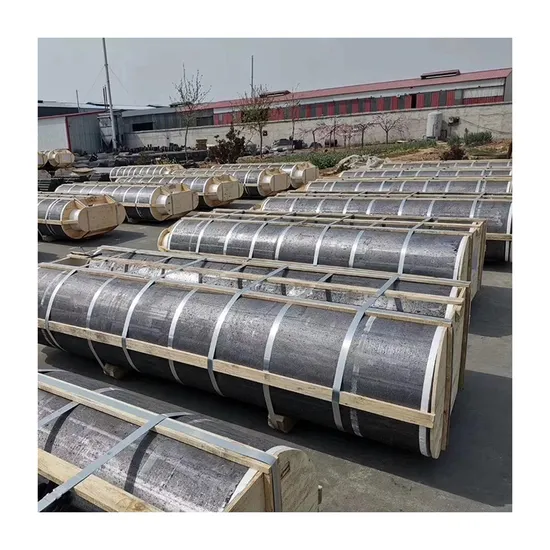
Where they shine (usage scenarios)
- High-power EAFs targeting faster tap-to-tap times.
- Ladle furnaces needing stable arcs for precise chemistry/temperature.
- Foundries and ferroalloy shops with variable scrap chemistry (surprisingly, consistency helps more than peak current).
Advantages noted by operators: steady arcs, fewer nipple breaks, and lower oxidation in door/roof hot spots—assuming housekeeping (spray cooling, slag foaming) isn’t neglected.
Vendor comparison (quick look)
| Vendor | Customization | Lead time | Testing & Standards | Notes |
|---|---|---|---|---|
| NL Graphite (Hebei) | Length, grade, nipple spec (3TPI/4TPI) | 7–10 days (around) | ASTM/IEC/GB; mill test reports provided | 1500 t/month capacity; wooden box export |
| Vendor A | Limited sizes | 10–21 days | ASTM partial | MOQ higher; variable stock |
| Vendor B | Custom nipples only | ≈14 days | EN/ISO focus | Good documentation; price premium |
Customization and real-world stories
Case 1 (SEA mini-mill, 60–70 kA EAF): after switching to Eaf Graphite Electrodes with optimized 4TPI nipples and slightly higher bulk density, electrode consumption fell from ≈2.2 to 1.55 kg/t; arc stability alarms dropped by ~30% (shop data).
Case 2 (LF in ME region): RP grade was replaced by HP due to longer refining cycles; fewer joint re-tightens, predictable wear cone. “It just runs smoother,” their shift supervisor told me—casual but telling feedback.
Certifications typically offered: ISO 9001, ISO 14001, ISO 45001; compliance with RoHS isn’t central here, but environmental docs are often available on request.
Bottom line
If you’re chasing faster melts with consistent scrap, these Eaf Graphite Electrodes offer a practical balance of resistivity, density, and joint integrity. Just don’t skip the basics: proper torque, slag foaming, and cooling. That’s where the last 0.2 kg/t hides.
References
- World Steel Association — Electric Arc Furnace trends and statistics: worldsteel.org
- ASTM C611 — Standard Test Method for Electrical Resistivity of Manufactured Carbon and Graphite Products: astm.org
- IEC/EN 60239 — Graphite electrodes for electric arc furnaces (dimensions/tolerances): iec.ch
- YB/T 4088-2015 — Graphite Electrodes (China Industry Standard): standards portal (CN)
 Pervious
 Next
Next