

- Englist


Graphite Block Material | High Purity, Dense & Machinable

A Field Note on Graphite Block Material: specs, trends, and what buyers actually say
If you spend time around steel melt shops or precision foundries, you’ll notice something: demand for Graphite Block Material is quietly climbing. EAF steel capacity is expanding, battery and semiconductor tooling need purer carbon, and maintenance crews—who are famously skeptical—have been reporting steadier wear rates. To be honest, the story here isn’t glamorous, but it’s very real-world.
Where it’s coming from and what it’s for
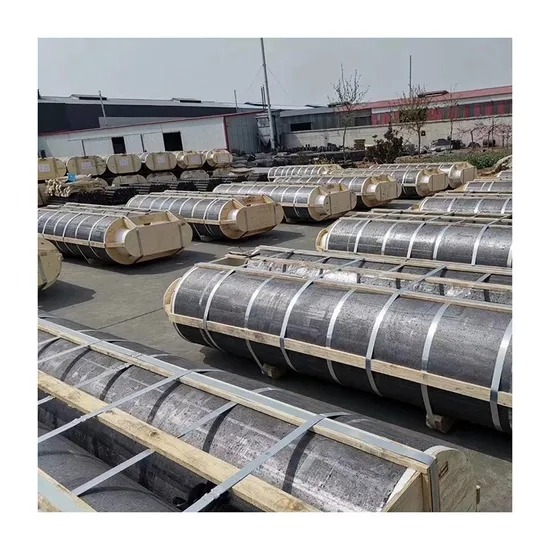
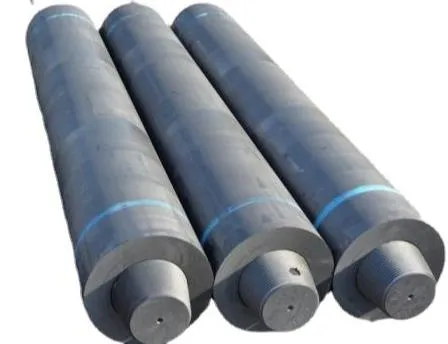
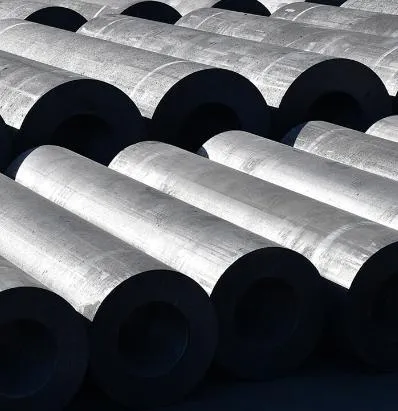
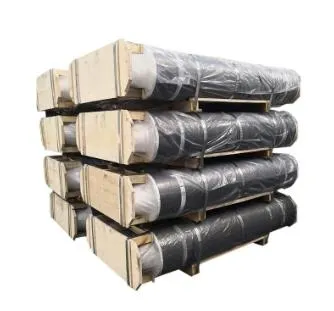
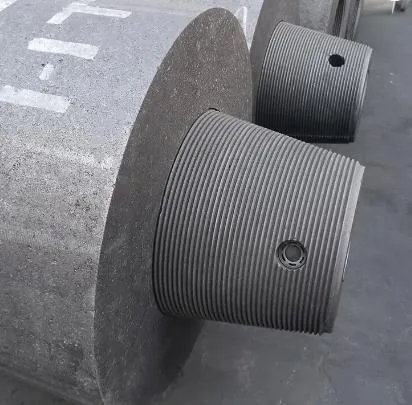
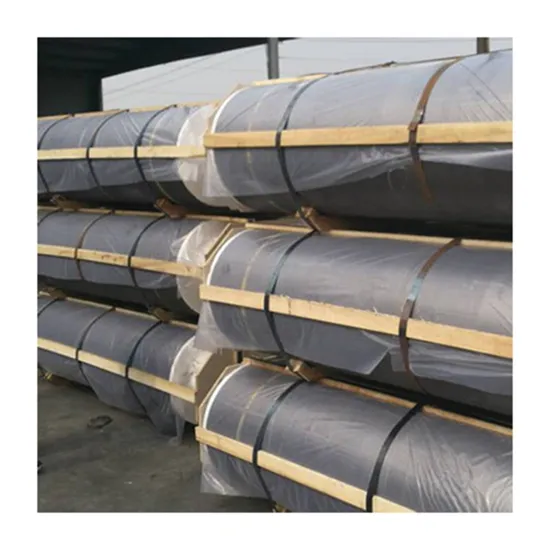
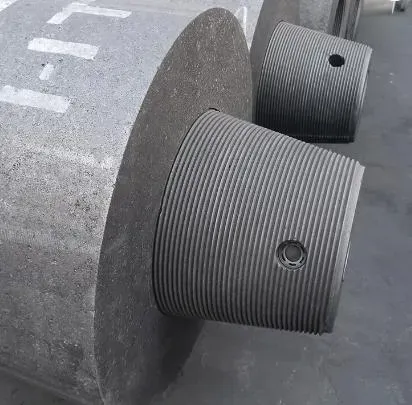
This note focuses on blocks derived from electrode-grade stock—yes, the same lineage as “Produce Graphite Electrodes Use for Electric Arc Furnace Ladle Furnace.” Origin: Qiujing Yiyuan, No. 189, East 2nd Ring North Road, Chang’an District, Shijiazhuang, Hebei province. Customization: available. Application area: smelt. Manufacturing technique: machining. In practice, Graphite Block Material ends up as EAF/LF fixtures, furnace seals, slide rails, jigs, heat-treatment carriers, EDM blanks, and even diffusion boats when high purity is specified.
Industry trend check
EAF steelmaking is gaining share (energy-flexible, lower CO₂ when paired with scrap). That means steadier pull for electrode-grade carbon blocks. Add in PV/semiconductor thermal parts (where purity and isotropy matter), and you get a market that’s not flashy, but consistently healthy. Many buyers say lead time reliability now matters as much as price.
Process flow (how the good blocks are made)
Materials: needle coke/petroleum coke + coal tar pitch binder. Methods: molding or isostatic pressing → baking → impregnation (as needed) → rebake → high-temperature graphitization (≈2800–3000°C) → precision machining. Testing: ASTM C559 (bulk density), ASTM C611 (electrical resistivity), ASTM C651 (flexural), GB/T 3074 series (carbon testing), YB/T 4076 (graphite electrodes). Real-world service life varies with slag chemistry, thermal cycling, and current density.
Typical specifications (electrode-grade blocks)
| Parameter | Value (≈, real-world use may vary) | Test/Note |
|---|---|---|
| Bulk density | 1.68–1.85 g/cm³ | ASTM C559 / GB/T 3074 |
| Electrical resistivity | 5.5–10 μΩ·m | ASTM C611 |
| Flexural strength | 15–35 MPa | ASTM C651 |
| Compressive strength | 60–120 MPa | GB/T 3074 |
| Thermal conductivity | 80–130 W/m·K | At 25°C |
| Ash (purity) | ≤0.3% | EDX/ICP as needed |
Applications and service life
- EAF/LF seals, holders, rails: stable under thermal shock; often 3–9 months between swaps in harsh cycles.
- EDM/Tooling: fine-grain Graphite Block Material machines cleanly; surface finish is consistent.
- Heat treatment carriers and kiln furniture: oxidation is the limiter—consider coatings or inert atmospheres.
Field data, one steel plant: resistivity avg 6.5 μΩ·m; ash 0.21%; flexural 28 MPa. Their maintenance team told me they saw ~7% lower consumption on holders after switching—small but it adds up.
Vendor snapshot (what buyers compare)
| Vendor | Density (≈) | Customization | Lead Time | Certs | Notes |
|---|---|---|---|---|---|
| NLG (Hebei, China) | 1.70–1.82 g/cm³ | Machining to print | 2–5 weeks | ISO 9001/14001 | Balanced cost-performance |
| Imported EU brand | 1.78–1.85 g/cm³ | Wide grades | 6–10 weeks | ISO/IATF | Higher purity options; pricier |
| Local distributor | 1.65–1.75 g/cm³ | Limited sizes | Stock-to-1 week | Varies | Fast but uneven specs |
Customization and QA
CNC machining to print, drilled/cored blocks, and oxidation-resistant coatings are routine. Look for mill certs with resistivity, density, ash, and strength. For heat-sensitive lines, ask for impurity maps (Fe, S, Ca) and a C of C traced to ASTM/GB standards. Honestly, that paperwork saves you later.
Quick case notes
- EAF shop (200t): fixture swap interval +18% after switching holders to Graphite Block Material with lower ash.
- Foundry EDM: 12 μm grain block cut tool time by ~9% vs older stock; finish improved one class.
Citations
- ASTM C611 – Electrical Resistivity of Manufactured Carbon and Graphite.
- ASTM C651 – Flexural Strength of Manufactured Carbon and Graphite.
- ASTM C559 – Bulk Density by Physical Measurements of Carbon and Graphite Articles.
- GB/T 3074 – Test Methods for Carbon Materials.
- YB/T 4076 – Graphite Electrodes (industry standard reference).
- ISO 9001:2015 – Quality Management Systems (certification framework).
 Pervious
 Next
Next