

- Englist


Graphite Electrodes for Electric Arc Furnaces: A Comprehensive Guide

Understanding Graphite Electrodes for Electric Arc Furnace Applications
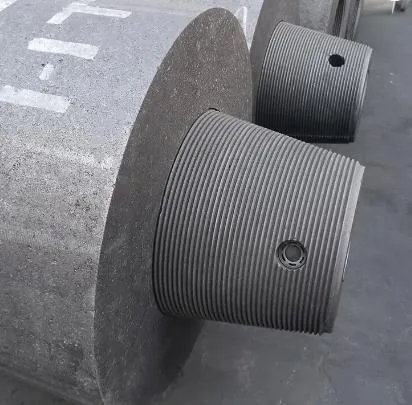
Graphite electrodes for electric arc furnaces, honestly, they’re not the most glamorous part of steelmaking. But they're fundamental. Without them, you’re not melting scrap, you’re not making new steel, you’re…well, you’re stuck. They’re the conduit for the massive electrical current needed to reach those insane temperatures – upwards of 3600°F. It’s a brutal environment, frankly. And the performance of these electrodes directly impacts production efficiency, steel quality, and operational costs. I suppose it’s easy to take them for granted until one fails unexpectedly. That's where the quality really matters.
Table of Contents
- Graphite Electrode Basics
- Applications & Advantages
- Cost & Performance
- Market Dynamics & Sustainability
Graphite Electrode Basics
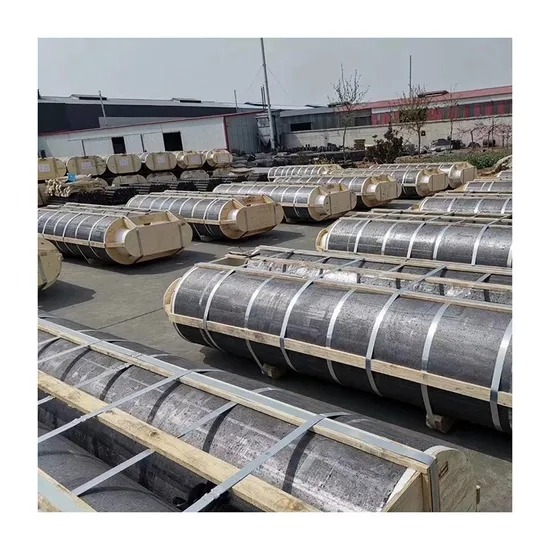
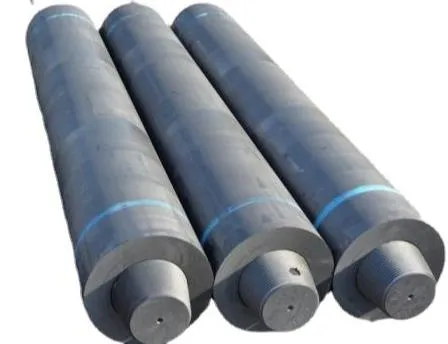
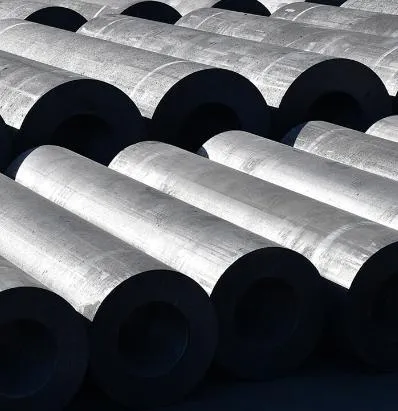
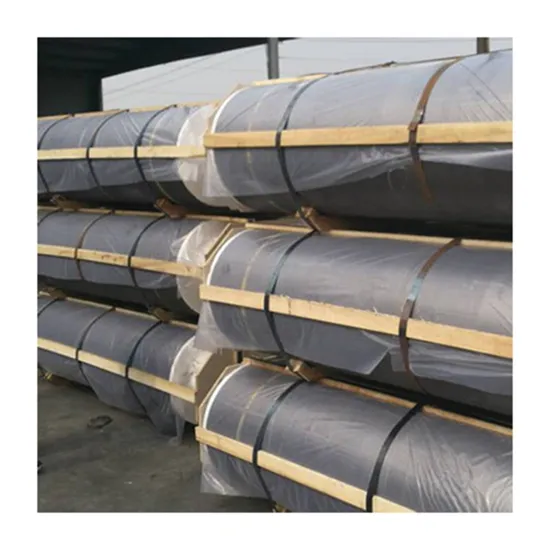
These aren’t just chunks of graphite, you know. They’re incredibly engineered products. Typically made from petroleum coke – a byproduct of oil refining – mixed with a binder, then formed, baked, and graphitized at very high temperatures. The resulting material needs to be incredibly conductive, mechanically strong, and resistant to thermal shock. It’s a delicate balance. The diameter and length vary significantly depending on the furnace size and steel grade being produced. Here's a quick spec overview:
| Specification | Typical Value | Units |
|---|---|---|
| Diameter | 300 - 600 | mm |
| Length | 1800 - 2700 | mm |
| Electrical Resistivity | 2 - 6 | µΩcm |
Applications & Advantages
The primary application, obviously, is in electric arc furnaces for steel production. But they’re also used in ladle refining, vacuum degassing, and even some ferroalloy production. The big advantages? High electrical conductivity, obviously. But also, their ability to withstand extreme temperatures and mechanical stress. A good electrode minimizes power consumption, reduces electrode breakage, and ultimately increases steel output. I noticed, talking to a plant manager in Ohio, they really emphasized the impact on minimizing downtime – every minute of arc furnace downtime is expensive.
Cost & Performance
The cost of graphite electrodes can vary wildly depending on the grade, size, and supplier. It's not just the initial purchase price, though; you have to factor in consumption rates, breakage rates, and the cost of associated materials like electrode paste. Many engineers say that focusing solely on the lowest upfront cost is a mistake. A slightly more expensive, higher-quality electrode can often pay for itself through increased efficiency and reduced downtime. Here’s a quick vendor comparison, though it’s important to get specific quotes for your application:
| Vendor | Price Range (USD/kg) | Lead Time | Typical Grade |
|---|---|---|---|
| NL Graphite | $4.50 - $6.00 | 4-6 weeks | UHP |
| Showflake Graphite | $4.00 - $5.50 | 6-8 weeks | HP |
| SGL Carbon | $5.00 - $7.00 | 4-6 weeks | UHP |
Market Dynamics & Sustainability
The market for graphite electrodes is closely tied to the global steel industry, obviously. Demand is influenced by factors like construction activity, infrastructure projects, and automotive production. There’s also increasing pressure to improve sustainability. Electric arc furnaces, in general, are considered more environmentally friendly than basic oxygen furnaces because they can utilize a higher percentage of scrap steel. The industry is exploring ways to reduce the carbon footprint of electrode production itself, including using more sustainable raw materials and optimizing manufacturing processes. It feels like that’s the direction things are heading…at least, it has to be.
Frequently Asked Questions about Graphite Electrodes Electric Arc Furnace
- What is Graphite Electrodes Electric Arc Furnace and how does it work?
- Graphite Electrodes Electric Arc Furnace utilizes high-powered electric arcs to generate intense heat, melting scrap metal or raw materials in an arc furnace. Graphite electrodes act as a conductive pathway for electricity, facilitating the heating process and enabling efficient metal production.
- What are the main benefits of using Graphite Electrodes Electric Arc Furnace in industrial applications?
- Key benefits include efficient heating, high conductivity, excellent thermal stability, and suitability for large-scale metal melting processes. Their durability and reliability minimize downtime and enhance overall production efficiency.
- How does Graphite Electrodes Electric Arc Furnace compare to traditional alternatives?
- Compared to traditional methods like open-hearth furnaces, Graphite Electrodes Electric Arc Furnace offer faster heating rates, better temperature control, and reduced emissions, contributing to more sustainable and cost-effective operations.
- What industries can benefit most from Graphite Electrodes Electric Arc Furnace implementation?
- Industries such as steel manufacturing, ferroalloy production, and metal recycling greatly benefit from the technology, enhancing their production capabilities and environmental performance.
Conclusion on Graphite Electrodes Electric Arc Furnace from china
Ultimately, choosing the right graphite electrode is a critical decision for any steelmaker. It's not just about the price tag; it's about reliability, performance, and the long-term impact on your bottom line. Getting the right grade, sourced from a reputable supplier like NL Graphite, can make all the difference.
- - "Visit our website: https://www.nlgraphite.com"
 Pervious
 Next
Next