

- Englist



Graphite Fine Powder Extra Pure – Specifications, Uses & Future Trends

Why Graphite Fine Powder Extra Pure Matters to Industry and Innovation
Graphite fine powder extra pure might sound like one of those niche industrial materials that only engineers and chemists obsess over, but it actually plays a much bigger role globally than most realize. From the batteries powering your electric car to the high-tech lubricants in aerospace machinery, this material's ultra-pure form is critical. Understanding what sets "extra pure" graphite fine powder apart, and why it’s becoming a linchpin in multiple sectors, unlocks not only the secrets of modern manufacturing but also hints at future advancements in clean energy and sustainable technologies.
Introduction: The Global Significance of Graphite Fine Powder Extra Pure
Let’s put things into perspective: according to the United States Geological Survey and data from the International Energy Agency, global graphite demand is forecasted to rise exponentially—largely driven by the battery sector for electric vehicles and energy storage. Graphite fine powder extra pure, distinguished by its high carbon content and low impurities, is essential for producing efficient, long-lasting lithium-ion battery anodes.
However, this demand exposes some challenges. Graphite mining and refining can be environmentally taxing, and not all suppliers meet the higher standards necessary for “extra pure” quality. As industrial applications grow, so does the pressure to find reliable, sustainable sources of this key material.
What Exactly Is Graphite Fine Powder Extra Pure?
In the simplest terms, graphite fine powder extra pure is finely ground graphite with a purity level typically exceeding 99.9% carbon. This means minimal contamination by sulfur, ash, or other minerals that can hamper performance.
Why does purity matter? Well, impurities can interfere with electrical conductivity and thermal stability, which are paramount in industries like electronics, pharmaceuticals, and lubricants.
It’s not just about purity for purity’s sake—it connects directly to modern needs, from ensuring reliable, safe energy storage in electric grids to supporting humanitarian efforts where durable, efficient materials are required in remote locations.
Mini Takeaway:
Graphite fine powder extra pure is a microscopic powerhouse whose high purity is the backbone of many critical modern technologies.
Core Aspects of Graphite Fine Powder Extra Pure
1. Purity and Particle Size
Purity above 99.9% ensures fewer defects in final products, while the particle size (usually below 50 microns) affects flowability and surface area — important for consistent mixes in composites or battery electrodes.
2. Electrical Conductivity
Graphite’s ability to conduct electricity is crucial, especially in battery anodes. Extra pure graphite enhances efficiency by reducing resistance losses.
3. Thermal Stability
Materials that need to operate at high temperatures—think aerospace or advanced manufacturing—rely heavily on graphite’s heat resistance.
4. Lubrication Properties
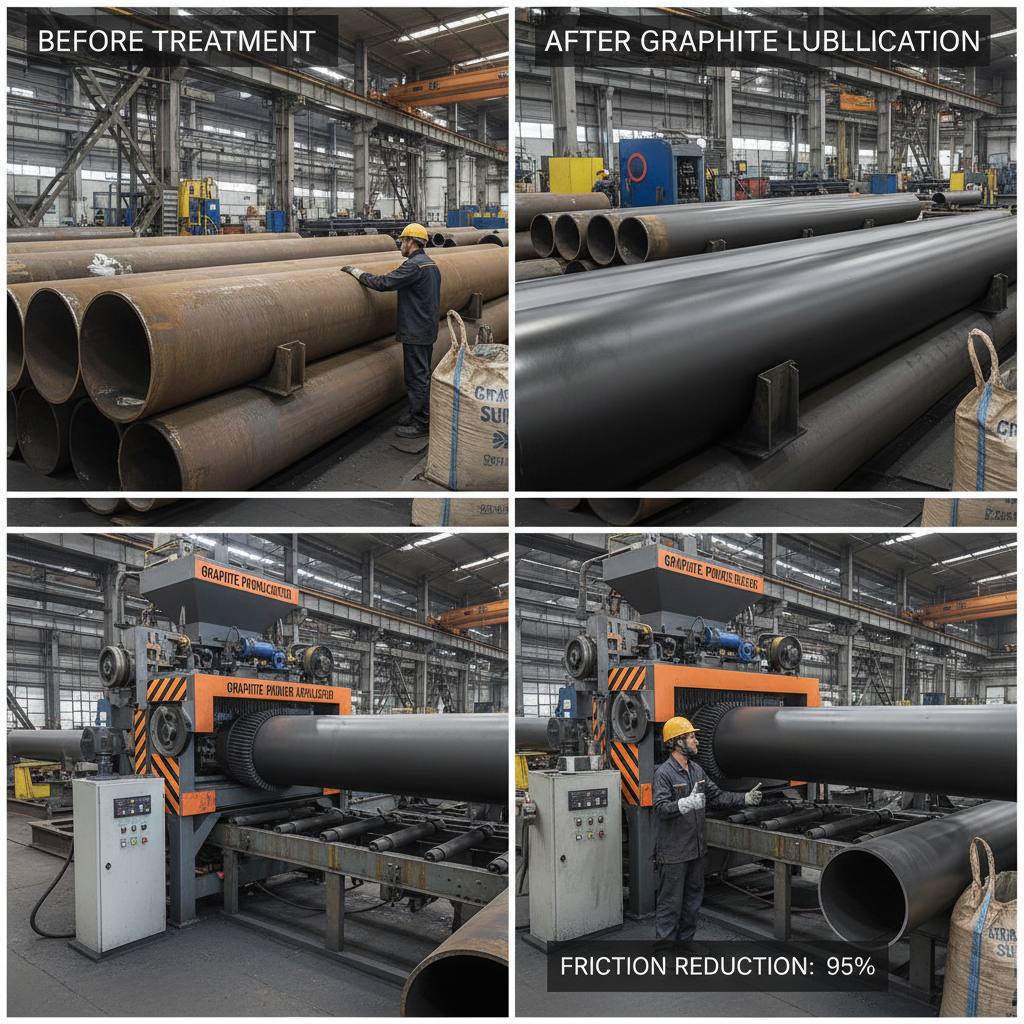
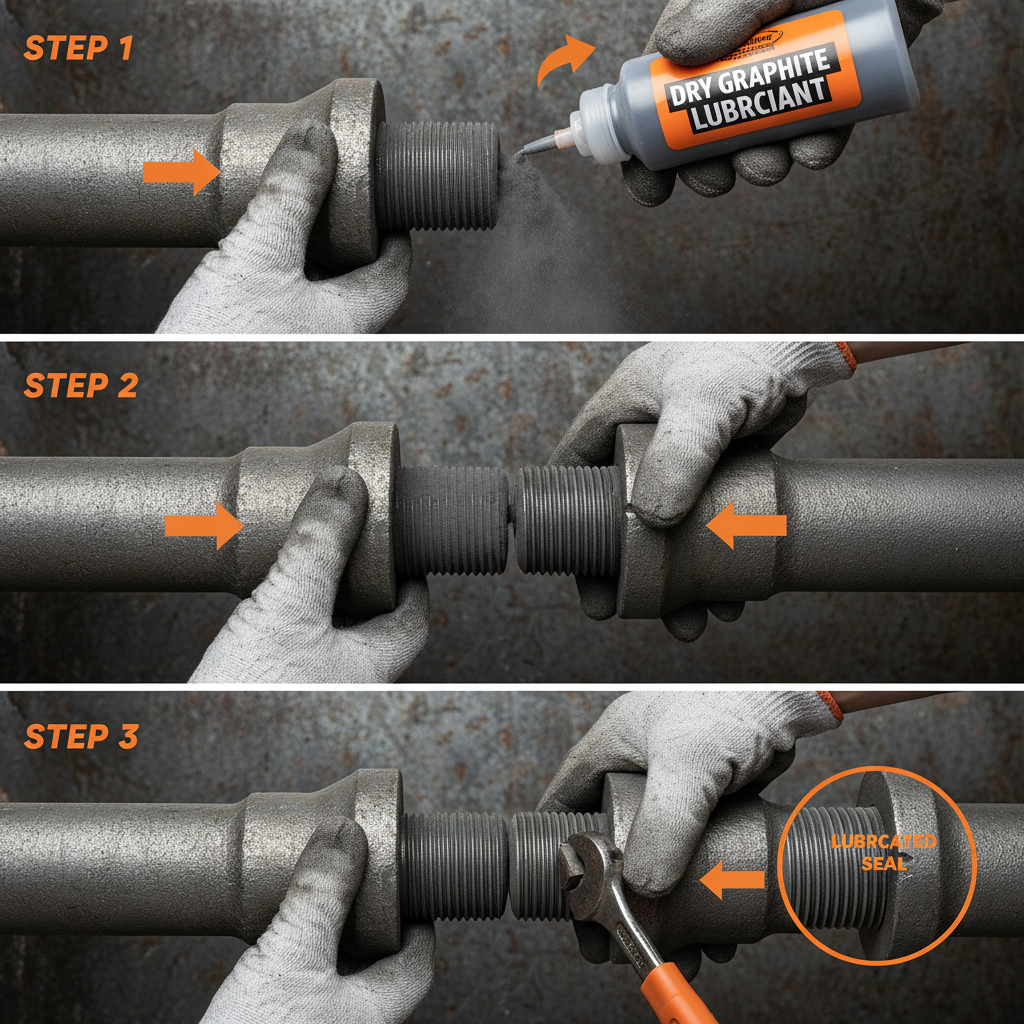
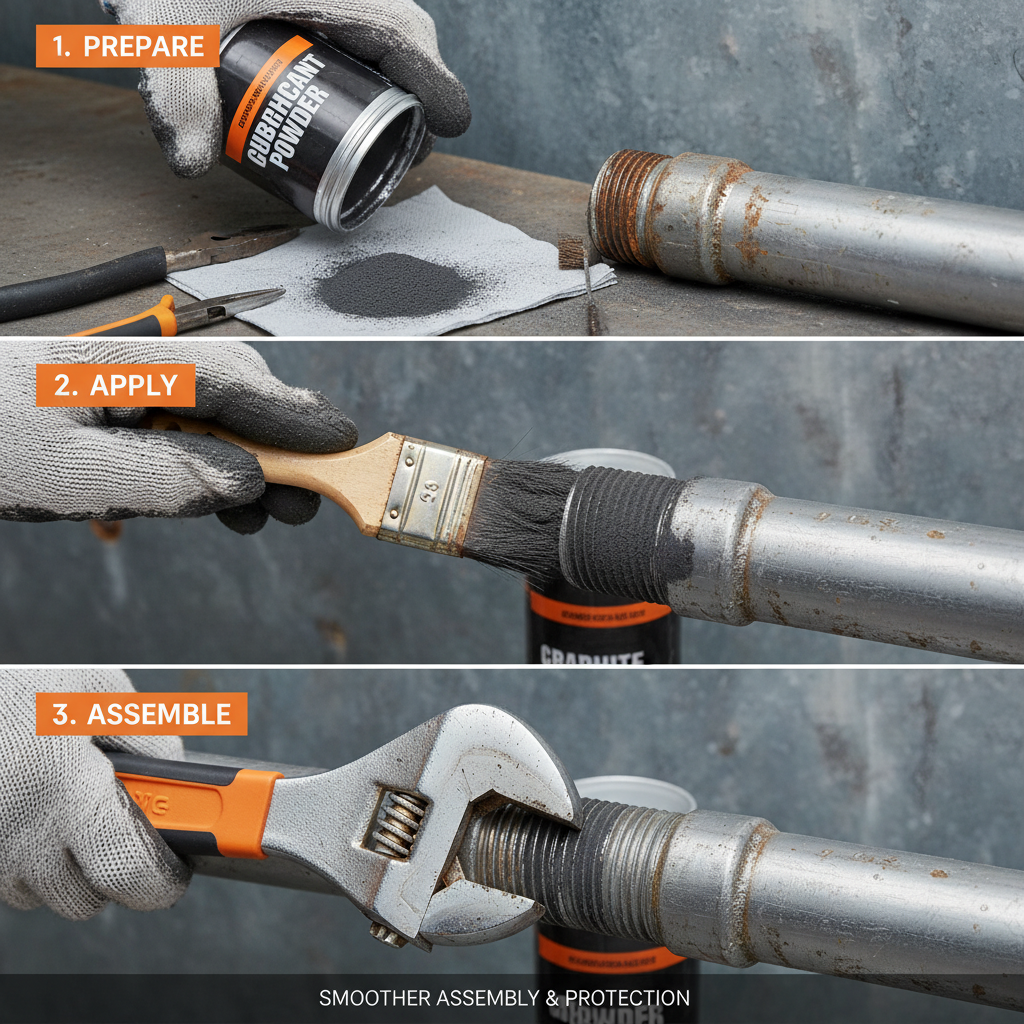
Its layered structure allows graphite to act as a dry lubricant in harsh environments where liquid lubricants fail.
5. Chemical Inertness
Extra pure graphite tends not to react chemically in aggressive environments, making it ideal for protective coatings or specialized chemical processing.
Mini Takeaway:
Every characteristic of graphite fine powder extra pure adds up to a versatile material that’s tough to beat in high-performance applications.
How Is Graphite Fine Powder Extra Pure Used Around the World?
Real-world uses are as varied as you’d expect. In Asia—especially China, a leading producer—graphite fine powder fuels the booming lithium-ion battery manufacturing industry. European aerospace companies incorporate it into thermal insulation and lightweight composite materials. Meanwhile, in North America, there’s growing interest in using this material for green tech applications, such as hydrogen fuel cells.
Humanitarian groups also find graphite powder helpful. For example, in disaster-stricken zones, ultra-pure graphite components help fabricate durable electronics for communication devices under extreme conditions—devices that save lives.
Mini Takeaway:
The applications of graphite fine powder extra pure cross borders and sectors—from clean tech hubs to humanitarian relief zones.
Advantages and Long-Term Benefits
- Cost Efficiency: Though extra pure powder costs more upfront, it reduces failure rates and extends product life, saving money long term.
- Sustainability: Fewer impurities mean less waste and less processing, dovetailing with green manufacturing principles.
- Reliability & Safety: Industries using this powder benefit from consistent performance—critical in fields like aerospace and medical devices.
- Innovation Driver: Superior materials allow manufacturers to push the envelope—think smaller, lighter, and longer-lasting batteries.
Product Specification Table
| Specification | Typical Value |
|---|---|
| Purity (Carbon content) | ≥ 99.9% |
| Particle Size (D50) | 10 - 50 microns |
| Ash Content | ≤ 0.1% |
| Moisture | ≤ 0.5% |
| Specific Surface Area | 5 - 15 m²/g |
Comparing Top Vendors of Graphite Fine Powder Extra Pure
| Vendor | Purity (%) | Consistency | Global Reach | Eco Certifications |
|---|---|---|---|---|
| NL Graphite | 99.95 | Very High | International | ISO 14001 |
| GrapheneX | 99.90 | High | Regional | None |
| PureCarbon Inc. | 99.92 | Medium | International | RoHS |
Looking Into the Future: Trends and Innovations
The future of graphite fine powder extra pure is exciting. With the global push toward electrification and green energy, demand for even purer, more consistent powders is rising. New refining technologies aim to reduce environmental footprint and increase scalability. Some labs explore hybrid materials combining graphene with fine graphite powder for improved conductivity and strength.
Automation in material processing promises tighter quality control, and political pressures may push suppliers toward greener certifications. On a policy side, tighter ISO standards for battery materials are expected, making "extra pure" an even more critical marker.
The Challenges And How They’re Tackled
Of course, there are hurdles. Obtaining ultra-pure graphite is energy intensive and can produce waste by-products. Not every supplier can guarantee the consistency demanded today — annoying for industries where a tiny fluctuation ruins entire batches. Supply chain disruptions and geopolitical tensions also make sourcing a headache.
Innovative approaches like recycling spent graphite from used batteries, or using microwave-assisted purification, are beginning to alleviate some pressures. Plus, some companies increase transparency with blockchain tracking, so purchasers know exactly what they're getting. A clever way to build trust—especially when purity has to be absolute.
FAQ About Graphite Fine Powder Extra Pure
Q1: What distinguishes extra pure graphite fine powder from regular graphite powder?
A1: Primarily, the purity level—extra pure graphite fine powder typically has carbon content above 99.9%, meaning minimal impurities like ash or sulfur. This ensures better electrical conductivity, stability, and performance in sensitive applications like batteries and aerospace materials.
Q2: How is graphite fine powder extra pure tested for quality?
A2: Common methods include X-ray fluorescence (XRF) for elemental analysis, particle size distribution measured by laser diffraction, and ash content tests. High-end suppliers usually follow ISO or ASTM standards to guarantee consistent quality batch after batch.
Q3: Can graphite fine powder extra pure be used in environmentally friendly products?
A3: Yes! Its chemical inertness and high purity make it suitable for clean energy applications like lithium-ion batteries and hydrogen fuel cells. Moreover, many suppliers now adhere to environmental standards to reduce processing emissions.
Q4: What industries benefit most from this material?
A4: Batteries (especially EVs), aerospace components, lubricants, electronics, and even the pharmaceutical industry need ultra-pure graphite fine powder to maintain high performance and safety standards.
Conclusion: Why You Should Care About Graphite Fine Powder Extra Pure
In a world that’s leaning heavily on technology and sustainability, graphite fine powder extra pure quietly underpins many of the products and innovations driving progress. Whether you’re tinkering with the next-generation battery or crafting aerospace-grade lubricants, relying on this ultra-pure material ensures performance and reliability that pay dividends over time.
Curious to explore more? Visit graphite fine powder extra pure for detailed product information and expert guidance tailored to your industry’s needs.
References
 Pervious
 Next
Next