

- Englist



Graphite Plates for Electrolysis: Essential Durability & Efficiency for Industry

Graphite Plates for Electrolysis: An Essential Component in Modern Industry
Graphite plates for electrolysis are, frankly, a marvel of material science and industrial application. While they might sound niche or esoteric, these plates are a pivotal part of processes powering sectors as varied as chemical manufacturing and green hydrogen production. As the global push for sustainable energy and eco-friendly chemical processes intensifies, understanding graphite plates and their role is increasingly important—not just for engineers or company managers, but for anyone curious about the infrastructure that supports modern life.
Global Context: Why Graphite Plates Matter Worldwide
Electrolysis—the decomposition of substances through electrical current—is central to producing everything from chlorine to hydrogen fuel. According to the International Energy Agency (IEA), global hydrogen demand is expected to grow exponentially, driven by decarbonization goals. Graphite plates act as electrodes, conducting current while withstanding corrosive environments. The United Nations’ sustainable development goals also indirectly tie into this, since electrolysis technologies can reduce carbon emissions by enabling cleaner industrial practices.
However, there’s a challenge: many graphite plates currently in use suffer from limited durability or high cost, which impacts scalability, especially in developing countries aiming to industrialize sustainably.
Mini takeaway: Graphite plates are quietly crucial players in global green and chemical industries, with their performance having real-world economic and environmental impacts.
What Are Graphite Plates for Electrolysis?
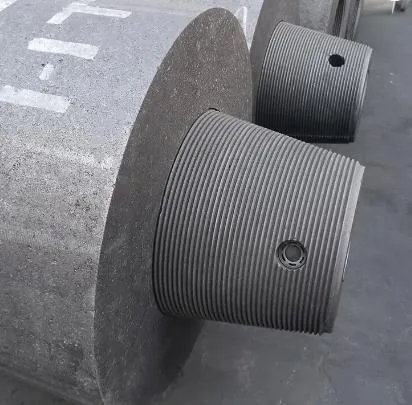
Simply put, graphite plates for electrolysis are blocks or sheets of highly pure graphite material designed to serve as electrodes inside electrolysis cells. Their job? To allow the electric current to pass through a liquid medium—usually an electrolyte—triggering chemical reactions that separate compounds.
Graphite’s excellent electrical conductivity and chemical resistance make it ideal for this role. Nowadays, these plates aren’t just confined to labs—they are integral in large-scale industrial projects, from refining metals to generating hydrogen as a clean fuel. Even some humanitarian efforts use graphite plates for electrolysis to ensure reliable water treatment in remote regions.
Core Components and Key Factors in Graphite Plates
1. Durability and Corrosion Resistance
Graphite plates must endure harsh chemical environments without degrading. The way graphite’s layered structure resists attack makes it preferable over metals prone to rust or oxidation. Notably, plates differ by purity grade—higher purity usually means longer life.
2. Electrical Conductivity
Conductivity affects efficiency directly. Plates with low electrical resistance help reduce energy losses during electrolysis, making processes more cost-effective overall.
3. Mechanical Strength
Oddly enough, graphite’s strength isn’t as high as some metals, so plates must be engineered carefully to balance robustness with weight—especially in large installations.
4. Cost Efficiency
Manufacturers and industries are always chasing better cost-to-performance ratios. Some grades of graphite and fabrication techniques offer cheaper options without sacrificing too much quality.
5. Scalability
It’s not just about building one plate—it’s about producing them consistently and in the volumes needed for industrial-scale electrolysis.
Typical Specifications of Graphite Plates
| Specification | Typical Value | Notes |
|---|---|---|
| Purity | >99.5% | Higher purity resist corrosion better |
| Electrical Resistivity | Low resistivity enhances efficiency | |
| Flexural Strength | 30–50 MPa | Ensures mechanical stability |
| Operating Temperature | Up to 500°C | Suitable for typical electrolysis cell environments |
| Size Range | Customizable | Tailored to industrial needs |
Global Application Highlights
Graphite plates find themselves at the heart of industries in Asia, Europe, and North America but also serve critical roles in emerging markets. For example, in China’s massive chlorine production sector, graphite electrodes are standard because of their cost-effectiveness and durability. Elsewhere, parts of Africa and South America harness graphite plates for water purification systems—where conventional materials fail due to harsh water conditions. Humanitarian NGOs have used portable electrolytic systems with graphite plates for post-disaster water sanitation, ensuring safe drinking water quickly.
Interestingly, some companies specialize in designing these plates to withstand very specific conditions, such as high salinity or extreme temperatures.
Mini takeaway: Graphite plates’ adaptability makes them more than industrial cogs—they’re enablers of safer water, cleaner energy, and sustainable development worldwide.
Vendor Comparison: Top Suppliers of Graphite Plates
| Vendor | Purity (%) | Customization | Typical Lead Time | Industry Focus |
|---|---|---|---|---|
| NL Graphite | 99.9+ | High (custom sizes & grades) | 4-6 weeks | Chemical, environmental, energy |
| CarbonTech Solutions | 99.5+ | Moderate | 6-8 weeks | Industrial & water treatment |
| ElectroGraph | 98.0+ | Low | 2-4 weeks | Small-scale & research |
Advantages and Long-Term Value of Using Graphite Plates
- Reliability: Graphite’s chemical inertness ensures minimal maintenance and downtime.
- Cost Savings: Although initial costs might be higher, durability and efficiency reduce operational expenses.
- Sustainability: Facilitates greener processes, like hydrogen production and cleaner manufacturing.
- Social Impact: Enables safer water treatment and energy access, improving quality of life in remote areas.
When I chatted with a process engineer at a chemical plant last year, they emphasized how switching to high-grade graphite plates cut replacement frequency from every six months to once every two years — that’s trust and peace of mind rolled into one.
Future Trends and Innovations
There’s a visible trend toward ultra-high purity graphite, nanostructured composites, and surface treatments that boost durability and conductivity. Green energy policies are ramping up research funding, partly because graphite plates are critical in electrolyzers producing green hydrogen. Automation in fabrication is also reducing lead times and improving quality control, making it easier for industries worldwide to access advanced graphite products. I suppose the future will see even more integration of digital monitoring to predict wear and optimize replacement schedules.
Challenges and Expert Solutions
Challenges do exist, like graphite’s brittleness or sourcing high-quality raw material responsibly. Industry players tackle these by enhancing plate design, like adding resin binders or protective coatings. Supply chain diversification is also key; a reliance on single source graphite mines has exposed vulnerabilities, especially post-pandemic.
FAQs on Graphite Plates for Electrolysis
Q1: How long do graphite plates typically last in electrolysis systems?
A1: Lifespan varies based on purity, operating conditions, and maintenance, but generally ranges from 1 to 3 years in industrial setups. High-purity plates in less aggressive environments can last even longer.
Q2: Are custom sizes available for specific industrial needs?
A2: Yes, many suppliers—including NL Graphite—offer custom cutting and shaping to fit specialized electrolysis cells, ensuring optimal performance.
Q3: Can graphite plates be recycled or reused?
A3: Recycling graphite plates is complex but possible; however, efficiency and cost depend on contamination and physical wear. Some industries refurbish plates by surface treatment instead of full replacement.
Q4: What makes graphite plates preferable to metal electrodes?
A4: Unlike metals, graphite resists corrosion, tolerates high temperatures, and has stable electrical properties in harsh electrolytes, resulting in greater longevity and efficiency.
Q5: How do environmental regulations impact graphite plate production?
A5: Regulations push for sustainable sourcing and lower emissions during manufacturing, accelerating innovations in cleaner production methods and supplier audits.
Conclusion: The Quiet Backbone of Electrolysis
Understanding graphite plates for electrolysis reveals why they’re more than just carbon slabs—they’re enablers of a cleaner, more efficient industrial future. Their durability, conductivity, and adaptability address global challenges ranging from energy transition to water purification. If you’re exploring electrolysis or related technologies, consider the quality and expertise behind your graphite plates carefully—your system’s success depends on it.
For further insights and top-quality products, visit https://www.nlgraphite.com.
Final thought: Subtle but crucial materials like graphite plates quietly shape the world’s sustainable future—worth a closer look indeed.
References
 Pervious
 Next
Next