

- Englist



Graphite Plates for Industrial and Renewable Applications | NL Graphite

Understanding Graphite Plates: Why They Matter in Today's World
If you've never stopped to think about graphite plates before, don’t worry—you’re not alone. But once you realize how crucial they are in industries ranging from steelmaking to green energy, they suddenly become surprisingly important. Graphite plates are more than just flat blocks of carbon; they serve as essential components in environments that demand high heat tolerance, electrical conductivity, and chemical inertness.
In a world striving for cleaner energy and smarter manufacturing, understanding graphite plates and their benefits helps industries operate more efficiently and sustainably. So, whether you’re an engineer, procurement specialist, or just a curious mind, this overview lays out why graphite plates have a global—not to mention industrial—footprint.
The Global Context of Graphite Plates
Graphite has been on the industrial radar for decades, but its role in modern manufacturing can't be overstated. According to the International Organization for Standardization (ISO), the global graphite market is expected to grow steadily, driven by sectors like electric vehicles, aerospace, and metallurgy.
Ironically, as the world pushes to reduce carbon footprints, graphite is a champion in processes that demand extreme heat resistance and chemical stability—qualities not easily matched by other materials. For example, in steel production facilities, graphite plates serve as heat shields and electrodes, helping decrease energy consumption and emissions.
Yet with rising demand, challenges like sourcing high-quality graphite and balancing cost efficiency arise. This graphite plates niche addresses quite a bit, especially when innovation meets classic manufacturing needs.
What Exactly Are Graphite Plates?
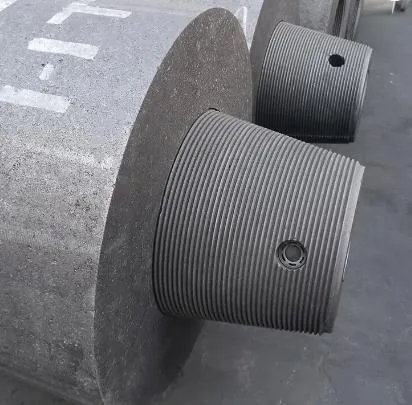
At its core, a graphite plate is simply a flat, solid sheet composed almost entirely of graphite—a form of carbon known for its layered, hexagonal crystalline structure. This structure gives graphite incredible properties: it can handle high temperatures without melting, conducts electricity very well (odd for carbon!), and resists most chemical reactions.
Practically, these plates act as cores, electrodes, liners, or heat sinks in industrial setups. Whether in electric arc furnaces or specialized battery components, their stable yet conductive nature makes them irreplaceable.
Interestingly, the humanitarian angle isn’t far off either. In emergency housing units powered by renewable grids, for example, graphite components help regulate heat and current flows—and that kind of reliability saves lives.
Key Characteristics of Graphite Plates
1. Durability at High Temperatures
Graphite plates withstand temperatures well above 3000°C in inert atmospheres—far surpassing many metals or ceramics. This makes them perfect for furnace linings where thermal shock resistance is vital.
2. Electrical Conductivity
Contrary to popular belief about carbon being an insulator, graphite offers excellent electrical conductivity. This allows plates to function as electrodes or current carriers in processes like aluminum smelting.
3. Chemical Resistance
Graphite resists many aggressive chemicals and doesn’t corrode easily, boosting longevity and reducing replacement cycles—a plus for plants dealing with harsh environments.
4. Machinability and Customization
One of graphite’s beauties is how it can be shaped precisely during manufacturing—milled, drilled, or cut to spec. This versatility means graphite plates can be tailored for complex industrial designs or prototypes.
5. Cost Efficiency Over Time
While initial costs might seem higher than typical metal sheets, the lifespan and energy savings these plates bring make the investment worthwhile.
Graphite Plates in Real-World Applications
From factories humming with steel production to green energy startups building batteries, graphite plates find diverse uses:
- Steel Manufacturing: Furnace linings and electrode plates in electric arc furnaces.
- Battery Industry: Graphite serving as anode material in lithium-ion batteries.
- Aerospace: Heat shields and components exposed to extreme temperatures.
- Renewable Energy: In hydrogen fuel cells and solar thermal plants.
In post-disaster relief efforts, where reliable power and temporary industrial setups are crucial, lightweight but resilient graphite plates help stabilize operations. Remote industrial zones also benefit, as graphite’s durability reduces supply chain dependency for repairs.
Technical Specifications Table of Typical Graphite Plate
| Specification | Range/Value | Notes |
|---|---|---|
| Thickness | 3 - 50 mm | Custom cut available |
| Density | 1.65 - 1.90 g/cm³ | Depends on grade |
| Maximum Temperature | Up to 3000°C (in inert atmosphere) | Thermal shock resistant |
| Electrical Conductivity | ~10^4 S/m | Comparable to metals |
| Coefficient of Thermal Expansion | ~4 x10⁻⁶ /°C | Low expansion minimizes warping |
Comparing Leading Graphite Plate Suppliers
| Supplier | Product Range | Customization | Geographical Reach | Price Range |
|---|---|---|---|---|
| NL Graphite | Industrial, battery-grade, specialty | High (custom sizes & grades) | Global | Mid-High |
| GraphiCo | Standard industrial plates | Moderate (limited custom calls) | North America, Europe | Low-Mid |
| CarbonCraft | Specialty high-purity and large-format plates | High | Asia, Europe | High |
The Long-Term Value of Using Graphite Plates
When you’re sourcing materials with longevity and sustainability in mind, graphite plates check many boxes. They reduce downtime due to their hard-wearing nature. They often cost less over total lifecycle thanks to energy savings. They hold up even in demanding environments, offering peace of mind—an emotional benefit often overlooked but critical on factory floors where safety and reliability matter.
This sense of trust in materials ripples out beyond manufacturing—it supports commitments to greener operations and socially responsible production. In industries where every cog impacts communities, graphite isn’t just a component; it’s part of the story.
Emerging Trends & Innovations in Graphite Plate Technology
Looking ahead, the evolution of graphite plates ties closely to several exciting developments:
- Green Manufacturing: Lower emission processes using graphite electrodes.
- Battery Technology: Enhanced graphite sheets improving lithium-ion battery efficiency.
- Digital Fabrication: Automated machining for precision custom plates.
- Composite Materials: Hybrids combining graphite with polymers for lightweight strength.
These innovations mean graphite plates aren’t stuck in the past—they’re dynamic components adapting to modern industrial revolutions.
Challenges in Graphite Plate Usage and How to Address Them
Despite many positives, the journey isn’t without bumps. For starters, graphite is brittle, so handling requires care to avoid cracking. Additionally, sourcing high-purity graphite can be tricky worldwide, with geopolitical tensions occasionally affecting supply.
To tackle these, companies increasingly turn to engineered composites or protective coatings that add durability. Supply chains diversify, often combining recycled graphite or synthetic production to reduce dependency on any one region.
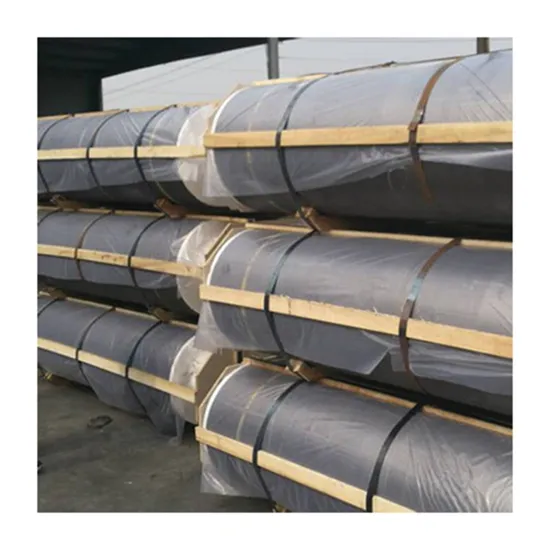
Robust quality testing—including non-destructive evaluation—further ensures plates meet exact specifications before shipment. This combo of innovation and vigilance keeps things running smoothly.
FAQ: Answers to Common Questions About Graphite Plates
Q1: How long do graphite plates typically last in harsh industrial settings?
A: With proper handling and environmental conditions, graphite plates can last several years—often 5 to 10 years in electric arc furnaces. Their resilience to heat and corrosion greatly extends their service life compared to metal alternatives.
Q2: Are graphite plates environmentally friendly to produce and recycle?
A: Yes, the carbon in graphite plates is recyclable, and manufacturers increasingly use eco-conscious production methods. However, energy-intensive refining processes still exist, so sustainable sourcing is key.
Q3: Can graphite plates be customized to unique industrial dimensions?
A: Absolutely. One major advantage is their machinability, allowing custom thicknesses, shapes, and sizes tailored to specific equipment or industrial needs.
Q4: How do I ensure quality when importing graphite plates internationally?
A: Partner with reputable vendors who provide certifications, detailed specs, and quality inspection reports. Organizations like ISO and ASTM standards often guide quality expectations.
Wrapping Up: Why Choosing Graphite Plates Makes Sense
All things considered, graphite plates stand as unsung heroes of modern industry—quietly delivering heat resistance, electrical performance, and longevity across sectors essential to our daily lives. Whether involved in cutting-edge battery tech or old-school steel furnaces, their role is fundamental.
If you’re looking to explore or source high-quality graphite plates, consider visiting NL Graphite’s website for industry-grade options tailored to your needs. The future of resilient, efficient, and sustainable production might just start with a well-crafted graphite plate.
References
 Pervious
 Next
Next