

- Englist



Graphite Powders: Essential Material for Modern Technology and Sustainability

Why Graphite Powders Matter in Today’s Global Industry
If you’ve ever thought about the materials powering modern technology and industrial breakthroughs, then graphite powders should definitely be on your radar. These fine carbon-based particles, often overlooked in favor of flashier materials, quietly fuel advances in everything from electronics to green energy storage. Understanding graphite powders is not just academic—it’s practical, with ramifications in manufacturing efficiency, environmental sustainability, and even humanitarian support. Oddly enough, grasping their importance can give you an edge in fields stretching from aerospace to disaster relief.
Globally, the demand for graphite powders has been on a steady upward trajectory. The International Energy Agency just published a report highlighting that natural graphite demand for lithium-ion batteries—critical for electric vehicles and renewable grids—could increase sevenfold by 2030. Graphite’s unique properties make it irreplaceable in these technologies.
Mini takeaway: Graphite powders underpin key modern industries and are essential to a sustainable energy future.
Setting the Stage: Graphite Powders in the Global Context
Graphite powders are everywhere, yet their global footprint is often hidden behind complex supply chains. According to the United Nations Environment Programme (UNEP), graphite ranks among the critical raw materials due to its strategic importance and supply risk, particularly as some regions hold dominant reserves. China, Brazil, and Canada are among the largest producers, but refining and powder production is a highly specialized process.
One of the persistent challenges is balancing the surging graphite powder demand—especially for batteries—with sustainable mining practices. Environmental groups frequently raise concerns about habitat disturbance and pollution, urging the industry to innovate better extraction and recycling methods.
Graphite powders offer a solution in industrial processes requiring conductivity and lubrication, replacing more costly or toxic materials. Yet, technological bottlenecks and geopolitical complexities remain.
Mini takeaway: Globally vital yet vulnerable, graphite powders are at the intersection of industry growth and sustainability challenges.
What Exactly Are Graphite Powders?
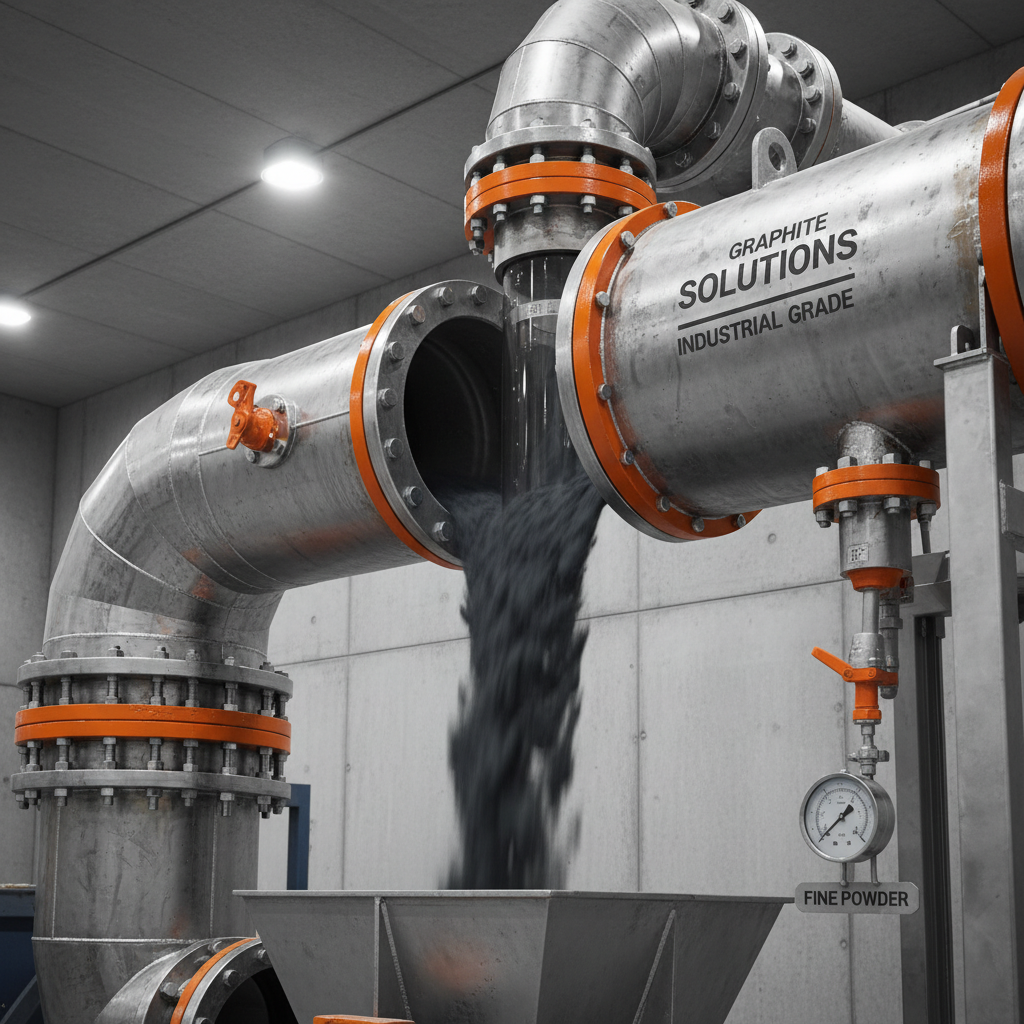
Simply put, graphite powders are finely ground particles of graphite, a naturally occurring form of crystalline carbon. This isn’t your average carbon dust; these powders have a layered structure that gives them excellent electrical conductivity, thermal resistance, and lubrication abilities. Imagine microscopic sheets sliding over each other effortlessly—that’s graphite’s secret sauce.
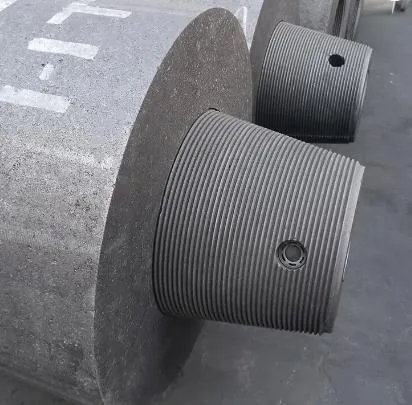
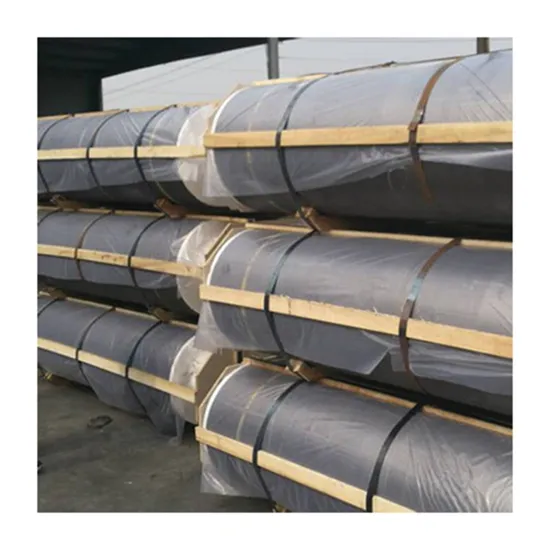
Industrially, graphite powders serve as raw materials for electrodes in electric arc furnaces, lubricants in machinery, and additives in batteries and brake linings. In humanitarian contexts—think emergency shelters or remote communications—their thermal and conductive properties help design better devices and materials.
Mini takeaway: Graphite powders are simple in concept but versatile in application, linking basic science to complex industrial needs.
Essential Qualities of Graphite Powders
1. Purity and Particle Size
High purity graphite powders (above 99%) ensure minimal impurities that can affect conductivity or reaction outcomes, especially in battery manufacturing. Particle size typically ranges from a few microns to submicron scales, influencing flowability and surface chemistry.
2. Thermal and Electrical Conductivity
Graphite powders conduct heat and electricity remarkably well, making them indispensable in thermal management systems and electrodes. This performance hinges on crystalline structure and particle orientation.
3. Lubrication Properties
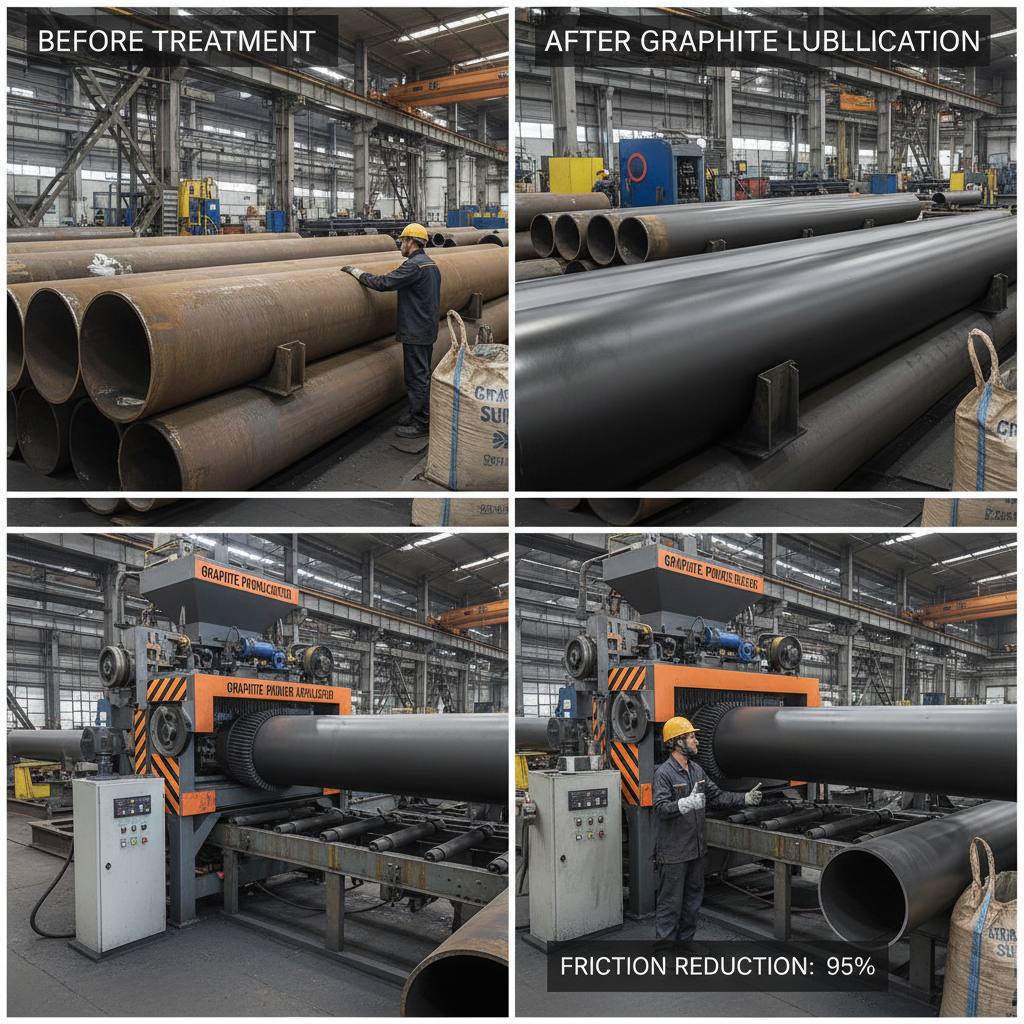
Graphite’s lamellar structure provides solid lubrication, reducing wear and friction in heavy machinery and automotive parts without oil-based alternatives.
4. Cost Efficiency
Compared to other conductive powders like silver, graphite powders offer a cost-effective solution for scalable industrial applications.
5. Environmental Compatibility
Being a natural mineral, graphite powders generally have a lower environmental impact than synthetic materials—if mined and processed responsibly.
Mini takeaway: Purity, conductivity, and cost balance combine to make graphite powders an industrial staple.
Practical Applications Across the Globe
In real-world settings, graphite powders find their way into dozens of industries. Electronics manufacturers in South Korea and Japan rely heavily on ultra-fine graphite powders to make lithium-ion battery anodes. In the heavy machinery hubs of Germany and the U.S., these powders serve as dry lubricants that withstand extreme temperatures.
Interestingly, humanitarian aid organizations sometimes incorporate graphite powders into wearable sensors for field diagnostics or lightweight heating elements in refugee shelters—an innovation that often flies under the radar but literally warms and protects lives.
| Parameter | Typical Range | Unit |
|---|---|---|
| Purity | > 99.5 | % |
| Particle Size (D50) | 5 - 30 | microns |
| Electrical Conductivity | 1,500 - 2,000 | S/m |
| Ash Content | % | |
| Moisture Content | % |
Mini takeaway: These powders are quietly powering a diverse range of advanced and relief operations worldwide.
Looking at the Big Picture: Advantages and Lasting Value
- Cost-effective scalability: Graphite powders are abundant and cheaper than exotic conductive materials, allowing big-scale adoption.
- Environmental edge: With responsible mining and recycling, graphite powders can reduce the carbon footprint of battery manufacturing.
- Reliability under harsh conditions: Industries appreciate graphite’s stability in extreme temperatures and chemical exposures.
- Social impact: Especially in low-income or disaster-affected regions, accessible graphite-based technologies enhance quality of life.
Many engineers swear by graphite powders’ balance of innovation and practicality, which is hard to beat. And frankly, it feels like the material quietly earns its keep every day.
Mini takeaway: Graphite powders combine economic, environmental, and social benefits rarely matched by other minerals.
Peeking into the Future: Trends and Innovations
In recent years, there’s been a surge in synthetic graphite powders designed for ultra-high purity and uniform particle size—key for next-gen batteries and aerospace components. Another exciting development is graphene derivation; some companies are extracting graphene layers from graphite powders to amplify conductivity.
On the policy front, stricter environmental regulations push the industry towards more transparent sourcing, recycling initiatives, and greener processing techniques. The growing electric vehicle (EV) market also fuels R&D into more efficient graphite powders optimized for longer battery life and faster charging.
Mini takeaway: Graphite powder technology is evolving rapidly with sustainability and high-performance demands driving innovation.
Tackling Challenges: Solutions in the Graphite Powder Industry
With growth come some classic headaches. Fluctuating raw material prices, quality inconsistencies, and regulatory compliance can slow progress. Plus, supply chain complexities—especially amid geopolitical tensions—introduce risk.
However, industry leaders suggest investing in blockchain for transparent traceability and adopting in-house purification methods to guarantee powder quality. Collaboration on recycling batteries also mitigates raw material shortages.
Innovation breeds solutions, and even though these issues aren’t going away tomorrow, there’s a concerted effort to smooth them over at multiple levels.
Mini takeaway: Challenges persist, but technology and collaboration light the way forward.
FAQ: Your Graphite Powders Questions Answered
- What are the key differences between natural and synthetic graphite powders?
- Natural graphite powders come directly from mined crystalline graphite and typically vary more in purity and particle size. Synthetic powders, produced chemically, offer higher purity and controlled particle distribution, ideal for advanced battery applications.
- How are graphite powders used in lithium-ion batteries?
- They primarily serve as the anode material, providing excellent electrical conductivity and structural stability, which improves battery efficiency and lifetime.
- Are graphite powders environmentally hazardous?
- Generally, no. When responsibly mined and processed, graphite powders have a low environmental footprint. The main concerns arise from unsustainable mining practices rather than the powders themselves.
- Can graphite powders improve industrial machinery lifespan?
- Yes. Their lubrication properties reduce friction and wear on mechanical parts, leading to extended equipment life and reduced maintenance costs.
- How should companies approach sourcing high-quality graphite powders?
- They should evaluate supplier certifications, test product purity and particle distribution, and consider sustainable mining and processing practices.
Wrapping It Up: Making Sense of Graphite Powders Today and Tomorrow
In summary, graphite powders quietly fuel a wide array of industries, from EV batteries driving the green revolution to everyday machinery in remote locations. Their blend of affordability, performance, and environmental promise ensures they will remain a vital component in future technologies.
If you want to dig deeper or source high-quality graphite powders tailored for your application, visit our website. Uncover innovations and expert advice that can help your projects thrive—because sometimes, it’s the humble stuff like graphite powders that truly shape our world.
| Vendor | Purity (%) | Particle Size Range (μm) | Sustainability Certifications | Typical Applications |
|---|---|---|---|---|
| GraphX Inc. | 99.9 | 1 - 20 | ISO 14001, REACH | Battery Anodes, Electronics |
| CarbonCore Ltd. | 99.5 | 5 - 30 | FSC Certified | Lubricants, Industrial Parts |
| EcoGraphite Solutions | 99.8 | 2 - 15 | ISO 14001, Carbon Neutral | Green Energy, Battery Anodes |
Thanks for sticking around—sometimes learning about something as seemingly mundane as graphite powders reveals the hidden forces behind modern innovation and sustainability.
References
 Pervious
 Next
Next