

- Englist


Graphite Rods Factory Insights: Quality, Specs & Vendors Reviewed

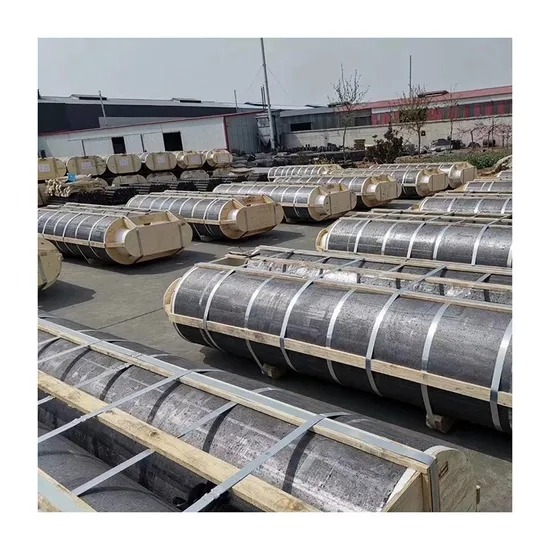
Inside the graphite rods factory: a seasoned perspective
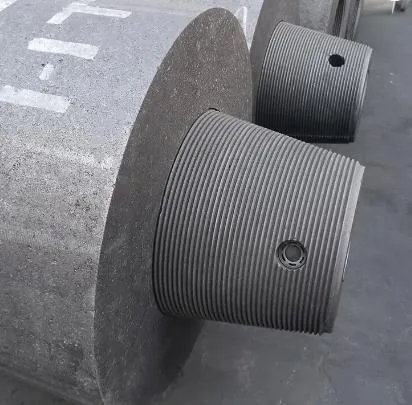
Having spent over a decade in the industrial equipment world, I can honestly say that few materials have quite the understated importance that graphite rods do. Oddly enough, these seemingly simple cylindrical components quietly power many of the high-performance machines and systems we often take for granted. From electric arc furnaces to precision industrial applications, the factory behind these rods fascinates me every time.
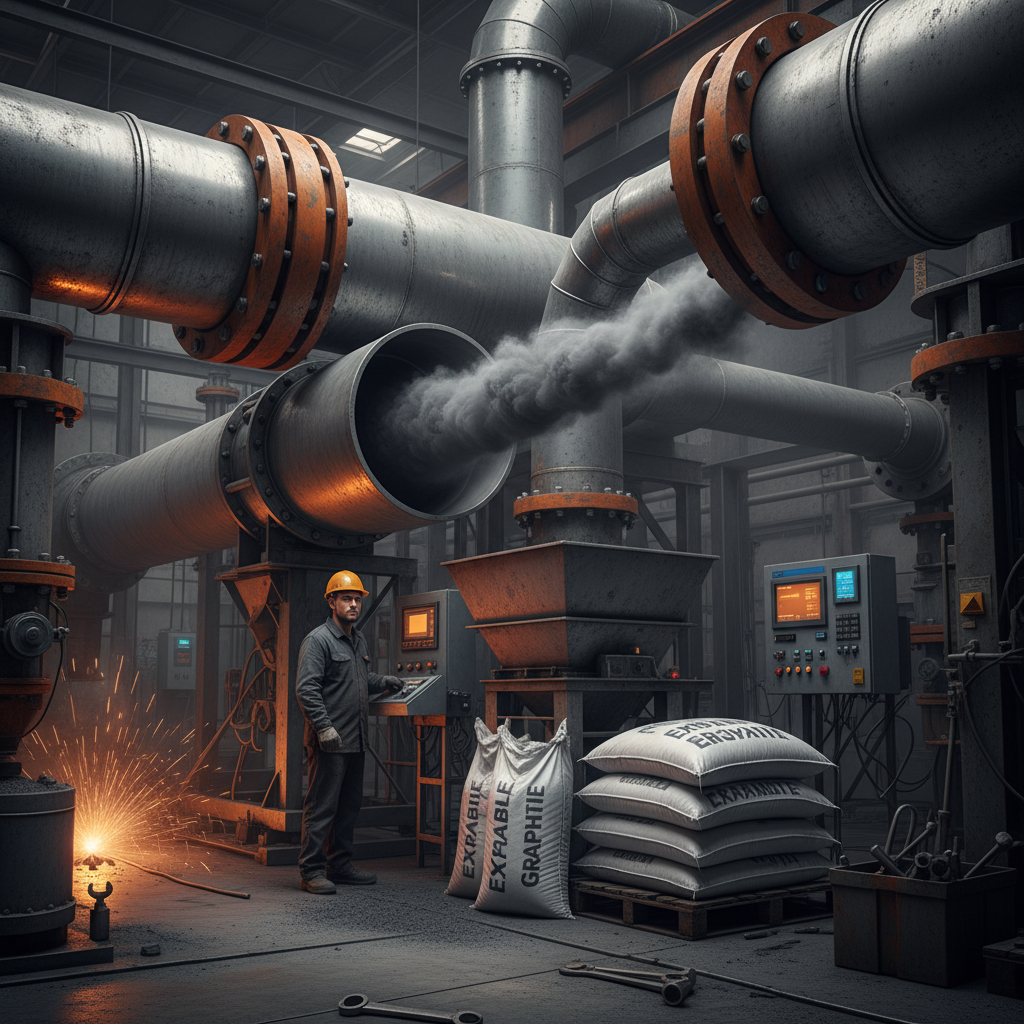
When I first stepped onto a graphite rod production floor, the hum of machines and faint dust floating in the air gave me a snapshot into a highly specialized craft. It’s more than just “carbon stuff” molded into shape — it’s the culmination of carefully selected raw materials, strict quality standards, and, frankly, decades of improvement.
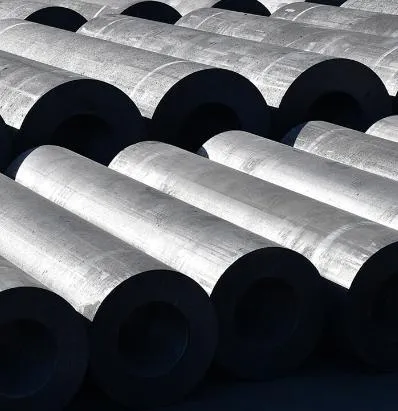
What always struck me was how much the quality of the rod depends on every tiny detail during production. For instance, the choice of needle coke as the raw material, prized for its purity and anisotropic carbon structure, sets the stage. The raw coke undergoes pinformering, molding, firing, and graphitization at ultra-high temperatures — sometimes soaring past 3000°C! It’s a lot like baking the perfect loaf of bread. You need the right ingredients, the exact temperature, and timing for the end result to work as expected.
I’ve noticed that the factory's process never really feels “assembly-line” robotic. There’s a degree of hands-on control, especially in the quality inspection and finishing stages — grinding the surface for smoothness or machining precise dimensions. Many engineers I’ve chatted with insist on this level of customization for their graphite rods, because in real terms, minor differences in surface integrity or grain orientation can drastically affect electrical conductivity or heat resistance.
| Specification | Typical Value | Units |
|---|---|---|
| Diameter Range | 5 - 300 | mm |
| Length Range | 100 - 2000 | mm |
| Resistivity | 8 - 12 | μΩ·m |
| Bulk Density | 1.6 - 1.9 | g/cm³ |
| Flexural Strength | ≥30 | MPa |
| Max Operating Temp. | 3000+ | °C |
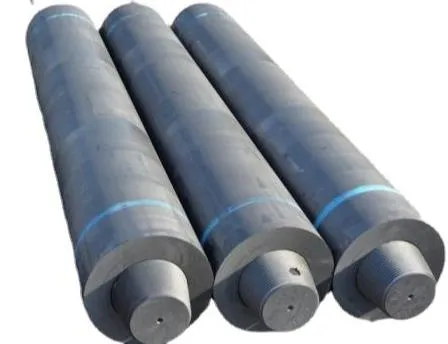
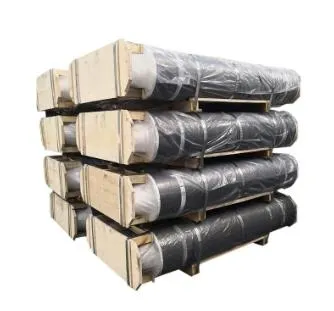
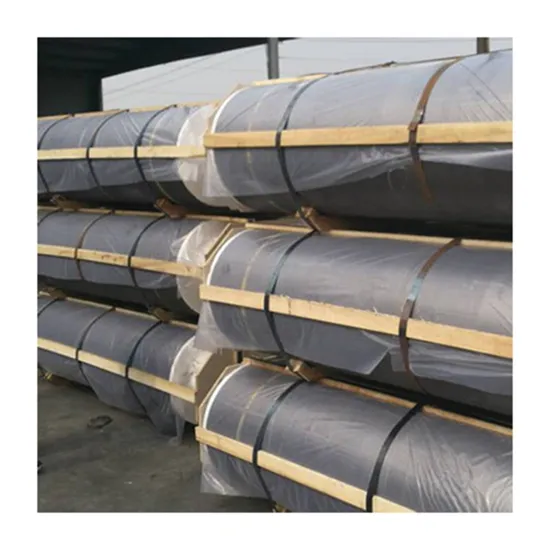
Another aspect that often surprises newcomers like myself is the adaptability of these rods. Graphite rods factories today offer highly customizable options, tailored not just by dimensions but also by grade and surface finish. You can find rods optimized for electric resistance, thermal conductivity, or structural durability, depending on your application. It feels like tailoring a suit rather than buying off the rack.
From my conversations with folks in the field, I know that strong vendor relationships often make the difference. Aside from cost and delivery, factors like responsiveness, consistent quality, and willingness to troubleshoot on the fly really matter.
| Vendor | Product Range | Customization | Typical Lead Time | Price Range |
|---|---|---|---|---|
| NL Graphite | Extensive (Diameter 2-500mm) | High – grades, sizes, finishes | 2-4 weeks | Mid |
| CarbonPro | Moderate (Diameter 5-250mm) | Medium | 3-6 weeks | Low-Mid |
| GraphTech Solutions | Limited (Diameter 10-100mm) | Low | 4-8 weeks | High |
I'll never forget one particular instance when a client urgently needed a custom graphite rod to replace some aging electrodes in a smelting operation. NL Graphite was able to deliver a tailored ensemble within weeks, closely matching the original specs, which minimized downtime tremendously. Stories like this highlight why industry insiders trust experienced factories — they don’t just provide a product, they provide solutions.
So if you’re exploring options for graphite rods, I’d say look beyond price tags. Quality, consistent technical support, and a vendor who understands your needs — those are the keys. After all, these rods often form the backbone of challenging industrial processes where failure is not an option.
In closing, working around graphite rods factories has taught me that even the most “unassuming” components carry layers of complexity beneath their surface. It’s a small part of a vast machine, sure, but get it right and it keeps worlds moving.
Reflecting on these details always reminds me why craftsmanship matters — even in the high-tech materials of today.
References:
- Industry materials reports on graphite electrode production, 2022
- Interviews with electrical furnace engineers, 2023
- NL Graphite technical documentation and case studies
 Pervious
 Next
Next