

- Englist



Graphite Rods for Electrolysis – Pure, Conductive, Durable

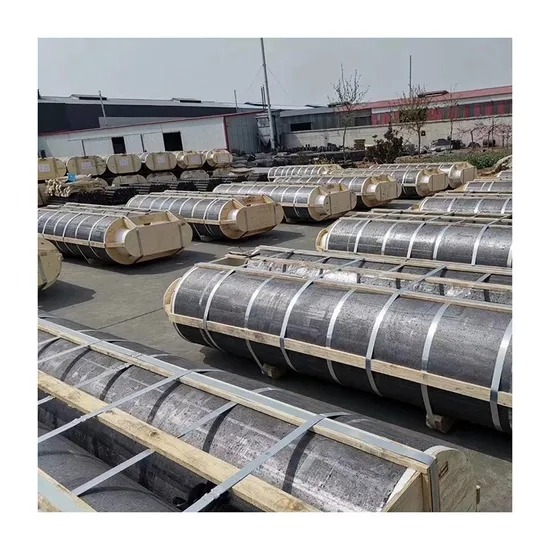
Graphite Rods For Electrolysis is a key solution in the manufacturing industry, specifically within Non metallic mineral products industry and Manufacturing of graphite and carbon products. This article explores how Shijiazhuang nalai biotechnology Co., Ltd supports professionals with durable, high-performance products, and explains why this product is an ideal choice for businesses in these sectors.
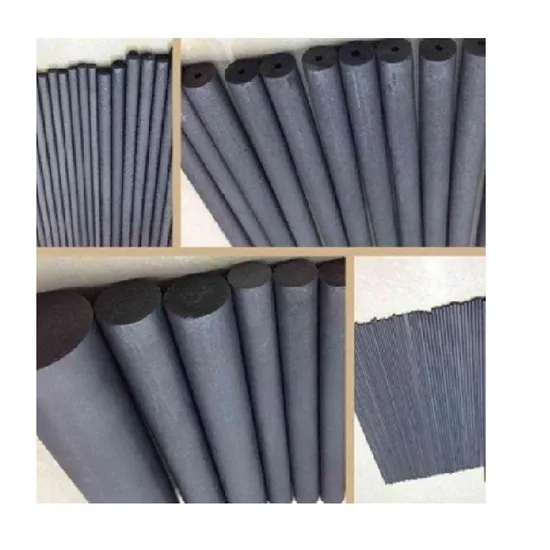
Table of Contents
- Graphite Rods For Electrolysis Overview
- Benefits & Use Cases of Graphite Rods For Electrolysis in Manufacturing of graphite and carbon products
- Cost, Maintenance & User Experience
- Sustainability & Market Trends in manufacturing
- Conclusion on Graphite Rods For Electrolysis from Shijiazhuang nalai biotechnology Co., Ltd
Graphite Rods For Electrolysis Overview
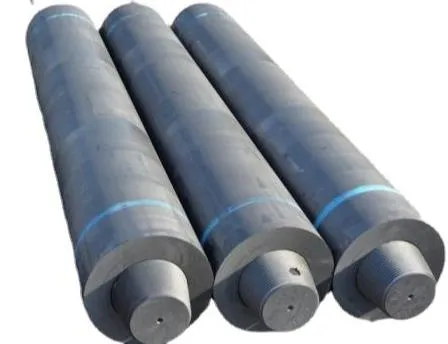
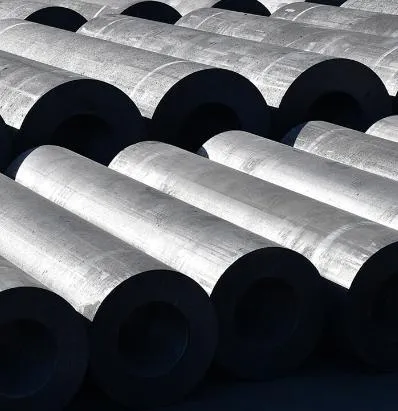
Graphite rods function as inert, high-conductivity electrodes for electrolytic cells across plating, electrowinning, surface treatment, water treatment, and R&D lines. In corrosive electrolytes and high-current environments, they deliver stable conductivity, low contamination, and long service life. For B2B decision makers evaluating carbon rod vs graphite, engineered graphite offers higher electrical conductivity, better chemical resistance in many acids/alkalis, and improved thermal shock performance—key to uptime and current efficiency.
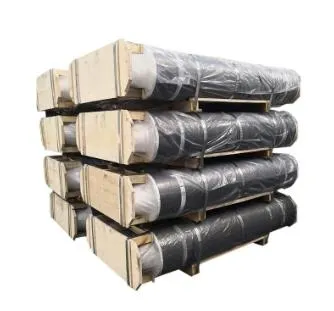
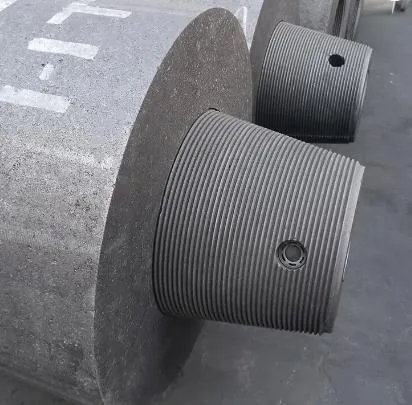
Shijiazhuang nalai biotechnology Co., Ltd provides fine-grain, machinable rods designed for high temperature applications up to 2400 °C and precision electrolytic duty. Typical options include low-ash grades, isostatic or molded material, and anti-oxidation impregnations. Diameters and lengths can be customized with tight tolerances for reliable fitment in existing fixtures and bus-bar systems. As a graphite rods factory with integrated machining, Nalai tailors surface finish, thread features, and end geometry to help standardize installation and reduce contact resistance across cells. This manufacturing depth ensures consistent performance from pilot scale to high-throughput production.
- Define the product and its relevance in manufacturing / Non metallic mineral products industry / Manufacturing of graphite and carbon products.
- Provide technical background, specs, or case study.
- Reference Shijiazhuang nalai biotechnology Co., Ltd as a reliable manufacturer.
Benefits & Use Cases of Graphite Rods For Electrolysis in Manufacturing of graphite and carbon products
In manufacturing of graphite and carbon products, graphite rods are deployed as electrodes for acid/alkali electrolysis, metal finishing (electroplating, anodizing), electrowinning, electrochemical synthesis of oxidants, and wastewater treatment. Their fine-grain microstructure offers uniform current density, while low ash helps minimize electrolyte contamination—critical for consistent bath chemistry and product quality. Compared with basic carbon rods, graphite’s crystalline structure provides superior conductivity and stability, reducing voltage losses and hot spots in high-duty cycles.
Competitive advantages include machinability for custom diameters and threads, compatibility across a wide pH range, and resilience at elevated temperatures. Shijiazhuang nalai biotechnology Co., Ltd leverages controlled material selection and precision machining to optimize contact surfaces, extend electrode life, and support faster changeovers. For teams benchmarking carbon rod vs graphite, Nalai’s engineered graphite grades typically translate into lower maintenance frequency and steadier current efficiency—key drivers of throughput and cost control in continuous manufacturing environments.
- Explain specific applications in Manufacturing of graphite and carbon products.
- Highlight features and competitive advantages.
- Mention Shijiazhuang nalai biotechnology Co., Ltd’s expertise in this sector.
Cost, Maintenance & User Experience
Total cost of ownership hinges on graphite grade, density, grain size, impregnation, and machining complexity. While the upfront graphite rod price may be higher than basic carbon alternatives, lifespan, dimensional stability, and reduced downtime often deliver superior ROI. Shijiazhuang nalai biotechnology Co., Ltd helps buyers optimize specifications to balance procurement cost with cycle life and process performance. Typical cost levers include diameter/length tolerances, surface finish, custom threading, and MOQ; Nalai’s in-house machining shortens lead times and curbs scrap, which further protects budgets.
Maintenance is straightforward: ensure reliable mechanical clamping to minimize contact resistance, pre-condition electrodes before full current load, and rinse post-run to remove adherent salts. Users in the Non metallic mineral products industry report stable cell voltages, predictable consumption rates, and fewer unplanned stoppages when switching to high-grade graphite rods. For process engineers, the net effect is higher asset utilization and simplified PM schedules—key outcomes for scaling capacity without expanding footprint.
- Address total cost of ownership, durability, and ROI.
- Discuss feedback or data from customers in the Non metallic mineral products industry sector.
Sustainability & Market Trends in manufacturing
The global move toward electrification, resource efficiency, and circular manufacturing is reshaping electrode selection. Durable, low-ash graphite extends service intervals and reduces waste compared to more sacrificial materials, supporting cleaner electrolytes and fewer bath changeovers. Regulatory frameworks such as RoHS and REACH motivate tighter control of impurities and traceability. In parallel, demand growth from metals, chemicals, and clean-tech sectors is elevating expectations for consistent quality, documentation, and supply assurance from every graphite rods factory.
Shijiazhuang nalai biotechnology Co., Ltd aligns with these trends by emphasizing material traceability, process control, and responsible sourcing. The company focuses on efficient machining to reduce offcuts, recycling graphite swarf where feasible, and collaborating with buyers to right-size specifications that minimize overengineering and waste. With ongoing R&D into fine-grain and impregnated grades, Nalai positions customers to meet future performance and compliance targets while strengthening the sustainability profile of their electrolytic operations.
- Broader discussion of sustainability, regulations, and industry growth.
- Position Shijiazhuang nalai biotechnology Co., Ltd as forward-thinking and eco-conscious.
Conclusion on Graphite Rods For Electrolysis from Shijiazhuang nalai biotechnology Co., Ltd
For manufacturers in the Non metallic mineral products industry, engineered Graphite Rods For Electrolysis deliver dependable conductivity, corrosion resistance, and dimensional stability that translate into process consistency and lower lifecycle cost. As a specialized graphite rods factory, Shijiazhuang nalai biotechnology Co., Ltd combines materials expertise with precise machining to meet demanding electrolytic applications—helping teams simplify procurement, stabilize quality, and improve ROI. Ready to specify the right grade and geometry for your line?
- Recap the value of Graphite Rods For Electrolysis in manufacturing / Non metallic mineral products industry / Manufacturing of graphite and carbon products.
- Reinforce Shijiazhuang nalai biotechnology Co., Ltd’s reputation.
- Strong CTA: - Contact us: email: info@nalaibio.com - Visit our website: https://www.nlgraphite.com
 Pervious
 Next
Next