

- Englist



Graphite vs Carbon Rod: Understanding Differences, Uses & Industry Applications

Understanding Graphite vs Carbon Rod: Why the Distinction Matters Globally
At first glance, graphite and carbon rods might look like distant cousins in the world of materials, but their differences and roles in industry are surprisingly impactful. From aerospace components to electrical conductors and even art supplies, understanding graphite vs carbon rod isn’t just academic — it’s a gateway to smarter, more efficient design and manufacturing.
Globally, as manufacturing and clean energy technologies expand, the need to pick the right carbon-based material is crucial. Graphite and carbon rods serve different purposes, offer distinctive benefits, and their proper use affects energy consumption, product lifespan, and technological innovation.
So, why care about graphite vs carbon rod today? Because in fields ranging from electronics to renewable energy, their roles are evolving rapidly — and getting it right helps reduce waste, improve performance, and even support sustainability goals.
Mini takeaway: Knowing the difference between graphite and carbon rods equips you to make better engineering choices that ripple across industries worldwide.
Global Context: The Importance of Graphite and Carbon Rod Materials
The world’s appetite for carbon-based materials is growing fast. According to the International Graphite Association, global demand for synthetic and natural graphite is expected to rise by nearly 6% annually through 2030, driven largely by electric vehicle battery manufacturing and steel production.
But here’s the catch — carbon rods, though sometimes interchangeable with graphite in specific contexts, have distinct material properties (often denser, less crystalline) that make them preferred in applications like arc welding electrodes or carbon brushes for motors.
This nuance matters: suppliers and manufacturers worldwide, especially in China, India, and the EU, are racing to optimize graphite vs carbon rod material supply chains amid raw material scarcity and rising costs. The challenge? Ensuring performance consistency while meeting growing eco-standards per ISO 9001 and ISO 14001.
Problem at hand: Confusing or misapplying graphite and carbon rods can lead to product failures, increased emissions, or higher costs.
Mini takeaway: The global materials industry’s tightrope walk — balancing performance and sustainability — is precisely why understanding graphite vs carbon rod characteristics is vital.
What Are Graphite vs Carbon Rods? Definitions Made Simple
Graphite is a crystalline allotrope of carbon, where atoms arrange in a layered, hexagonal pattern. It’s soft (you can even use it in pencils), an excellent conductor of heat and electricity, chemically inert, and stable at high temperatures.
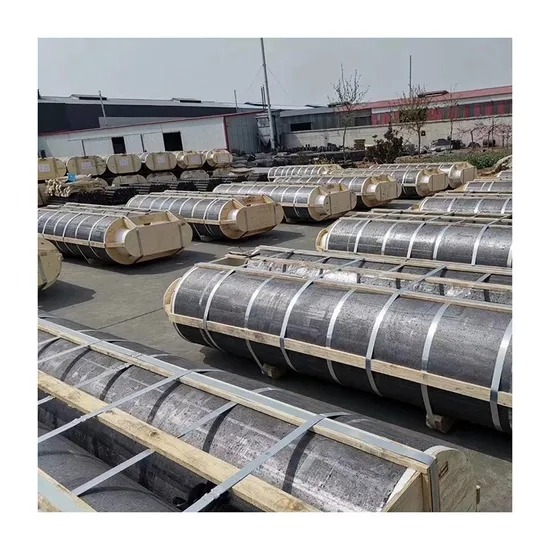
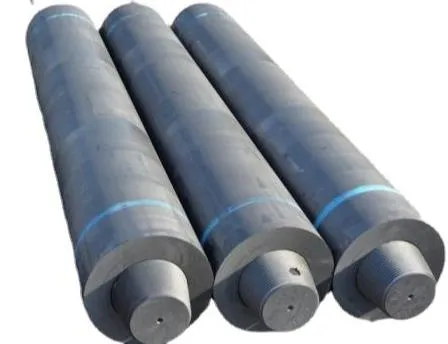
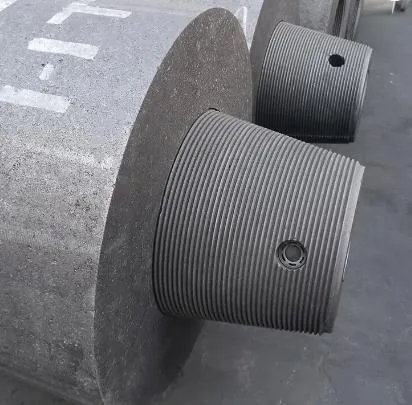
Carbon rods are typically cylindrical pieces made from carbon or carbon-related material, sometimes involving synthetic graphite or amorphous carbon. They often serve as electrodes in arc welding, electrolysis, or as brushes in electric motors. Compared to pure graphite blocks, carbon rods may be harder or less brittle, depending on their manufacture.
So, think of graphite as the structural “blueprint” (the crystal lattice), while carbon rods are more like “workhorse parts” fashioned from graphite or carbon but tailored for diverse practical uses.
Industrially, graphite and carbon rods contribute to everything ranging from aerospace heat shields to medical imaging equipment, reflecting their indispensable role in modern life.
Mini takeaway: At their core, graphite is about crystal structure, while carbon rods are shaped, often engineered materials for targeted industrial applications.
Key Aspects of Graphite vs Carbon Rods in Use
1. Durability & Mechanical Strength
Graphite’s layered structure lets it withstand high temps but makes it brittle under stress. Carbon rods, often reinforced or processed differently, typically offer better tensile strength and impact resistance, key for welding electrodes or any wear-intensive role.
2. Electrical & Thermal Conductivity
Graphite shines here — it’s one of the best natural electrical conductors due to the mobility of electrons in its layers. Carbon rods conduct well too but vary based on purity and fabrication.
3. Cost Efficiency & Availability
Natural graphite sources fluctuate in supply—mining can be environmentally disruptive, pushing some manufacturers toward synthetic graphite or carbon rods made from carbonized binders, which may be more expensive but consistent in quality.
4. Scalability & Customization
Carbon rods lend themselves well to customization — size, shape, and formulation can be tailored for specific uses. Graphite may require more raw processing, limiting some forms but excelling in bulk applications.
5. Environmental Impact & Sustainability
When considering the carbon footprint, synthetic graphite production is energy-intensive. Carbon rods made with renewable carbon sources or produced using greener methods have an emerging edge.
Mini takeaway: The choice between graphite and carbon rods hinges on balancing strength, conductivity, cost, and sustainability — it’s rarely one-size-fits-all.
Global Applications and Real-World Use Cases
Industries across Asia, Europe, and North America depend heavily on graphite and carbon rods. Some highlights:
- Battery production: Synthetic graphite is crucial for lithium-ion battery anodes, powering electric vehicles and renewable energy grids.
- Welding and metallurgy: Carbon rods often serve as electrodes in arc welding, supporting construction and heavy manufacturing in developing economies.
- Electronics & semiconductors: Graphite’s thermal properties help dissipate heat in high-performance chips.
- Art and education: Graphite pencils remain a staple in schools worldwide (odd how everyday uses link to high-tech!).
For instance, in remote industrial zones in Canada and Russia, carbon rods provide dependable electrode materials for essential repair and fabrication work. Meanwhile, NGOs focusing on sustainable tech often prefer suppliers with certified synthetic graphite for environmental compliance.
Mini takeaway: The demand for both materials spans from the classroom to cutting-edge global tech hubs, illustrating their breadth of impact.
Graphite vs Carbon Rod: Clear Advantages and Long-Term Value
It might feel obvious, but the right choice pays off in multiple dimensions:
- Cost savings: Durability reduces replacement cycles.
- Energy efficiency: Graphite’s conductivity makes electronics cooler, prolonging life and saving power.
- Sustainability: Cleaner manufacturing translates to a smaller carbon footprint.
- Social impact: Reliable materials support infrastructure, healthcare, and communications in developing regions.
And there’s an emotional component, too — innovation built on trusted materials feels safer, inspires confidence, and drives the breakthrough products we depend on daily.
Looking Ahead: Trends and Innovation in Graphite and Carbon Rod Manufacturing
The industry isn’t standing still. Some emerging trends include:
- Green production methods: Using electricity from renewables to synthesize graphite reduces emissions.
- Nanotechnology: Integrating graphene and nano-carbon particles to boost material strength and conductivity.
- Automation: Robotics streamline rod shaping and quality control, improving precision.
- Recycling: New processes recover graphite from spent batteries and carbon composites, easing resource demand.
It feels a bit like we’re on the cusp of a material revolution — where graphite and carbon rods become smarter, cleaner, and more integrated with digital manufacturing steps.
Challenges and Emerging Solutions in Graphite vs Carbon Rod Use
That said, there are hurdles:
- Material consistency: Variations can create weak points under stress.
- Supply chain risks: Geopolitical issues affect raw graphite mining.
- Cost pressures: Synthetic alternatives can be pricey.
Innovations like real-time X-ray scanning during rod manufacture, blockchain traceability for sourcing, and hybrid composite rods combining graphite and carbon are helping to tackle these challenges head-on.
Product Specifications: Popular Graphite and Carbon Rod Grades
| Property | Standard Graphite Rod | Carbon Welding Electrode Rod | Synthetic Graphite Rod |
|---|---|---|---|
| Purity (%) | 99 | 95-98 | 99.9 |
| Max Operating Temp (°C) | 3000 | 2000 | 3500 |
| Tensile Strength (MPa) | 30-60 | 50-70 | 60-90 |
| Electrical Conductivity (S/m) | 1.5x10^5 | 8x10^4 | 1.8x10^5 |
| Typical Uses | Machining, batteries, pencils | Welding electrodes, brushes | High performance electrodes, semiconductors |
Vendor Comparison: Leading Suppliers of Graphite and Carbon Rods
| Supplier | Material Range | Global Reach | Sustainability Initiatives | Lead Time |
|---|---|---|---|---|
| GraphiTech Inc. | Natural & synthetic graphite rods | North America, Europe | ISO 14001 certified, carbon-neutral plan | 4 weeks |
| CarbonCore Ltd. | Carbon rods & composites | Asia-Pacific, Middle East | Uses renewable energy in synthesis | 6 weeks |
| EcoGraphene Solutions | Graphene-enhanced graphite rods | Europe, North America, Asia | Recycling program & low-emission synthesis | 5 weeks |
Frequently Asked Questions About Graphite vs Carbon Rod
Q1: Which is better for electrical conductivity — graphite or carbon rods?
Graphite generally offers superior electrical conductivity due to its crystalline structure allowing free electron movement. However, carbon rods can be engineered for specific conductivity levels and mechanical strength, making them ideal in applications like welding where durability matters more.
Q2: Can carbon rods be used in battery manufacturing like graphite?
Typically, graphite — especially synthetic graphite — is preferred for battery anodes because of its stable layered structure. Carbon rods are rarely used in battery cells but may appear in related equipment such as electrical contacts.
Q3: Are graphite materials environmentally friendly?
Natural graphite mining can impact the environment if unmanaged, but synthetic graphite production is energy-intensive. New methods emphasize recycling and green synthesis to reduce ecological footprints.
Q4: How do I choose between graphite and carbon rods for my application?
First, assess performance needs: conductivity, strength, temperature resistance. Next, consider cost and supply. Consult with suppliers or specialists who can recommend materials tailored to your use case.
Q5: Where can I learn more about sourcing quality graphite and carbon rods?
Reliable vendors with transparent supply chains and sustainability certifications provide the best assurance. Online marketplaces and industry associations are good starting points, as is visiting our site for resources.
Conclusion: The Long-Term Value of Knowing Graphite vs Carbon Rod
In a nutshell, understanding the distinction between graphite and carbon rods uncovers a world where tiny atomic arrangements lead to massive industrial differences. Whether you’re designing a battery, fabricating electrodes, or just curious about materials, this knowledge helps you optimize costs, support greener tech, and innovate with confidence.
Feel free to explore these materials further with trusted vendors and keep an eye on emerging trends that promise even smarter, cleaner solutions.
Visit https://www.nlgraphite.com for detailed information and expert advice.
References
 Pervious
 Next
Next