

- Englist



High-Performance Carbon Graphite Plate for Industrial Use

Understanding carbon graphite plate in Industrial Applications
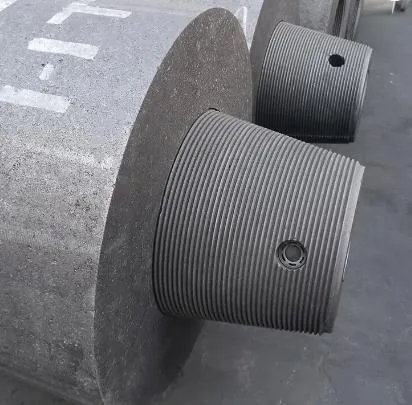
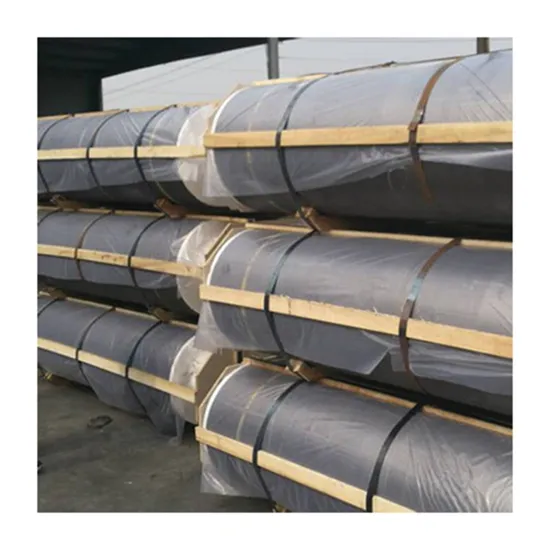
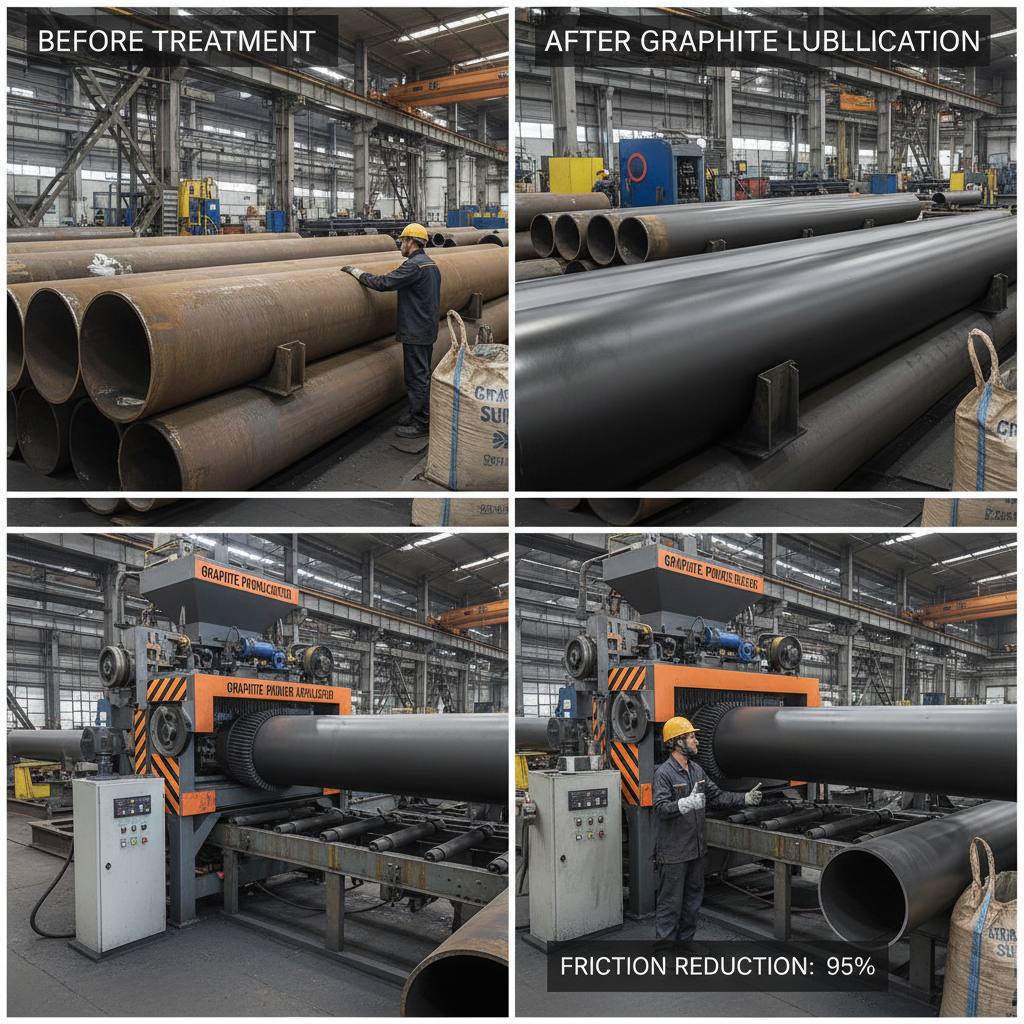
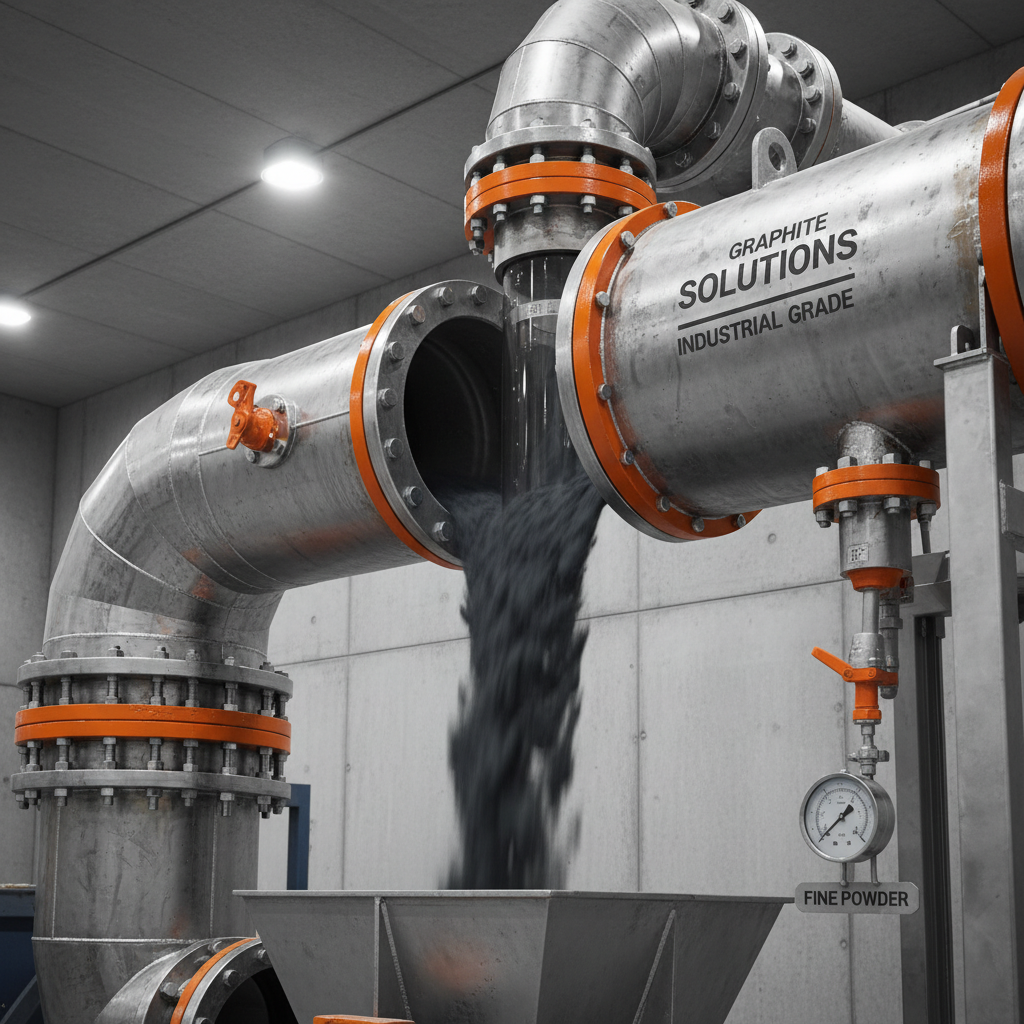
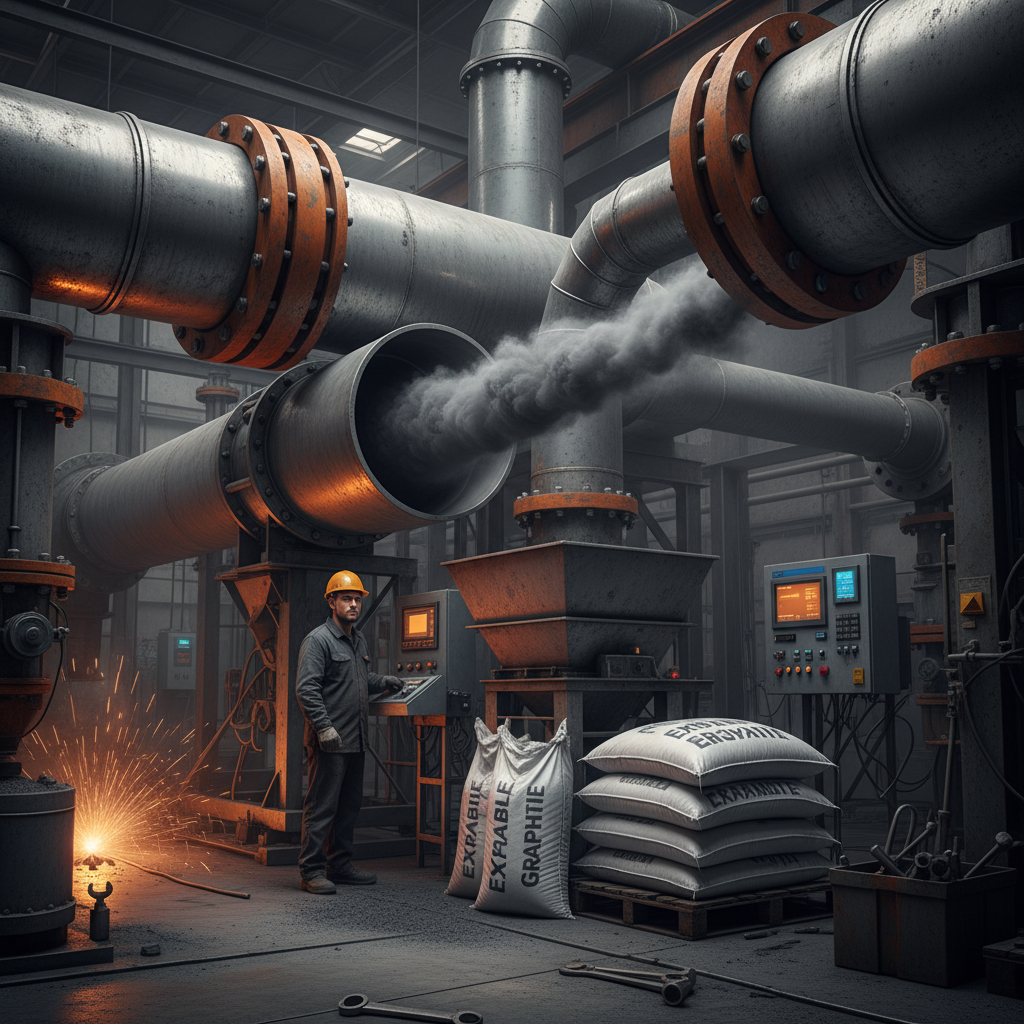
After spending well over a decade in the industrial equipment sector, I've seen materials come and go, but carbon graphite plate has a surprising staying power. It's that blend of versatility and resilience that makes it such a staple across multiple industries. If you work with high-temperature or corrosive environments, you've probably bumped into these plates sooner or later.
Frankly, what sets carbon graphite plates apart is how they balance performance with customization opportunities. When I first started, there was this weird belief that graphite was fragile, but it’s mostly myth—these plates can withstand some pretty rigorous conditions, especially when engineered right.
In real terms, they're a composite of carbon fibers and graphite, often manufactured through controlled heat treatment. This results in a material that’s lightweight but incredibly strong, with excellent thermal and electrical conductivity. Plus, resistance to chemical attack is no joke—I've personally seen carbon graphite parts hold up when most metals would have corroded away.
Why Choose Carbon Graphite Plates?
Many engineers tell me they choose these plates because of their excellent combination of low thermal expansion, high temperature resistance, and chemical inertness. They’re used in heat exchangers, fuel cells, semiconductor equipment, even in mold manufacturing. Oddly enough, although it sounds high-tech and complicated, the customization options make it accessible to various sizes and shapes depending on your project.
Something I noticed during a project with a client last year was how they needed highly precise tolerances for plates in a corrosive environment. Custom machining of carbon graphite was critical—and it worked beautifully. The plates held up without warping, and the client’s process efficiency improved noticeably.
Typical Specifications of Carbon Graphite Plates
| Property | Typical Value | Units |
|---|---|---|
| Density | 1.5 - 1.7 | g/cm³ |
| Flexural Strength | 25 - 40 | MPa |
| Thermal Conductivity | 100 - 200 | W/m·K |
| Operating Temperature | Up to 3000 | °C (non-oxidizing) |
| Oxidation Resistance | Enhanced with coatings | N/A |
Comparing Leading Vendors of Carbon Graphite Plates
It’s not just the specs that matter though. Suppliers differ quite a bit in quality control, customization support, and delivery speed. I’ve worked with a few well-known vendors and here’s a quick comparison based on those factors:
| Vendor | Quality Control | Customization Options | Typical Lead Time | Price Range |
|---|---|---|---|---|
| NL Graphite | Excellent with ISO certification | Highly flexible, CNC machining available | 2-4 weeks | Mid-range |
| Vendor B | Good, occasional delays reported | Limited to standard sizes | 3-6 weeks | Lower-end |
| Vendor C | Top-tier but expensive | Custom materials, advanced coatings | 4-8 weeks | Premium |
Choosing the right vendor is almost as important as the plate specs themselves, so do shop around and ask for samples if you can. A good vendor will offer you advice tailored to your application rather than pushing shelf stock. That personalized approach can save you headaches down the line.
One last note — when working with carbon graphite, handling and machining demand care because of their abrasive nature. You sort of get used to those nuances over time. That’s part of the charm, really.
So there you have it: solid, adaptable, and remarkably enduring. Carbon graphite plates aren’t just a product; they’re an industrial staple with stories behind every cut and curve.
One of many materials that quietly power modern industry — and one I’m glad to still be working with.
References
- Technical Datasheets and Industry Publications on Graphite Composites
- Interviews and Case Studies from Industry Professionals
- Material Testing Reports from Certified Labs
 Pervious
 Next
Next