


- Englist

Phone:
tel:+8615511858977

Email:
info@nalaibio.com

High-Purity Graphite Rods for Electrolysis - Competitive Price & Factory Supply

Explore the evolving landscape of graphite rods for electrolysis with a deep-dive into product specifications, manufacturing excellence, comparative analysis, and industry applications.
From raw material selection, through process controls, to end-use case studies—learn why graphite rods remain indispensable to modern electrolytic and high-temperature industrial processes.
From raw material selection, through process controls, to end-use case studies—learn why graphite rods remain indispensable to modern electrolytic and high-temperature industrial processes.
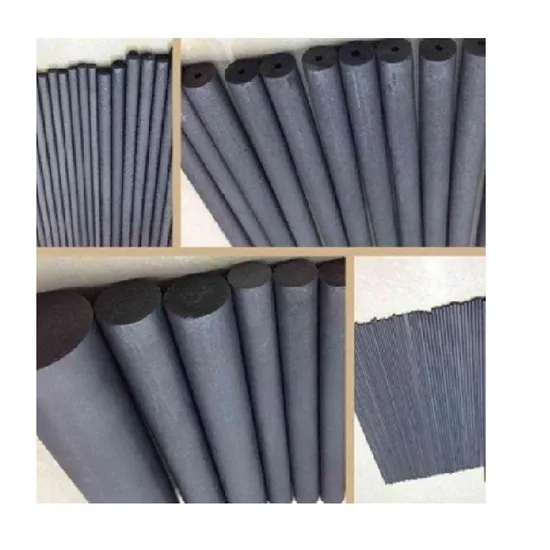
Graphite Rod Grained Rod That Is Machinable and Rated to a High Temperature (2400º C Heat Treating)
1. Industry Overview: The Strategic Role of Graphite Rods for Electrolysis
The global demand for graphite rods for electrolysis is surging, fueled by technical advances in processes spanning water treatment, metallurgy, and the chemical industry.
According to MarketsandMarkets, the global specialty graphite market is projected to hit USD 2.9 billion by 2027 (MarketsandMarkets, 2023), with electrodes for electrolytic processes contributing a significant share.
Recent years have seen a technological shift: graphite's high electrical conductivity (as high as 1.2 × 10⁵ S·m-1), thermal resistance, and anti-corrosive properties have made it an industry gold standard for high-performance electrodes in:
According to MarketsandMarkets, the global specialty graphite market is projected to hit USD 2.9 billion by 2027 (MarketsandMarkets, 2023), with electrodes for electrolytic processes contributing a significant share.
Recent years have seen a technological shift: graphite's high electrical conductivity (as high as 1.2 × 10⁵ S·m-1), thermal resistance, and anti-corrosive properties have made it an industry gold standard for high-performance electrodes in:
- Pilot and industrial-scale electrolysis (chlor-alkali, water splitting, metal refining)
- Electroplating and surface treatment
- Waste-water treatment and environmental remediation
- Battery and energy storage sectors
- Hydrogen production and electrochemical sensors
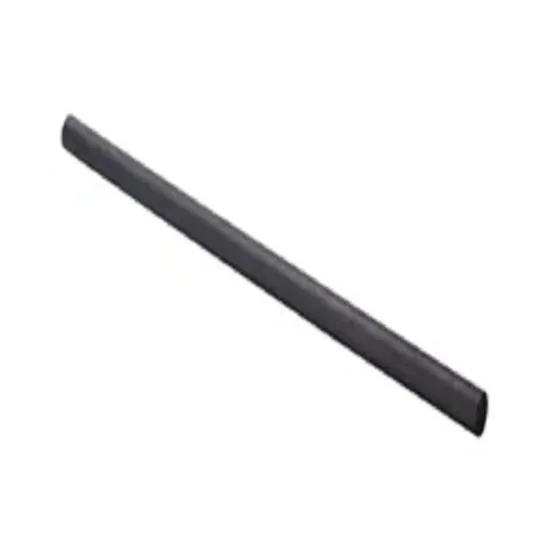
Industry trend: Carbon rod vs graphite – Comparative analysis
2. Technical Specification of Graphite Rods for Electrolysis
Graphite Rod Grained Rod That Is Machinable and Rated to a High Temperature (2400º C Heat Treating) offers outstanding specifications for industrial electrolytic application, holding prominent certifications including ISO 9001 and following ANSI B16.5 mechanical standards. Key technical parameters include:
| Parameter | Specification | Industry Standard |
|---|---|---|
| Material | High-purity Isostatically Pressed Graphite (99.99% C) | ISO 9001:2015 |
| Grade | Fine-Grained Graphite | ANSI B16.5 |
| Diameter Range | 4mm – 300mm (customizable) | Customer specification |
| Length Range | 50mm – 2000mm | ISO tolerance ±0.05mm |
| Bulk Density | 1.72–1.86 g/cm³ | ISO 18754:2013 |
| Flexural Strength | 43–75 MPa | ISO 178 |
| Electrical Resistivity | 7–12 μΩ·m | ASTM C614 |
| Operating Temperature | Up to 2400ºC (no oxidation) | N/A |
| Machinability | High (CNC, lathe, milling) | N/A |
| Thermal Expansion Coefficient | 4.5 × 10⁻⁶ /K | ISO 80018-1 |
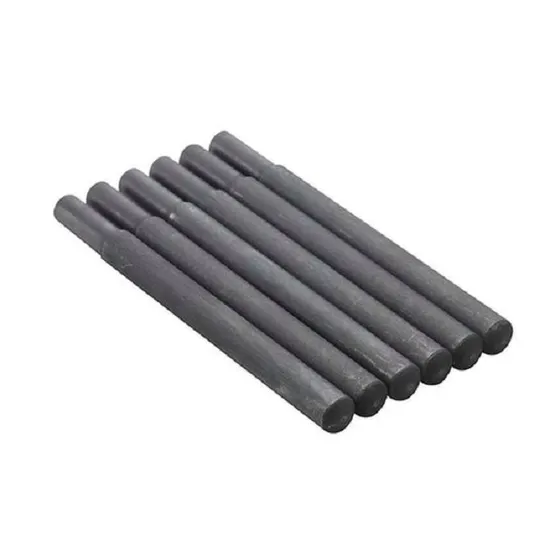
High-precision graphite rods factory: quality control & production lines
3. Manufacturing Process Flow for Graphite Rods for Electrolysis
The modern manufacturing of graphite rods for electrolysis employs a blend of traditional craftsmanship and advanced automation. Below is an annotated process flow:
①Raw Material Selection
High-purity petroleum coke, needle coke, coal tar pitch
(Impurity ≤0.01%, critical for electrical conductivity)
High-purity petroleum coke, needle coke, coal tar pitch
(Impurity ≤0.01%, critical for electrical conductivity)
➞
②Mixing & Shaping
Homogenized carbon blending, forming under high force (hydraulic pressing or isostatic pressing)
Homogenized carbon blending, forming under high force (hydraulic pressing or isostatic pressing)
➞
③Baking & Roasting
Sintering at 900–1200ºC; creation of graphitic structure
Sintering at 900–1200ºC; creation of graphitic structure
➞
④Graphitization
Ultra-high temperature (2400–3000ºC) in controlled atmosphere for maximum conductivity
Ultra-high temperature (2400–3000ºC) in controlled atmosphere for maximum conductivity
➞
⑤Machining (CNC & Lathe)
Custom sizing, tolerance control ±0.05mm, surface finishing
Custom sizing, tolerance control ±0.05mm, surface finishing
➞
⑥Quality Control & Inspection
Electrical, mechanical, dimensional, chemical tests (ISO, ANSI standards)
Electrical, mechanical, dimensional, chemical tests (ISO, ANSI standards)
➞
⑦Packing & Logistics
Anti-static, moisture-proof packaging for global shipment
Anti-static, moisture-proof packaging for global shipment
Inspection & Certification: Every batch is tested per ISO 9001:2015 and ANSI/ASTM guidelines for density, electrical and flexural strength, impurity, and dimensional precision.
Key Industry Applications: Petrochemical, steel metallurgy, water treatment, environmental engineering, pharmaceutical
Key Industry Applications: Petrochemical, steel metallurgy, water treatment, environmental engineering, pharmaceutical
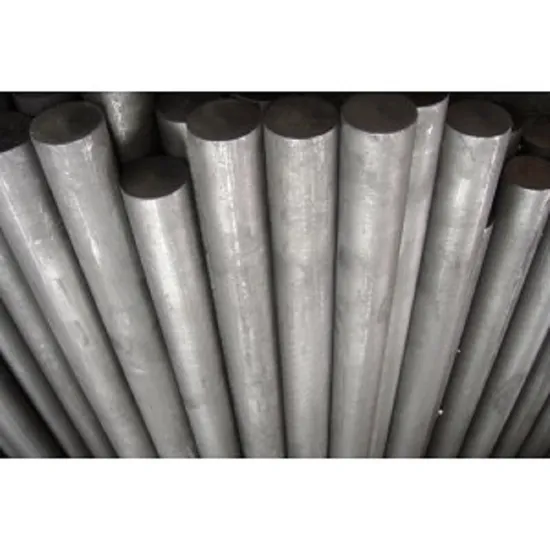
Graphite rods for electrolysis application scene: High-temperature, anti-corrosion
4. Data Visualization: Parameters & Trends for Graphite Rods for Electrolysis
Use the charts below to compare technical metrics and market trends for graphite rods for electrolysis and related products.
- Electrical Conductivity and Flexural Strength are decisive in electrolytic performance.
- Compared with classic carbon rods, graphite rods demonstrate superior conductivity and lifespan (source: ACS Applied Materials & Interfaces).
| Property | Graphite Rod (Fine grain) | Carbon Rod |
|---|---|---|
| Electrical Conductivity (S·m-1) | 100,000 – 120,000 | 20,000 – 35,000 |
| Max Service Temp (ºC) | 2400+ | 620 – 950 |
| Corrosion Resistance | Excellent | Good |
| Machinability | High | Medium |
| Estimated Lifespan (Hrs) | 3000–5200 | 900–1400 |
| Typical Price (USD/pc) | 6–34 | 2–9 |
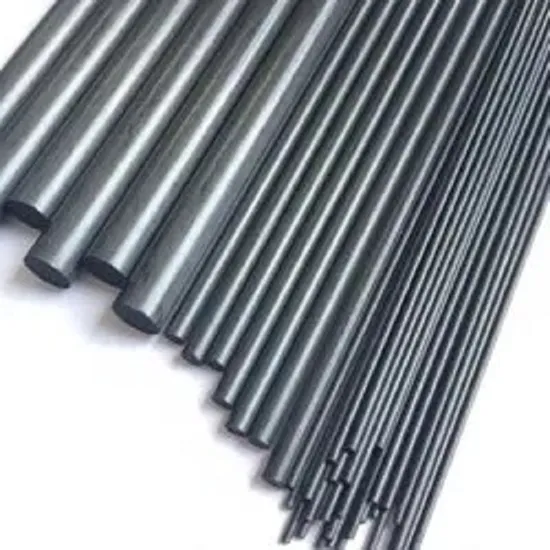
Graphite rod price composition & cost analysis
5. Manufacturer Comparison: Graphite Rods Factory Insights & Price Breakdown
| Factory | Market Focus | Certifications | Price (USD/PC) | MOQ (Pieces) | Custom Machining | Lead Time (Days) |
|---|---|---|---|---|---|---|
| NL Graphite (China) | Electrolysis, Metallurgy | ISO 9001, SGS | 6–34 | 20 | Yes (CNC, custom grade) | 7–15 |
| GrafTech (US) | Electrodes, Foundry | ISO 14001 | 21–67 | 100 | Yes | 14–30 |
| Toyo Tanso (Japan) | Semiconductor, Medical | ISO 9001, ISO 14001 | 28–90 | 10 | Yes | 20–35 |
| IGM Graphite (India) | General Industry | ISO 9001 | 9–41 | 30 | Limited | 12–22 |
*Price and lead times last updated Q1 2024; variations based on volume and technical specification.
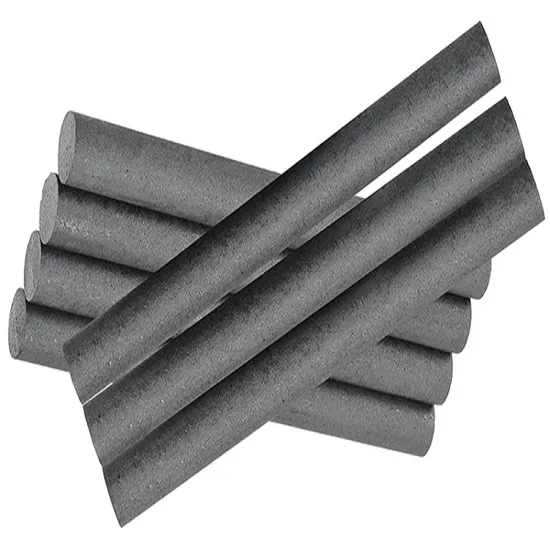
Automated graphite rods for electrolysis manufacturer: ISO/ANSI-Certified
6. Custom Solutions: Engineering, Support, and Delivery
Custom Machining: Precise CNC turning and milling for any diameter (4–300mm), length (up to 2000mm), and thread profile per customer technical drawings. Tolerance down to ±0.03mm for critical applications.
Application Engineering: Engineering support for process integration (electrolysis cell design, cathode/anode geometry, corrosion mitigation).
Surface Treatments: Options include anti-oxidant coatings, surface densification, boronization, SiC impregnation.
QC/QA cycles at critical stages, 100% traceability.
Delivery & Support: Typical production lead time: 7–18 days, with full export compliance documentation (CE, RoHS).
Application Engineering: Engineering support for process integration (electrolysis cell design, cathode/anode geometry, corrosion mitigation).
Surface Treatments: Options include anti-oxidant coatings, surface densification, boronization, SiC impregnation.
QC/QA cycles at critical stages, 100% traceability.
Delivery & Support: Typical production lead time: 7–18 days, with full export compliance documentation (CE, RoHS).
Warranty & After-sales: Products guaranteed for 12–24 months under standard usage. 24-hour response technical support and global logistics tracking.
7. Application Case Studies & Customer Feedback
- Electrolytic Chlorine Generation, Middle East Water Utility (2023): Replaced titanium anodes with graphite rods for electrolysis (Ø50×1200mm), resulting in operational cost reduction by 31%, lifespan extended from 9 to 34 months, with stable chlorine output levels.
- Metallurgical Refining, EU Special Alloys Plant (2022): Deployed fine-grained graphite rods for cathodic protection, complying with ISO 9001:2015. Improved anti-corrosion capacity and compatibility with high-current DC cells led to 19% lower power consumption compared to previous carbon rod solution.
- Feedback (Pharmaceutical Co, India, 2023): “NL Graphite’s rods offered the best machinability for micro-electrolyzer assembly. Dimensional repeatability and after-sales technical assistance have been exemplary.”
8. FAQ – Expert Answers on Graphite Rods for Electrolysis
- 1. What material is used in graphite rods for electrolysis?
- Fine-grained, high-purity isostatically pressed graphite (99.99% C), offering outstanding electrical and corrosion-resistant properties.
- 2. What are common product specifications?
- Diameter: 4mm–300mm; Length: 50–2000mm; Bulk density: 1.72–1.86g/cm³; Electrical resistivity: 7–12μΩ·m; Service temperature: up to 2400ºC (non-oxidative).
- 3. Carbon rod vs graphite rod: key differences?
- Graphite rods outperform carbon rods in conductivity (by over 3x), max operating temperature, and lifespan, making them ideal for demanding industrial electrolytic tasks.
- 4. Are custom machining and thread forms available?
- Yes. Full CNC machining for tailored diameter, length, threading (male/female), and shaped anodes/cathodes as per your drawings or standards (ISO, DIN, JIS).
- 5. What testing standards apply?
- ISO 9001:2015, ASTM C614, ANSI B16.5—ensuring conformity in mechanical, electrical, and purity metrics.
- 6. Installation guidance?
- Rods should be installed with corrosion-resistant holders and bushings as per IEC 60529, and operated under recommended current densities to prevent localized overheat.
- 7. What is the typical lead time and warranty?
- Standard lead time is 7–18 days (custom dependent); warranty 12–24 months against material or manufacturing defects.
9. Delivery, Warranty & Customer Support Policy
Delivery: Standard delivery in 7–18 business days globally. Proactive shipping updates, with export documentation support.
Warranty: 12–24 months depending on application conditions; extended warranty available for regular volume customers.
Customer Support: Pre-sale engineering consultation, 24/7 after-sales troubleshooting, technical know-how transfer and installation advice.
Contact: For direct quotation or technical support, visit graphite rods for electrolysis official product page.
Warranty: 12–24 months depending on application conditions; extended warranty available for regular volume customers.
Customer Support: Pre-sale engineering consultation, 24/7 after-sales troubleshooting, technical know-how transfer and installation advice.
Contact: For direct quotation or technical support, visit graphite rods for electrolysis official product page.
10. References & Further Reading
- Graphite Electrodes in Metallurgical Industry, ResearchGate
- Performance Evaluation of Graphite Electrodes, ScienceDirect
- Electrical Engineering Forums: Electrolytic Anodes Discussion
- Journal of Materials Engineering and Performance
- NIH PubChem: Graphite Compound Data
 Pervious
 Next
Next
Related Products
Related News
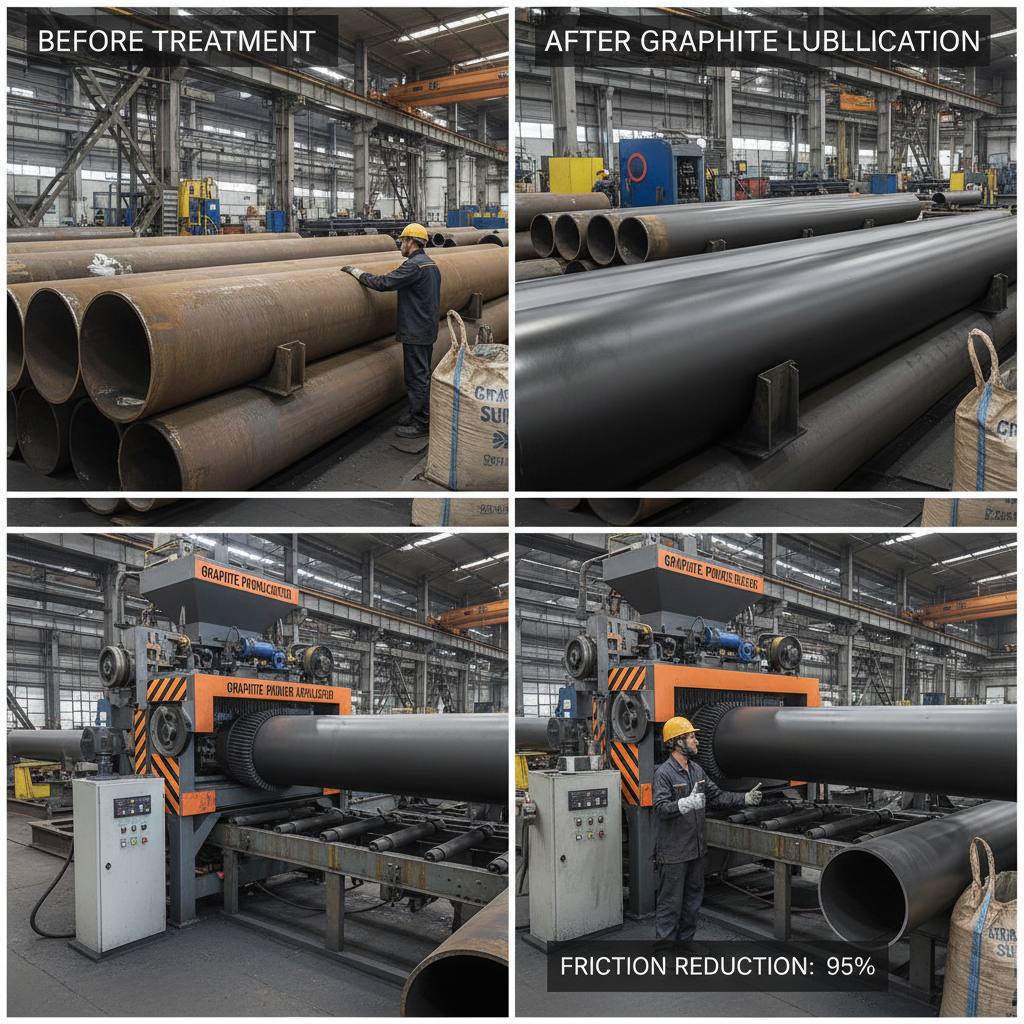
Professional Graphite Powder Supplier for Industrial Excellence
In the modern industrial landscape, the quality of raw materials often dictates the success of the final product. For sectors ranging from lubrication and metallurgy to battery technology, partnering with a reliable graphite powder supplier is not just a procurement choice, but a strategic advantage. High-purity graphite powder provides essential properties such as superior electrical conductivity, thermal stability, and an incredibly low coefficient of friction. However, with numerous options in the global market, distinguishing a premium supplier from a mediocre one requires a deep understanding of material grades and quality control standards.
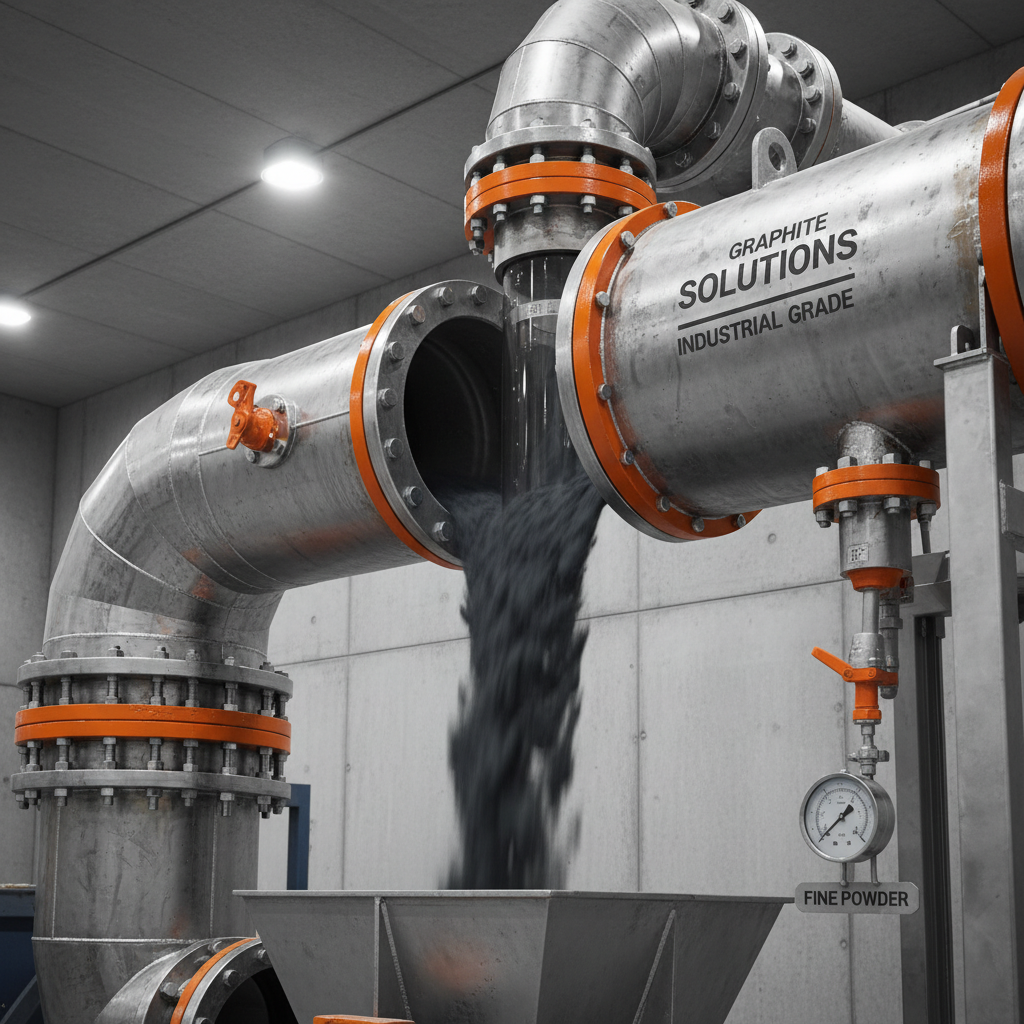
Reliable Graphite Powder Manufacturer for Industrial Applications
In the modern industrial landscape, the quality of raw materials can make or break the efficiency of a production line. Finding a reliable graphite powder manufacturer is essential for businesses requiring high-performance lubricants, conductive additives, or heat-resistant materials. Graphite powder, known for its exceptional lubricity and thermal conductivity, serves as a cornerstone in everything from automotive parts to advanced electronics. Selecting a partner who understands the nuance of particle size distribution and purity levels ensures that your end product meets rigorous international standards. In this guide, we will explore the critical factors to consider when sourcing graphite

High Performance Lubrication Guide for Micronized Graphite
In the world of industrial materials, precision is everything. micronized graphite represents the pinnacle of carbon engineering, offering an ultra-fine powder form of graphite that provides exceptional lubricating and conductive properties. Unlike standard graphite, the micronized version is processed to achieve a specific, consistent particle size, making it indispensable for high-tech applications where friction reduction and thermal management are critical. Whether you are formulating advanced lubricants or enhancing composite materials, understanding the nuances of this material is key to optimizing your product's performance. In this guide, we will explore the technical advantages and diverse industrial applications of this versatile material.
Industrial Applications and Properties of graphite fine powder
In the world of industrial materials, graphite fine powder serves as a cornerstone for innovation across countless sectors. Known for its exceptional electrical conductivity, thermal stability, and self-lubricating properties, this versatile carbon material is essential for everything from high-tech batteries to heavy-duty machinery. Understanding the nuances of particle size, purity, and grade is critical for engineers and procurement specialists aiming to optimize performance in their final products. In this comprehensive guide, we will explore the technical advantages and diverse industrial roles of this remarkable powder.
Expandable Graphite Powder Properties and Industrial Applications
In the realm of advanced material science, expandable graphite powder has emerged as a revolutionary additive for thermal management and fire safety. Known for its unique ability to expand significantly when exposed to heat, this material transforms from a dense powder into a voluminous, porous structure known as worm-like graphite. This expansion creates an insulating layer that protects underlying substrates from extreme temperatures. Whether you are developing next-generation flame retardants or high-performance thermal interface materials, understanding the nuances of this material is essential for achieving optimal industrial results.
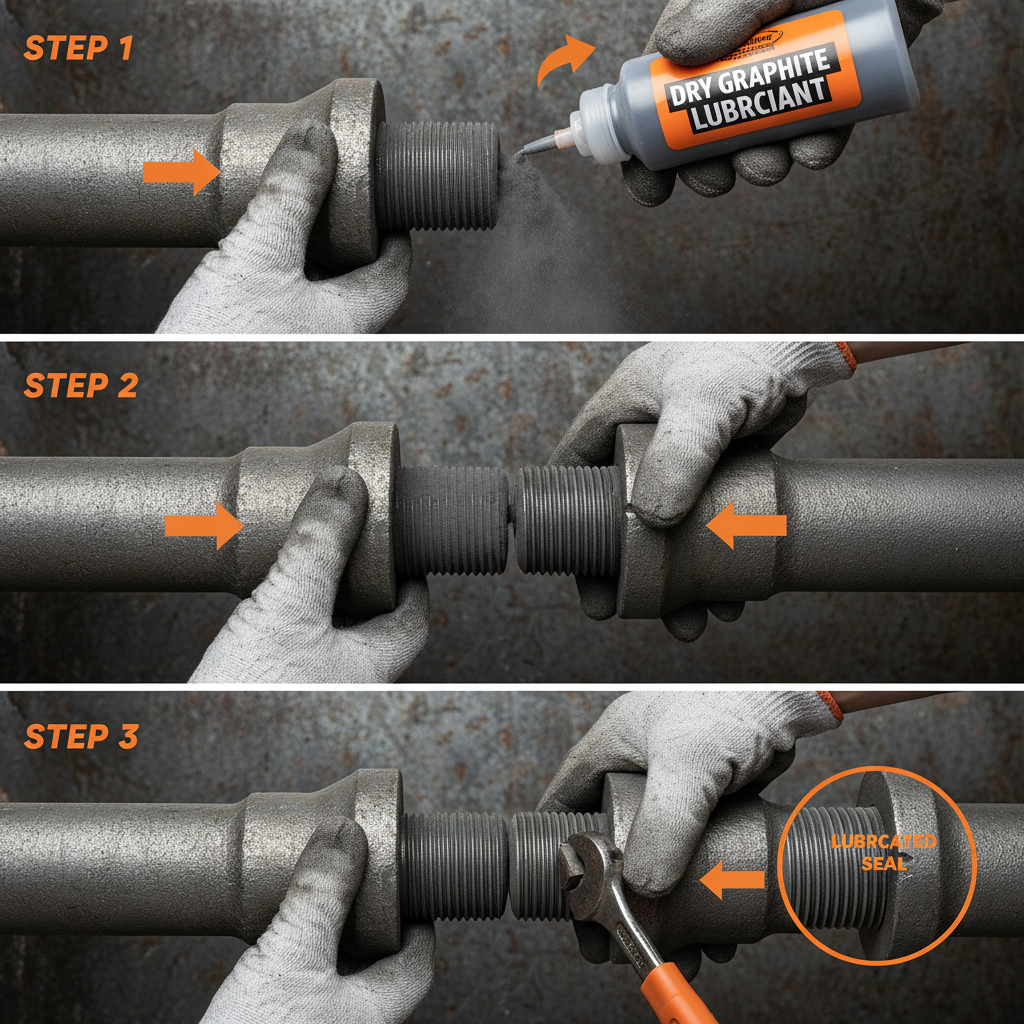
Industrial Guide to High Performance dry graphite lubricant powder
In the world of high-performance machinery and precision engineering, reducing friction is the key to longevity and efficiency. dry graphite lubricant powder has emerged as a superior alternative to traditional oil-based lubricants, especially in environments where cleanliness and extreme temperature resistance are critical. Unlike wet lubricants, dry graphite creates a stable, low-friction film that doesn't attract dust or debris. This article explores the technical advantages, versatile applications, and strategic benefits of integrating high-purity graphite powders into your maintenance routine to ensure seamless operation and reduced downtime.
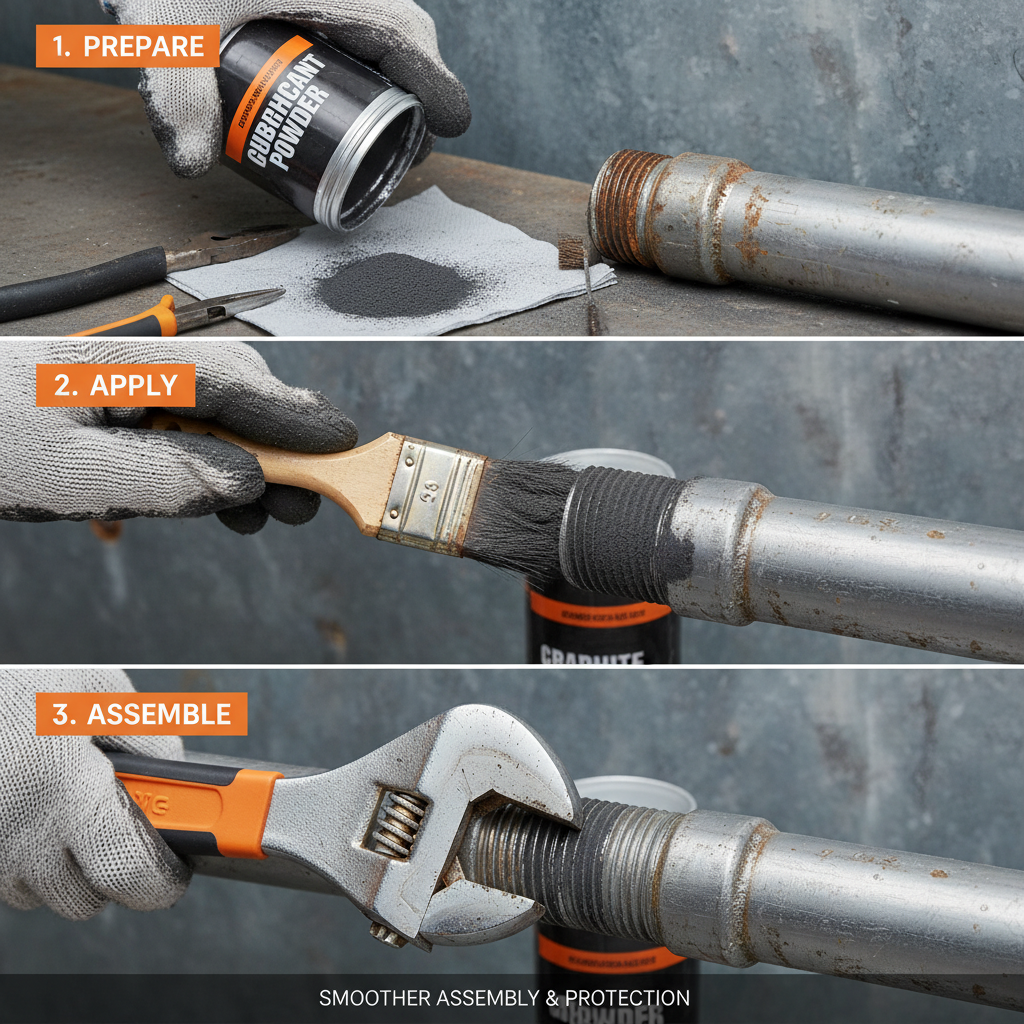
Industrial Efficiency Guide for Graphite Lubricant Powder Use
In the world of industrial maintenance and high-performance machinery, reducing friction is the key to longevity and operational efficiency. graphite lubricant powder has emerged as a superior dry lubrication solution, offering unmatched stability in environments where traditional oils and greases fail. Whether you are dealing with extreme temperatures or vacuum conditions, this specialized powder provides a sleek, protective layer that prevents wear and tear. In this comprehensive guide, we will explore why graphite is the gold standard for dry lubrication and how to choose the right grade for your specific industrial application.

Expanded Graphite Properties Applications and Industrial Guide
In the realm of advanced materials, expanded graphite has emerged as a versatile powerhouse, offering unparalleled thermal and electrical properties. Through a process of intercalation and thermal expansion, natural graphite is transformed into a worm-like structure with a significantly increased surface area and lower density. This unique morphology makes it indispensable in industries ranging from energy storage to fire protection. Whether you are looking to improve heat dissipation in electronics or enhance the safety of architectural coatings, understanding the nuances of this material is key to optimizing your product's performance. In this guide, we will explore why this material is becoming the gold standard



Social Media
Copyright © 2026 Shijiazhuang nalai biotechnology Co., Ltd All Rights Reserved. Sitemap | Privacy Policy | Top Blog | Global Service


