

- Englist



High Purity Graphite Rods: Stable, Conductive & Durable

Understanding High Purity Graphite Rods: An Essential Material in Advanced Industrial Applications
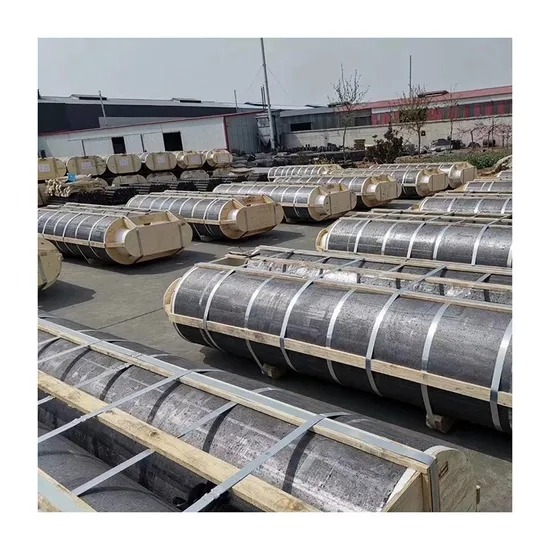
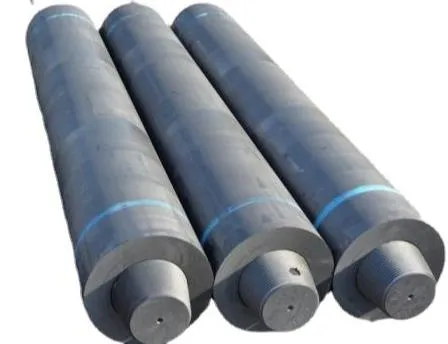
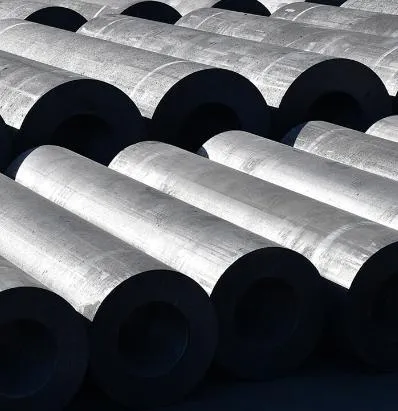
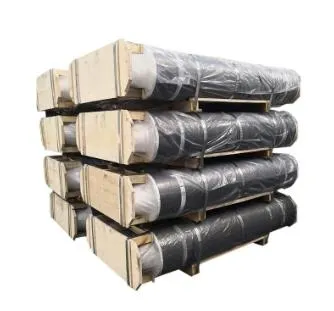
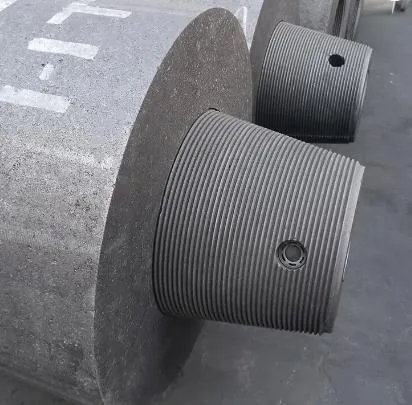
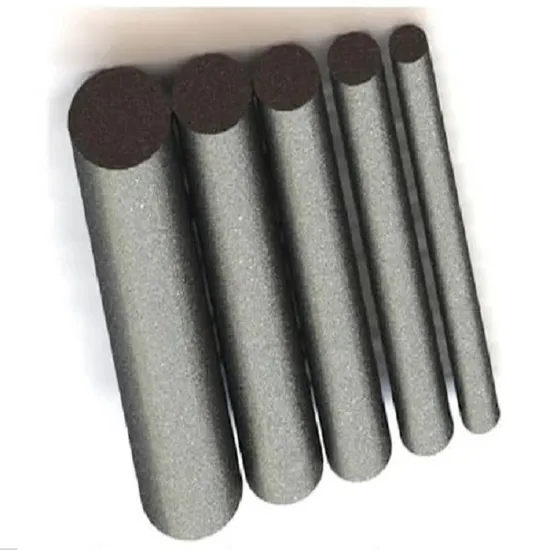
In today's rapidly evolving industrial landscape, the demand for materials capable of withstanding extreme conditions while maintaining exceptional performance is paramount. Among these, the high purity graphite rod stands out as a critical component. These rods are not merely graphite; they represent the pinnacle of carbon engineering, characterized by their minimal impurity levels—often less than 50 parts per million (ppm)—and superior physical properties. This exceptional purity is achieved through rigorous manufacturing processes, including high-temperature graphitization and meticulous purification treatments. The significance of this purity cannot be overstated, as even trace impurities can drastically alter the material's performance, particularly in sensitive applications like semiconductor manufacturing, nuclear energy, and advanced metallurgical processes. The inherent properties of graphite, such as excellent thermal and electrical conductivity, high resistance to thermal shock, and inertness to most chemicals at elevated temperatures, are significantly enhanced when purity is maximized. This makes a high purity graphite rod indispensable for creating electrodes, heating elements, crucibles, and molds where integrity and performance under harsh conditions are non-negotiable. The ability of these pure graphite rods to maintain structural stability and electrical properties at temperatures exceeding 2000°C makes them superior to many conventional materials, ensuring longevity and efficiency in demanding environments, which translates directly into cost savings and operational reliability for industrial clients. Furthermore, the uniform microstructure of a solid graphite rod ensures consistent performance, a critical factor for precision industrial processes.
Industry Trends and Market Demand for Pure Graphite Rods
The global market for advanced materials is experiencing robust growth, with a significant upward trend observed in the demand for pure graphite rod solutions. This surge is primarily driven by expansions in high-tech sectors that require materials with exceptional thermal, electrical, and chemical properties. Industries such as semiconductor manufacturing, where graphite components are crucial for crystal growth and deposition processes; photovoltaic production, where rod graphite is used in silicon ingot processing; and emerging fields like electric vehicle battery production, which utilize graphite for anodes, are fueling this demand. The increasing focus on energy efficiency and sustainable manufacturing also plays a pivotal role. For instance, in metallurgical processes, the use of high purity graphite rod as an electrode material in electric arc furnaces (EAFs) enables more efficient and cleaner steel production, reducing energy consumption by up to 15% compared to traditional methods, and significantly lowering greenhouse gas emissions. Furthermore, the aerospace and defense sectors demand lightweight, high-strength, and high-temperature resistant materials, where graphite's unique properties provide distinct advantages. The trend towards miniaturization and higher performance in electronics also necessitates purer materials to prevent contamination and ensure consistent device functionality. This evolving landscape places a premium on manufacturers capable of delivering customized, high-quality graphite solutions that meet stringent industry standards, such as ISO 9001 for quality management and ANSI standards for material specifications. The long service life and minimal maintenance requirements of these rods, often exceeding typical operational cycles by 30-50% in demanding applications, contribute to a lower total cost of ownership, making them an economically attractive choice for long-term industrial investments.
Detailed Manufacturing Process of High Purity Graphite Rods
The production of a high purity graphite rod is a sophisticated multi-stage process that begins with the selection of premium raw materials, typically petroleum coke or pitch coke, known for their low ash content. The journey to a finished product involves several critical steps designed to refine the material's structure and enhance its purity. Firstly, the raw coke is crushed, ground, and screened to achieve a precise particle size distribution. This fine powder is then mixed with a binder, usually coal tar pitch, to form a homogeneous paste. This mixture is then subjected to forming processes such as extrusion or isostatic pressing. Extrusion, commonly used for rods, pushes the paste through a die, while isostatic pressing applies uniform pressure from all directions, resulting in a denser, more isotropic material with enhanced mechanical properties. After forming, the "green" graphite rods undergo baking or carbonization at temperatures ranging from 800°C to 1200°C in a protective atmosphere, transforming the binder into a carbon matrix and increasing the material's strength. The critical step for purity and ultimate performance is graphitization, where the carbonized rods are heated to extremely high temperatures, typically between 2500°C and 3000°C, in a graphitizing furnace. This process transforms the amorphous carbon into highly ordered graphitic crystalline structures, significantly improving thermal and electrical conductivity, and chemical inertness. To achieve "high purity," an additional purification step, often using halogen gases at elevated temperatures, is employed to remove metallic and non-metallic impurities to levels often below 5 ppm. Finally, the rods undergo precision machining, including turning, grinding, and CNC operations, to meet exact dimensional tolerances and surface finish requirements, followed by rigorous quality control and inspection, adhering to standards like ASTM, JIS, and ISO for properties such as bulk density, electrical resistivity, and flexural strength, ensuring each solid graphite rod meets the highest performance benchmarks and has a predictable service life in applicable industries like petrochemical, metallurgy, and water treatment, offering benefits such as anti-corrosion and energy efficiency in specific applications.
Technical Specifications and Parameters of High Purity Graphite Rod
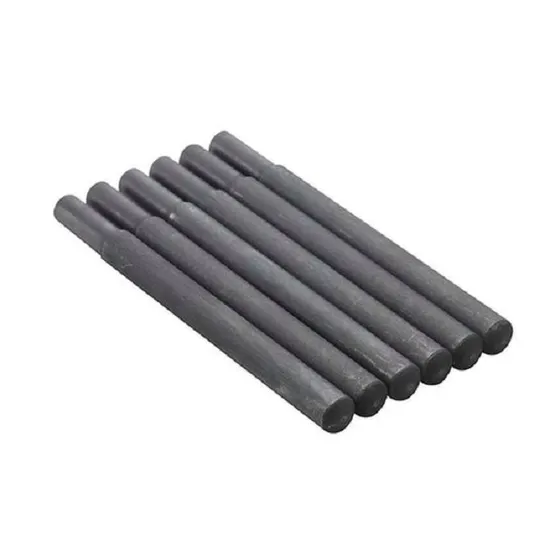
The performance of a high purity graphite rod is quantifiable through a range of critical technical parameters that dictate its suitability for specific industrial applications. These parameters are rigorously tested and certified to ensure optimal functionality and reliability. Key metrics include bulk density, which signifies the material's compaction and porosity, directly influencing its mechanical strength and thermal shock resistance. A higher bulk density (e.g., 1.80 g/cm³ or more) generally indicates superior quality. Electrical resistivity, measured in micro-ohm-meters (μΩ·m), is crucial for applications involving current conduction; lower resistivity means better conductivity. Thermal conductivity, conversely, indicates the material's ability to transfer heat, vital for thermal management components like heat sinks or furnace linings. Flexural strength (Modulus of Rupture, MOR) and compressive strength define the material's resistance to bending and crushing forces, respectively, indicating its structural integrity. The Coefficient of Thermal Expansion (CTE) is vital for thermal cycling applications, ensuring minimal dimensional changes with temperature fluctuations. Ash content, expressed in parts per million (ppm), is the most direct measure of purity, with premium pure graphite rod types often boasting levels below 50 ppm, often as low as 5 ppm. Carbon content, typically exceeding 99.99%, confirms the material's primary composition. Understanding these specifications is essential for engineers and procurement specialists to select the correct rod graphite for their demanding applications, ensuring the chosen material aligns precisely with operational requirements and environmental challenges, thereby maximizing efficiency and minimizing downtime. This detailed characterization ensures that a solid graphite rod will perform consistently and reliably, meeting the exacting standards of industries reliant on extreme operating conditions.
| Property | Unit | Value Range | Significance |
|---|---|---|---|
| Bulk Density | g/cm³ | 1.75 - 1.90 | Indicates material compaction; higher density for greater strength. |
| Purity (Carbon Content) | % | ≥99.99 | Crucial for preventing contamination in sensitive applications. |
| Ash Content | ppm | ≤50 (often ≤5) | Lower is better for ultimate purity requirements. |
| Electrical Resistivity | μΩ·m | 5 - 12 | Excellent electrical conductor, vital for electrodes and heating elements. |
| Thermal Conductivity | W/(m·K) | 100 - 200 | Efficient heat dissipation or transfer. |
| Flexural Strength | MPa | 30 - 60 | Resistance to bending forces, indicative of mechanical robustness. |
| Coefficient of Thermal Expansion (CTE) | x10⁻⁶/°C | 2.0 - 5.0 | Low CTE minimizes thermal stress and distortion. |
| Shore Hardness | HSD | 30 - 60 | Resistance to indentation, affecting machinability and wear. |
Key Technical Advantages and Diverse Application Scenarios
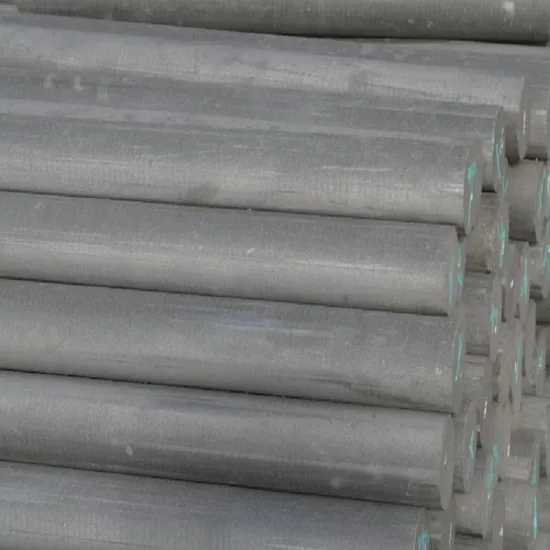
The inherent technical advantages of a high purity graphite rod position it as a superior material across a multitude of demanding industrial sectors. Its exceptional thermal stability allows it to operate effectively in temperatures exceeding 2500°C in inert atmospheres, making it ideal for high-temperature furnace components, such as heating elements, insulation, and linings. The material's outstanding electrical conductivity, coupled with its low electrical resistivity, makes it an excellent choice for electrodes in various smelting and refining processes, including electric arc furnaces (EAFs) for steel production and induction heating applications, where consistent energy transfer is paramount. Furthermore, graphite's chemical inertness means it resists corrosion from most acids, alkalis, and molten metals, extending the lifespan of components in harsh chemical environments, such as those found in petrochemical processing, wastewater treatment, and chemical synthesis. Its high resistance to thermal shock, a critical property where rapid temperature changes occur, prevents cracking and degradation, ensuring operational integrity. Industries like semiconductor manufacturing heavily rely on the ultra-high purity of these rods for crystal growth (e.g., Czochralski method) and epitaxial deposition processes, where even trace impurities can render microelectronics useless. In metallurgy, they serve as crucial molds and crucibles due to their non-wetting properties with many molten metals and their ability to withstand repeated heating and cooling cycles. The pure graphite rod also finds extensive use in nuclear applications as a neutron moderator due to its low neutron absorption cross-section. For manufacturers aiming for energy efficiency, graphite components, especially heating elements, contribute to significant energy savings due to their efficient heat transfer capabilities and stable performance, leading to reduced operational costs. This broad utility underscores the versatility and indispensable nature of rod graphite in advancing industrial capabilities.
Choosing the Right Manufacturer: Customization and Vendor Comparison
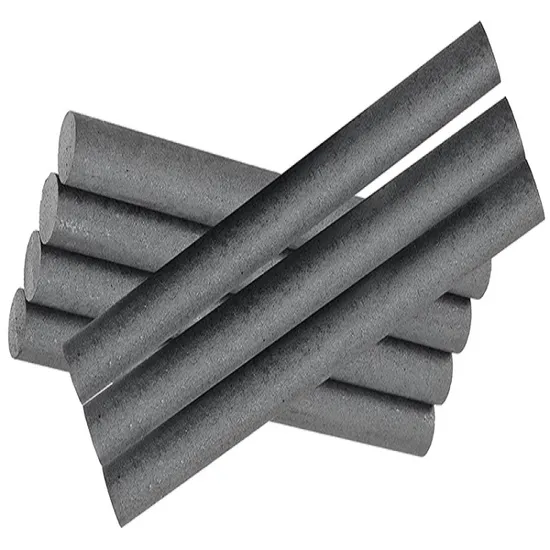
Selecting the appropriate manufacturer for a high purity graphite rod is a critical decision that significantly impacts the performance, cost-efficiency, and reliability of your industrial operations. It's not just about procuring a product; it's about partnering with a provider who offers expertise, experience, and trustworthiness. When evaluating manufacturers, key considerations include their technological capabilities, especially regarding high-temperature purification processes and precision machining like CNC. A reputable manufacturer will possess advanced in-house testing facilities to verify properties such as ash content, bulk density, and electrical resistivity, adhering to international standards (e.g., ISO, ASTM). The ability to offer custom solutions is another crucial differentiator. Off-the-shelf pure graphite rod products may not always perfectly fit unique application requirements. Therefore, a manufacturer offering tailored dimensions, specific purity levels, or specialized coatings based on detailed engineering drawings and performance specifications provides immense value. Evaluate their service history and client testimonials; a provider with a long service tenure and a track record of successful partnerships across diverse industries—from semiconductors to aerospace—demonstrates reliability. Compare not just price, but also lead times, delivery schedules, and post-purchase support, including technical consultation and warranty policies. For instance, some manufacturers might specialize in extruded rod graphite for general industrial use, while others excel in isostatically pressed materials for ultra-high purity applications. A comprehensive comparison might look at their capacity to handle both large-volume orders and intricate, one-off custom designs. Transparency in their manufacturing processes and certifications (e.g., ISO 9001:2015) further build confidence, ensuring you receive a consistently high-quality solid graphite rod that meets your exact needs, thereby optimizing your production processes and enhancing overall operational efficiency.
Customer Success Stories and Quality Assurance
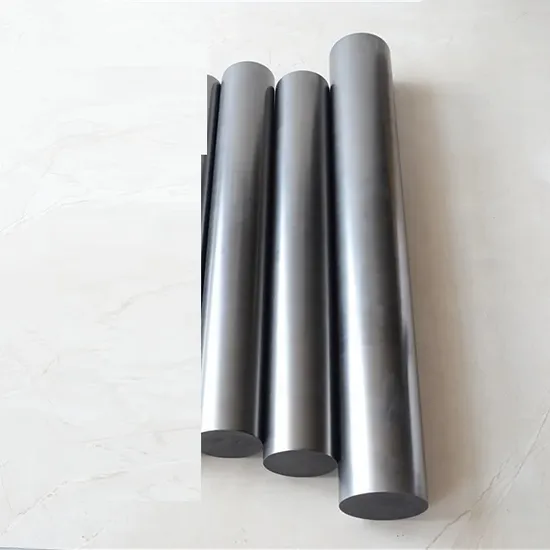
Our commitment to delivering the highest quality high purity graphite rod is reflected in numerous customer success stories and our stringent quality assurance protocols. For example, a leading semiconductor manufacturer faced persistent issues with silicon wafer contamination, impacting yield rates. By transitioning to our ultra-high purity graphite components for their crystal growth furnaces, they achieved a significant reduction in metallic impurities, leading to a 12% increase in wafer yield and substantial cost savings. Another instance involves a specialty metals foundry that struggled with the rapid wear of traditional electrodes in their vacuum induction melting furnaces. Our custom-designed pure graphite rod electrodes, engineered for enhanced thermal shock resistance and low erosion rates, extended electrode lifespan by over 40%, drastically reducing downtime and maintenance costs. These cases underscore the tangible benefits of superior graphite material. Our quality assurance framework is built upon a multi-tiered inspection process, starting from raw material verification, through each stage of baking, graphitization, and purification. We utilize advanced analytical techniques, including atomic absorption spectroscopy and X-ray fluorescence, to confirm impurity levels, ensuring every rod graphite meets or exceeds specifications. All products undergo final dimensional checks and surface finish inspections using precision instruments before dispatch. We hold ISO 9001:2015 certification, testifying to our robust quality management systems. Furthermore, our collaboration with independent third-party laboratories for periodic material validation adds an additional layer of trustworthiness, providing clients with verified performance data. This meticulous approach guarantees that our Factory Supply High Quality Graphite Rod with High Carbon Content and Exceptional Heat and Electrical Conductivity performs reliably and consistently, empowering our clients to achieve their most ambitious operational goals with confidence in their solid graphite rod components.
Frequently Asked Questions (FAQ) about High Purity Graphite Rods
Q1: What defines a "high purity" graphite rod?
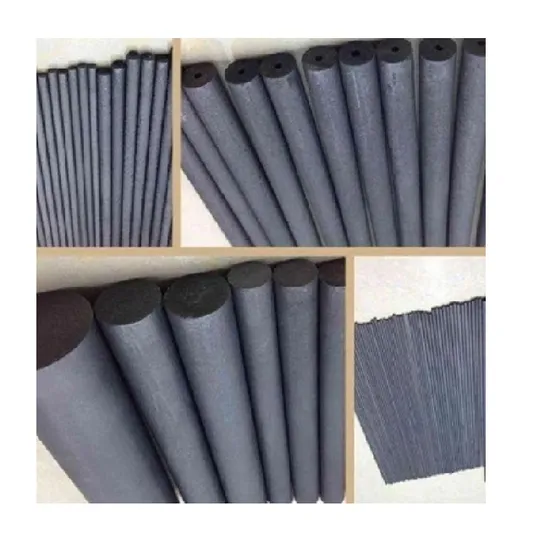
A high purity graphite rod is characterized by an extremely low ash content, typically less than 50 parts per million (ppm) of metallic and non-metallic impurities. Some ultra-high purity grades can achieve impurity levels as low as 5 ppm. This is achieved through advanced purification techniques, such as high-temperature halogen purification, performed after the initial graphitization process. The significance of this purity lies in preventing contamination in sensitive applications like semiconductor manufacturing, nuclear reactors, and specific metallurgical processes where even trace impurities can drastically alter the final product's performance or cause device failure. Without this rigorous purification, the presence of elements like iron, silicon, calcium, and aluminum can lead to undesirable reactions or structural weaknesses, compromising the integrity and reliability of the component. The inherent properties of graphite, such as its thermal stability and electrical conductivity, are amplified by this high level of purity, making the pure graphite rod indispensable for demanding high-tech applications. Our commitment to maintaining these stringent purity levels ensures that our products deliver consistent, reliable performance under the most challenging operational conditions, offering peace of mind to our industrial partners who depend on the highest quality materials for their critical processes.
Q2: What is the typical lead time for a custom high purity graphite rod order?
The lead time for a custom high purity graphite rod order can vary depending on several factors, including the complexity of the design, the required dimensions, the specific purity level, and the order volume. For standard custom orders, such as specific diameters and lengths or minor modifications to existing designs, the typical lead time ranges from 4 to 6 weeks. However, highly complex designs involving intricate CNC machining, specialized coatings, or ultra-high purity requirements might extend this period to 8-12 weeks. This timeframe accounts for the meticulous multi-stage manufacturing process, which includes raw material preparation, forming, baking, high-temperature graphitization, advanced purification, precision machining, and comprehensive quality control checks. We prioritize clear communication throughout the production cycle, providing regular updates on the order status. Our project management team works closely with clients from initial consultation and design specification through to final delivery, ensuring that production schedules align with project timelines as much as possible. For urgent requirements, we encourage clients to discuss their needs with our sales team, as expedited options may be available depending on current production capacity and material stock. Our goal is to balance efficiency with uncompromising quality, ensuring that every solid graphite rod we deliver meets both your technical specifications and your operational deadlines without sacrificing the integrity of the material or manufacturing process.
Q3: What kind of warranty and customer support do you offer for your graphite rods?
We stand behind the quality and performance of every high purity graphite rod we manufacture with a comprehensive warranty and dedicated customer support. Our products are guaranteed against defects in material and workmanship for a period typically ranging from 12 to 24 months from the date of purchase, depending on the product type and application. This warranty covers manufacturing flaws and ensures that the product meets the agreed-upon technical specifications. In the unlikely event of a defect, we commit to prompt investigation, repair, or replacement of the product, minimizing any disruption to your operations. Beyond the warranty, our commitment to customer satisfaction extends to robust technical support. Our team of experienced engineers and material scientists is available to provide expert consultation on material selection, application optimization, and troubleshooting. We offer pre-sale technical advice to help you choose the ideal pure graphite rod for your specific needs, and post-sale support to address any operational questions or challenges. This includes guidance on proper handling, installation, and maintenance to maximize the lifespan and performance of the rod graphite. Our aim is to build long-term partnerships, providing not just a product, but a complete solution supported by unparalleled expertise and responsiveness. We also offer comprehensive documentation, including material safety data sheets (MSDS) and certificates of analysis (COA), to ensure full compliance and transparency for every solid graphite rod supplied.
Conclusion and Authoritative References
The high purity graphite rod is undeniably a foundational material for numerous advanced industrial applications, offering an unparalleled combination of thermal stability, electrical conductivity, chemical inertness, and mechanical strength. Its meticulous manufacturing process, from raw material selection through precision purification and machining, ensures a product that consistently meets the most demanding performance criteria. As industries continue to push the boundaries of high-temperature and extreme environment operations, the demand for this specialized graphite material will only intensify. Partnering with a manufacturer that prioritizes stringent quality control, offers comprehensive technical support, and provides tailored solutions for custom requirements is crucial for maximizing operational efficiency and achieving long-term success. Our commitment to excellence in producing the Factory Supply High Quality Graphite Rod with High Carbon Content and Exceptional Heat and Electrical Conductivity is rooted in decades of experience, backed by international certifications, and validated by the success stories of our diverse clientele. From reducing contamination in semiconductor production to enhancing energy efficiency in metallurgical processes, the strategic integration of a pure graphite rod represents a forward-thinking investment in reliable, high-performance industrial components. We invite you to explore how our expertise in rod graphite solutions can elevate your operational capabilities and contribute to your strategic objectives, ensuring your critical applications are powered by materials of uncompromising quality and purity, providing a durable and reliable solid graphite rod for your most challenging projects.
Authoritative References:
- Pierson, H. O. (1993). Handbook of Carbon-Carbon Composites. Noyes Publications.
- Loehr, H. J. (2018). Graphite and Carbon for Electrochemical Energy Storage. Springer.
- Kelly, B. T. (1981). Physics of Graphite. Applied Science Publishers.
- McEnaney, B., & Mays, T. J. (Eds.). (1998). Carbon Materials for Advanced Technologies. CRC Press.
- Mroz, T. J., & Pierson, H. O. (Eds.). (1995). Carbon Fibers and Their Composites. Springer.
 Pervious
 Next
Next