

- Englist


High-Quality Graphite Tube Factory Insights & Industry Guide

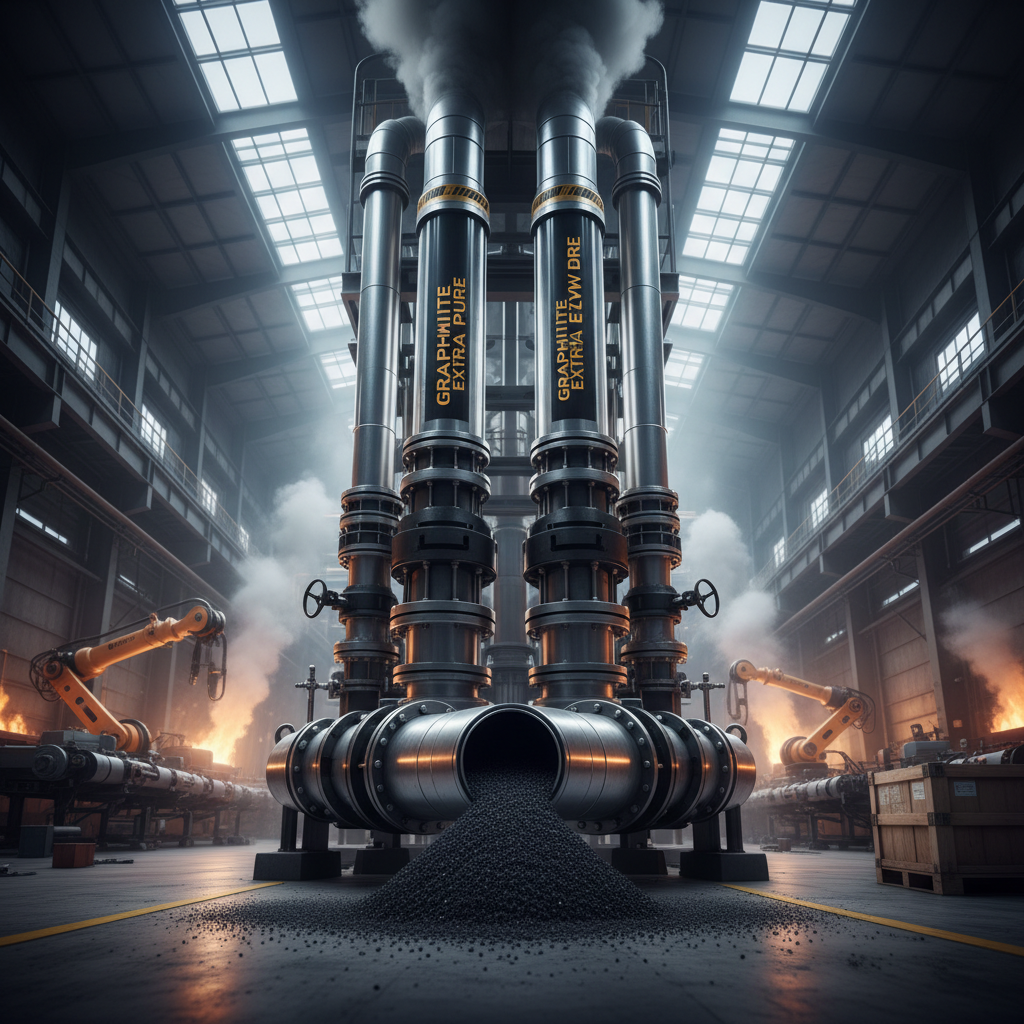
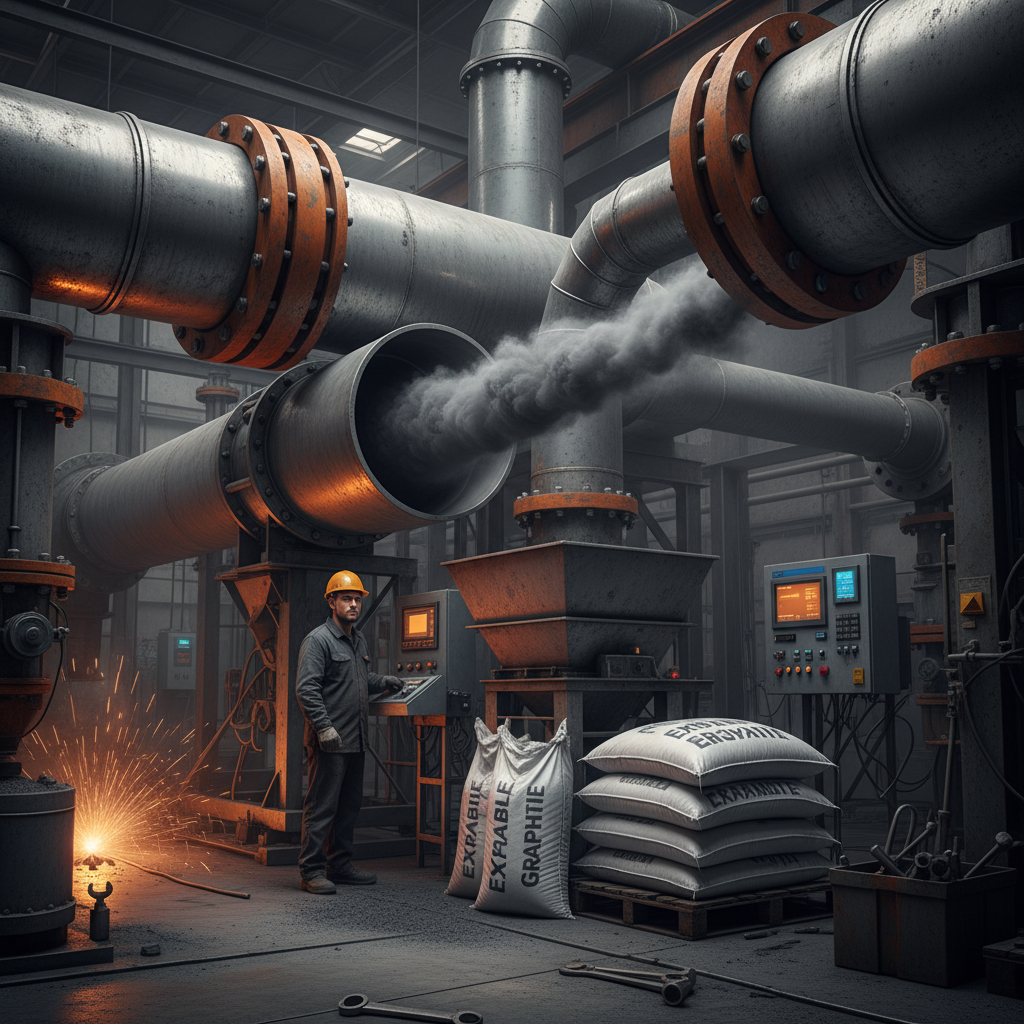
Inside the World of a Graphite Tube Factory
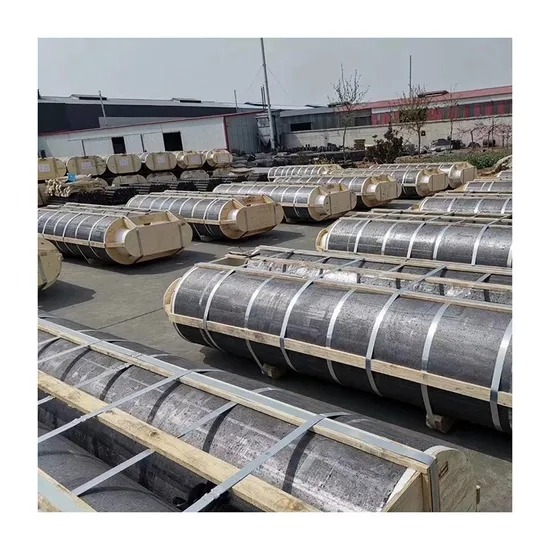
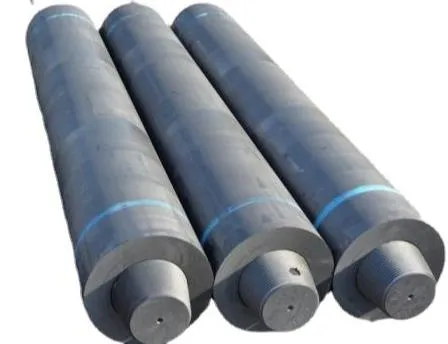
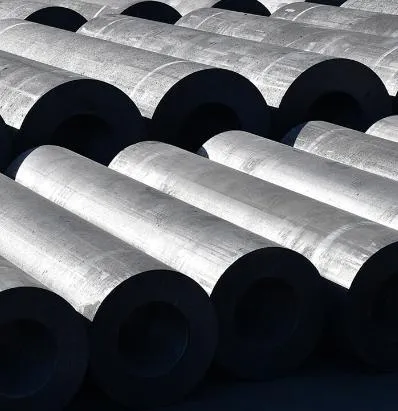
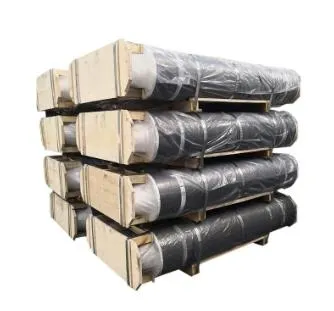
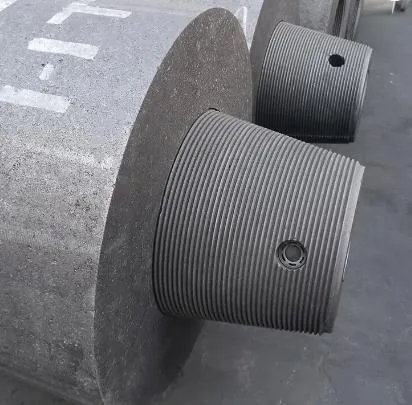
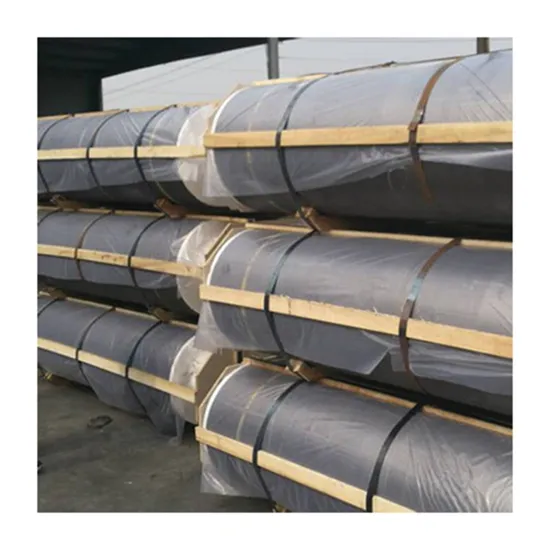
Having spent quite a few years working hands-on in the industrial equipment sector, I’ve seen my fair share of manufacturing plants—none quite as quietly fascinating as a graphite tube factory. These little carbon cylinders might sound mundane, but honestly, they’re crucial in so many high-temperature processes where other materials just can’t hang.
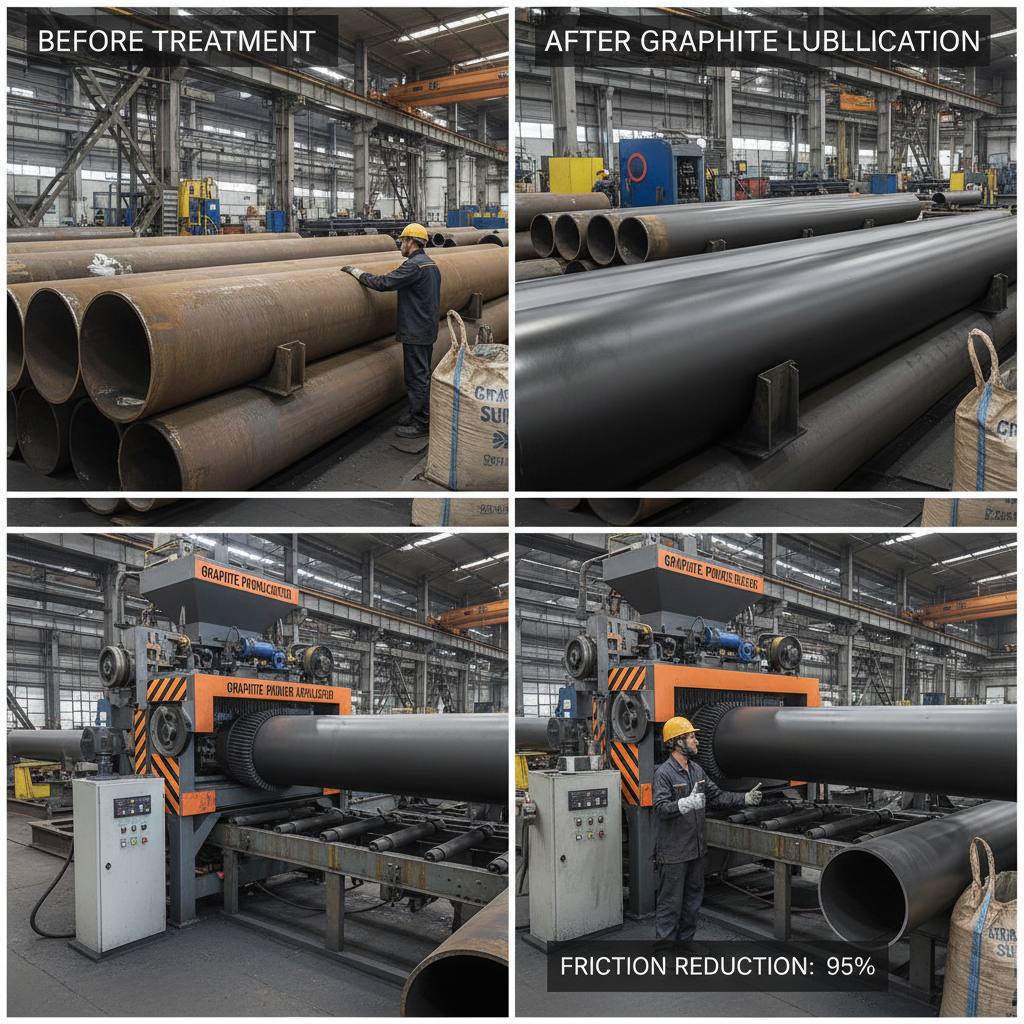
Now, if you ask a seasoned engineer about graphite tubes, they’ll probably tell you it’s all about the material properties. Graphite can withstand outrageous temperatures, resist chemical corrosion, and maintain electrical conductivity. This makes it indispensable in industries like metal refining, semiconductors, and chemical processing.
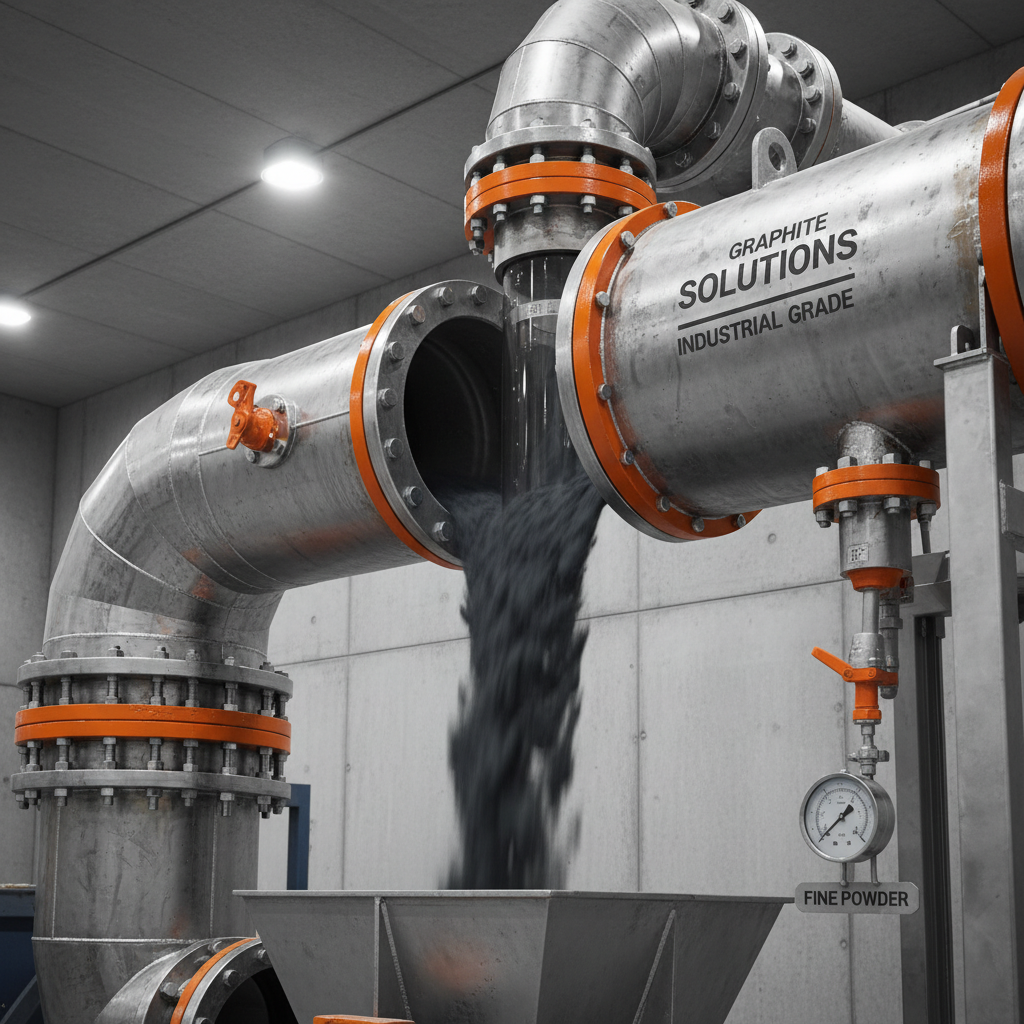
Oddly enough, what I’ve noticed over the years is how much the production of these tubes has evolved. The raw graphite material must be carefully selected, often sourced from specialized carbon compounds before being molded and baked in high-temperature furnaces. The precision in shaping and finishing is no joke; tiny flaws can lead to disaster in real-term industrial applications where these tubes might face thousands of cycles of rapid heating and cooling.
| Feature | Specification |
|---|---|
| Diameter Range | 5 mm – 120 mm |
| Length Range | 100 mm – 1500 mm |
| Maximum Operating Temp | 2800 °C |
| Material Purity | >99% High Purity Graphite |
| Wall Thickness | 1 mm – 10 mm |
Customization plays a bigger role than many realize. Different applications demand different tube lengths, diameters, and crucible shapes. Sometimes we had customers who insisted on tailored thermal profiles — basically how the tube responds to gradual and shock heating — because their process was so sensitive. It’s almost an art to get just the right specifications and quality controls in place. You know, many engineers say this is what separates the basic graphite tube producers from the cutting-edge ones.
Quality control in these factories borders on obsessive. Non-destructive testing techniques like ultrasonic flaw detection and dimensional inspections ensure that tubes won’t crack or chip under pressure. Honestly, watching these inspections gave me a new respect for the hidden complexity behind such a seemingly simple product.
| Vendor | Material Purity | Customization Options | Typical Lead Time | Quality Certifications |
|---|---|---|---|---|
| NL Graphite | >99.9% | Extensive (tubes, rods, shapes) | 2-3 weeks | ISO 9001, RoHS |
| CarbonCo | >98% | Moderate (standard sizes) | 3-5 weeks | ISO 9001 |
| GraphTech | >99.5% | Good (custom shapes & sizes) | 4 weeks | ISO 14001 |
I recall one customer in the semiconductor industry who had a very tight deadline and high-performance requirements. Their existing tubes kept failing in production, causing downtime that could cost thousands an hour. Switching to a higher-grade graphite tube from NL Graphite improved their uptime dramatically. A small change with a big impact — that was a satisfying win for both sides.
So, why should you care about graphite tubes? Because they’re the invisible backbone of processes that literally shape the future—from advanced electronics to specialty metals. And factories like the one producing these tubes are quietly pushing the envelope on quality and precision. Sure, it’s a niche market, but the stakes are high and the technology is evolving.
In short, a graphite tube factory may not be glamorous, but it’s critical—serving industries that demand absolute reliability and high heat resilience. If you’re ever involved in sourcing or specifying these tubes, a little knowledge goes a long way. And frankly, visiting one of these factories changed my perspective on what precision manufacturing really means.
Reflection: It’s always the quiet, highly specialized factories — like those making graphite tubes — that keep the gears of industry turning. They remind me that even the smallest parts require expertise and care, and that there’s an entire world behind every product’s success.
References:
- Material Properties of Graphite for Industrial Applications, Journal of Carbon Science, 2022.
- ISO 9001 Quality Management Systems - Principles and Implementation, International Standards Organization.
- NL Graphite Official Website – Product and Certification Details.
 Pervious
 Next
Next