


- Englist

Phone:
tel:+8615511858977

Email:
info@nalaibio.com

High-Quality OEM Graphite Rods for Industry & Innovation | NL Graphite

Understanding OEM Graphite Rods: Why They Matter in Today's Industry
OEM graphite rods—have you ever stopped to think about what those simple, slender sticks really mean for global industries? At first glance, they seem quite low-profile; just graphite shaped for insertion into machines or devices. But dig a bit deeper, and you realize these rods play a surprisingly pivotal role in everything from high-tech manufacturing to environmental sustainability. They’re the unsung heroes behind many electrical devices and even some humanitarian technologies. Knowing why OEM graphite rods matter is like understanding the quiet gears that keep the big machines turning worldwide. To put it into perspective, the global graphite market is projected to expand significantly in the coming decade. According to the ISO and various industry analyses, demand for quality graphite components, especially OEM-grade rods, is driven by expanding tech sectors and eco-friendly innovations. This growth is not just about quantity but quality—because the performance and reliability hinge on supplier expertise and precise manufacturing. Mini takeaway: OEM graphite rods may look simple but power complex industrial processes globally—a quiet champion we often overlook.The Global Context: Why OEM Graphite Rods Are Essential
Graphite rods aren’t just commodities; they’re part of a complex global supply chain influenced by material science breakthroughs and manufacturing standards. For example, from the World Bank’s environmental reports, we see how sustainable resource use is critical, and graphite, being a naturally abundant but optimally processed mineral, fits snugly into this equation. Industries in Asia, North America, and Europe depend heavily on OEM graphite rods—not just for manufacturing but for powering clean energy tech and precision instrumentation. Imagine the challenge: how do you maintain conductivity, durability, and heat resistance in compact electrical components, especially for aerospace equipment or battery assemblies? OEM graphite rods address such challenges with tailored specs matching each industry's nuances. Also, consider the push toward reducing waste and emissions. OEM graphite rods, if produced and sourced responsibly, minimize toxic byproducts compared with alternative materials. So, when engineers choose an OEM graphite rod designed specifically for their application, they’re often making a calculated bet on reliability and environmental safety. Mini takeaway: The real story of OEM graphite rods ties into global industry trends, sustainability goals, and cross-continental supply networks.What Exactly is an OEM Graphite Rod?
Put simply, an OEM graphite rod is a graphite component manufactured to original equipment manufacturer standards—meaning it’s made to exacting specs, ready to be integrated into larger devices or machinery without fuss. Graphite itself is carbon arranged in a layered crystalline structure, which makes it naturally conductive, heat-resistant, and chemically inert in many environments. Think of it like this: you want a replacement part or a component that fits perfectly with your device and performs reliably under various stresses—this is where OEM graphite rods shine. They’re often custom-tailored in length, diameter, and density to suit everything from battery electrodes to vibration sensors. Oddly enough, while we mostly associate graphite with pencils, OEM graphite rods are vital in much more serious, high-stakes contexts—like medical equipment, electric vehicle batteries, and even nuclear reactors. Mini takeaway: An OEM graphite rod is a specialty-crafted carbon product, bridging raw material benefits with precision manufacturing.Core Factors Defining Quality in OEM Graphite Rods
1. Durability
Graphite rods must withstand mechanical stress, thermal cycling, and sometimes corrosive environments. Durability means fewer replacements and less downtime—a vital metric for industries running around-the-clock.2. Electrical Conductivity
Without adequate conductivity, the rod is useless in electric circuits. OEM graphite rods undergo rigorous testing to ensure low resistance and steady performance.3. Dimensional Precision
Exact diameter, length, and surface finish are crucial. Even tiny deviations can cause misfits or operational failures in complex equipment—so precision manufacturing here is non-negotiable.4. Cost Efficiency
While robotics and mil-spec materials sound expensive, many OEM graphite rods deliver strong performance without breaking budgets, especially when sourced from leading manufacturers.5. Scalability
Producers capable of scaling batch sizes without sacrificing quality tend to be favored, especially by global OEM clients who require consistent supply.6. Environmental Compliance
More companies value sustainability; OEM graphite rods that meet ISO environmental standards or come from recycled graphite score bonus points. Mini takeaway: The secret sauce behind OEM graphite rods boils down to balancing durability, precision, and cost with environmental mindfulness.Applications Across Industries and Regions
It’s fascinating how many sectors use OEM graphite rods. Take Asia’s electronics manufacturing hubs—factories there churn out lithium-ion battery packs for electric cars, heavily relying on graphite rods for anodes. In Europe, aerospace manufacturers choose high-grade rods for sensors measuring extreme temperatures, while North America’s medical device industry uses them in equipment probes. More than tech, NGOs in disaster-hit or remote regions sometimes use OEM graphite rods in portable energy systems. For example, solar-powered desalination units powered with graphite-based electrodes help communities in Saharan Africa gain clean water access. This intersection of technology and humanitarian aid is a niche but growing area for OEM graphite rods. If you look at heavy industry, OEM graphite rods show up in metallurgy and chemical plants worldwide—used for electrodes in electric arc furnaces and reduction cells. Mini takeaway: The versatility of OEM graphite rods means they’re everywhere—from electric vehicles to humanitarian tech and heavy industry.Advantages That Make OEM Graphite Rods a Smart Choice
The benefits are many, but here’s the quick rundown: - Cost-effective longevity: Despite upfront cost, longer lifespan means less replacement hassle and savings. - Sustainability: Graphite’s potential for recycling and low environmental impact appeals to green initiatives. - Reliability: Reduced failure rates and superior heat tolerance mean processes keep humming. - Social Impact: When used in humanitarian equipment, they promote safety and dignity for vulnerable populations. - Innovation Friendly: OEM rods can be precisely tuned—helping engineers develop next-gen electronics or energy storage devices. It’s odd but true—some engineers swear by the quiet assurance an OEM graphite rod brings, like a trusted old tool in the toolbox.Emerging Trends Shaping the Future of OEM Graphite Rods
Green energy and digital transformation are pushing innovation relentlessly. More OEM graphite rods now undergo nano-engineering to boost conductivity or thermal management. Hybrid composite materials combining graphite with graphene promise to redefine strength-to-weight ratios. Automation in manufacturing means tighter tolerances and faster production cycles. Policy-wise, stronger environmental regulations worldwide are forcing OEM graphite rod makers to adopt cleaner production methods and improve traceability. Some companies are even experimenting with bio-based binders in graphite composites, aiming to reduce carbon footprints. The rise of electric vehicles alone is a huge driver here. Industry insiders suggest that OEM graphite rods will increasingly be custom-made to fit varying battery chemistries or specialty electronics. Mini takeaway: New materials and stricter regulations mean OEM graphite rods will not only evolve but become even more integral to future tech and sustainability.Challenges & How the Industry Is Addressing Them
One major hurdle is consistent quality control, especially when sourcing natural graphite raw material from diverse regions. Variations in feedstock purity can cause yield losses and performance inconsistencies. Another challenge is balancing cost with advanced customization—small production runs at OEM standards might spike expenses. Yet, innovation in automated inspection and modular manufacturing systems is easing these issues. Supply chain disruptions, like recent geopolitical events, have also underscored the need for more localized and resilient graphite rod production. Forward-thinking vendors are investing in R&D and forging closer ties with raw material suppliers to ensure stability. Mini takeaway: While the road has bumps, industry players are actively innovating to deliver consistent, cost-effective, and ethical OEM graphite rods.Frequently Asked Questions About OEM Graphite Rods
- What are the common uses of OEM graphite rods?
- They’re widely used in batteries (especially lithium-ion), sensors, electric arc furnaces, medical probes, and even specialized industrial machinery. Their conductivity and durability make them versatile for many precision applications.
- How customizable are OEM graphite rods?
- Extremely customizable. Specifications like length, diameter, density, surface finish, and even composite formulation can be tailored based on the application needs.
- Are OEM graphite rods environmentally friendly?
- Generally yes, especially when produced under ISO environmental standards and with recycled graphite content. They usually have a lower environmental footprint compared to metallic components in similar applications.
- What quality standards apply to OEM graphite rods?
- ISO 9001 for quality management is common, alongside industry-specific certifications depending on the sector (medical, aerospace). Precision in manufacturing is non-negotiable for OEM parts.
- Can OEM graphite rods be sourced internationally?
- Yes, but logistics and compliance with import/export regulations apply. Many reputable manufacturers offer global shipping and help with documentation for international clients.
Product Specification Table for a Typical OEM Graphite Rod
| Specification | Details |
|---|---|
| Material | High-purity synthetic graphite |
| Diameter Range | 2 mm – 25 mm (custom sizes available) |
| Length Range | 50 mm – 600 mm |
| Bulk Density | 1.65 – 1.80 g/cm³ |
| Electrical Resistivity | 8 – 12 μΩ·m |
| Operating Temperature | Up to 3000°C (inert atmosphere) |
Comparing Leading OEM Graphite Rod Vendors
| Vendor | Quality Certifications | Customization Options | Global Reach | Sustainability Practices |
|---|---|---|---|---|
| GraphiCore Industries | ISO 9001, ISO 14001 | High – custom composites & sizes | North America, Europe, Asia | Recycles 85% of raw waste |
| Nippon Graphite | ISO 9001, Aerospace Qualified | Medium – standard specs + custom orders | Japan, USA, EU | Strict environmental controls |
| EuroGraphite Solutions | ISO 9001, REACH Compliant | High – extensive customization possible | Europe, Global Export | Sustainable sourcing policies |
Wrapping It Up: The Quiet Power Behind Innovation
OEM graphite rods are a compelling example of how a relatively simple material—carbon in a specific form—can underpin vast swaths of modern technology and industry. They’re not just rods; they’re reliability in manufacturing, enabling innovation in green energy, and sometimes, a tangible tool for humanitarian progress. If you’re curious about the best quality or customized graphite rods, it’s worth taking a look at specialists who understand this complex combination of material science, precision engineering, and supply chain savvy. For a deep dive into premium-grade options and supplier connections, visit oem graphite rod and explore their offerings. It’s funny how such a thin rod can tip the scales from failure to success in so many projects. --- ### References: 1. International Organization for Standardization (ISO) 2. World Bank - Environmental Sustainability 3. Wikipedia - Graphite Pervious
 Next
Next
Related Products
Related News
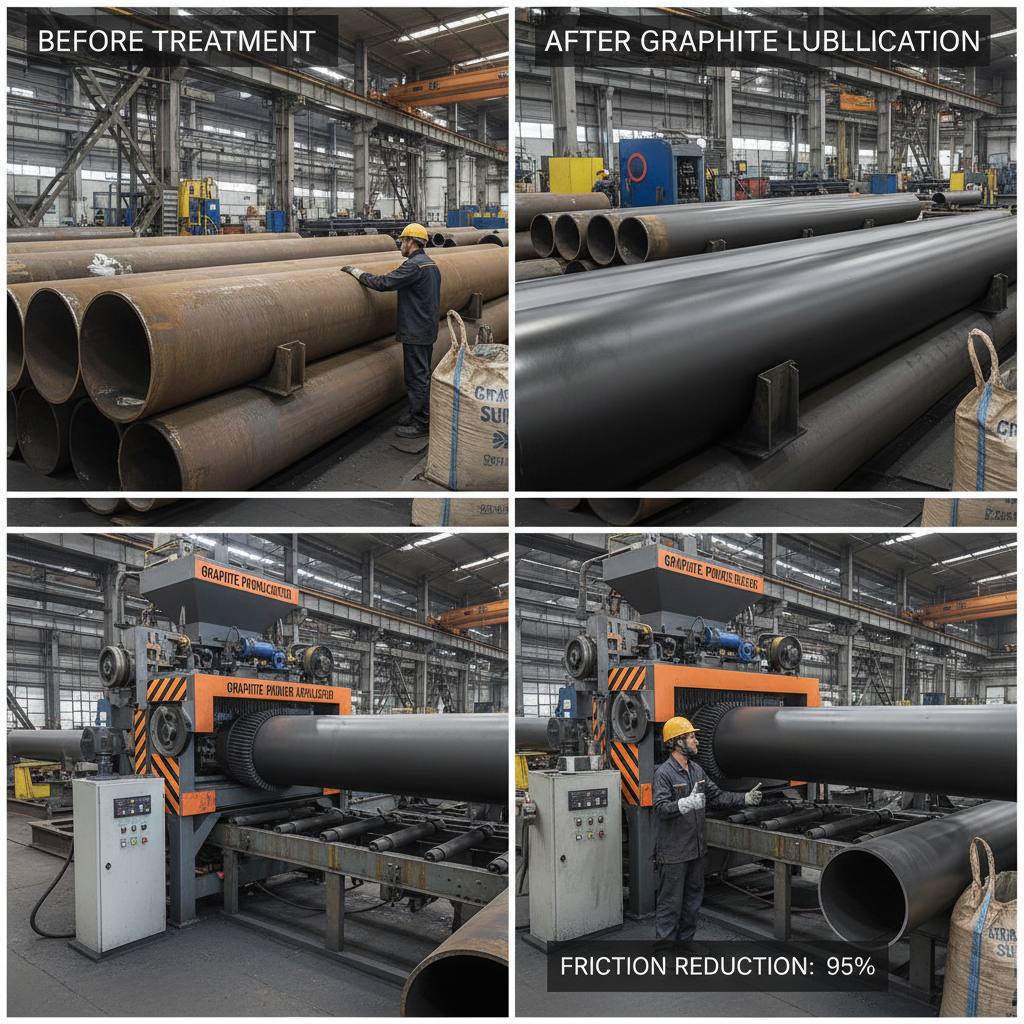
Professional Graphite Powder Supplier for Industrial Excellence
In the modern industrial landscape, the quality of raw materials often dictates the success of the final product. For sectors ranging from lubrication and metallurgy to battery technology, partnering with a reliable graphite powder supplier is not just a procurement choice, but a strategic advantage. High-purity graphite powder provides essential properties such as superior electrical conductivity, thermal stability, and an incredibly low coefficient of friction. However, with numerous options in the global market, distinguishing a premium supplier from a mediocre one requires a deep understanding of material grades and quality control standards.
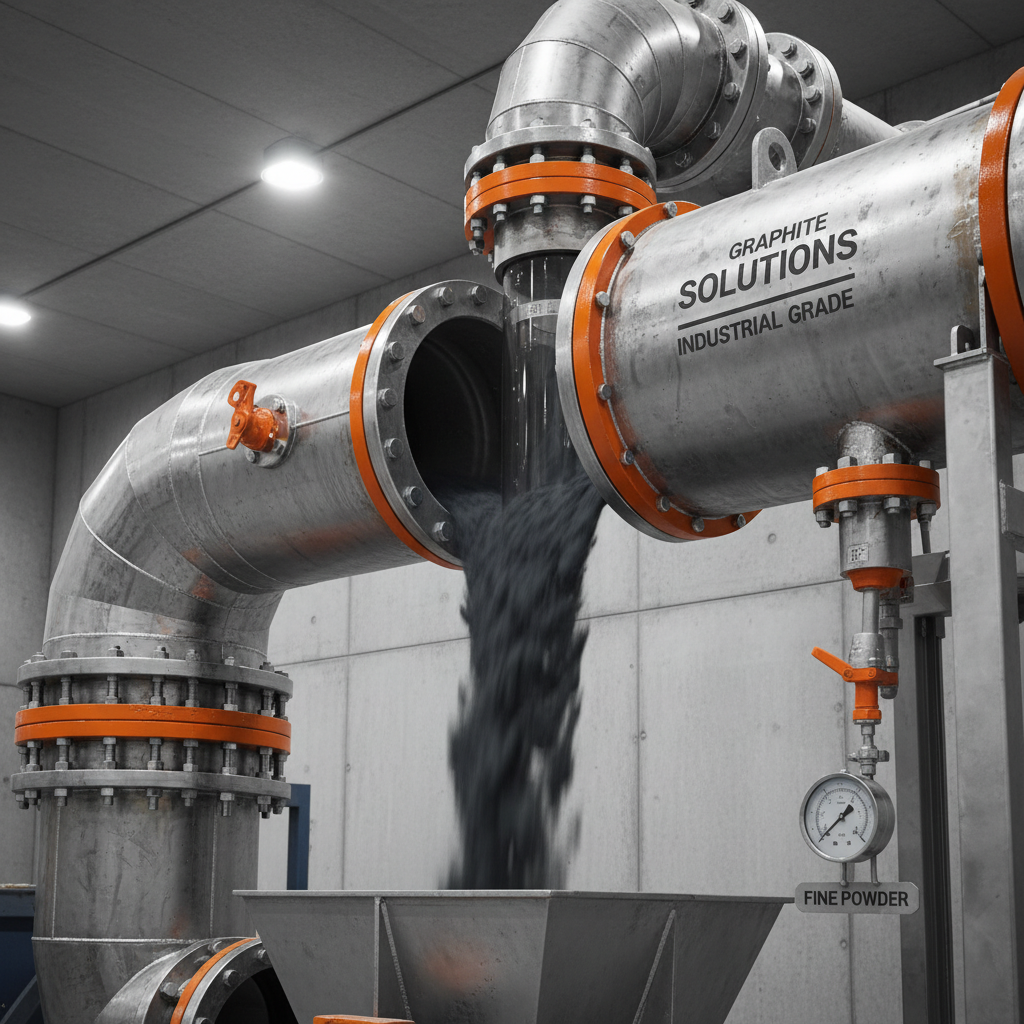
Reliable Graphite Powder Manufacturer for Industrial Applications
In the modern industrial landscape, the quality of raw materials can make or break the efficiency of a production line. Finding a reliable graphite powder manufacturer is essential for businesses requiring high-performance lubricants, conductive additives, or heat-resistant materials. Graphite powder, known for its exceptional lubricity and thermal conductivity, serves as a cornerstone in everything from automotive parts to advanced electronics. Selecting a partner who understands the nuance of particle size distribution and purity levels ensures that your end product meets rigorous international standards. In this guide, we will explore the critical factors to consider when sourcing graphite

High Performance Lubrication Guide for Micronized Graphite
In the world of industrial materials, precision is everything. micronized graphite represents the pinnacle of carbon engineering, offering an ultra-fine powder form of graphite that provides exceptional lubricating and conductive properties. Unlike standard graphite, the micronized version is processed to achieve a specific, consistent particle size, making it indispensable for high-tech applications where friction reduction and thermal management are critical. Whether you are formulating advanced lubricants or enhancing composite materials, understanding the nuances of this material is key to optimizing your product's performance. In this guide, we will explore the technical advantages and diverse industrial applications of this versatile material.

Industrial Applications and Properties of graphite fine powder
In the world of industrial materials, graphite fine powder serves as a cornerstone for innovation across countless sectors. Known for its exceptional electrical conductivity, thermal stability, and self-lubricating properties, this versatile carbon material is essential for everything from high-tech batteries to heavy-duty machinery. Understanding the nuances of particle size, purity, and grade is critical for engineers and procurement specialists aiming to optimize performance in their final products. In this comprehensive guide, we will explore the technical advantages and diverse industrial roles of this remarkable powder.

Expandable Graphite Powder Properties and Industrial Applications
In the realm of advanced material science, expandable graphite powder has emerged as a revolutionary additive for thermal management and fire safety. Known for its unique ability to expand significantly when exposed to heat, this material transforms from a dense powder into a voluminous, porous structure known as worm-like graphite. This expansion creates an insulating layer that protects underlying substrates from extreme temperatures. Whether you are developing next-generation flame retardants or high-performance thermal interface materials, understanding the nuances of this material is essential for achieving optimal industrial results.
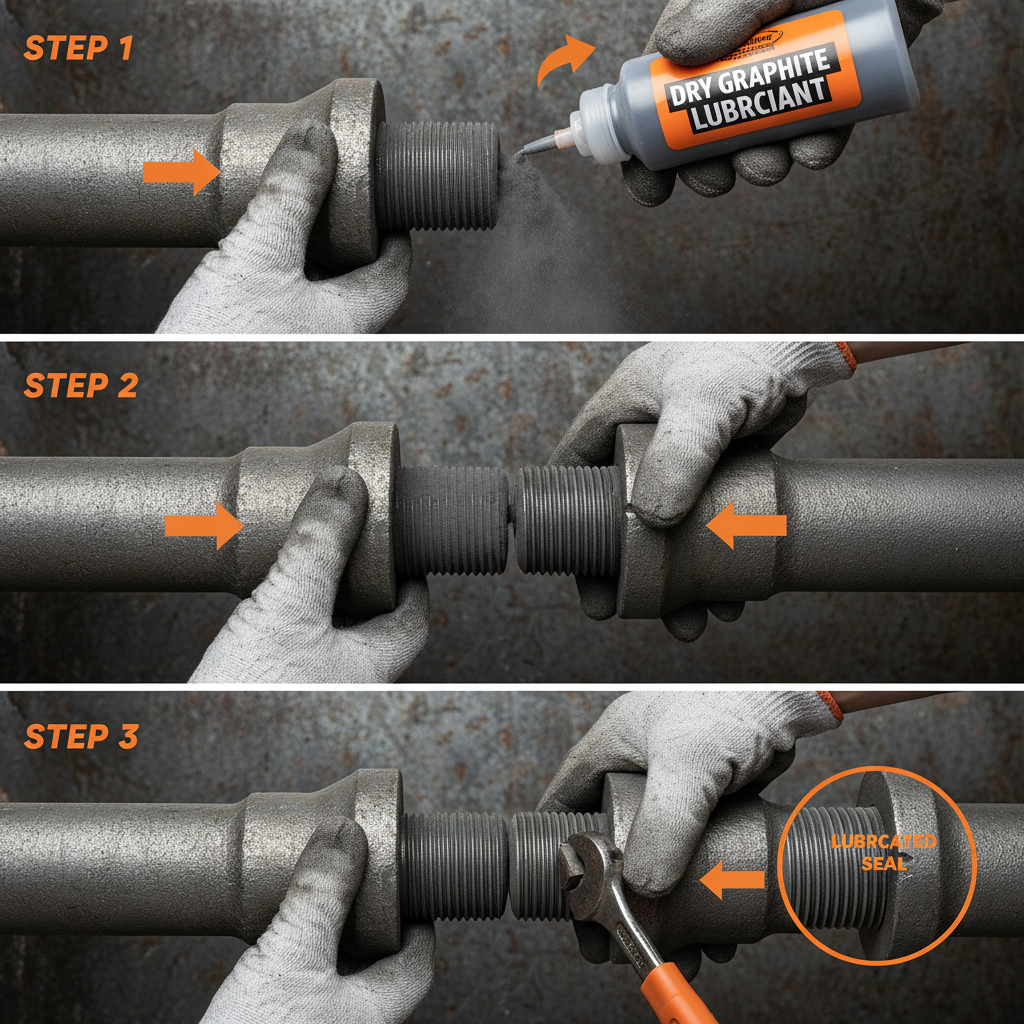
Industrial Guide to High Performance dry graphite lubricant powder
In the world of high-performance machinery and precision engineering, reducing friction is the key to longevity and efficiency. dry graphite lubricant powder has emerged as a superior alternative to traditional oil-based lubricants, especially in environments where cleanliness and extreme temperature resistance are critical. Unlike wet lubricants, dry graphite creates a stable, low-friction film that doesn't attract dust or debris. This article explores the technical advantages, versatile applications, and strategic benefits of integrating high-purity graphite powders into your maintenance routine to ensure seamless operation and reduced downtime.
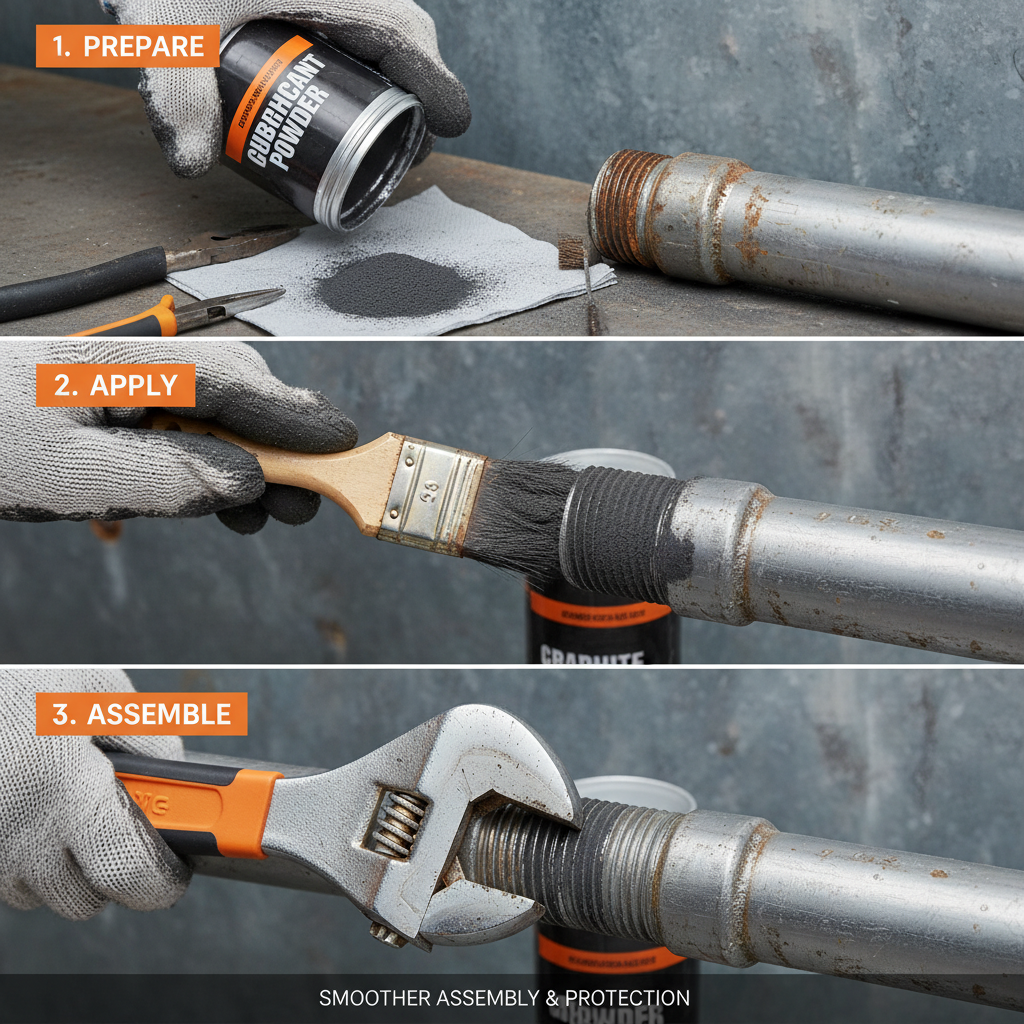
Industrial Efficiency Guide for Graphite Lubricant Powder Use
In the world of industrial maintenance and high-performance machinery, reducing friction is the key to longevity and operational efficiency. graphite lubricant powder has emerged as a superior dry lubrication solution, offering unmatched stability in environments where traditional oils and greases fail. Whether you are dealing with extreme temperatures or vacuum conditions, this specialized powder provides a sleek, protective layer that prevents wear and tear. In this comprehensive guide, we will explore why graphite is the gold standard for dry lubrication and how to choose the right grade for your specific industrial application.

Expanded Graphite Properties Applications and Industrial Guide
In the realm of advanced materials, expanded graphite has emerged as a versatile powerhouse, offering unparalleled thermal and electrical properties. Through a process of intercalation and thermal expansion, natural graphite is transformed into a worm-like structure with a significantly increased surface area and lower density. This unique morphology makes it indispensable in industries ranging from energy storage to fire protection. Whether you are looking to improve heat dissipation in electronics or enhance the safety of architectural coatings, understanding the nuances of this material is key to optimizing your product's performance. In this guide, we will explore why this material is becoming the gold standard



Social Media
Copyright © 2026 Shijiazhuang nalai biotechnology Co., Ltd All Rights Reserved. Sitemap | Privacy Policy | Top Blog | Global Service


