

- Englist



Isostatic Graphite Block – High Density, Machinable

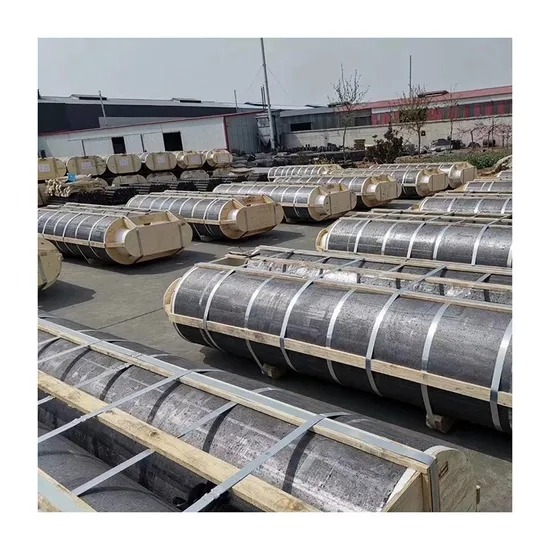
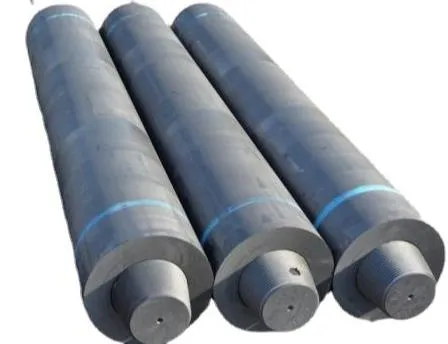
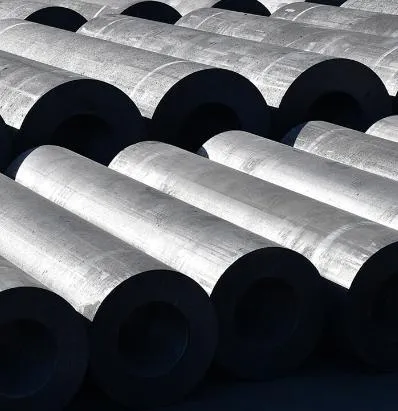
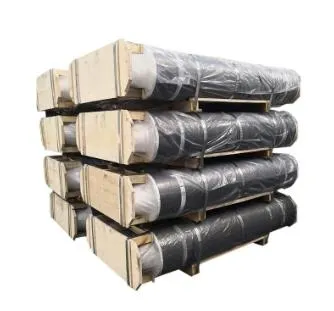
isostatic graphite block is a key solution in the new materials industry, specifically within carbon materials and isostatic pressure graphite material. This article explores how Shijiazhuang nalai biotechnology Co., Ltd supports professionals with durable, high-performance products, and explains why this product is an ideal choice for businesses in these sectors.
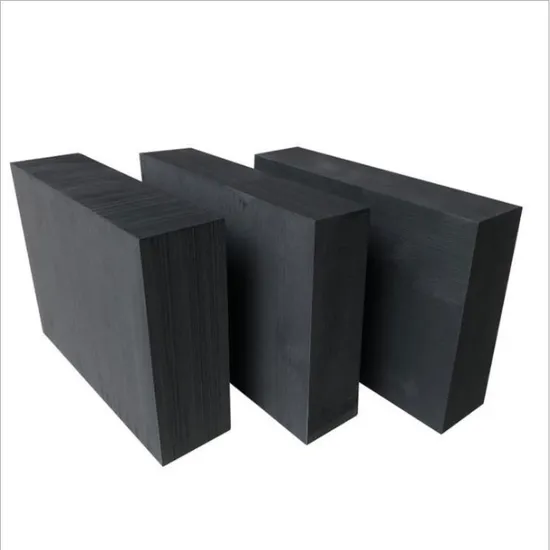
Table of Contents
- isostatic graphite block Overview
- Benefits & Use Cases of isostatic graphite block in Isostatic pressure graphite material
- Cost, Maintenance & User Experience
- Sustainability & Market Trends in new materials industry
- Conclusion on isostatic graphite block from Shijiazhuang nalai biotechnology Co., Ltd
isostatic graphite block Overview
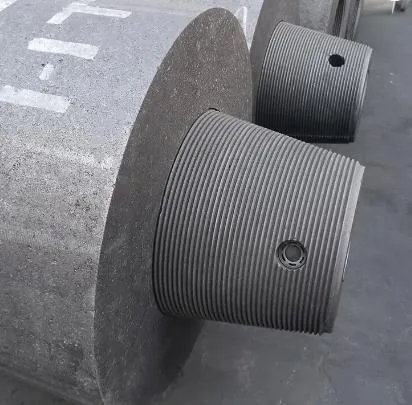
An isostatic graphite block is a fine-grained, high-density carbon material manufactured by cold isostatic pressing (CIP), followed by high-temperature graphitization. The result is a solid graphite block with near-isotropic properties—uniform strength, thermal conductivity, and electrical performance in all directions—making it ideal for precision, high-temperature, and high-purity environments. Typical grade ranges include bulk density 1.80–1.90 g/cm³, flexural strength 40–70 MPa, compressive strength 100–150 MPa, low ash content (often
Within the carbon materials category, isostatic graphite offers a compelling alternative to extruded or molded grades and a complementary option to a pyrolytic graphite block, which is highly anisotropic. B2B buyers choose isostatic graphite when dimensional stability, purity, and consistent machining behavior directly impact yield and uptime. Shijiazhuang nalai biotechnology Co., Ltd supplies high-purity blocks, custom sizes, and CNC-ready billets, supporting applications from semiconductor and photovoltaic processes to vacuum furnaces and powder metallurgy. With stringent quality control, traceability, and rapid fulfillment, the company serves as a dependable manufacturing partner across global supply chains.
Benefits & Use Cases of isostatic graphite block in Isostatic pressure graphite material
Isostatic graphite blocks power critical operations in EDM electrodes, hot-press and sintering molds (carbide, ceramics, powder metallurgy), diffusion and annealing fixtures, vacuum furnace components (heaters, insulation supports, trays), and PV/semiconductor production (susceptors, boats, jigs). Because the material is isotropic, machined parts maintain tight tolerances and show predictable wear, even under rapid thermal cycling. High purity minimizes contamination risk in clean processes, while fine microstructure enables superior surface finish—reducing polishing time and improving downstream quality.
Compared to a general solid graphite block, an isostatic graphite block provides better uniformity and typically higher strength-to-density ratios. Against a pyrolytic graphite block, it offers 3D isotropy and easier machinability for complex geometries. Shijiazhuang nalai biotechnology Co., Ltd differentiates with grade selection tailored to end-use temperature, oxidation exposure, and electrical/thermal targets; optional purification; anti-oxidation solutions; and CNC-to-print service for ready-to-install parts. This integrated approach shortens lead time, reduces multi-vendor coordination, and delivers repeatable performance in demanding isostatic pressure graphite applications.
Cost, Maintenance & User Experience
Total cost of ownership for an isostatic graphite block hinges on yield, tool wear, service life at temperature, and downtime. While the upfront price can be higher than standard grades, buyers typically recover costs through faster machining, fewer part reworks, and longer intervals between changeovers. Consistent microstructure reduces scrap and improves electrode performance in EDM, while high-purity grades limit batch failures in semiconductor and PV lines. Over a multi-quarter horizon, many users see measurable ROI through productivity gains and reduced maintenance.
Best practices include handling with clean gloves to prevent oils, storing in dry conditions, and using inert or vacuum atmospheres above 400–500°C to mitigate oxidation. Where air exposure is unavoidable, anti-oxidation coatings or impregnation extend service life significantly. Cleaning with filtered compressed air preserves surface integrity; re-machining worn faces can further extend part usage. Customers in carbon materials applications report improved dimensional stability and fewer unplanned stoppages after switching to Shijiazhuang nalai biotechnology Co., Ltd’s isostatic graphite blocks, citing consistent quality and responsive technical support as key drivers of user satisfaction.
Sustainability & Market Trends in new materials industry
Electrification, semiconductor scaling, and renewable energy are accelerating demand for high-purity carbon materials. Isostatic graphite aligns with these shifts by enabling higher process temperatures, cleaner environments, and longer component life—key to lower waste and better energy utilization. Regulatory frameworks such as REACH and RoHS, plus customer-driven ESG goals, are increasing scrutiny on material purity, traceability, and lifecycle impacts. Buyers are prioritizing suppliers who can document origin, manage impurities, and optimize energy use in graphitization and purification steps.
Shijiazhuang nalai biotechnology Co., Ltd is investing in efficient furnaces, high-temperature purification, and scrap recycling to reduce the carbon footprint of each isostatic graphite block. By offering long-life grades, near-net-size billets to minimize machining waste, and packaging that supports recycling, the company helps clients hit sustainability targets without compromising performance. Forward-looking engineering support ensures material selection balances throughput, purity, and environmental impact—positioning your operation for both compliance and competitiveness in a rapidly growing market.
Conclusion on isostatic graphite block from Shijiazhuang nalai biotechnology Co., Ltd
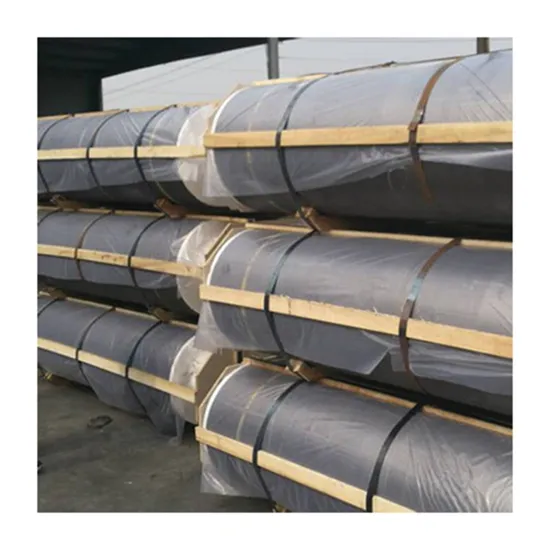
For B2B decision makers in carbon materials and isostatic pressure graphite applications, an isostatic graphite block offers the right blend of isotropy, purity, and durability. It enhances process stability, reduces downtime, and protects yields across EDM, furnace, PV, and semiconductor workflows. Shijiazhuang nalai biotechnology Co., Ltd stands out for consistent quality, technical guidance, and reliable delivery—helping you reduce TCO and accelerate time to value.
Contact us: info@nalaibio.com
Visit our website: https://www.nlgraphite.com
 Pervious
 Next
Next