

- Englist



Leading Graphite Foil Manufacturers – Innovations, Applications & Global Insights

Why Graphite Foil Manufacturers Matter on a Global Scale
Graphite foil manufacturers play a quietly essential role in today's industrial landscape. At a glance, graphite foil might sound like something niche, but its applications ripple through sectors from electronics to environmental engineering. Understanding this industry isn't just about knowing who makes what—it's about grasping how these high-tech materials contribute globally to energy efficiency, industrial safety, and even humanitarian infrastructure. Given the urgent environmental shifts and advances in clean tech, knowing the players behind graphite foil is becoming increasingly relevant.
Mini takeaway: The world leans on graphite foil manufacturers more than ever, as their products fuel innovations in crucial industrial sectors.
Global Industry Context: The Growing Demand for Graphite Foil
Globally, industries are under intense pressure to become greener, safer, and more cost-efficient. The International Energy Agency (IEA) notes that energy-efficient materials reduce consumption in manufacturing by up to 20%. Graphite foil excels here with its exceptional thermal and electrical conductivity combined with heat resistance.
But the challenges? Raw material scarcity, quality consistency, and scaling production to global needs all weigh heavily on manufacturers. For instance, Asia-Pacific's booming electronics sector has driven graphite foil demand by an estimated 7% annually over the last five years, according to industry trade data. Meanwhile, critical manufacturers struggle to balance cost pressures with environmental standards.
This tension highlights the value of graphite foil manufacturers who innovate not just in product quality, but also in reaching economies of scale compatible with sustainability goals.
Mini takeaway: Demand is surging worldwide, pushing graphite foil makers to innovate amid resource and market pressures.
What Are Graphite Foil Manufacturers and Why Do They Matter?
Simply put, graphite foil manufacturers specialize in producing ultra-thin sheets of flexible graphite—a material processed from natural graphite flakes. These foils can withstand extreme temperatures and chemically aggressive environments while remaining lightweight and flexible.
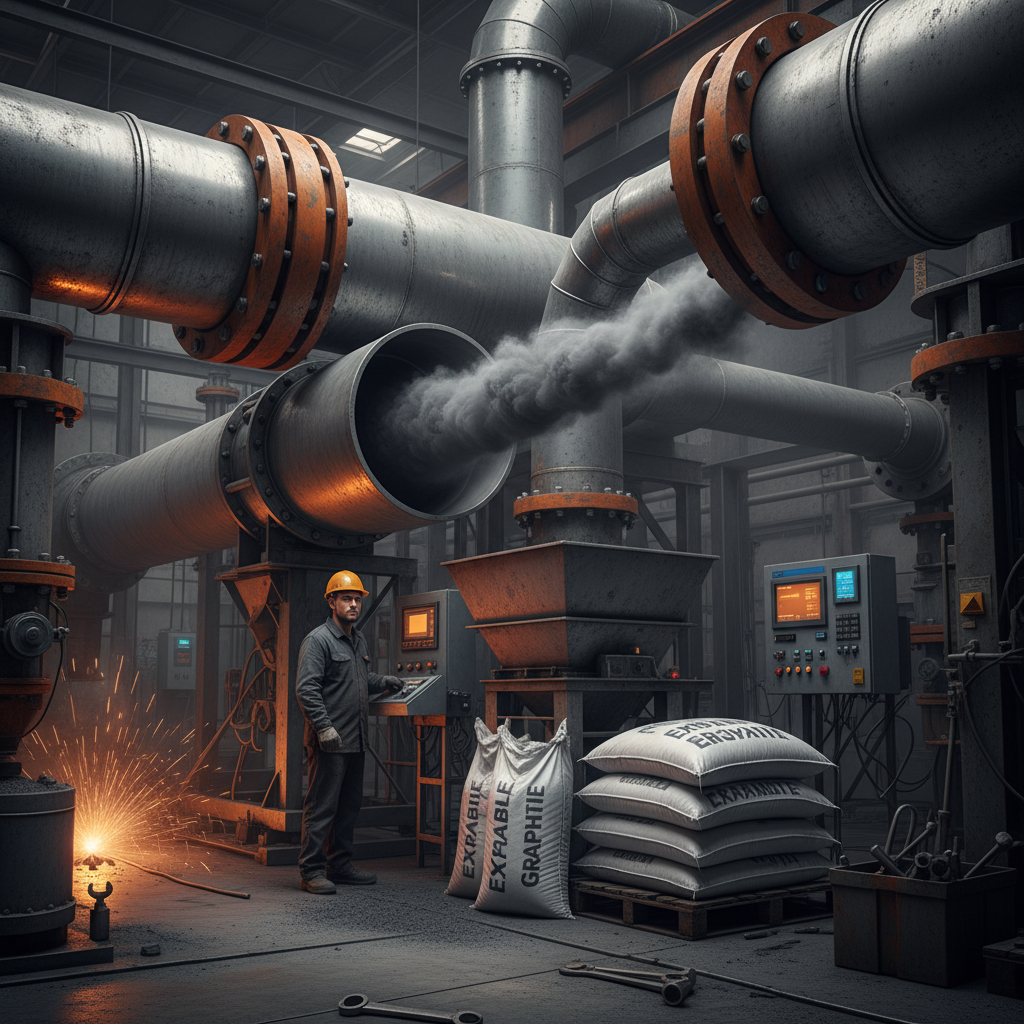
Modern industry uses them across many sectors: thermal management in electronics, gaskets in chemical plants, shielding in nuclear reactors, and even in aerospace. On a humanitarian level, their role sneaks into advanced insulation materials for shelters in extreme climates—helping keep vulnerable populations safer.
So, these manufacturers are not just fabricators; they’re key enablers of technology and sustainability.
Mini takeaway: These manufacturers transform natural graphite into versatile foils, critical across industrial and humanitarian sectors.
Core Factors Driving the Graphite Foil Industry
1. Durability and Thermal Resistance
Graphite foil's renowned heat tolerance—up to about 3,000°C in non-oxidizing environments—makes it a natural choice for high-heat applications. Many engineers note its ability to maintain structural integrity where metals might fail or deform.
2. Scalability of Production
Large-scale production is no small feat. Graphite foil manufacturers must balance batch consistency, purity of the raw materials, and controlling the exfoliation process (the separation of graphite sheets) to scale reliably.
3. Cost Efficiency and Material Waste
Compared to other high-performance materials, graphite foil is relatively affordable once production is optimized. Still, there’s a fine dance between producing minimal waste and keeping costs down.
4. Flexibility and Customization
End-users often require foils in custom thicknesses or with specific coatings for enhanced chemical resistance. This customization capability is a vital competitive edge.
5. Environmental Impact and Sustainability
As fossil fuel concerns rise, manufacturers increasingly adopt greener processes—like reducing VOC emissions during production or recycling graphite scrap. These advances improve the social license to operate.
Mini takeaway: Durability, production scale, cost, flexibility, and sustainability shape the graphite foil landscape.
How Graphite Foil Is Applied Around the World
In real terms, these foils power more than you might think:
- Electronics: From smartphones to electric vehicles, graphite foil dissipates heat efficiently, prolonging device lifespans.
- Energy Sector: Used in seals and gaskets for pipelines and reactors where high-pressure and temperature resistance is critical.
- Aerospace & Defense: Thermal insulation in spacecraft components protecting delicate instruments from extreme temperatures.
- Industrial Manufacturing: Chemical plants depend on graphite foil gaskets to maintain containment and operations safety.
- Disaster Relief: Advanced insulation materials based on graphite foil are used in rapid-deployment shelters to aid displaced populations in harsh climates.
Regions like China, Japan, and the United States lead in both production and application, while developing industrial hubs in Southeast Asia and Europe are rapidly increasing adoption.
Mini takeaway: Graphite foil’s adaptability translates into wide-ranging applications, from tech hubs in Asia to relief projects in harsh environments worldwide.
Advantages & Long-Term Value You Can Count On
Aside from being a marvel of material science, graphite foil offers:
- Cost savings through durability and energy-efficient functioning.
- Environmental benefits: Recyclability and reduced emissions during production.
- Safety and trust: Reliable performance in mission-critical applications offers peace of mind.
- Social impact: Used in humanitarian relief settings, it supports dignity and health by improving insulation and shelter quality.
It’s rare to find materials that blend high-tech innovation with social good so naturally.
Mini takeaway: The benefits of graphite foil stretch beyond cost and performance to promote sustainability and social welfare.
What’s Next? Future Trends and Innovations in Graphite Foil
Green energy systems increasingly demand materials like graphite foil for batteries, fuel cells, and thermal management. Coupled with digital manufacturing techniques—think robotics aiding precision cutting—production is becoming smarter and more sustainable.
We’re also seeing interest in hybrid composites where graphite foil combines with graphene or polymers to offer next-level thermal or mechanical properties. Policies pushing for lower emissions and circular economies encourage manufacturers to pursue cleaner processes and closed-loop recycling.
Mini takeaway: The future of graphite foil manufacturing melds green tech, smart automation, and novel material science.
Overcoming Challenges in Graphite Foil Manufacturing
Current hurdles include supply chain volatility of natural graphite, product uniformity at scale, and the environmental footprint of certain production steps. Expert manufacturers tackle these by securing stable raw material partnerships and investing in quality controls such as ISO 9001 certifications.
Innovations like solvent-free exfoliation methods or alternative feedstocks also promise to reduce environmental downsides.
Mini takeaway: While challenges remain, leading manufacturers innovate continuously to meet quality and sustainability goals.
Quick FAQ About Graphite Foil Manufacturers
- Q: How do graphite foil manufacturers ensure quality consistency?
A: Quality control involves rigorous testing of raw graphite purity, monitoring foil thickness uniformity, and performing durability tests—often aligned with international standards like ISO 9001 to maintain consistency. - Q: Are graphite foils customizable for specific industrial needs?
A: Absolutely. Manufacturers often tailor thickness, density, and chemical coatings depending on the client’s requirements for thermal, electrical, or chemical properties. - Q: How does graphite foil contribute to sustainability initiatives?
A: Its recyclability, energy-saving attributes in applications, and newer greener production methods help reduce carbon footprint and resource waste. - Q: What sectors rely most heavily on graphite foil today?
A: Electronics, energy (including oil & gas and renewables), aerospace, and industrial manufacturing lead in usage.
Graphite Foil Product Specification Table
| Specification | Typical Range | Notes |
|---|---|---|
| Thickness | 0.05 – 0.30 mm | Customizable |
| Width | 10 – 1000 mm | Roll or sheet form |
| Thermal Conductivity | 100 – 150 W/m·K | Depends on purity |
| Operating Temp Range | -200°C to 3000°C | Non-oxidizing environments |
| Chemical Resistance | Excellent | Resistant to most acids & bases |
Comparison of Leading Graphite Foil Manufacturers
| Manufacturer | Location | Specialty | Sustainability Focus |
|---|---|---|---|
| NL Graphite Tech | Netherlands | High-purity foils for electronics | ISO 14001 certified, scrap recycling |
| Asia Carbon Inc. | Japan | Custom thickness & coatings | Green manufacturing initiatives |
| CarbonFlex Solutions | USA | Large-scale industrial foils | Waste reduction and emissions controls |
Conclusion: Why Keep an Eye on Graphite Foil Manufacturers?
In summing up, graphite foil manufacturers form an indispensable backbone for many modern industries. Their ability to innovate while balancing sustainability efforts and supply challenges keeps them at the forefront of material science. For anyone sourcing these advanced materials or working in industries from electronics to humanitarian aid, partnering with reliable manufacturers is a smart investment—not just for product performance, but also for long-term impact.
Ready to learn more or connect? Visit https://www.nlgraphite.com to explore the latest in graphite foil manufacturing excellence.
References
 Pervious
 Next
Next