

- Englist



Leading Graphite Plate Manufacturers: Quality, Innovation & Sustainability

Understanding Graphite Plate Manufacturers: Why They Matter in a Changing World
If you’ve ever wondered what keeps high-tech industries humming or those advanced manufacturing lines running smoothly, then graphite plates might be the unsung heroes behind the scenes. Graphite plate manufacturers play a pivotal role in producing these vital components that serve as heat shields, electrodes, and even base materials for numerous industrial processes. Globally, their importance is growing, especially as the demand for sustainable, durable, and highly conductive materials surges in sectors ranging from electronics to green energy. So, why does grasping the role of graphite plate manufacturers matter? Well, knowing the story behind these plates gives us insight into innovation, supply chain resilience, and even how we might shape future energy or manufacturing solutions.The Global Context: Graphite Plate Manufacturers on the World Stage
Taking a step back, graphite’s global relevance is pretty striking. According to the UN Comtrade database, global graphite production reached over 1.1 million metric tons in 2022, with a steady rise in consumption fueled by sectors such as electric vehicles (EVs) and renewable energy storage. Here’s the catch: graphite plates, which are more specialized than bulk graphite powder, require precision manufacturing to meet the stringent quality and size requirements of modern industrial applications. The challenge? As the world leans into decarbonization and advanced electronics, industries face bottlenecks with consistent supply of high-grade graphite plates. This gap calls on graphite plate manufacturers to scale up, innovate, and maintain sustainability standards — no small feat considering the environmental concerns around graphite mining and processing. Hence, the manufacturer’s role extends beyond mere production; it’s intertwined with global sustainable development and industrial competitiveness.What Exactly Are Graphite Plate Manufacturers?
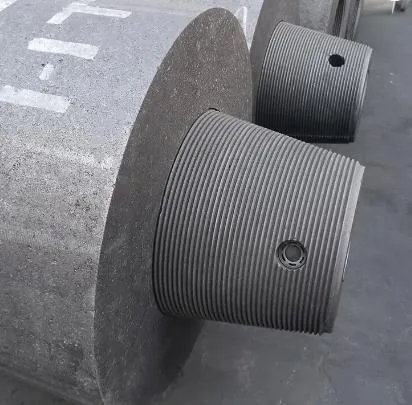
Put simply, graphite plate manufacturers are companies that produce flat slabs or sheets of graphite material crafted for varied industrial uses. Unlike raw graphite or powdered forms, these plates undergo intense refinement, shaping, and quality control to meet precise thermal, electrical, and mechanical properties. Why does this matter in today’s industries? For one, their products often act as electrodes in electric arc furnaces or as heat spreaders in electronics — places where durability and consistent conductivity make or break performance. As modern industries push for lighter, more heat-resistant, and reliable materials, graphite plate manufacturers become a key node in the supply chain.Mini takeaway:
Graphite plate manufacturers transform raw graphite into precision-engineered plates, feeding critical modern industries and supporting innovation.
Core Components that Make Graphite Plates Special
Let’s unpack the key factors that manufacturers focus on when crafting graphite plates:1. Durability & Thermal Stability
Graphite plates must tolerate intense heat and thermal shock, especially in high-temp environments like steel making or battery production. Manufacturers optimize pore structure and purity to balance strength and heat resistance, often pushing these materials past 3000°C in controlled settings.2. Electrical Conductivity
The magic in many graphite plate applications lives here. High electrical conductivity means better efficiency, from electrodes in aluminum smelting to components in fuel cells. Manufacturers tweak compositions and densities to hit sweet spots for specific uses.3. Precision & Custom Sizing
Not all graphite plates are off-the-shelf. In industries like aerospace or electronics, manufacturers offer bespoke dimensions and tolerances — sometimes down to microns — ensuring seamless integration into complex systems.4. Scalability of Production
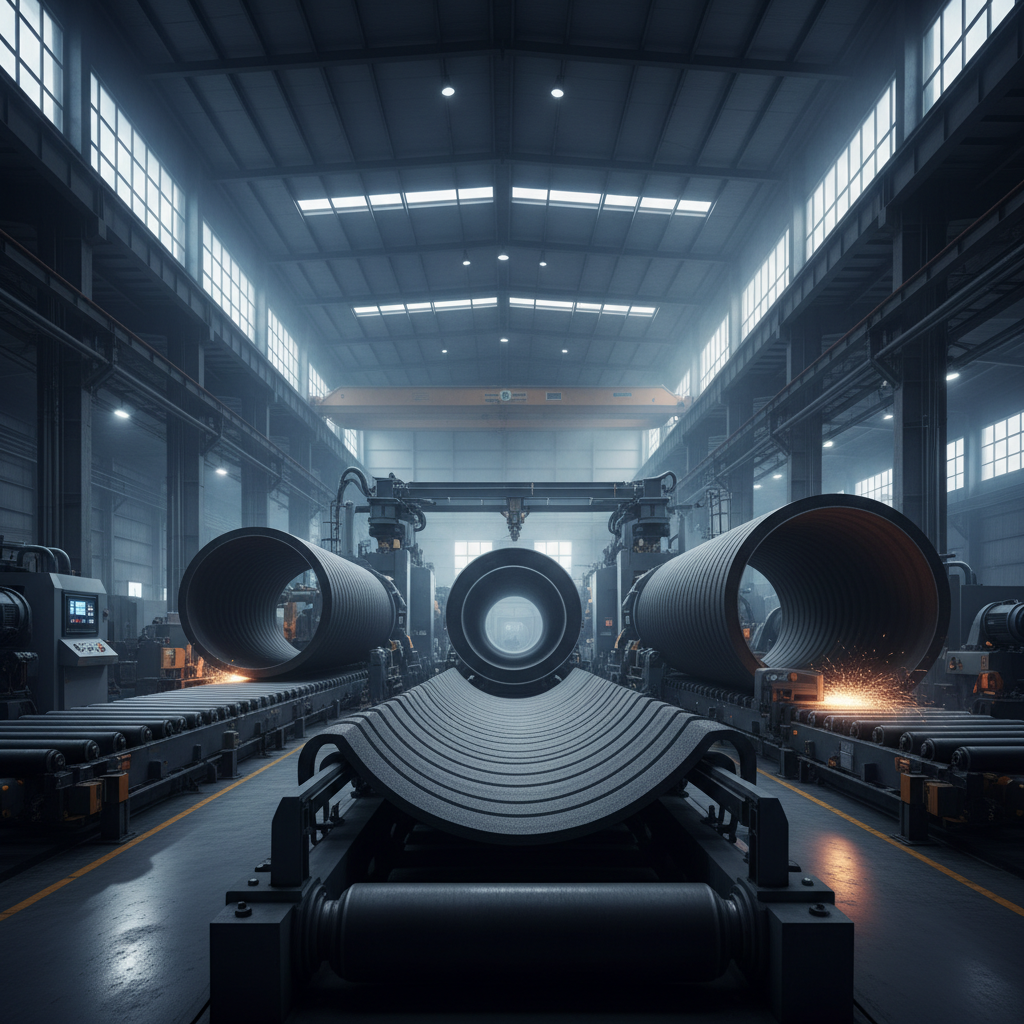
With rising demand, a maker’s ability to produce consistent, high-quality graphite plates at scale matters. This involves automated processes, advanced ovens for graphitization, and rigorous QC protocols.5. Cost Efficiency
Since graphite is a specialty product, costs can add up. Manufacturers who fine-tune their processes to reduce waste while preserving quality often become preferred suppliers in competitive markets.Mini takeaway:
Graphite plate manufacturers balance durability, conductivity, precision, scalability, and cost to serve varied demanding applications.
How Graphite Plates Are Used Around the World
The story stretches across continents and industries. In China and India, graphite plates power electric furnace electrodes essential for steel production, a backbone of infrastructure development. Japan and South Korea lean heavily on them for semiconductor manufacturing and lithium-ion battery innovation. Oddly enough, even humanitarian and remote industrial projects find uses for graphite plates. For example, in disaster-prone zones, modular graphite components might serve in portable power setups or thermal shielding to protect sensitive equipment. The automotive industry, particularly in Europe and the US, incorporates graphite plates into EV battery stacks, where heat management translates directly to safety and performance.Global Use Cases Include:
- Steel and aluminum manufacturing
- Battery and fuel cell production for clean energy
- Semiconductor and electronics heat management
- High-temperature industrial furnaces
- Research and lab apparatus requiring precision heat exchangers
Mini takeaway:
From steelmaking in Asia to EV batteries in Europe, graphite plate manufacturers feed critical sectors shaping modern life.
Advantages of Graphite Plates: Beyond the Technical Specs
Sure, they’re excellent thermally and electrically — but graphite plates offer more than just specs. They are often lighter than metal alternatives, reducing transportation emissions and costs. The reliability they bring means plants can run longer without costly downtime or replacements, sometimes saving millions annually. On a social level, graphite use in clean energy tech like EVs or hydrogen fuel cells resonates with hopes for safer, sustainable futures. And many manufacturers today emphasize ethical sourcing and environmentally friendly production methods — a nod to growing corporate responsibility and public expectations. Sometimes it’s easy to overlook this, but these plates silently embed trust and stability in products we rely on daily.Emerging Trends & the Future Landscape
Looking ahead, graphite plate manufacturers are starting to integrate digital monitoring and automation, resulting in less waste and tighter quality control. Advances in nanomaterials and composite graphite hint at even lighter, stronger plates. On the policy front, new ISO standards and environmental regulation push manufacturers into cleaner production practices. The green energy revolution demands graphite plates optimized for next-gen batteries, fuel cells, and thermal batteries. Some startups are experimenting with recycled graphite sources, too — intriguing from a circular economy viewpoint.Challenges at the Crossroads
Unsurprisingly, sourcing high-purity graphite sustainably remains a headache for manufacturers. Environmental impact during mining can’t be ignored. Moreover, fluctuations in raw material prices create supply chain instability. But innovative players embrace solutions like synthetic graphite and process improvements to reduce carbon footprints. Also, customization demands can slow mass production — something manufacturers tackle through modular designs or semi-automated machining.Specification Table: Typical Graphite Plate Properties
| Parameter | Typical Range | Unit |
|---|---|---|
| Density | 1.75 - 1.90 | g/cm³ |
| Flexural Strength | 50 - 90 | MPa |
| Thermal Conductivity | 80 - 120 | W/m·K |
| Electrical Resistivity | 6 - 12 | µΩ·m |
| Maximum Operating Temp. | 2700 | °C |
Comparing Leading Graphite Plate Manufacturers
| Company | Specialization | Production Capacity (tons/year) | Sustainability Initiatives | Global Reach |
|---|---|---|---|---|
| GraphiCore Ltd. | High-temp industrial plates | 3,000 | Recycling waste graphite | Asia, Europe, Americas |
| ElectroGraph Solutions | Battery plate technology | 1,800 | Carbon-neutral factories | North America, Japan |
| GraphTex Industries | Custom graphite machining | 2,200 | Renewable energy powered plants | Europe, China |
FAQ: Frequently Asked Questions About Graphite Plate Manufacturers
1. What industries benefit the most from graphite plates?
Graphite plates are crucial in steel and aluminum production, battery manufacturing (especially lithium-ion), semiconductor fabrication, and chemical processing plants. Their ability to handle extreme temperatures and conduct electricity makes them versatile across many industries.
2. Can graphite plates be customized for particular applications?
Yes, many manufacturers offer custom sizing and tailored properties such as thickness, density, and surface finish. This customization ensures compatibility with specific machinery or industrial standards, which is vital in high-precision fields like aerospace or electronics.
3. How sustainable are graphite plates in industrial use?
While traditional graphite mining impacts the environment, leading manufacturers are increasingly adopting recycled and synthetic graphite, alongside cleaner production methods, to minimize carbon footprints and support sustainability goals.
4. What challenges might cause delays in graphite plate supply?
Supply chain issues often arise due to raw material shortages, fluctuations in demand from sectors like EVs, or complexities in scaling high-quality production. However, innovations like automation and alternative materials are helping to ease these bottlenecks.
5. How do I choose a reputable graphite plate manufacturer?
Look for companies with strong quality certifications (such as ISO 9001), proven sustainability practices, and the capability to meet your custom specifications. Also consider their delivery track record, global reach, and after-sales support.
Wrapping It Up: Why Graphite Plate Manufacturers Are Vital Partners for Industry
In real terms, graphite plate manufacturers build more than just sheets of carbon — they build the foundation for modern innovation. Whether it’s powering green energy devices or enabling the production of everyday metals, their role is quietly critical and poised to grow even further in a more sustainability-aware world. If you want to dive deeper or explore reliable suppliers for your next project, don’t hesitate to contact graphite plate manufacturers with expertise.Final quick thought:
Next time you think of high-performance materials, remember graphite plates. They quietly shape the future — and industry insiders know just how vital their makers really are.
References
 Pervious
 Next
Next