

- Englist



Powdered Graphite Lubricant Uses in Industry | Expert Insights

Powdered Graphite Lubricant Uses: A Veteran’s Perspective
Having spent over two decades in the industrial equipment business — and frankly, handling everything from heavy-duty chains to precision bearings — I’ve come to appreciate that not all lubricants are created equal. Powdered graphite lubricant is one of those underrated gems that quietly keeps machines running smoothly in some pretty tough conditions.
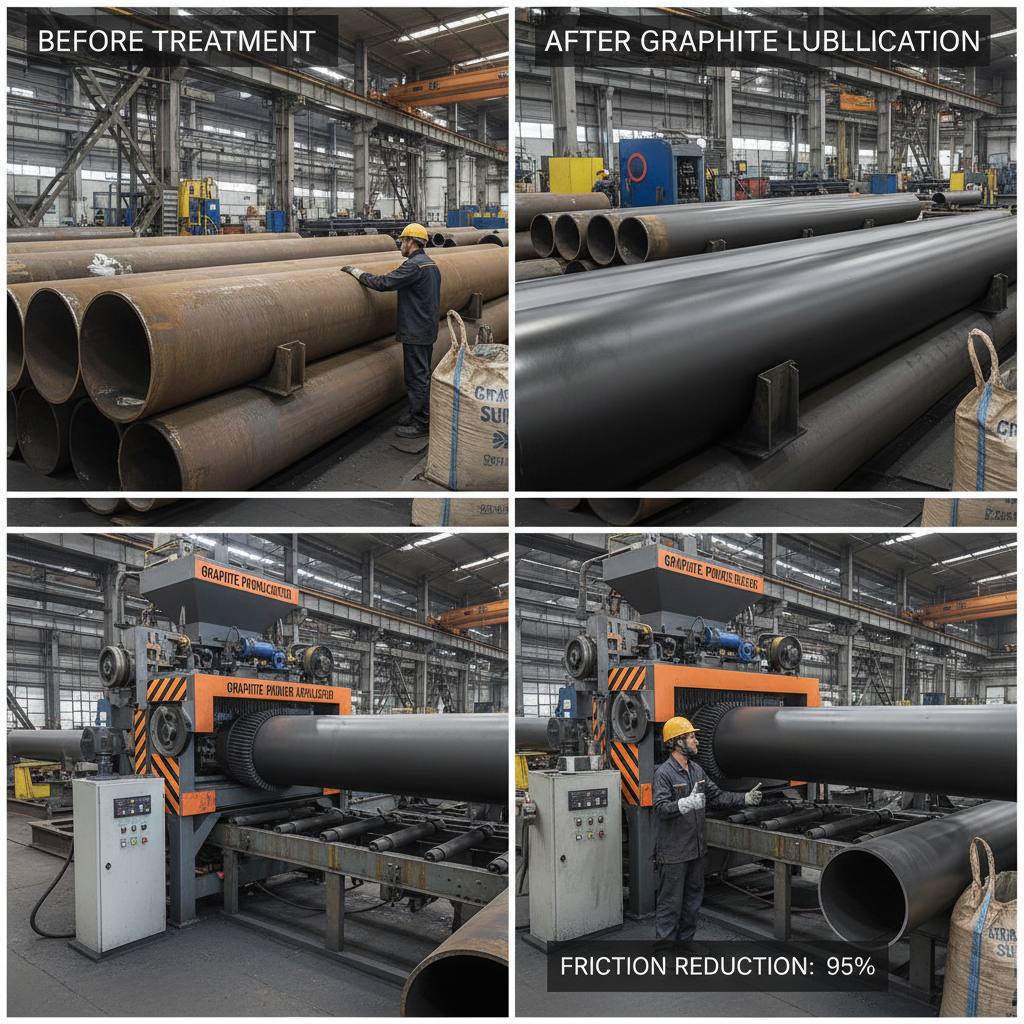
At first, the word “powder” might throw you off. You think: how does a dry powder compete with wet oils or grease? Well, powder graphite isn’t just some dusty filler — it’s a finely milled, layered carbon structure that inherently reduces friction by allowing surfaces to slide almost effortlessly against one another. Oddly enough, it’s also naturally heat-resistant and electrically conductive, which opens doors you might never have expected for lubricants.
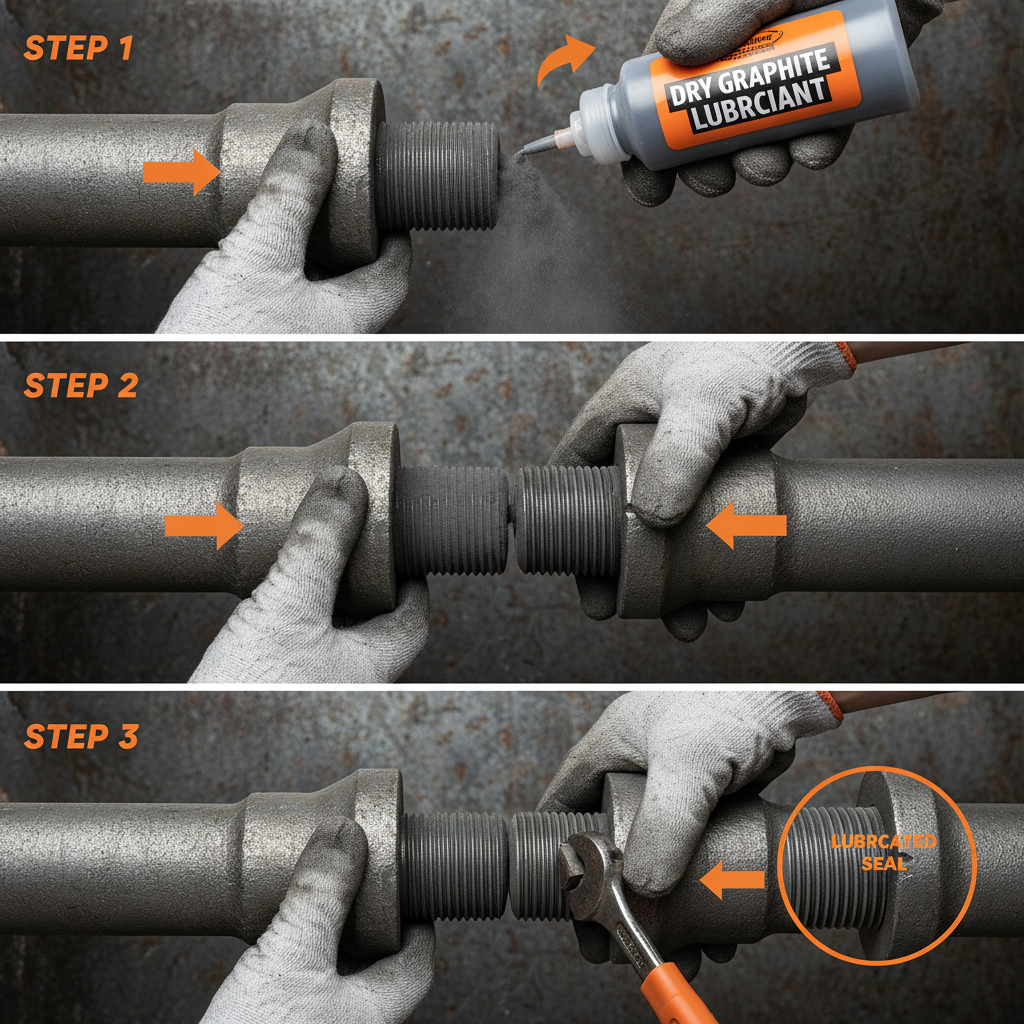
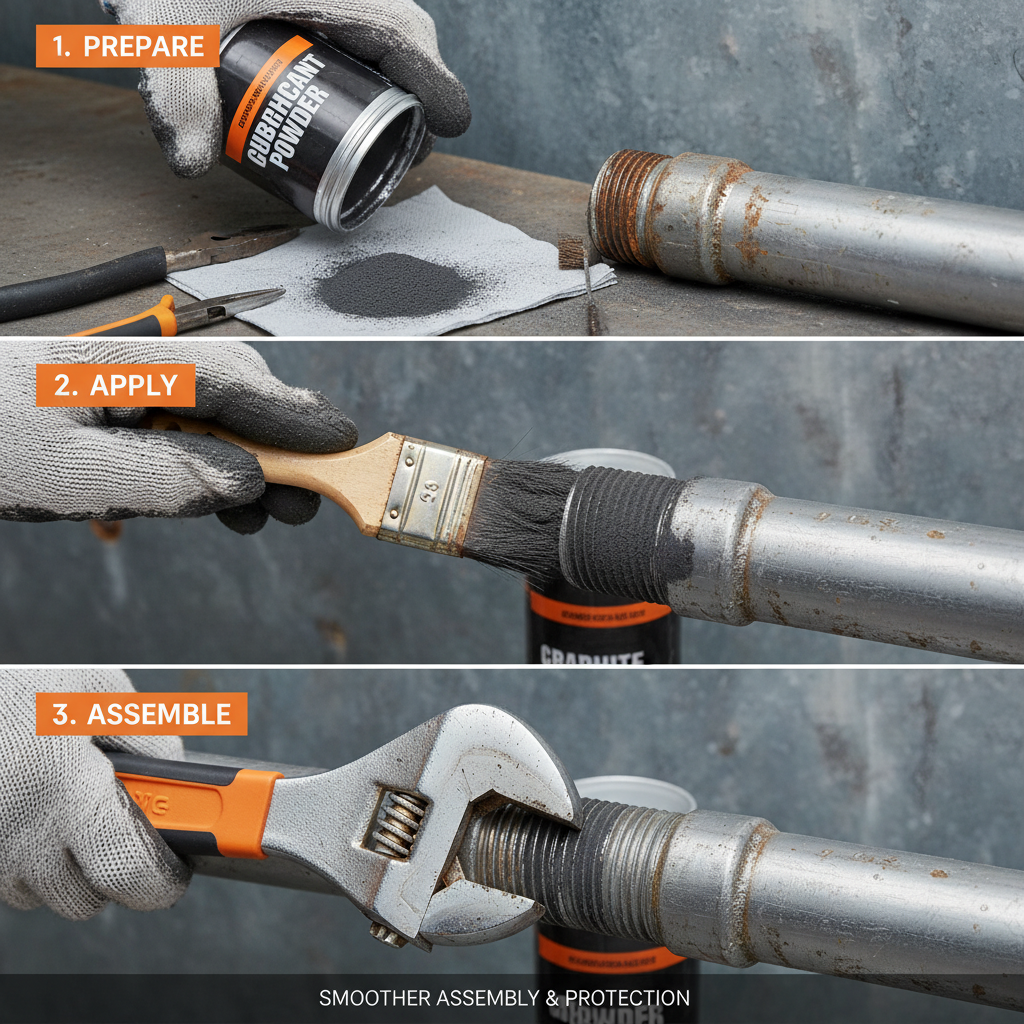
In real terms, you’ll find powdered graphite lubricant used across several heavy industries, including steel manufacturing, mining equipment, and even textile machinery. Why? Because it withstands high temperatures and harsh environments where wet lubricants would break down or attract dirt and grit.
I remember once helping a mill that was struggling with frequent bearing failures in a smelting furnace line. Oils would just burn off, leaving metal to metal contact and costly downtime. Switching to powdered graphite lubricant extended bearing life dramatically and reduced maintenance intervals — which, trust me, made everyone very happy on site.
Key Specifications of Typical Powdered Graphite Lubricants
| Property | Typical Value |
|---|---|
| Particle Size | < 10 microns |
| Purity | > 99.5% |
| Operating Temperature Range | -120°C to 450°C |
| Coefficient of Friction (Dry) | ~0.1 |
| Electrical Conductivity | High |
Many engineers I know prefer powdered graphite when dealing with environments that must stay clean and dry — any grease buildup can attract dust and cause clogging. Interestingly, powdered graphite is often combined with other solid lubricants (like molybdenum disulfide) to create hybrid blends tailored for specific industrial needs. This kind of customization is pretty common, as one size rarely fits all in the industrial sector.
Comparing Leading Vendors of Powdered Graphite Lubricants
| Vendor | Purity (%) | Particle Size | Temperature Range (°C) | Customization Options |
|---|---|---|---|---|
| NL Graphite | 99.9+ | < 10μm | -120 to 450 | Yes (blends, custom milling) |
| Vendor B | 99.5 | 15μm | -100 to 400 | Limited |
| Vendor C | 98.7 | 20μm | -80 to 350 | No |
When it comes down to buying powdered graphite lubricant, I often tell colleagues to look beyond just price. Purity and particle size have a huge effect on performance, especially in sensitive mechanical systems. NL Graphite has consistently impressed me with solid quality and the ability to customize powders for niche applications — a must if you want to keep expensive parts running longer.
In my experience, powdered graphite is sometimes overlooked because it doesn’t have the slick, oily feel we associate with lubricants. But in reality, its dry film properties often outperform traditional greases in high-temp or dusty environments. Plus, the low friction coefficient can translate into energy savings for continuous operations. So, if you haven’t seriously considered powdered graphite before, it might be time to take another look — you might be surprised just how well it fits.
To wrap this up, powdered graphite lubricant is a quiet but powerful player in industrial maintenance. Its durability, flexibility (in blends and customization), and unique dry lubrication mechanism make it a smart choice for a growing range of sectors. And frankly, for someone like me who’s seen worn-out machines revived, it’s rewarding to recommend something that truly works under pressure.
Trustworthy lubrication goes a long way—especially when downtime costs a fortune.
References and Further Reading
- Industrial Lubricants and Their Applications, 7th Ed., Rex: 2021
- "Graphite as a Solid Lubricant," Tribology International Journal
- NL Graphite Product Manuals and Technical Datasheets
 Pervious
 Next
Next