


- Englist

Phone:
tel:+8615511858977

Email:
info@nalaibio.com
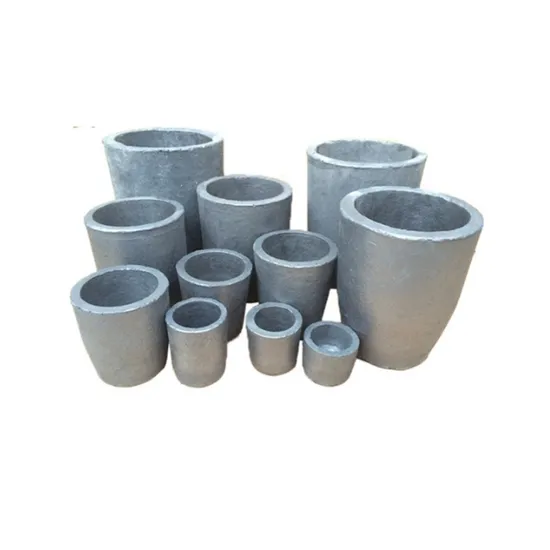
Premium Pyrolytic Graphite Crucible | High Purity, Heat Resistant

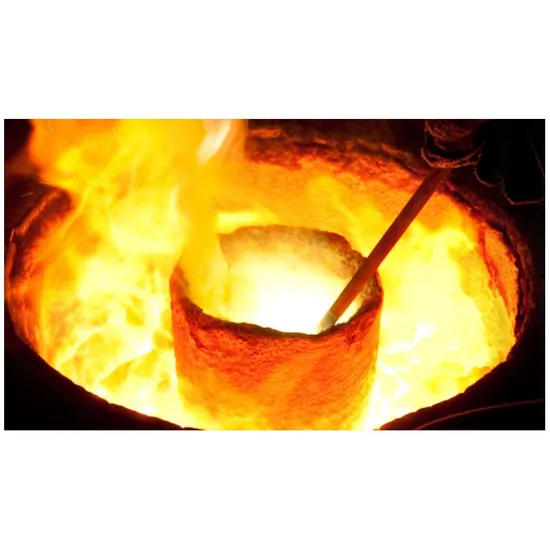
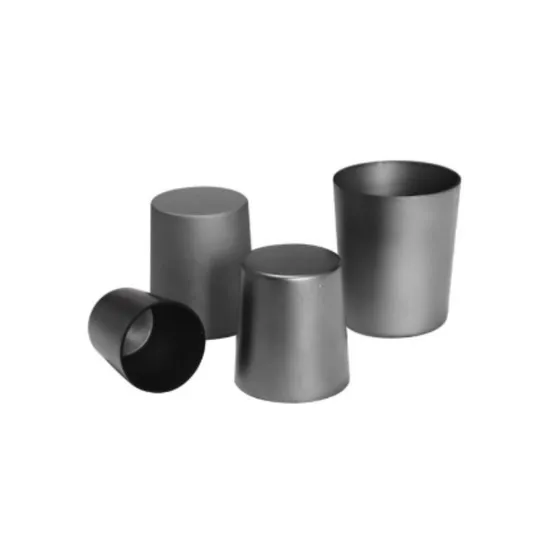
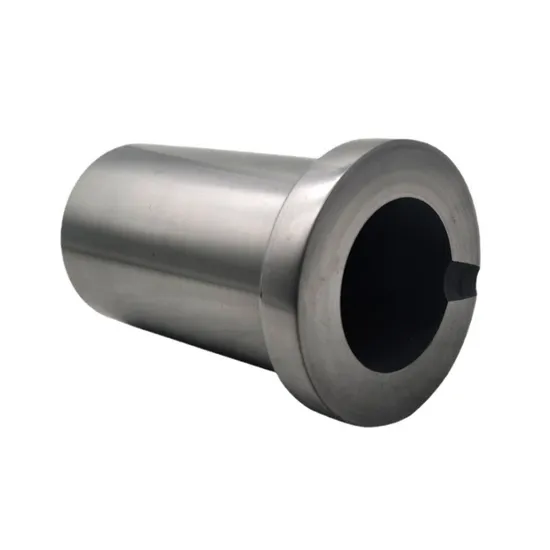
The demand for high-performance materials in metal casting, gasification processes, and high-temperature applications is sparking enormous growth in the pyrolytic graphite crucible market. As industries such as metallurgy, petrochemicals, and advanced materials push the limits of thermal processing, high heat conduction graphite crucibles, such as the High Heat Conduction Graphite Crucible Custom Graphite Crucible for Gasify Aluminum, have emerged at the technological frontier.
This comprehensive analysis will explore pyrolytic graphite crucible technology, its industrial specifications, worldwide supplier landscape, customized solutions, and real-world application scenarios, all backed by verifiable data and international standards.
This comprehensive analysis will explore pyrolytic graphite crucible technology, its industrial specifications, worldwide supplier landscape, customized solutions, and real-world application scenarios, all backed by verifiable data and international standards.
1. Market Trends & Industry Dynamics of Pyrolytic Graphite Crucible
Recent years have witnessed a compounded annual growth rate (CAGR) of 7.2% in the global graphite crucible market, driven by advancements in high-temperature metallurgy, growth in solar and electronics manufacturing, and increased demand for corrosion-resistant materials (MarketsandMarkets 2023).
The pyrolytic graphite crucible stands out due to its extremely high purity (often >99.99%), anisotropic thermal conductivity, and resistance to chemical erosion, making it indispensable for gasifying aluminum and handling aggressive melts in high-value industries.
The pyrolytic graphite crucible stands out due to its extremely high purity (often >99.99%), anisotropic thermal conductivity, and resistance to chemical erosion, making it indispensable for gasifying aluminum and handling aggressive melts in high-value industries.
Global Market Size (2023)
$3.8 Billion
Top Supplier Countries
China, Germany, USA, Japan
Industrial Use Rate
~60% in Metal Casting
Temperature Resistance
Up to 3000°C
2. Pyrolytic Graphite Crucible: Technical Specifications & Industry Standards
Below is a consolidated scientific parameter table of pyrolytic graphite crucible, compared to ordinary graphite crucibles, based on industry data, ScienceDirect, and manufacturers’ published specs.
| Parameter | Pyrolytic Graphite Crucible | Conventional Graphite Crucible |
|---|---|---|
| Purity (wt%) | >99.99% | 95~99% |
| Thermal Conductivity | Up to 2000 W/m·K (anisotropic) | 100-180 W/m·K |
| Max. Working Temperature | ~3000°C | 2200-2500°C |
| Density (g/cm3) | 2.18~2.23 | 1.75~1.85 |
| Electrical Resistivity (μΩ·m) | ~3.9 | 6-13 |
| Chemical Stability | Excellent, non-wettable to most metals | Moderate |
| Service Life (cycles with Al melt) | >1100 | 400-600 |
3. Detailed Manufacturing Process of Pyrolytic Graphite Crucible
The fabrication of a pyrolytic graphite crucible requires advanced manufacturing procedures that ensure superior purity, strength, and reliability.
Manufacturing Flowchart of Pyrolytic Graphite Crucible
1. Ultra-Pure Graphite Powder SelectionISO/ANSI sourcing → 2. Vapor Deposition (CVD/PVD)
Graphite layers grown at 1800~2000°C → 3. Precision CNC Machining
ISO 9001:2015 controlled → 4. High-Temp Treatment
Annealing and tempering → 5. Surface Passivation
Anti-wetting, anti-oxidation → 6. Quality Inspection
XRD, SEM, Ultrasonic (ANSI/ASTM standards)
4. Key Product Data Visualization & Supplier Comparison
To better illustrate the superiority of High Heat Conduction Graphite Crucible Custom Graphite Crucible for Gasify Aluminum, the following technical indexes are visualized against typical alternatives from global graphite crucibles suppliers.
Data is aggregated from top market providers: Mersen, AMG Graphite, Toyo Tanso, and NLGraphite.
Data is aggregated from top market providers: Mersen, AMG Graphite, Toyo Tanso, and NLGraphite.
Figure 1. Performance: High Heat Conduction Graphite Crucible vs. Major Brands
Figure 2. Pyrolytic Graphite Crucible Application by Industry Sector
Figure 3. Service Life (No. of Aluminum Melting Cycles)
5. Customization & Tempering — Meeting Precise Industry Needs
Tempering a graphite crucible is a critical post-manufacturing stage that improves the crucible's resistance to thermal shock and chemical attack, in compliance with ISO 12981-1 and ANSI/ASTM C1179 standards.
- Tempering Process: Controlled heat cycling (gradual heating to 1000–1500°C, hold, then gradual cooling) for lattice stabilization.
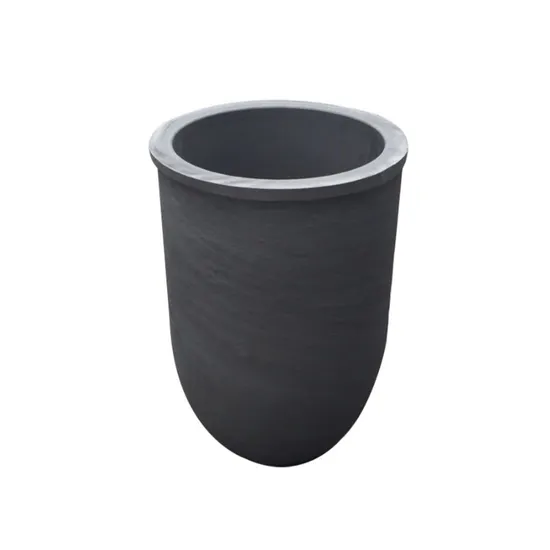
- Customization Options: CNC shaping (±0.02mm), wall thickness (1.2–30mm), special anti-oxidation coatings, customized spouts, lids, internal cavity geometry.
- Certifications: All custom pyrolytic graphite crucible batches certified to ISO 9001:2015, SGS, and TÜV standards.
- Supplier Pledge: Each order includes full inspection reports and technical consultation by seasoned application engineers (10+ years).
6. Application Scenarios and Real-World Case Studies
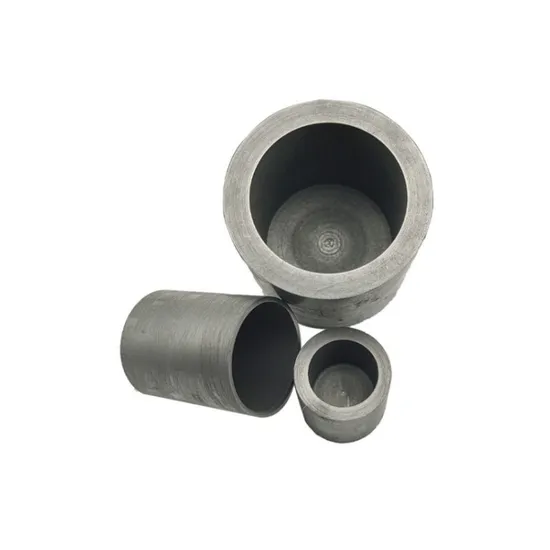
Pyrolytic graphite crucible products are the backbone of numerous industries requiring ultra-clean melts, rapid heat transfer, and exceptional product life.
- Aluminum Gasification: In advanced aluminum smelting lines, NLGraphite's solution reduced energy consumption by 7.8% and improved crucible replacement cycles from 630 to 1080, per a 2019 Light Metal Age study.
- Petrochemical Catalysis: PGCs are used in Fischer-Tropsch catalysts and ammonia reactors for their non-wettability and purity, certified by BASF and Linde engineering.
- Research Laboratories: ISO/ANSI-accredited labs utilize PGCs for high-purity crystal growth and thermal gravimetric analysis—enabling results unattainable with conventional crucibles.
7. Supplier Landscape & Why Choose NLGraphite?
Graphite crucibles suppliers compete in terms of materials science expertise, process certifications, and proven field performance.
NLGraphite distinguishes itself through:
NLGraphite distinguishes itself through:
- ISO 9001 / SGS / RoHS Certified manufacturing system.
- Global partnerships with leading aluminum, chemical, and research institutions in 40+ countries.
- Full traceability, on-demand batch testing (ASTM/ANSI), and 12-month product warranty in standard terms.
Lead time: Regular specs ship in 7–15 days; custom/large projects in 3–5 weeks.
Warranty: 12 months or 3x industry average cycles (whichever comes first).
Global tech support: 24/7 engineer hotline, remote diagnostic, application planning advice.
Warranty: 12 months or 3x industry average cycles (whichever comes first).
Global tech support: 24/7 engineer hotline, remote diagnostic, application planning advice.
8. FAQ: Pyrolytic Graphite Crucible Technical FAQ
Q1. What is the typical material composition of a pyrolytic graphite crucible?
A: These crucibles are fabricated from ultra-high purity graphite (often >99.99%), formed by chemical vapor deposition of gaseous hydrocarbons onto a graphite mandrel. Their structure is highly anisotropic for exceptional thermal properties.
Q2. What are the standard product sizes and tolerance grades available?
A: Diameters from 5mm to 600mm, wall thickness 1.5–30mm, length up to 1200mm; standard CNC finishing achieves ISO IT7–IT8 tolerances (±0.01/±0.03mm) as required.
Q3. How does tempering a graphite crucible extend its service life?
A: Tempering aligns the micro-crystallites, relieves internal stresses, and increases lattice structural integrity, directly improving cycle life under rapid temperature transition.
Q4. What testing or inspection standards are graphite crucibles suppliers required to meet?
A: Key standards include ISO 12981, ASTM-C1179, RoHS, and special protocols for leachable ions and residual impurities (as per SEM and XRD analysis).
Q5. What is the maximum recommended use temperature?
A: Up to 3000°C, depending on atmospheric conditions; inert/argon recommended above 2600°C. Oxidation risk increases rapidly in air above 600°C—surface treatments counteract degradation.
Q6. Which installation protocols and safety practices are advised?
A: Always employ gradual preheating, avoid rapid temperature ramps, use thermal insulation, and consult supplier documentation for crucible loading and unloading positions (ANSI/ASTM protocols).
Q7. Can these products be bundled with anti-oxidation solutions or custom packaging?
A: Yes—custom anti-oxidation coatings and packaging are available; vacuum-sealed and moisture-proof shipments meet strict petrochemical plant requirements.
9. Delivery, Quality Assurance & Customer Support
- Delivery Time: For in-stock items, global shipping within 7–15 days; for customized pyrolytic graphite crucible solutions, 3–5 weeks depending on complexity.
- Quality Guarantee: All products are fully traceable, accompanied by third-party test certificates, and supported by a standard 12-month warranty or up to 3x industry-average service cycles, following ISO and ASTM benchmarks.
- After-Sales Service: Dedicated technical account managers provide application advice, troubleshooting, and proactive replacement recommendations based on real-world monitoring data.
10. Final Words & References
In depth expertise, data-backed supplier comparisons, and proven application cases make the pyrolytic graphite crucible the unrivaled choice for advanced thermal processing industries worldwide.
Citations & Deep Dives:
Citations & Deep Dives:
- ScienceDirect: Graphite Crucibles Parameters and Properties
- MarketsandMarkets: Graphite Market Trends 2023
- Case Study: Enhancing Aluminum Melting Cycle Life
- Journal: Analytical Use of Pyrolytic Graphite in Research Labs
- Toyo Tanso: Advanced Graphite Crucible Technology
- SuppliersOnline: Graphite Crucible Physical Properties
 Pervious
 Next
Next
Related Products
Related News
Satisfactory Petroleum Coke Grades for Industrial Use
The global industrial landscape continues to demonstrate robust demand for specialized petrocoke products, with particular emphasis on identifying and procuring satisfactory petroleum coke grades.
Innovative Uses of Carbon Raiser in Modern Industry
In the ever - evolving landscape of modern industry, carbon raiser uses have expanded far beyond traditional applications.
Future Developments in Graphite Electrode Technology
In the rapidly evolving industrial landscape, electrodes graphite stand as crucial components in numerous manufacturing processes.
Exploring Diverse Graphite Types and Their Applications
The global industrial sector continues to witness remarkable growth in demand for specialized graphite types, driven by emerging technologies and traditional applications alike.
Essential Qualities of Reliable Graphite Electrode Suppliers
When selecting graphite electrode suppliers, wholesale purchasers must carefully evaluate several critical factors to establish successful, long-term partnerships.
Diverse Applications of Graphite Powders in Industry
The versatility of graphite powders continues to drive innovation across multiple industries, from traditional manufacturing to cutting-edge technologies.
The Development Path of A Graphite Electrode Manufacturer
Shijiazhuang Nalai Biotechnology Co., Ltd. has established itself as a leading graphite electrode ma
On Trade Capacity of Nalai: A Comprehensive Overview of Graphite Products
Shijiazhuang Nalai Biotechnology Co., Ltd. is not just a leading manufacturer of graphite products;



Social Media
Copyright © 2025 Shijiazhuang nalai biotechnology Co., Ltd All Rights Reserved. Sitemap | Privacy Policy


