

- Englist



Exploring Diverse Graphite Types and Their Applications

The global industrial sector continues to witness remarkable growth in demand for specialized graphite types, driven by emerging technologies and traditional applications alike. As wholesale buyers navigate this evolving landscape, understanding the intricate relationship between petroleum coke price trends and graphite block material quality becomes increasingly crucial. This in-depth analysis explores five critical aspects of graphite procurement, offering valuable insights from industry leaders like Shijiazhuang Nalai Biotechnology Co., Ltd, known for their innovative approaches to graphite production and quality assurance.
Classification and Properties of Graphite Types
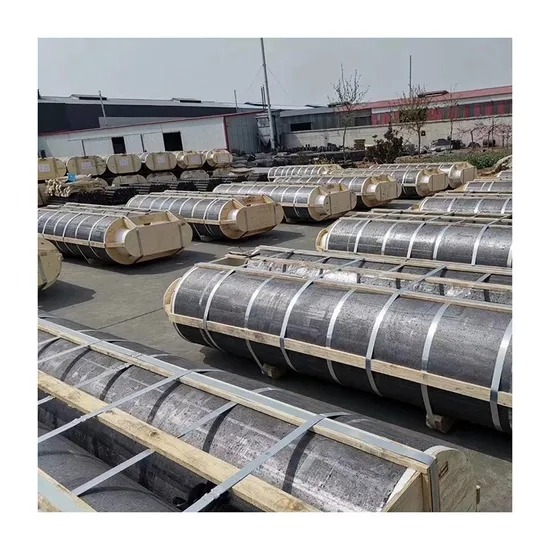
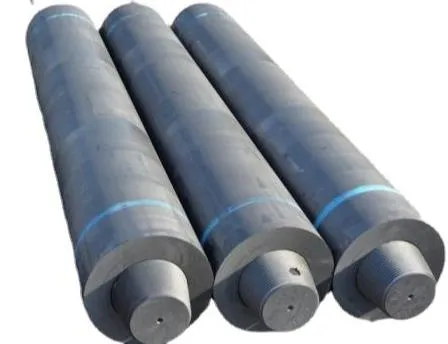
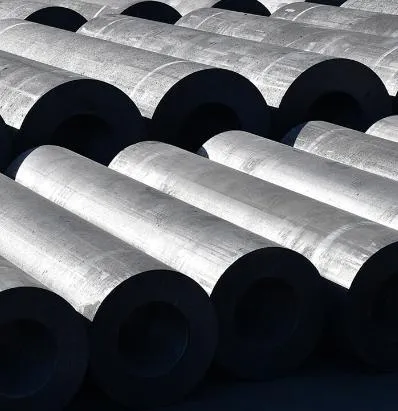
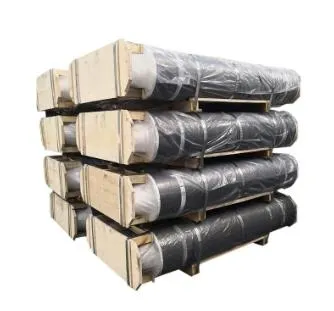
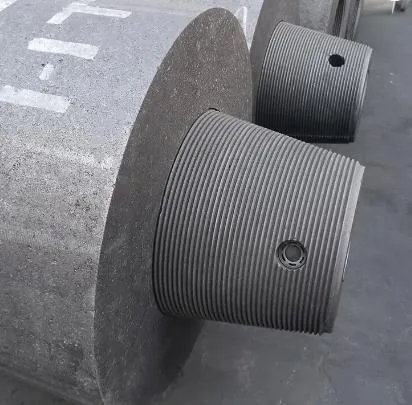
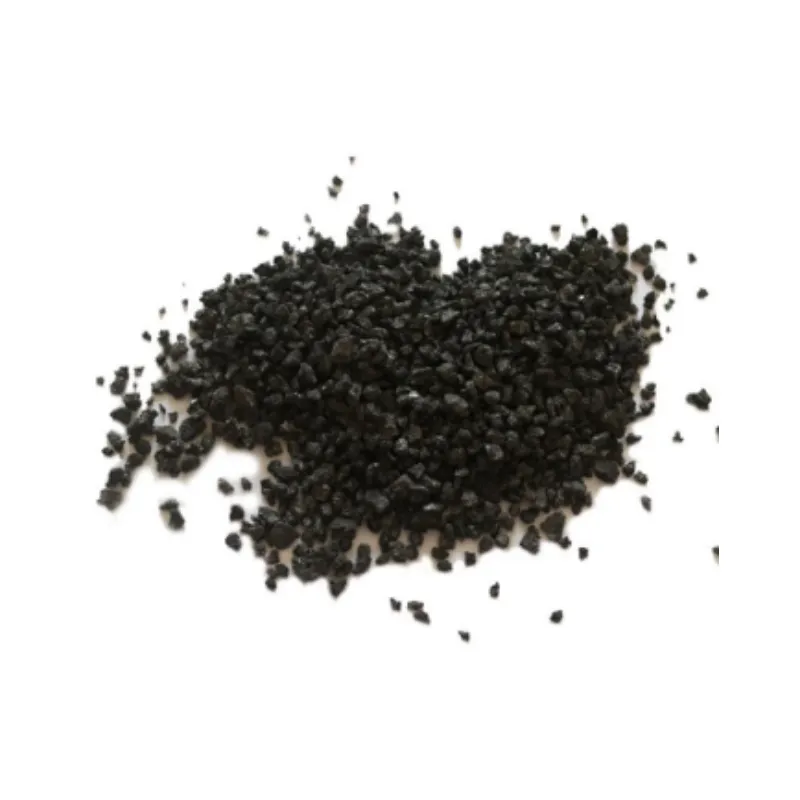
The market offers a diverse range of graphite types, each engineered to meet specific industrial requirements. Natural graphite varieties including flake, amorphous, and vein graphite each possess distinct crystalline structures that determine their thermal and electrical conductivity properties. Synthetic graphite, manufactured from processed petroleum coke, provides superior purity and consistency for high-performance applications. Specialized forms like isostatic and extruded graphite block material offer enhanced mechanical strength and thermal stability. Shijiazhuang Nalai Biotechnology Co., Ltd has developed proprietary formulations that optimize key characteristics such as grain orientation, porosity, and oxidation resistance for demanding industrial environments, particularly in the renewable energy and semiconductor sectors.
Economic Factors Influencing Petroleum Coke Price
The petroleum coke price remains a pivotal factor in graphite production economics, serving as the primary feedstock for synthetic graphite manufacturing. Market volatility stems from multiple sources including crude oil price fluctuations, changes in refining capacities, and evolving environmental regulations. These price movements create ripple effects throughout the graphite supply chain, particularly impacting production costs for premium graphite block material. Strategic buyers maintain close relationships with established suppliers like Shijiazhuang Nalai Biotechnology Co., Ltd, who leverage long-term supply contracts and advanced production efficiencies to buffer against market instability while providing reliable pricing forecasts based on comprehensive market intelligence.
Engineering Specifications of Graphite Block Material
High-performance graphite block material must meet exacting engineering specifications to ensure reliability in critical applications. Key parameters include thermal expansion coefficients, compressive strength metrics, and electrical resistivity values, which vary significantly across different graphite types. Premium manufacturers employ sophisticated processing techniques such as isostatic pressing and high-temperature graphitization to achieve optimal property combinations. Shijiazhuang Nalai Biotechnology Co., Ltd implements multi-stage quality verification protocols to guarantee their graphite blocks meet stringent specifications for dimensional stability and thermal performance, particularly in extreme operating conditions found in aerospace and energy storage applications.
Emerging Applications for Advanced Graphite Types
Innovative technologies continue to create groundbreaking applications for specialized graphite types, driving material science advancements. The electric vehicle revolution has dramatically increased demand for high-purity synthetic graphite in lithium-ion battery anodes, while next-generation nuclear reactors require radiation-resistant graphite block material formulations. The renewable energy sector utilizes graphite's unique properties in fuel cell components, solar panel manufacturing, and large-scale energy storage systems. Forward-thinking manufacturers like Shijiazhuang Nalai Biotechnology Co., Ltd allocate substantial resources to research and development, creating novel graphite solutions that address these evolving market needs while maintaining cost-efficiency despite petroleum coke price unpredictability.
Graphite Types FAQS
What are the key selection criteria for different graphite types?
Selecting appropriate graphite types requires careful evaluation of application-specific requirements including temperature range, mechanical stress conditions, and chemical exposure. Key considerations include purity levels, grain structure, thermal conductivity, and electrical resistivity. For high-performance applications like graphite block material used in extreme environments, additional factors such as oxidation resistance and thermal shock durability become critical selection parameters.
How does petroleum coke price volatility impact graphite product availability?
Significant fluctuations in petroleum coke price can affect production schedules and inventory levels across the graphite industry. Established manufacturers like Shijiazhuang Nalai Biotechnology Co., Ltd mitigate these impacts through strategic raw material stockpiling, long-term supply agreements, and production efficiency improvements, ensuring consistent availability of their graphite types despite market uncertainties.
What quality certifications should buyers verify for graphite block material?
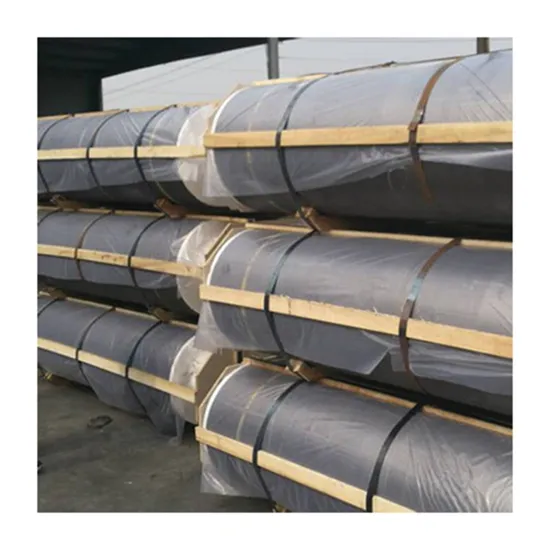
Reputable suppliers of graphite block material should provide ISO quality management certifications, material test reports, and industry-specific compliance documentation. For specialized applications, additional certifications such as nuclear-grade qualifications or aerospace material specifications may be required. Buyers should request complete documentation verifying the material's physical and chemical properties.
Which graphite types offer the best performance in high-temperature environments?
Isostatic pressed graphite types generally demonstrate superior performance in extreme temperature applications due to their homogeneous structure and excellent thermal shock resistance. Some advanced graphite block material formulations incorporate specialized additives to enhance oxidation resistance and mechanical stability at elevated temperatures, making them ideal for furnace components and high-heat industrial processes.
How is the graphite block material industry addressing sustainability challenges?
Progressive manufacturers are developing more sustainable production methods for various graphite types, including energy-efficient processing and waste reduction initiatives. The industry is also creating recyclable graphite products and exploring alternative raw materials to reduce dependence on petroleum coke. Companies like Shijiazhuang Nalai Biotechnology Co., Ltd invest in research to improve material longevity and develop closed-loop systems for graphite recovery and reuse in industrial applications.
 Pervious
 Next
Next