

- Englist



Pure Graphite Sheet – Essential Thermal & Chemical Management Material

Pure Graphite Sheet: The Unsung Hero of Modern Industry
If you've never paused to think about pure graphite sheets, you're not alone. Yet, these seemingly simple components have quietly transformed sectors ranging from electronics to aerospace — and even humanitarian technology. Understanding pure graphite sheet isn’t just for engineers or materials scientists; its definition and applications deeply touch on sustainability, innovation, and global industrial progress. So why does it matter? Because this material provides solutions to complex challenges in heat management, sealing, and corrosion resistance worldwide, catalyzing innovation in ways many overlook.
Global Context: Why Pure Graphite Sheets Matter More Than Ever
In 2024, the demand for materials that can withstand extreme environments while remaining sustainable is skyrocketing. According to ISO standards and recent World Bank reports, industries that produce electronics, automotive parts, and renewable energy components grow by nearly 5% year-on-year globally. As electronics miniaturize and temperatures soar, thermal management materials like pure graphite sheets have stepped into the spotlight. The challenge? Traditional materials often fail under stress or contribute to environmental waste. Graphite sheets, with their unique properties, tackle both performance and sustainability head-on.
Mini Takeaway: In a hotter, greener, and more tech-driven world, materials like pure graphite sheet become vital players, balancing durability with environmental responsibility.
What Exactly Is a Pure Graphite Sheet?
To put it simply, a pure graphite sheet is a thin, flexible, flat material made entirely from high-purity graphite flakes. Imagine layers of carbon atoms stacked neatly, allowing electrons and heat to move effortlessly along the plane. This structure gives it exceptional thermal conductivity, chemical resistance, and mechanical flexibility. Unlike composite sheets, pure graphite sheets avoid binders and fillers, ensuring uniform performance.
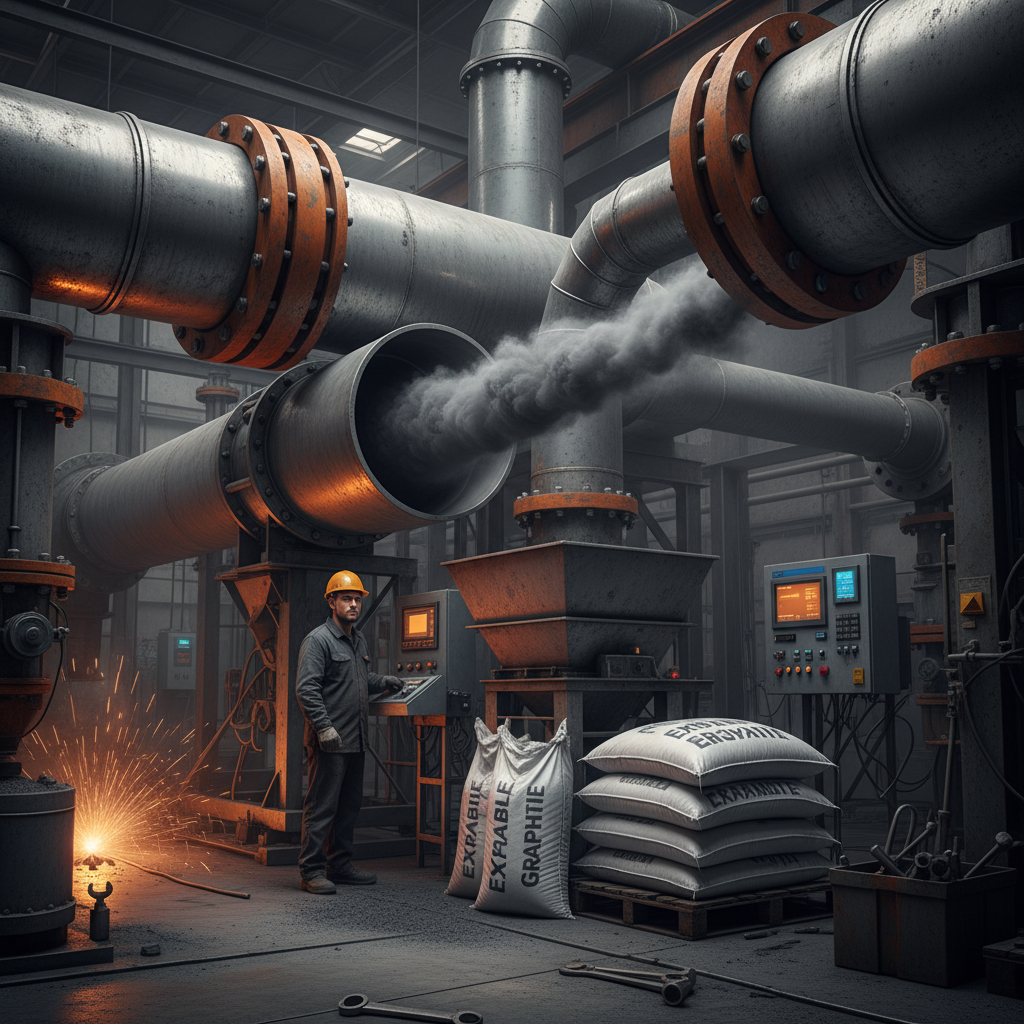
In practical terms, you find pure graphite sheets acting like silent custodians in electronics, ensuring heat doesn’t wreck your phone or laptop, or in sealing applications preventing leaks in harsh chemical pipelines. They also pop up in humanitarian tech — like reliable, heat-resistant gasket materials for emergency fuel tanks in disaster zones.
Key Features That Make Pure Graphite Sheets Indispensable
1. Exceptional Thermal Conductivity
Unlike many insulating materials, pure graphite sheets channel heat rapidly and evenly. This stops hotspots in sensitive devices and ensures longevity. Electronics engineers often praise this feature, especially as chips get smaller and hotter.
2. Chemical and Corrosion Resistance
Graphite naturally resists acids, bases, and solvents, making these sheets perfect for chemical plants or pharmaceutical production lines where seals and gaskets confront tough substances daily.
3. Flexibility and Durability
Pure graphite sheets are surprisingly supple — you can bend or wrap them around complex shapes without cracking, unlike ceramic or metal alternatives. Flexibility meets endurance, a rare combo.
4. Low Weight and Environmental Friendliness
Compared to metals, graphite sheets reduce system weight, crucial for automotive or aerospace use. Plus, their production leaves a smaller carbon footprint, and they’re recyclable, aligning with green manufacturing initiatives.
Mini Takeaway: The synergy of heat management, chemical resistance, flexibility, and sustainability explains why pure graphite sheets are the secret sauce behind many modern engineering feats.
How Pure Graphite Sheets Make a Difference Globally
Real-world applications span continents and sectors. In East Asia’s booming smartphone factories, these sheets cool processors seamlessly. In European chemical refineries, they form durable seals that avoid harmful leaks. African renewable energy projects use graphite sheets in wind turbines to improve reliability. Even in disaster relief, organizations employ them for fuel storage and emergency power unit sealing — ensuring safety and sustainability when it counts most.
One fascinating example: A Southeast Asian humanitarian NGO recently adapted pure graphite sheet-based gasket systems in mobile water purification units, allowing them to survive rough transit and harsh conditions, providing clean water with minimal downtime.
Pure Graphite Sheet Product Specification
| Specification | Value | Unit |
|---|---|---|
| Purity Level | >99.9% | % |
| Thermal Conductivity (in-plane) | 600 | W/m·K |
| Density | 1.1–1.3 | g/cm³ |
| Max Operating Temperature | 3500 | °C |
| Thickness Range | 0.1 - 3.0 | mm |
Vendor Comparison: Choosing the Right Supplier
| Vendor | Typical Lead Time | Customization Options | Certification | Pricing Level |
|---|---|---|---|---|
| Global Graphite Co. | 2-4 weeks | Thickness, Size, Purity | ISO 9001, RoHS | $$$ |
| CarbonTech Solutions | 3-5 weeks | Size, Coating | ISO 14001 | $$ |
| NL Graphite Inc. | 1-3 weeks | Full Customization | ISO 9001, ISO 14001, REACH | $$$ |
Why Use Pure Graphite Sheets? The Advantages That Matter
Investing in pure graphite sheets isn’t just a technical decision — it usually reflects your commitment to safety, durability, and sustainability. The long-term cost savings in maintenance and replacement are often dramatic; many engineers note the reduction of unexpected downtime thanks to these sheets’ stability under pressure and heat. On an emotional, more human level, think about industrial workers relying on safe seals to avoid toxic leaks or the preservation of electronic devices used for life-saving communication. Pure graphite sheets quietly build trust.
Plus, from an environmental angle, as companies aim for net-zero emissions, materials that require fewer replacements and produce less waste like graphite sheets are becoming mandatory rather than optional.
Looking Ahead: Innovations and Future Trends in Graphite Sheet Technology
Advances are accelerating. Manufacturers are now integrating nanotechnology to further boost thermal conductivity without sacrificing flexibility. You’ll also see the rise of hybrid graphite composites tailored for electric vehicles’ batteries, where cooling efficiency is critical. With increasing pressure from global climate policies, expect more eco-friendly production processes, with suppliers adopting renewable energy and reducing toxic binders.
Digital transformation also means better customization via AI-driven design tools, enabling clients to get the exact sheet thickness, size, and properties they want without unnecessary waste or trial and error.
Common Challenges (And Clever Solutions!)
Perhaps surprisingly, pure graphite sheets pose challenges in their softness; without binders, they might delaminate under vigorous mechanical stress. Engineers often counter this by using layered constructions or protective coatings to enhance structural integrity. Sourcing ultra-high purity materials also raises costs and can limit suppliers, but emerging recycling methods and locally sourced graphite deposits are increasingly mitigating these concerns.
Frequently Asked Questions About Pure Graphite Sheet
- Q: How does a pure graphite sheet improve electronic device durability?
- A: By efficiently conducting heat away from critical components, pure graphite sheets prevent overheating and thermal stress, which increases the lifespan and reliability of devices like smartphones and laptops.
- Q: Can pure graphite sheets be customized for unusual shapes or thicknesses?
- A: Absolutely. Most suppliers—including NL Graphite—offer customization from laser cutting to tailored thickness ranges between 0.1 mm and 3 mm to suit complex industrial needs.
- Q: Are pure graphite sheets suitable for use in chemical or high-acid environments?
- A: Yes, one of their strongest benefits is their exceptional chemical resistance, making them ideal for seals and gaskets in chemical processing and harsh industrial environments.
- Q: How eco-friendly are these sheets compared to traditional alternatives?
- A: Pure graphite sheets generally have a lower environmental footprint due to their durability and recyclability, reducing the frequency of replacements and the volume of waste generated.
Conclusion: Why the World Needs Pure Graphite Sheets More Than Ever
It’s tempting to overlook the humble graphite sheet, but its role in modern industry and global sustainability goals is profound. As materials that combine flexibility, heat management, and resilience, they underpin technologies and industries that keep the world moving. If you want to dive deeper or source top-notch pure graphite sheets tailored to your needs, visit NL Graphite’s website — you'll find a specialist partner keen to help innovate and adapt.
Until then, keep an eye on this quiet powerhouse. Sometimes the best solutions work behind the scenes.
Mini takeaway: Pure graphite sheets aren’t just components; they’re foundation blocks of safer, smarter, and greener technology across the planet.
References
 Pervious
 Next
Next