

- Englist



Quality Graphite Rod Factory Insights and Product Specs

Inside the Graphite Rod Factory: What You Need to Know
Having spent a fair few years in the industrial equipment sector, I can say that graphite rods often fly under the radar — yet they’re the unsung heroes in many applications, from electric arc furnaces to semiconductor manufacturing. Oddly enough, when you think about materials that handle extreme heat, graphite rods quietly dominate the scene.
The craft behind a graphite rod factory
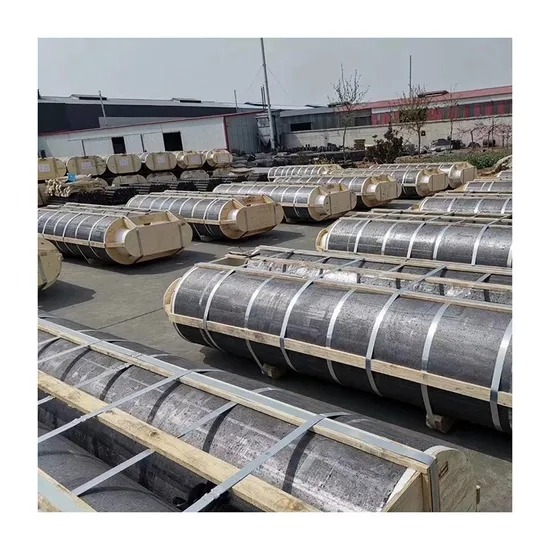
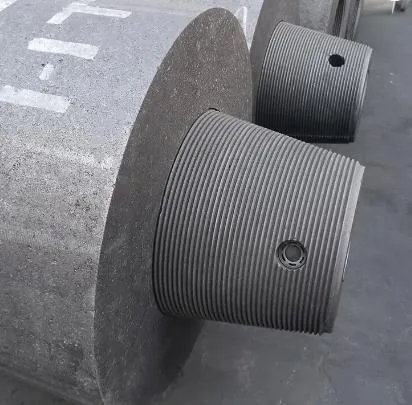
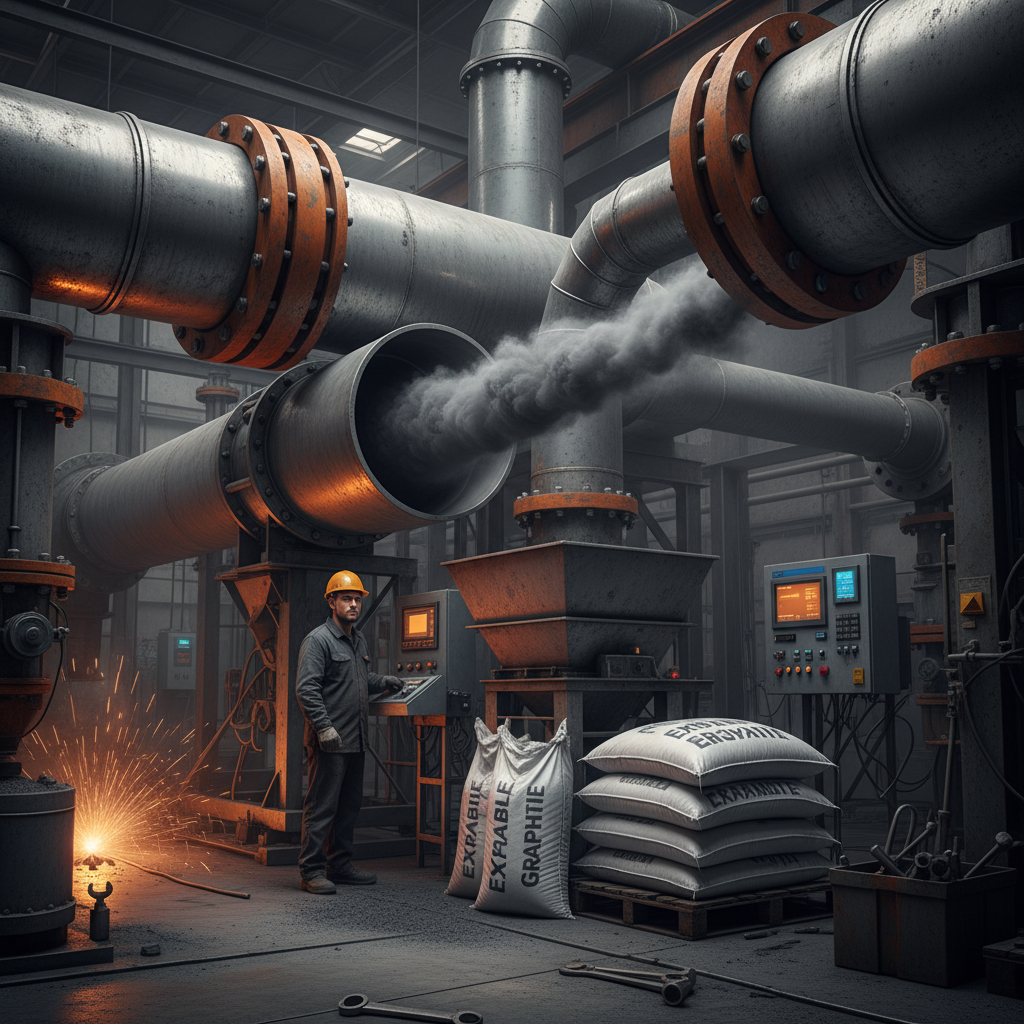
Walking through a graphite rod factory can feel like stepping into an alchemist’s workshop — except with a heavy dose of engineering precision. Raw materials, usually petroleum coke and coal tar pitch, undergo calcination before being molded under immense pressure and baked at high temperatures. The process isn’t just about smashing stuff together; it’s about controlling porosity, density, and even grain direction of the carbon matrix.
One detail I always find fascinating is the balance between conductivity and mechanical strength. Many engineers I’ve worked with stress how critical that balance is, especially for rods that power up electrodes in electric arc furnaces — too brittle and they snap, too soft and they degrade quickly.
Product design and critical specifications in real terms
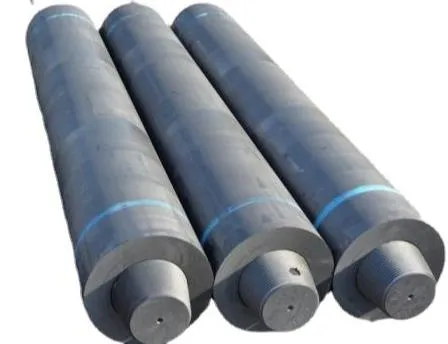
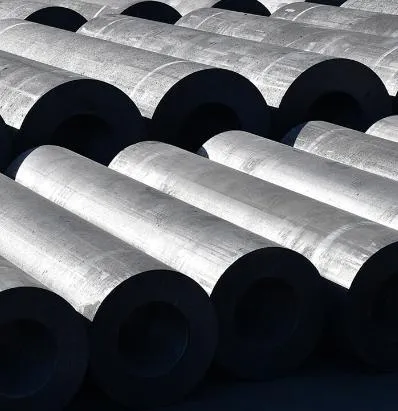
Graphite rods aren’t one-size-fits-all. Depending on their end-use, specifications can vary widely. From diameter and length, obviously, but also surface finish, purity, and tolerance to thermal shock. The specs below are pretty typical for industrial-grade graphite rods, but of course, manufacturers and clients often customize them based on the quirks of their operations.
| Specification | Typical Value | Unit |
|---|---|---|
| Diameter | 10 - 120 | mm |
| Length | 100 - 2000 | mm |
| Bulk Density | 1.6 - 1.9 | g/cm³ |
| Flexural Strength | 25 - 45 | MPa |
| Electrical Conductivity | 10,000 - 15,000 | S/m |
| Maximum Operating Temp. | 2800 | °C |
Choosing the right supplier: a vendor comparison
One thing you quickly learn is that not all graphite rod factories are created equal. Quality varies, delivery times can differ by weeks, and price isn’t always the best indicator of value. Below is a comparison of some well-known vendors, roughly based on my anecdotal experience combined with industry chatter.
| Vendor | Quality | Customization | Lead Time | Pricing |
|---|---|---|---|---|
| NL Graphite | Excellent | High (Custom specs) | 2-3 weeks | Competitive |
| GlobalCarbon | Good | Medium | 3-5 weeks | Mid-Range |
| ThermoCarb | Fair | Low | 4-6 weeks | Budget |
Why these rods matter: A small story from the field
I recall a client struggling with frequent electrode failures in steelmaking. Their old rods could barely handle the rapid thermal cycling, causing downtime — and downtime in steel mills? That’s money down the drain. After switching to high-grade graphite rods from a trusted factory, the lifespan nearly doubled. They reported smoother melts, less spatter, and frankly, fewer nail-biting meetings with operations.
What struck me was how simple a change in a component, often taken for granted, could ripple out to huge cost savings. This is what working closely with a good graphite rod factory really means — it’s not just about rods; it’s about reliability and partnership.
So, if you’re on the hunt for rods, keep an eye on those specs. Don’t get blinded by price alone. And definitely check out vendors who offer graphite rod factory customization. It’s often where the biggest gains lie.
Final thought: in an industry obsessed with new tech, sometimes the oldest materials, like graphite, continue to teach us the most.
References and Reflections:
- Personal experience & field notes from 10+ years in industrial carbon product supply chains.
- Conversations with engineers specializing in high-temp manufacturing processes.
- Market trend reports on carbon and graphite product demand (2023-2024).
 Pervious
 Next
Next