

- Englist



Reliable Graphite Bar Supplier for Industrial Needs | Quality & Sustainability

Understanding the Role of a Graphite Bar Supplier in Today’s Industry
At first glance, “graphite bar supplier” might seem like a narrow, technical niche. Yet, when you dig a little deeper, you realize how much this role underpins critical sectors from energy storage to aerospace manufacturing. The global demand for graphite products is climbing steadily, particularly given their essential use in electric vehicle batteries, industrial lubricants, and even nuclear reactors. So why does the identity and reliability of a graphite bar supplier matter so much on a global scale? Well, simply put, these suppliers are the lifeline for manufacturers who need consistent, high-grade graphite bars to keep vital technologies running smoothly.
Graphite isn’t just any material; it’s a unique form of carbon with exceptional electrical conductivity, heat resistance, and lubricity. Its applications stretch from the tiniest microchips to huge industrial crucibles. Knowing where your graphite bars come from, how they’re made, and the quality you’re getting — all that matters, if you want your finished products to stand the test of time. That’s why talking about graphite bar suppliers isn’t just technical jargon, but a conversation about the backbone of modern manufacturing and innovation.
Global Context: Why Graphite Bar Suppliers Are Key Players Worldwide
According to the United States Geological Survey (USGS), world production of natural graphite was about 1.1 million metric tons in recent years, with demand growing annually by roughly 5-6%. The rise of electric vehicles (EVs) alone accounts for a huge spike in needs, because the anodes in lithium-ion batteries largely depend on high-quality graphite bars or powders, often sourced from specialized graphite bar suppliers.
Yet, it’s not just EVs. Power plants, aerospace firms, steel manufacturing, and even humanitarian engineering projects tap into graphite’s properties. Each relies on dependable suppliers who can provide bars with specific purity, density, and mechanical strength. However, challenges persist — geopolitical tensions around graphite mines, synthetic vs natural material debates, and environmental concerns in mining all shape this landscape.
Oddly enough, while graphite products aren’t household talk, their importance to economic growth and green technologies is substantial. The entire supply chain, with suppliers at its core, shapes which industries flourish and which lag behind.
What Exactly is a Graphite Bar Supplier?
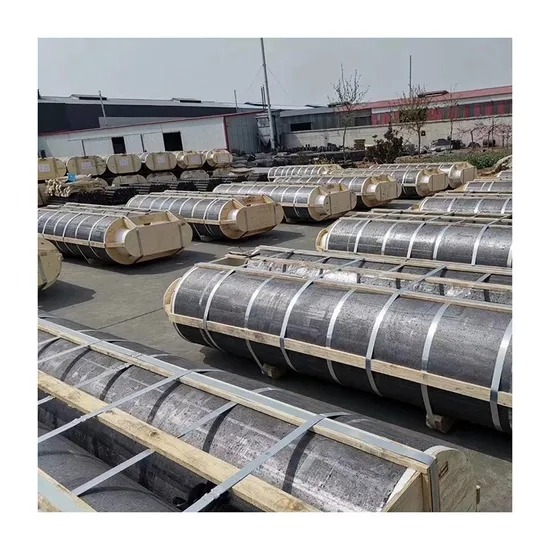
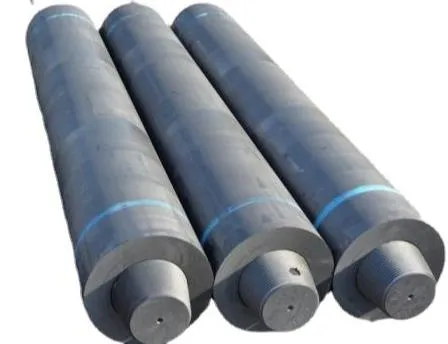
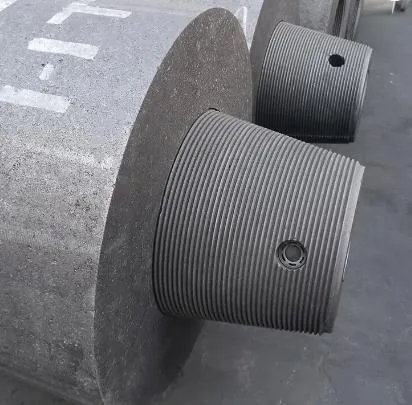
Put simply: a graphite bar supplier is a company or entity that manufactures and distributes graphite bars — solid blocks or rods made of high-purity graphite — to industries requiring this material for further manufacturing or direct use. These bars vary in size, grade, and form depending on the application.
Think of them as the trusted middlemen (and sometimes the originators) between raw material extraction/refinement and industrial usage. Whether for electrodes in steel mills, molds in casting, or components in semiconductors, the supplier’s job is to ensure integrity in product specs, timely delivery, and often technical guidance.
This role carries more weight than one might imagine: if a graphite bar lacks the right density or thermal performance, the downstream manufacturing will suffer — often with costly downtime or product failures as a result.
Key Factors in Selecting a Graphite Bar Supplier
1. Purity & Quality Assurance
The value of a graphite bar lies largely in its purity. Industrial applications typically call for bars with carbon content above 99%. Reputable suppliers perform rigorous lab testing to ensure low ash content, minimal impurities, and desired physical properties like density and porosity.
2. Product Range & Customization
Not all graphite bars are one-size-fits-all. Firms benefit when suppliers offer tailored dimensions, grades (natural vs synthetic graphite), and finishes adapted to specific industrial needs. Oddly enough, some small tweaks in bar thickness or grain orientation can hugely influence performance.
3. Sustainability & Ethical Sourcing
Given the environmental footprint of mining and manufacturing, leading suppliers increasingly pursue eco-friendly practices — like using recycled graphite, cleaner energy in production, and transparent supply chains aligned with ISO environmental standards.
4. Delivery & Logistics Reliability
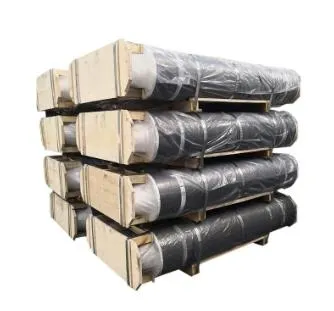
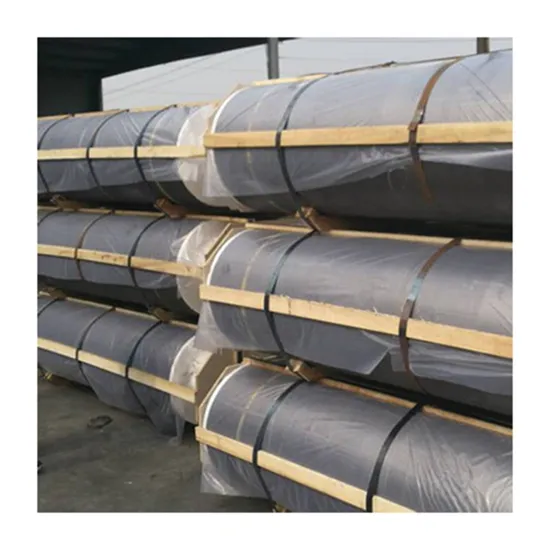
Delays in graphite bar delivery can cause costly interruptions. A dependable supply partner offers efficient logistics, global shipping options, and proactive communication. Many industries also prize suppliers who can stock near manufacturing hubs for fast turnaround.
5. Technical Support & Consultation
Many buyers appreciate suppliers that go beyond delivery — providing experts who can advise on product specs, testing protocols, and installation tips. This consultative approach often prevents costly errors or misapplication.
Typical Product Specifications of Graphite Bars
| Specification | Typical Range | Notes |
|---|---|---|
| Carbon Content | > 99% | Higher purity preferred for electrical use |
| Density | 1.75 – 1.9 g/cm³ | Denser bars offer better mechanical strength |
| Porosity | Low porosity for heat resistance | |
| Size | Custom (rods, blocks up to 1000mm) | Tailored to application needs |
Mini takeaway: When choosing a graphite bar supplier, demanding precise product specifications backed by quality assurance is fundamental. This ensures you get the material performance your industry depends on.
Global Applications & Use Cases of Graphite Bar Suppliers
Graphite bars pop up in many corners of the world — sometimes behind the scenes, but always critical. Here are a few standout examples:
- Electric Vehicles (China, Germany, USA): Giant battery manufacturers depend on graphite bars to fabricate battery anodes. The supply chain is tight and critical to meet green energy goals.
- Steel & Foundry (India, Russia): Graphite electrodes, often derived from bars, conduct electricity and withstand extreme temperatures in steel smelting.
- Nuclear Industry (France, Japan): Some reactors use high-purity graphite as neutron moderators, supplied as bars or blocks made to tight tolerances.
- Emergency Engineering (Global NGOs): Post-disaster operations sometimes use graphite bars in specialized tools or infrastructure components, where high strength and thermal resilience matter.
What stands out is the geographic breadth and sector diversity – there’s hardly a corner where reliable graphite bar suppliers are not pivotal.
Comparing Top Graphite Bar Suppliers
| Supplier | Product Purity | Customization | Sustainability Efforts | Global Reach |
|---|---|---|---|---|
| NL Graphite | 99.9% | Extensive (sizes & grades) | ISO14001 certified | Asia, Europe, North America |
| CarbonTech Inc. | 99.5% | Moderate (standard sizes) | Limited initiatives | Europe, North America |
| GreenGraphite Ltd. | 99.7% | High (custom orders) | Recycled material focus | Asia, Africa |
Mini takeaway: Supplier choice can greatly affect project success — from product purity to sustainability and logistics. Always evaluate your graphite bar supplier holistically.
Advantages and Long-Term Value of Partnering with a Reliable Graphite Bar Supplier
What do manufacturers get when they align with a skilled graphite bar supplier?
- Cost-Effective Consistency: High-quality graphite with consistent specs reduces waste and rework costs.
- Sustainability Impact: Suppliers with eco-friendly certifications help companies meet environmental goals.
- Innovation & Trust: Technical support fosters innovation in new applications.
- Safety & Reliability: Durable graphite bars improve equipment longevity, protecting workers and assets.
Frankly, it’s about more than just ticking boxes: trustworthy suppliers become strategic partners, enabling industry players to navigate evolving technology trends confidently.
Future Trends & Innovations Involving Graphite Bar Suppliers
Emerging trends are reshaping the graphite bar supply field. For one, synthetic graphite made via green energy methods is gaining traction, minimizing mining impact. Digital transformation — tracking materials with blockchain for transparency — is becoming standard. AI-driven quality control tools help suppliers ensure defect-free products. And as renewable energy and EV markets expand, demand is anticipated to grow sharply, pushing suppliers to innovate for scale and sustainability.
Challenges & Solutions in the Graphite Bar Supplier Industry
Challenges include geopolitical risks disrupting natural graphite supply, environmental concerns over mining, and variability in product quality among suppliers. However, proactive solutions are emerging:
- Developing synthetic alternatives to reduce reliance on mining.
- Certification systems (like ISO standards) enforcing environmental and quality protocols.
- Geographic diversification of supply chains to mitigate risks.
Many suppliers, including graphite bar suppliers, are investing heavily in these solutions to future-proof their businesses.
FAQ: Frequently Asked Questions About Graphite Bar Suppliers
- Q1: What factors determine the quality of graphite bars from suppliers?
- A1: Key factors include carbon purity level, density, porosity, and physical consistency. Quality assurance through lab testing and certifications like ISO9001 further indicate reliability.
- Q2: How do graphite bar suppliers support customized industrial needs?
- A2: Reliable suppliers offer custom sizing, shapes, and grades — often consulting with clients to meet exact application requirements, improving end-product performance.
- Q3: Are graphite bars environmentally sustainable?
- A3: It depends on the supplier's sourcing and manufacturing processes. Many are adopting green practices, recycled materials, and energy-efficient production to enhance sustainability.
- Q4: Can international buyers easily source graphite bars?
- A4: Yes, many suppliers provide global logistics support and comply with export regulations, making international procurement straightforward.
Conclusion & Call to Action
To sum it up: a reliable graphite bar supplier is an unsung hero in many industries. As global demand surges — partly fueled by EVs and green technologies — choosing a knowledgeable, quality-driven, and sustainable supplier becomes vital. This partnership not only ensures product excellence but also contributes to a cleaner, more efficient future.
If you’re seeking a trustworthy source, you might want to check out NL Graphite’s offerings. Their strong commitment to quality, customization, and environmental responsibility makes them a standout choice for many manufacturers worldwide.
Ultimately, graphite bars are small in format but enormously impactful by function — so choose your supplier wisely.
“Choosing the right graphite bar supplier felt like switching from guesswork to certainty in our production line.” — A manufacturing engineer's reflection
References:
 Pervious
 Next
Next