

- Englist



Reliable Graphite Plates Suppliers for Industrial Applications

Graphite Plates Suppliers: Choosing the Right Fit for Industrial Needs
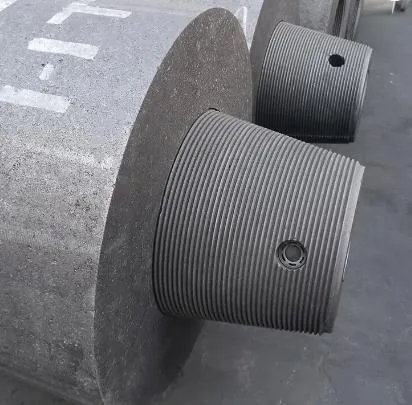
After more than a decade of working closely with industrial equipment—from kilns to battery components—I’ve come to appreciate the nuances behind something as seemingly simple as graphite plates. This isn’t just about a carbon sheet slapped onto a frame; it’s about how those plates handle heat, conductivity, and wear in some pretty tough environments.
When I first started, admittedly, graphite plates suppliers all seemed to offer basically the same stuff. But it quickly became clear that the devil’s in the details. Thickness tolerances, purity of the graphite material, and even the specific method of pressing or extruding—these all impact performance. Honestly, it feels like a bit of an art form when you’re looking for the perfect plate.
One trend I noticed over the years is the increasing demand for customization. Industries don’t always want a one-size-fits-all solution. For instance, chemical processing plants require plates with exceptional chemical resistance, while electronic manufacturers prioritize ultra-high purity for minimal contamination. And then you have the mechanical side—some clients need plates that can withstand repeated thermal cycling without cracking. Not all suppliers can deliver on that.
Here’s how some typical product specs stack up from a reliable supplier I’ve collaborated with:
| Specification | Typical Value | Notes |
|---|---|---|
| Bulk Density | 1.6 - 1.8 g/cm³ | Indicative of porosity & strength |
| Electrical Conductivity | ≥ 1500 S/cm | Critical for electrodes |
| Thermal Conductivity | 100-120 W/m·K | Ensures uniform heat distribution |
| Flexural Strength | ≥ 25 MPa | Resistance to mechanical stress |
| Purity | ≥ 99.9% C | Affects chemical stability |
Now, not every supplier approaches these specs—or supplies—in quite the same way. From personal experience and conversations with industry peers, here’s a quick vendor comparison I often refer to. It's fascinating how the smallest differences in material sourcing or manufacturing translate into tangible outcomes on the plant floor.
| Supplier | Customization Options | Lead Time | Typical Application | Price Tier |
|---|---|---|---|---|
| NL Graphite | High (custom shapes/thickness) | 2-3 weeks | Electrodes, Heating Elements | Mid |
| GraphEx Solutions | Moderate | 4-6 weeks | General Industrial | Low |
| CarbonWorks Inc. | Limited | 1-2 weeks | High-temp Applications | High |
One memory stands out. A local factory I visited was having issues with frequent graphite plate failures in their electrolysis cells. After switching to a supplier offering higher flexural strength plates with precise thickness tolerances, their downtime dropped noticeably. It’s one of those “small change, big impact” scenarios, really driving home how supplier choice matters.
In real terms, working with graphite plates requires balancing performance, cost, and supplier reliability. Oddly enough, the best suppliers often share a commitment to transparency and flexibility, letting you tailor products to your needs rather than forcing you into stock specs.
Whether you need plates for heat exchangers, electrodes, or just something that can take a beating under chemical attack, make sure your supplier has a solid track record and verifiable specs. It sounds obvious, but you'd be surprised how often that gets overlooked when people just aim for the lowest cost.
So next time you’re in the market for graphite plates suppliers, I’d recommend digging beyond the brochure. Ask for samples, check their QA processes, and—if you can—talk to other customers. It’s not the flashiest product out there, but it’s backbone stuff for a lot of industries. Treat it that way.
References:
- Industrial Graphite Handbook, 2022 Edition
- Interview with NL Graphite Technical Team, March 2024
- Field notes from electrolysis cell maintenance – 2021
 Pervious
 Next
Next