

- Englist



Bulk Graphite Powder: Applications, Benefits & Industry Insights

Understanding Graphite Powder Bulk: Why It Matters Today
If you’ve ever held a pencil, chances are you’ve briefly touched graphite without even realizing it. But when we talk about graphite powder bulk in modern industry, we’re stepping into a world where this humble material becomes a powerhouse of innovation. Graphite powder — especially when bought or produced in bulk — is crucial for everything from battery technology to lubricants, refractory products, and even advanced composites. Globally, the demand is surging thanks to green energy pushes and the digital boom. Why does this matter on a bigger scale? For one, graphite’s unique properties — exceptional conductivity, thermal resistance, and chemical stability — make it indispensable for emerging industries, including electric vehicles (EVs) and renewable energy storage. Understanding how graphite powder bulk operates and integrates into supply chains helps businesses, engineers, and innovators stay ahead of the curve. Mini takeaway: Graphite powder bulk isn’t just about raw materials; it’s the cornerstone of tech and sustainability revolutions unfolding worldwide.Graphite Powder Bulk in the Global Landscape
On the global stage, graphite is a strategic mineral. According to data from the US Geological Survey and the International Energy Agency, the graphite market is projected to grow at around 6% annually through 2030, primarily fueled by the EV battery sector. China, Brazil, and Canada remain top producers, while emerging markets are racing to secure supply. The World Bank has flagged graphite as a “critical mineral,” essential for energy transition but with supply risks that challenge international manufacturers. Bulk graphite powder streamlines sourcing for industries beset by volatility — think disruptions in raw material availability or shipping delays. Yet, graphite powder also tackles specifics beyond energy. In industrial manufacturing and even humanitarian tech (yes, sometimes in shelters or medical equipment!), its thermal properties enhance durability and safety. The problem? Balancing quantity with consistent quality, plus adapting materials for diverse applications. Mini takeaway: Graphite powder bulk is a globally vital commodity with a complex role—from powering economies to empowering underserved areas.What Exactly Is Graphite Powder Bulk?
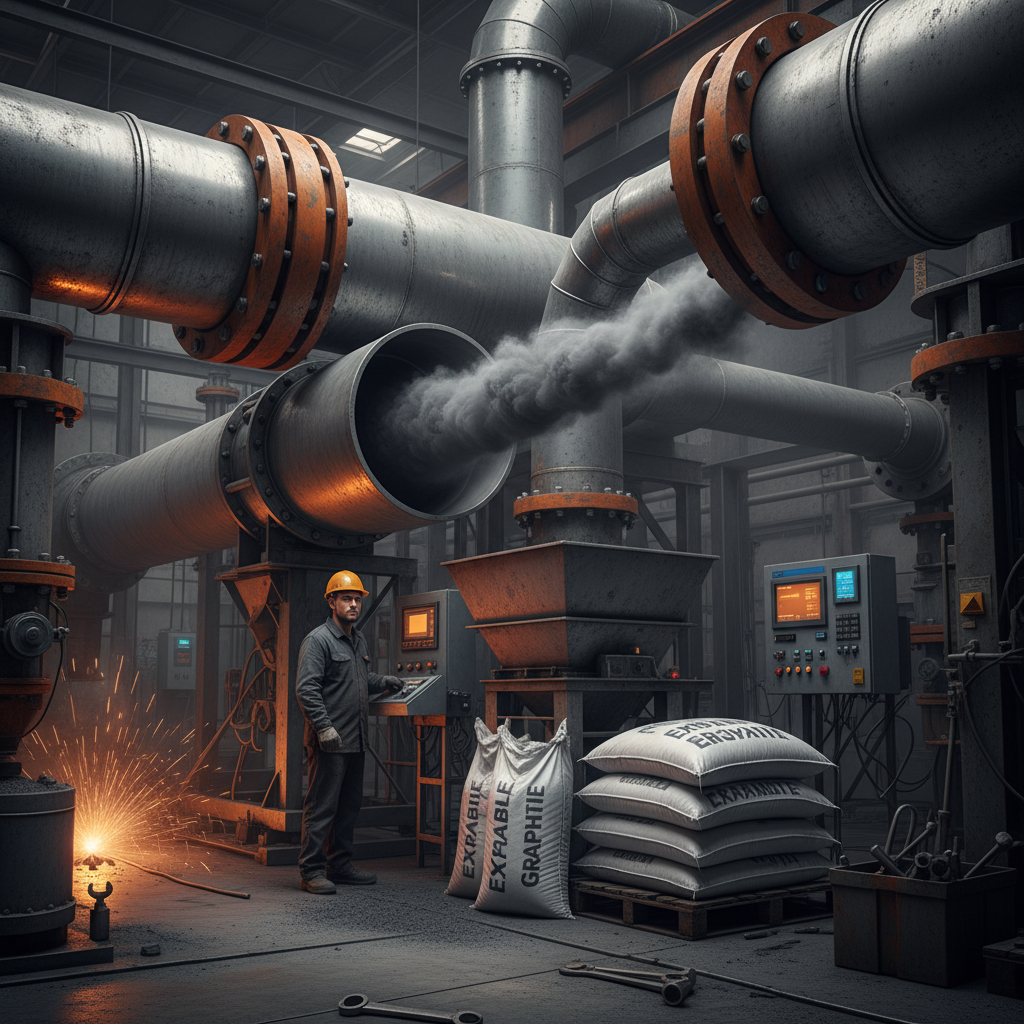
Simply put, graphite powder bulk refers to finely ground graphite particles purchased or stored in large quantities — typically tons or hundreds of kilograms. This powder form is favored because it’s versatile and easily integrated into manufacturing processes compared to solid graphite blocks or flakes. Industrially, powdered graphite feeds into lubricants (improving machinery lifespan), refractory bricks (for intense heat resistance), and battery electrodes (the backbone of lithium-ion tech). It’s also relevant for 3D printing, coatings, and thermal interface materials. Because graphite is carbon-based with a layered planar structure, the powder’s physical characteristics—like particle size and purity—directly affect its functional performance. Mini takeaway: Bulk graphite powder is simply ground graphite in volume, but it’s a keystone material connecting many critical sectors today.Key Factors Influencing Graphite Powder Bulk Use
Purity and Particle Size
Purity matters because impurities can degrade conductivity or interfere in chemical reactions. Most graphite powders range from 90% to 99+% pure, depending on source and refinement. Particle size affects how the powder mixes and bonds in applications; smaller particles usually mean better surface interaction but may complicate handling.Thermal and Electrical Conductivity
Graphite’s ability to conduct both heat and electricity makes it invaluable. Bulk powder must maintain these traits when processed — in batteries or heat sinks, for instance. Engineers often test conductivity to ensure consistency.Cost Efficiency and Scalability
Bulk buying cuts cost per unit but demands storage and handling care. Industries weigh economies of scale against logistics complexity. Luckily, suppliers increasingly offer streamlined bulk packaging and shipping models.Environmental Impact
Sourcing sustainably is becoming non-negotiable. Mining graphite may carry ecological risks, so responsible procurement and recycling initiatives are emerging. Some companies focus on synthetic graphite powder to reduce footprint, but natural sources still dominate.Customization and Quality Control
Many users need customized blends or specific particle sizes. Vendors offering flexible production and rigorous testing build trust. Quality consistency ensures reliable downstream manufacture. Mini takeaway: Purity, conductivity, cost, and sustainability intertwine to define the graphite powder bulk experience for industries at scale.Global Applications & Real-World Use Cases
From Asia’s EV battery plants to Europe’s steel furnaces, bulk graphite powder finds a diverse set of homes. In China, it’s pivotal to battery anode production, supporting their massive EV push. North America leverages graphite powder in aerospace manufacturing and industrial lubricants. Oddly enough, some NGOs working in remote disaster zones repurpose graphite powder in water filtration and heat-resistant construction materials. While less glamorous than high-tech batteries, this underpins safety and dignity for affected populations—a touch I find genuinely meaningful. An example I like is a manufacturing plant in Germany that adopted customized bulk graphite powder blends to enhance their mold-release agents, boosting efficiency by 15%. Meanwhile, electric vehicle battery makers in South Korea rely on tight specs to ensure energy density and lifespan. graphite powder bulk also fuels innovations in 3D printers fabricating graphene and other carbon composites, hinting at a future where design flexibility meets high performance. Mini takeaway: The applications are truly global and varied, from large-scale energy solutions to life-saving innovations in unexpected places.Advantages & Long-Term Value of Bulk Graphite Powder
- Cost Savings: Buying graphite powder in bulk slashes pricing considerably—critical for budget-sensitive projects and large manufacturers. - Sustainability Gains: When sourced responsibly, bulk graphite supports circular economies and reduces waste from smaller-pack disposables. - Reliability: Having a steady supply reduces production downtimes, leading to trust and better forecasts. - Innovation Driver: Provides material consistency necessary for advancing new battery chemistries, lubricants, and composites. - Social Impact: Enhances quality of life where it contributes to durable, affordable tech solutions. Emotionally, businesses know graphite powder bulk means stability in a volatile market. Logically, it offers measurable efficiency and performance gains—both matter a lot.Future Trends & Innovations in Graphite Powder Bulk
Graphite powder’s future looks tightly linked to green energy and digital tech. Innovations focus on: - Synthetic Graphite Production: Using cleaner processes to reduce environmental footprints. - Nano-scale Graphite Powders: For enhanced battery capacity and faster charge rates. - Automated Quality Control: AI-driven sorting to ensure precision. - Recycling & Reuse: Upcycling spent batteries back into powder, closing supply loops. - Policy Pushes: Governments worldwide are incentivizing responsible sourcing and development. Frankly, the race to improve graphite powder quality, scalability, and sustainability feels like a behind-the-scenes hero story of the energy transition.Challenges & Solutions for Bulk Graphite Powder Procurement
Challenges remain: - Supply Chain Disruptions: Political tensions and mining restrictions affect availability. - Quality Variability: Not all bulk supplies are equal—contamination risks persist. - Environmental Concerns: Mining impacts can spark backlash and regulations. Solutions trending now include diversified sourcing, vendor audits, and investments in synthetic alternatives. Plus, advanced characterization tech helps users pick powdered graphite that matches exact needs.Product Specification Table
| Specification | Typical Range | Notes |
|---|---|---|
| Purity | 95% - 99.5% | Higher purity for battery grade |
| Particle Size | 5 - 50 microns | Depends on application |
| Bulk Density | 0.4 - 0.8 g/cm³ | Affects handling and packing |
| Conductivity (Electrical) | ~10,000 S/m | Critical for electrode use |
| Moisture Content | Low moisture prevents clumping |
Vendor Comparison Table: Popular Bulk Graphite Powder Suppliers
| Supplier | Minimum Order (tons) | Typical Purity | Sustainability Certifications | Global Shipping |
|---|---|---|---|---|
| GraphCo Ltd. | 5 tons | 98% | ISO 14001 | Yes |
| NanoCarbon Corp. | 1 ton | 99.5% | EcoVadis Gold | Limited |
| PureGraphite Inc. | 10 tons | 97% | None | Yes |
Frequently Asked Questions About Graphite Powder Bulk
Q1: What factors should I consider when buying graphite powder in bulk?
Key considerations include purity levels, particle size distribution, supplier reliability, and sustainability certifications. You also want to confirm shipping terms and storage conditions to maintain powder integrity.
Q2: How is graphite powder bulk used in battery manufacturing?
Graphite powder serves as the anode material in lithium-ion batteries due to its excellent electrical conductivity and stability. Bulk supply ensures manufacturers can meet large-scale production needs while maintaining consistent quality.
Q3: Can I get customized graphite powder blends for specific industrial needs?
Many suppliers offer customization options, such as tailored particle sizes or impurity levels, to fit applications ranging from lubricants to refractory products. Always discuss your requirements early with vendors.
Q4: How should I store bulk graphite powder to prevent degradation?
Store it in dry, cool environments in sealed containers to prevent moisture ingress and clumping. Avoid exposure to contaminants or extreme temperatures to maintain product quality.
Q5: Is synthetic graphite powder a better alternative to natural graphite powder bulk?
Synthetic graphite offers higher purity and greater uniformity but often at a higher cost. It’s ideal for specialty applications, while natural graphite powder provides a cost-effective option for large-volume, standard uses.
Wrapping Up: Why Bulk Graphite Powder Deserves Your Attention
After exploring the nuances, it’s clear that graphite powder bulk is more than just a raw material. It’s a vital enabler for modern industries striving for sustainability, efficiency, and innovation. Whether you’re evolving battery tech or refining industrial processes, sourcing quality bulk graphite powder can make a tangible difference. So next time you hear about the “green energy transition” or “industrial recyclability,” remember the tiny graphite particles fueling the change. If you’re considering your graphite powder needs, a good starting point is right here: graphite powder bulk - reliable, scalable, and future-ready. Thanks for reading—and here’s to powering the future with the right materials.References
 Pervious
 Next
Next