

- Englist



Synthetic Graphite Powder: Global Applications, Benefits & Future Insights

What Is Synthetic Graphite Powder and Why Does It Matter?
If you’ve ever wondered what powers modern batteries, improves lubricants, or even helps aerospace craft stay lighter and stronger, synthetic graphite powder is hiding in plain sight. It’s not just “carbon dust”—it’s a sophisticated material that’s making huge waves in numerous industries globally. Understanding synthetic graphite powder unlocks insights into sustainability efforts, energy storage advances, and more.
Given the world’s push towards cleaner energy and innovative manufacturing, synthetic graphite powder is increasingly crucial. It enhances lithium-ion batteries in electric vehicles, improves thermal management in electronics, and supports high-tech industrial processes. But beyond the tech gloss, the real story is about how one material can help address global challenges like climate change and resource scarcity.
The Global Push for Synthetic Graphite Powder: A Contextual Look
According to ISO standards, graphite is a remarkable carbon allotrope with exceptional properties. However, natural graphite deposits are geographically concentrated—primarily in China, Brazil, and Canada—which means many countries depend on imports, creating vulnerabilities in their supply chains.
That’s where synthetic graphite powder sweeps in. Synthesized under controlled industrial conditions from carbon-rich materials like petroleum coke, it offers consistency and purity that natural graphite can’t always guarantee. Frankly, global electric vehicle production couldn’t scale fast enough without it. The United Nations statistics estimate the battery market for electric vehicles to grow nearly 300% by 2030, and synthetic graphite quality directly impacts battery life and safety.
Despite this immense demand, challenges in cost, production scalability, and environmental impact remain. Addressing these is a priority for manufacturers and policymakers alike.
Clarifying What Synthetic Graphite Powder Actually Is
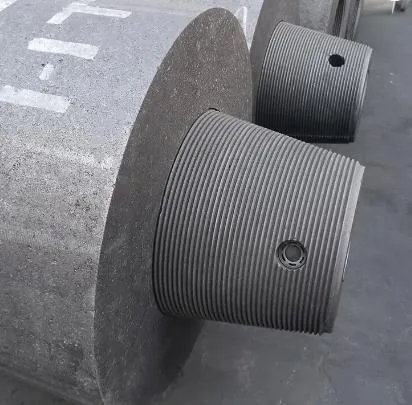
Simply put, synthetic graphite powder is a fine particulate form of man-made graphite, created by heating carbon-based materials at ultra-high temperatures—over 2500°C in an inert atmosphere—to transform amorphous carbon into crystalline graphite.
Its highly ordered structure gives this powder remarkable electrical conductivity, chemical stability, and thermal resistance. Those properties make synthetic graphite powder indispensable in modern industries, from aerospace to electronics. For humanitarian technology, such as energy storage solutions in remote areas or disaster relief, it supports innovations that bridge critical gaps in infrastructure.
Key Characteristics
- Purity: Generally exceeding 99% carbon content.
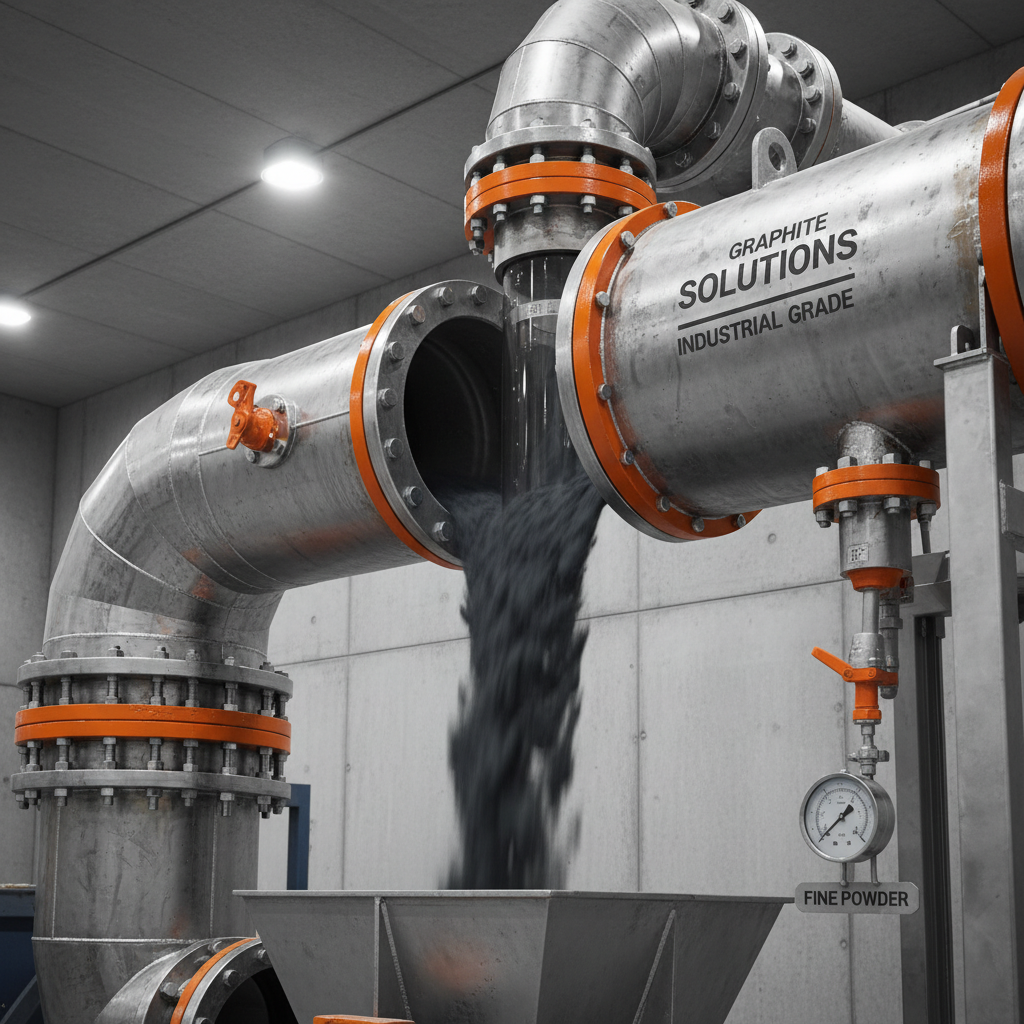
- Particle Size: Typically between 5–50 microns, customizable via milling processes.
- Crystallinity: Highly ordered layers enhance conductivity.
- Density: Around 1.8–2.2 g/cm³, varying by manufacturing method.
In real terms, these qualities mean better performance and longer-lasting products made from synthetic graphite powder.
Core Properties That Make Synthetic Graphite Powder Indispensable
1. Electrical and Thermal Conductivity
This stuff is almost a magical conductor — many engineers note that synthetic graphite powder improves battery electrodes, reducing internal resistance and heat build-up. Thermal management in high-power electronics benefits too, as it efficiently dissipates heat.
2. Durability and Chemical Stability
Synthetic graphite offers corrosion resistance in harsh environments, making it suitable for chemical reactors and lubricants lasting longer than oils or greases alone.
3. Scalability and Customization
To meet demand from diversified sectors, manufacturers tailor powder particle sizes, purity, and surface treatments. That means from microelectronics to bulk composite materials, synthetic graphite can be matched to the job.
4. Cost Efficiency Over Time
Though initial costs are higher than many alternatives, the longevity and reliability of synthetic graphite-powered devices—especially batteries—translate to savings in life cycle costs.
5. Environmental Impact
Compared with natural graphite mining, controlled synthesis reduces ecological damage and supply vulnerabilities. New breakthrough production methods aim to recycle or produce synthetic graphite with lower carbon footprints.
Practical Applications Around the World
The influence of synthetic graphite powder extends across multiple sectors:
- Battery Industry: Dominates lithium-ion battery anode material, especially in China, Japan, and the USA.
- Aerospace & Automotive: Used in composite materials for lightweight components.
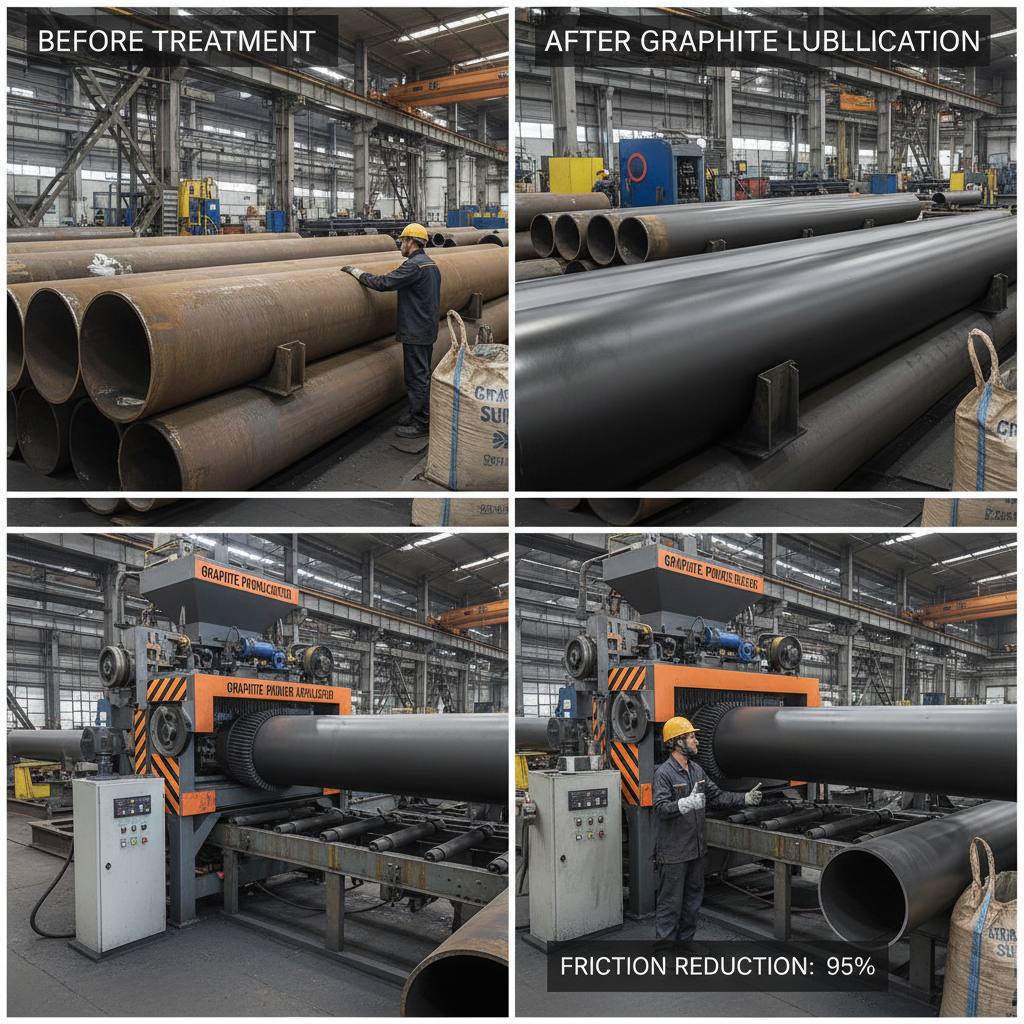
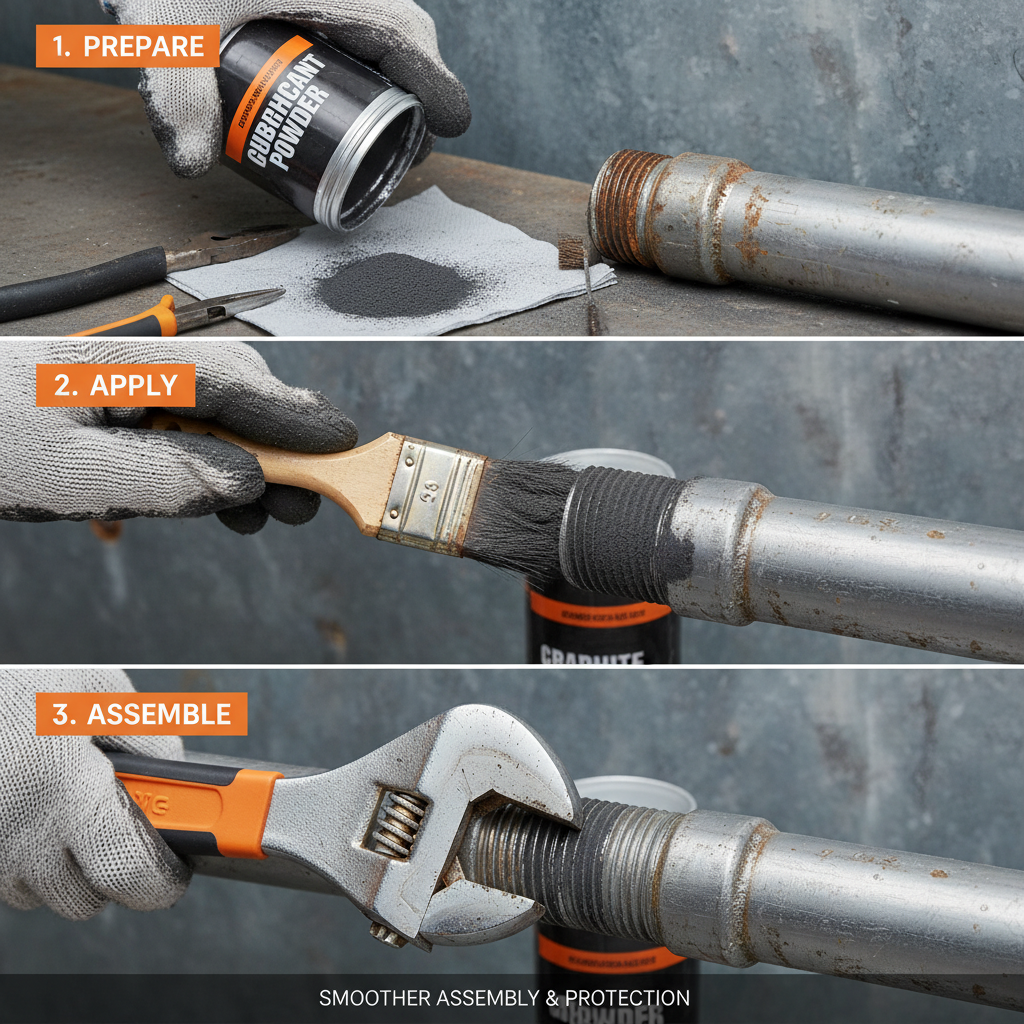
- Lubricants & Refractories: Provides high-temperature resistant coatings and dry lubricants, vital in heavy industry zones across Europe and India.
- Energy Storage in Remote Areas: Helps NGOs and governments deploy portable solar kits with improved battery life in Africa and Southeast Asia.
For instance, in post-disaster relief operations where power grids are down, synthetic graphite-enhanced batteries can provide reliable, clean energy faster than traditional diesel generators. This not only improves safety but restores dignity to affected communities.
Why Choose Synthetic Graphite Powder? Key Benefits
- Reliability: Products perform consistently under extreme conditions, building consumer and industrial trust.
- Sustainability: Reduced mining impact and longer-lasting devices support green initiatives.
- Economic Sense: Cost savings across product life cycles make it a smart investment, even if upfront prices seem steep.
- Innovative Edge: Opens doors to next-gen technologies, including battery recycling and smart electronics.
- Human Impact: Enables energy access in hard-to-reach communities, boosting social equity.
So, it’s not just a technical upgrade—it’s a step toward more resilient, sustainable, and equitable systems.
Product Specifications of Popular Synthetic Graphite Powders
| Specification | Grade A | Grade B | Grade C |
|---|---|---|---|
| Carbon Content (%) | 99.8 | 99.5 | 99.0 |
| Particle Size (µm) | 7-12 | 10-20 | 15-30 |
| Specific Surface Area (m²/g) | 6-8 | 4-6 | 3-5 |
| Apparent Density (g/cm³) | 1.9 | 1.85 | 1.8 |
Comparing Leading Synthetic Graphite Powder Vendors
| Vendor | Product Range | Global Reach | Sustainability Commitment | Price Range (USD/kg) |
|---|---|---|---|---|
| GraphiCo | Broad: battery, lubricant, high purity | North America, Europe, Asia | ISO 14001 certified, recycling initiatives | 15 - 30 |
| CarbonFab | Specializes in high-temp refractory powders | Asia, Middle East, Africa | Supports green energy projects | 12 - 25 |
| NeoGraph | Custom powders for electronics & aerospace | Europe, USA | Carbon neutral production goals | 20 - 35 |
Emerging Trends and Future Directions
Oddly enough, we’re seeing synthetic graphite powder moving beyond traditional industrial uses. Innovations are focusing heavily on eco-friendliness—expect more recycled graphite powders and alternative feedstocks in the next decade. Automation in production will cut costs while improving quality further.
And as International Energy Agency data shows, the electrification of transport and grid storage demand smarter batteries. Synthetic graphite powders could become bioengineered someday or layered with novel nanomaterials to push conductivity higher than ever.
The Challenges Ahead—and How Experts Are Tackling Them
The key hurdles are cost pressures, environmental impact, and limited raw material sources. Some manufacturers experiment with alternative binders or waste-derived precursors. Industry collaboration is helping standardize quality and invest in renewable energy for the manufacturing lines.
Experts also highlight quality control: small variations in powder properties can cascade into major performance issues downstream. That’s why testing standards and traceability are evolving rapidly, ensuring end-users get products they can trust consistently.
FAQ: Your Questions About Synthetic Graphite Powder Answered
- What are the main differences between synthetic and natural graphite powders?
- Synthetic graphite powder is man-made through high-temperature processing, offering higher purity, uniform particle size, and consistent properties. Natural graphite, mined from Earth, varies more in quality and may contain impurities.
- How does particle size affect the performance of synthetic graphite powder?
- Smaller particles increase surface area, improving conductivity and reaction rates in batteries, but too fine powders may cause handling or safety issues. Manufacturers customize size based on end-use.
- Is synthetic graphite powder environmentally friendly?
- Compared to mining natural graphite, synthetic production generates less land disruption. However, it requires substantial energy input, so green manufacturing methods and recycling initiatives are important.
- Can synthetic graphite powder be used in medical or humanitarian technologies?
- Yes, its role in energy storage, heat management, and durable coatings supports medical devices and off-grid power systems, critical in humanitarian aid operations.
- Where can I buy reliable synthetic graphite powder?
- Several global vendors specialize in tailored grades. It’s best to choose suppliers with transparent quality certifications and sustainability commitments, like those listed above.
Wrapping It Up: The Long-Term Value of Synthetic Graphite Powder
In a nutshell, synthetic graphite powder isn’t just a niche industrial raw material—it’s quietly reshaping how we power electric vehicles, manage heat in cutting-edge electronics, and develop sustainable industrial processes. The benefits stretch from economic efficiency to social impact, powering innovations across continents.
For anyone involved in manufacturing, energy storage, or sustainable tech, getting familiar with synthetic graphite powder’s capabilities is a must. Curious to learn more or ready to source high-quality synthetic graphite powder? Visit our website at synthetic graphite powder and see what’s possible.
Mini Takeaway
Synthetic graphite powder blends advanced chemistry with industrial pragmatism—helping industries go greener, safer, and smarter. It’s one of those materials quietly underpinning tomorrow’s technologies today.
References
 Pervious
 Next
Next