

- Englist



The Ultimate Guide to Microfine Graphite Powder: Uses, Advantages & Future Trends

Understanding Microfine Graphite Powder: Why It Matters Today
If you’ve ever wondered what makes lithium-ion batteries last longer or why certain brake pads perform better, microfine graphite powder is often the unsung hero behind the scenes. This remarkably tiny form of graphite, with particle sizes measured in microns, packs a punch across numerous industries — from energy storage to lubricants and even advanced electronics. Globally, its demand is soaring, not just because it’s a neat piece of nanotechnology but because it helps us make cleaner energy devices, more durable machinery, and sustainable products.
For businesses and researchers alike, understanding microfine graphite powder opens doors to innovation and efficiency. The subtle shift toward micro and nano-sized powders reflects a broader industry trend toward precision and performance, which, frankly, aligns with many global sustainability goals.
Introduction: The Global Drive Behind Microfine Graphite Powder
Let’s set the scene: according to the United Nations Industrial Development Organization (UNIDO), the global graphite market is expected to grow by at least 5.5% annually over the next decade, largely pushed by green technology markets such as electric vehicles (EVs) and renewable energy storage systems. Microfine graphite powder is a key ingredient here — it’s used to enhance conductive properties and improve performance in batteries and fuel cells.
Yet, despite the growth, challenges lurk. Finding consistently pure, ultra-fine graphite powders that meet industrial standards is tricky. Impurities, particle size distribution, and processing costs put pressure on manufacturers and end-users alike.
So why care about these tiny particles? Well, in a nutshell, microfine graphite powder helps solve the classic challenge of balancing conductivity, durability, and cost-efficiency in modern materials.
What Exactly Is Microfine Graphite Powder?
Microfine graphite powder, simply put, is graphite ground down to very small particles — typically less than 20 microns in size. Unlike regular graphite powder, which might be coarser, this finer form allows better dispersion and interaction with other materials.
Its unique layered crystalline structure, with strong carbon-carbon bonds, offers excellent lubrication, thermal conductor properties, and electrical conductivity. Industries increasingly rely on these features to develop smarter products that perform better and last longer.
In humanitarian and industrial contexts, this might translate into batteries that can store energy more reliably for off-grid communities or lightweight lubricants that reduce maintenance in remote machinery.
Core Characteristics That Define Microfine Graphite Powder
1. Particle Size and Uniformity
Smaller and more uniform particles ensure better material integration, especially in composites and lubricants. Irregularities cause hotspots or weak spots — so quality control here is everything.
2. Purity Levels
Microfine graphite powder’s effectiveness hinges on low impurity content, often exceeding 99.9% carbon purity in premium batches, ensuring no detrimental elements degrade performance.
3. Thermal and Electrical Conductivity
Arguably its best-known feature, microfine graphite powder improves heat dissipation and electrical pathways in batteries and electronic devices.
4. Mechanical Strength and Lubrication
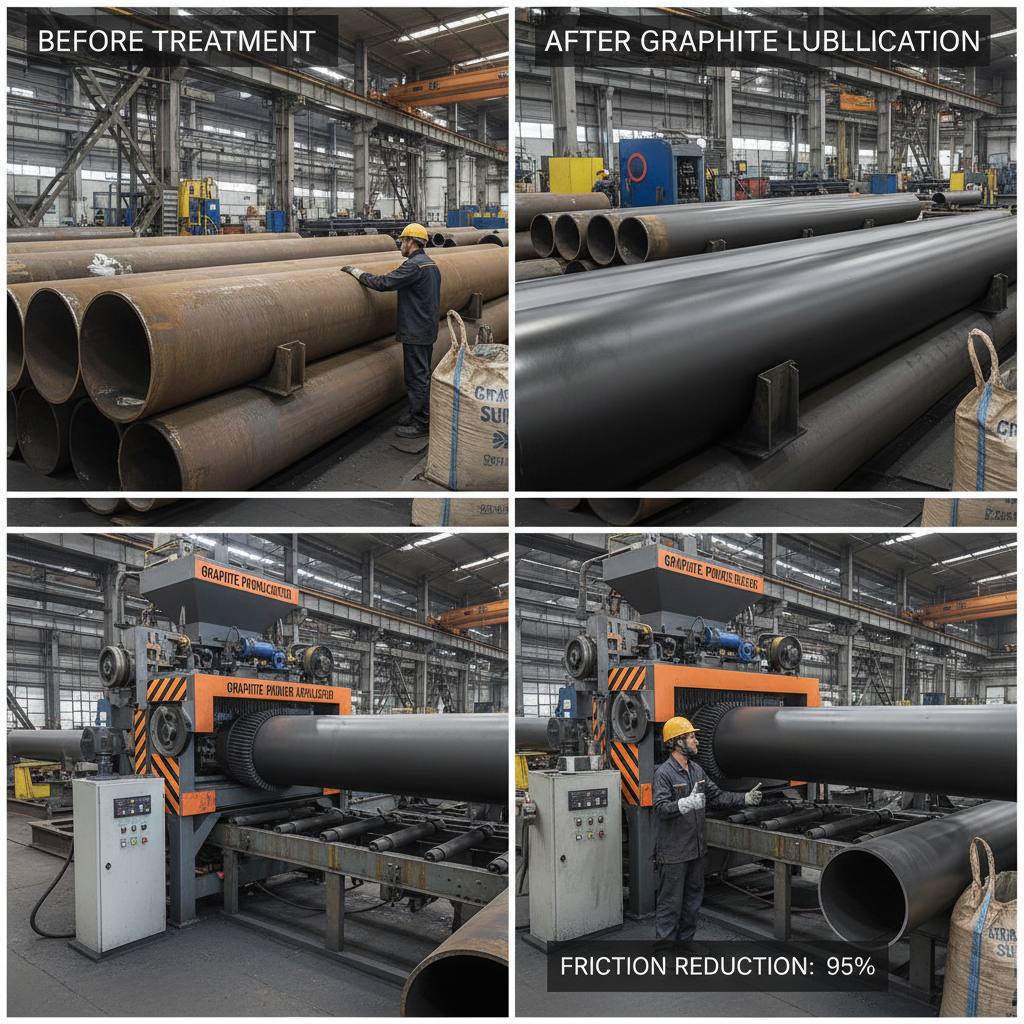
It can reduce friction in mechanical systems and add toughness to composite materials, which is vital for automotive and aerospace applications.
5. Scalability of Production
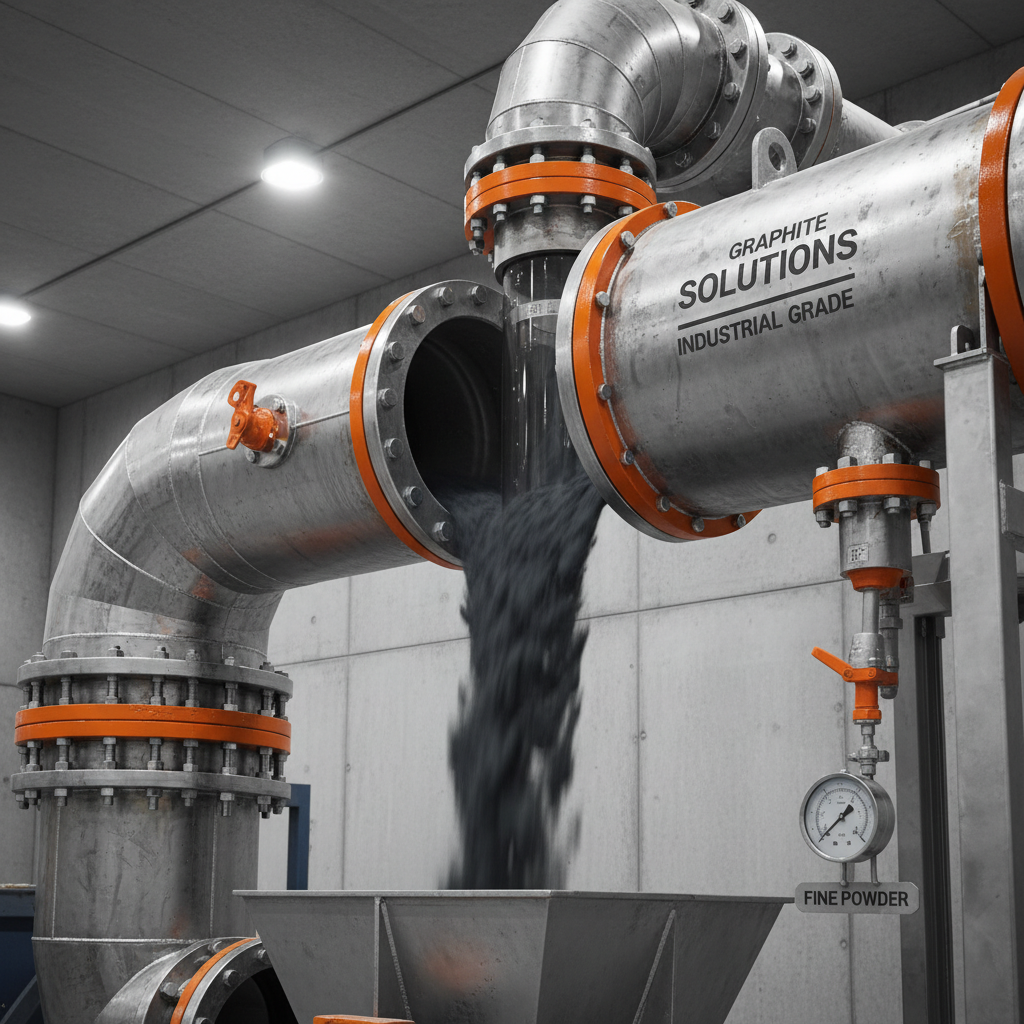
Efficient production methods, like jet milling or chemical exfoliation, allow for batch-after-batch consistency needed for high-demand industries.
Global Applications and Industry Use Cases
Industrially speaking, microfine graphite powder is everywhere but often out of sight. Here are a few key spots where it’s making a real difference:
- Battery Technology: Particularly in lithium-ion and emerging sodium-ion batteries to boost conductivity and cycle life.
- Brake Pads and Clutches: Enhances friction properties while preventing overheating.
- Lubricants: Solid lubricants in extreme environments like space or deep-sea exploration.
- Fuel Cells: Improves electrode reaction rates.
- Graphene Precursors: Starting material for producing graphene sheets used in flexible electronics.
Regions in East Asia and North America currently dominate production and research, with new players emerging in Europe and South America to leverage local graphite resources.
Mini Takeaway
Microfine graphite powder is that crucial material bridging traditional graphite with cutting-edge tech, making established industries smarter and cleaner.
Advantages and Long-Term Value of Microfine Graphite Powder
Looking beyond immediate performance, microfine graphite powder offers advantages that resonate deeply with manufacturers and end-users:
- Cost Efficiency: Because of better integration, smaller amounts achieve desired effects, reducing overall material costs.
- Sustainability: It enables longer-lasting batteries and devices, reducing waste and carbon footprints.
- Reliability and Safety: Improved thermal management means less risk of overheating or failure.
- Innovation Enabler: It unlocks new designs in materials science — imagine flexible displays or ultra-light composites.
On a social level, these improvements trickle down to safer transportation, more reliable energy access, and stronger industrial infrastructures — which is quite the ripple effect.
The Future of Microfine Graphite Powder: Trends and Innovations
The future looks quite electric — literally. With growing EV markets and green energy policies, demand for high-purity microfine graphite powder will only skyrocket. Innovations include:
- Green Production Methods: Reducing chemical waste and energy consumption during processing.
- Hybrid Materials: Combining microfine graphite with other nanomaterials like silicon or graphene to boost battery capacities.
- Digital Quality Control: AI and machine learning to precisely manage particle size and purity in production lines.
- Recycling and Circular Economy: Reusing graphite from spent batteries to reduce dependency on mining.
Challenges in Current Practices & Novel Solutions
Despite its promise, challenges persist:
- Maintaining consistent particle size at scale without driving costs through the roof.
- Controlling impurities that sneak in from raw ore or processing steps.
- Balancing environmental impact with production demands.
Innovators are tackling this with advanced milling tech, cleaner chemical processes, and increasingly, closed-loop recycling systems that feel like a smart way forward.
Frequently Asked Questions About Microfine Graphite Powder
- What distinguishes microfine graphite powder from regular graphite?
- Microfine graphite powder is characterized primarily by its particle size, typically less than 20 microns, which results in better dispersion and higher purity. This leads to improved thermal, electrical, and mechanical properties compared to coarser graphite powders.
- How does microfine graphite powder improve battery performance?
- Its small particle size increases the surface area and conductivity within battery electrodes, which improves charge rates and overall battery lifespan, vital for applications like electric vehicles or renewable energy storage.
- Is microfine graphite powder environmentally sustainable?
- While graphite mining has environmental concerns, many suppliers now focus on green processing methods and recycling spent materials to produce microfine graphite powder more sustainably.
- Can microfine graphite powder be used in 3D printing?
- Yes, it’s gaining traction in conductive inks and composite filaments for 3D printing, enabling the creation of electrically conductive or thermally resilient printed parts.
- Are there any health risks associated with handling microfine graphite powder?
- As with any fine powder, inhalation of graphite dust should be avoided. Proper protective equipment and ventilation are recommended to minimize exposure.
Product Specification Table
| Specification | Typical Value | Units |
|---|---|---|
| Particle Size (D50) | 5 | microns |
| Carbon Purity | 99.95 | % |
| Bulk Density | 0.45 | g/cm³ |
| Electrical Conductivity | 1,600 | S/cm |
| Moisture Content | 0.2 | % |
Vendor Comparison Table
| Feature | Vendor A | Vendor B | Vendor C |
|---|---|---|---|
| Particle Size Range (μm) | 3 - 7 | 5 - 10 | 1 - 6 |
| Carbon Purity (%) | 99.9 | 99.85 | 99.95 |
| Production Capacity (tons/yr) | 1,200 | 950 | 1,500 |
| Eco-Friendly Processes | Yes | No | Yes |
| Average Price ($/kg) | 45 | 40 | 50 |
Final Thoughts: Why Microfine Graphite Powder Will Keep Shaping Our Future
So, after it all, microfine graphite powder isn’t just dust to brush away. It sits at a crossroads where science, industry, and sustainability meet. Its ability to propel innovations in batteries, lubricants, and composites will only become more essential as the world races toward cleaner technologies and smarter devices.
If you’re curious to dive deeper into microfine graphite powder's potential or source the highest quality material, why not visit our website for more insights, detailed product specs, and expert consultation?
References
 Pervious
 Next
Next