

- Englist



Understanding Carburizing Meaning and Its Impact on Steel Hardness

Carburizing Meaning: A Deep Dive into Surface Hardening
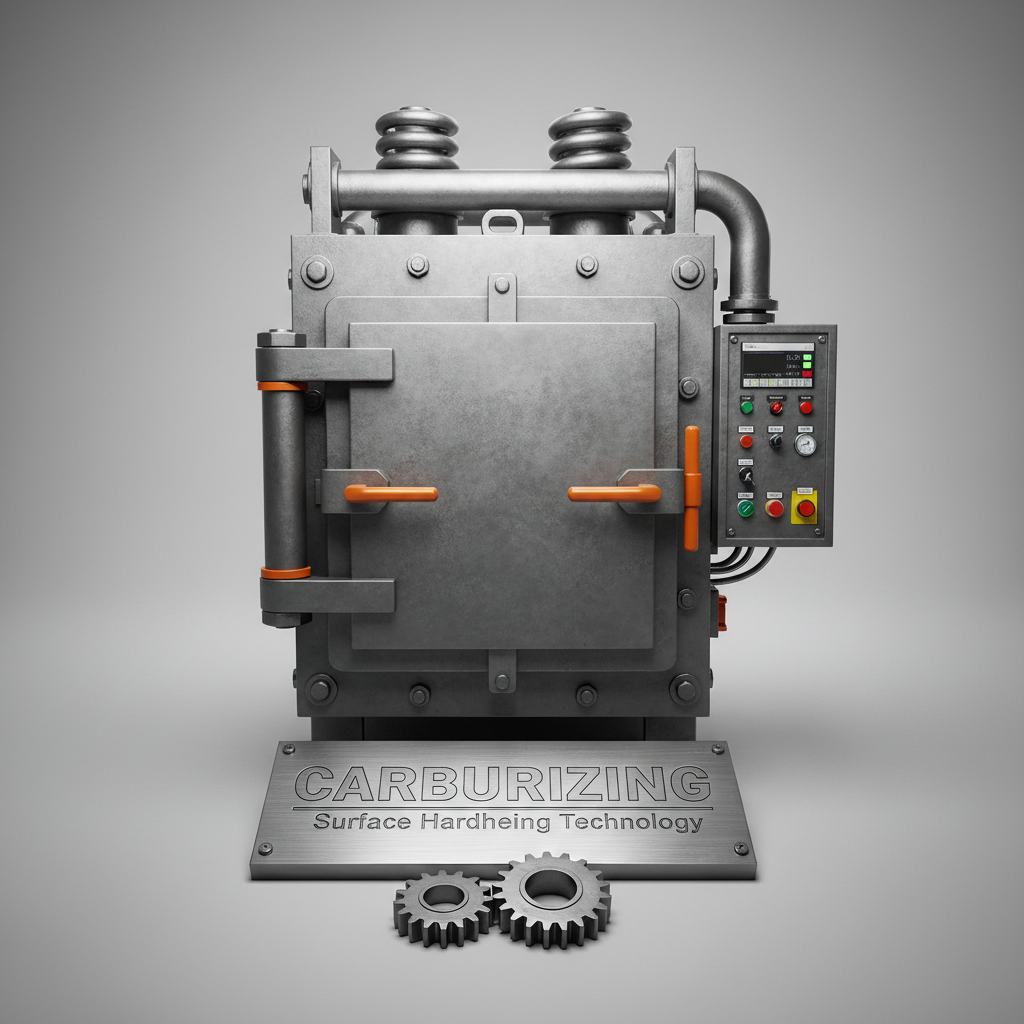
Carburizing is a vital heat treatment process used to enhance the surface hardness and wear resistance of low-carbon steels. It involves diffusing carbon into the steel's surface, creating a hard, wear-resistant case while maintaining a tough, ductile core. This process is widely employed across numerous industries, from automotive to aerospace, to improve component performance and lifespan. Understanding the carburizing meaning and its nuances is crucial for materials engineers and manufacturers aiming to optimize their products. It’s a foundational technique for producing durable and reliable parts.
Understanding the Carburizing Process
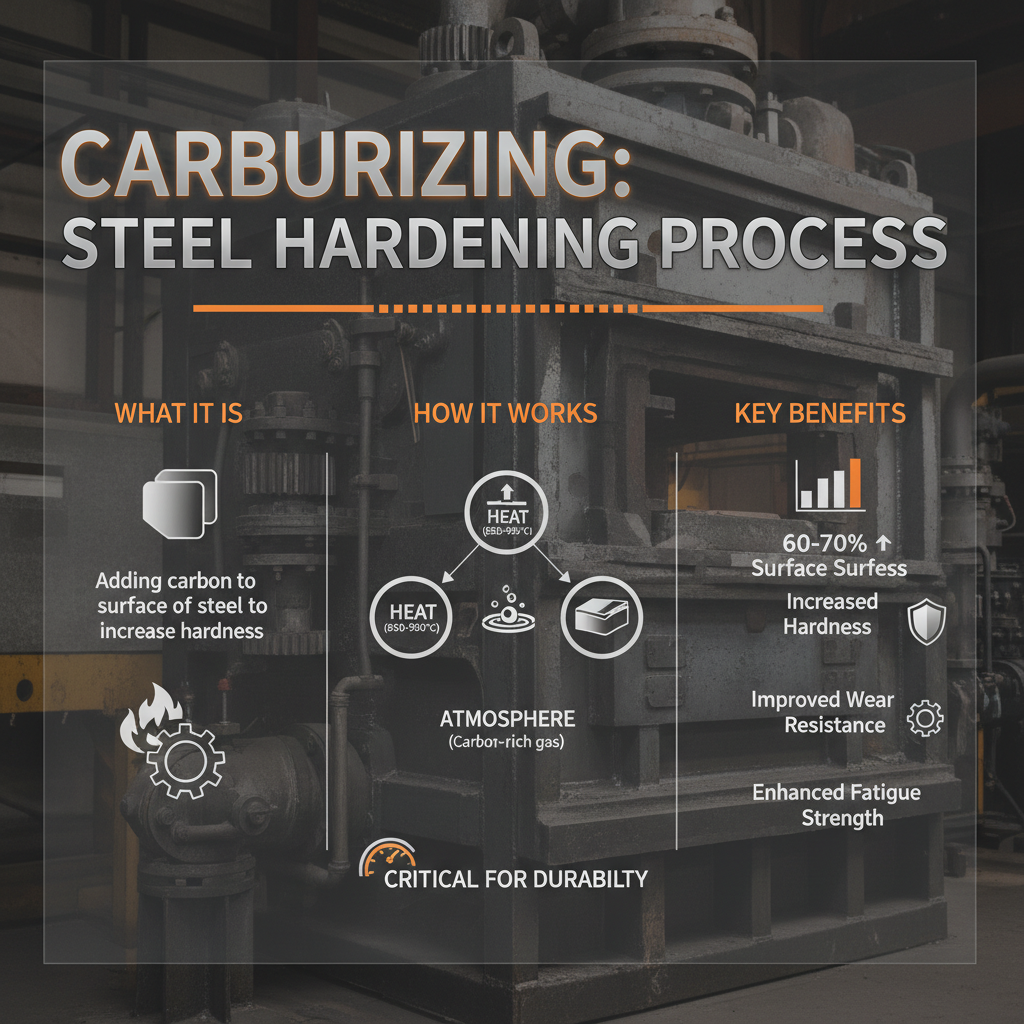
The carburizing process relies on heating low-carbon steel in a carbon-rich environment. This environment can be a solid, liquid, or gaseous carbon source. Common carburizing agents include charcoal, coke, carbon monoxide, methane, and propane. At elevated temperatures (typically 850-950°C or 1560-1740°F), the carbon atoms diffuse into the steel’s surface. The depth of the carburized layer, known as the case depth, is carefully controlled by factors such as temperature, time, and carbon potential. Following carburization, the steel undergoes quenching, which hardens the carbon-rich surface layer. This results in a component with a hard, wear-resistant exterior and a tough, impact-resistant interior.
Key Takeaway: Carburizing enhances surface hardness without compromising the core’s toughness, making it ideal for components needing wear resistance and impact strength.
Types of Carburizing Methods
Several distinct methods are used for carburizing, each offering unique advantages depending on the application. These include pack carburizing, gas carburizing, and liquid carburizing. Pack carburizing, one of the oldest methods, involves enclosing the steel parts in a sealed container with a carbon-rich solid compound, such as charcoal. Gas carburizing utilizes a carbon-rich gas atmosphere, providing better control over the carbon potential. Liquid carburizing, also known as salt bath carburizing, offers precise control and rapid carburization rates, making it suitable for high-volume production. The choice of method depends on factors such as part geometry, production volume, and desired case depth.
Carburizing Method Comparison:
• Pack Carburizing: Simple, cost-effective, suitable for small batches.
• Gas Carburizing: Precise control, suitable for complex geometries.
• Liquid Carburizing: Rapid carburization, ideal for high-volume production.
Carburizing vs. Other Surface Hardening Techniques
While carburizing is a powerful surface hardening method, it’s essential to understand how it compares to other techniques like nitriding and induction hardening. Nitriding, for instance, introduces nitrogen into the surface, resulting in a harder, more wear-resistant case, but typically with a shallower depth. Induction hardening utilizes electromagnetic induction to heat the surface rapidly, followed by quenching, creating a hardened layer. Carburizing generally achieves greater case depths than nitriding and is more versatile than induction hardening in terms of part geometry. The optimal choice depends on the specific application requirements.
Applications of Carburized Steel
Carburized steel finds applications in a vast range of industries. In the automotive sector, it's used for gears, shafts, and bearings, enhancing their durability and resistance to wear and tear. Aerospace components, such as landing gear parts, also benefit from the increased strength and toughness provided by carburizing. Manufacturing relies on carburized steel for tools, dies, and molds, extending their service life. Even in everyday products like bicycle components and power tool parts, carburizing plays a crucial role in ensuring performance and reliability.
Factors Affecting Carburizing Quality
Achieving optimal carburizing results requires careful control of several key parameters. The steel's chemical composition, particularly the carbon content, influences the rate of carbon diffusion. Temperature plays a critical role – higher temperatures accelerate diffusion but can also lead to grain growth. The carbon potential, the carbon activity in the carburizing environment, determines the carbon concentration in the steel's surface. Maintaining a consistent and controlled atmosphere is essential for uniform carburization. Finally, the quenching process significantly impacts the hardness and microstructure of the carburized layer.
Conclusion: Maximizing Performance Through Carburizing
Understanding the carburizing meaning and its associated processes is vital for engineers and manufacturers seeking to enhance the durability, wear resistance, and overall performance of steel components. By carefully selecting the appropriate carburizing method and controlling key parameters, you can achieve optimal results and produce high-quality, reliable products.
Frequently Asked Questions (FAQs)
What types of steel are best suited for carburizing?
Low-carbon steels, typically containing less than 0.3% carbon, are most commonly carburized. The low carbon content allows for effective diffusion of carbon into the steel, creating a hard surface layer. Alloy steels containing elements like manganese, chromium, and nickel are often used to enhance the hardenability and strength of the carburized case. Higher carbon content steels are generally not carburized as they already have sufficient carbon for hardening.
What is case depth and why is it important?
Case depth refers to the depth of the hardened layer created during carburizing. It's a crucial parameter as it dictates the wear resistance and fatigue strength of the component. A sufficient case depth is essential for parts subjected to high contact stresses and cyclic loading. The optimal case depth depends on the application – heavier loads and more severe conditions require deeper cases.
How does quenching affect the carburizing process?
Quenching is a critical step following carburizing. It involves rapidly cooling the steel, transforming the austenite formed during heating into martensite, a very hard and brittle microstructure. The quenching medium (oil, water, or air) and quenching rate influence the hardness, distortion, and cracking potential of the carburized case. Proper quenching is essential to achieve the desired hardness and microstructure without introducing excessive stresses.
Are there any drawbacks to carburizing?
While carburizing offers significant advantages, there are some potential drawbacks. The process can be time-consuming and energy-intensive. Distortion of the part is possible during heating and quenching. Careful process control is essential to minimize these issues. Additionally, carburizing may not be suitable for components with complex geometries or tight tolerances that are susceptible to distortion.
 Pervious
 Next
Next