

- Englist



Understanding EAF Electrode Price Trends and Optimization Strategies

EAF Electrode Price: A Comprehensive Guide
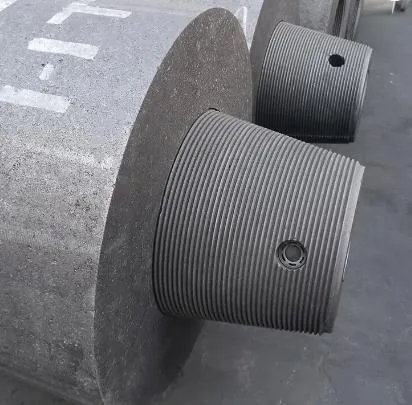
Understanding EAF electrode price fluctuations is crucial for steel manufacturers optimizing their production costs. This article will provide a detailed overview of the factors influencing EAF electrode prices, current market trends, and how to navigate procurement strategies effectively. We’ll explore the nuances of graphite electrode grades, sizes, and supplier options. Investing in the right electrodes, at the right price, is vital for maintaining efficient and profitable steel production.
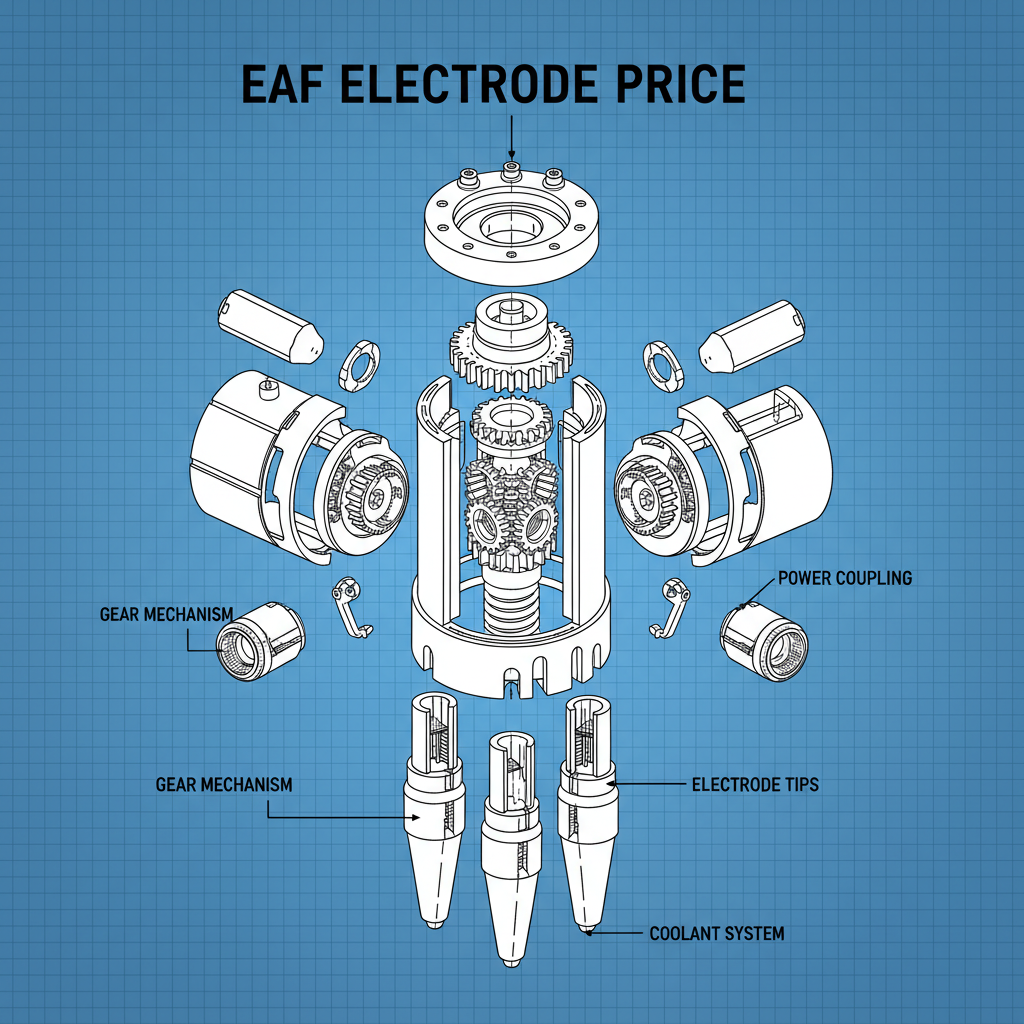
Factors Influencing EAF Electrode Price
Several key factors contribute to the price of EAF electrodes. Raw material costs, particularly high-quality graphite, are a significant driver. Fluctuations in the price of needle coke, a critical component in electrode production, directly impact overall electrode costs. Manufacturing processes, including energy consumption and labor costs, also play a role. Furthermore, supply and demand dynamics within the global steel industry exert considerable influence. Geopolitical events and trade policies can disrupt supply chains, leading to price volatility. Understanding these factors is crucial for effective cost management.
Key Influencers: Raw material costs (graphite, needle coke), manufacturing expenses, supply and demand, geopolitical factors, and trade policies.
EAF Electrode Grades and Their Price Variations
EAF electrodes are categorized into different grades based on their quality and performance characteristics. Common grades include Regular Strength (RS), High Strength (HS), and Ultra High Strength (UHS). Higher strength grades generally have a higher price point due to their superior performance and longer lifespan. The choice of grade depends on the specific requirements of the steelmaking process. Factors such as arc stability, electrode consumption rate, and electrical conductivity influence grade selection. NL Graphite offers a comprehensive range of electrode grades to meet diverse operational needs.
Electrode Grade Comparison:
• RS (Regular Strength): Cost-effective for general steelmaking.
• HS (High Strength): Improved performance and lifespan, moderately priced.
• UHS (Ultra High Strength): Highest performance, longest lifespan, premium price.
Current Market Trends in EAF Electrode Pricing
The EAF electrode market has experienced significant volatility in recent years. Prices have been affected by factors such as increased demand from emerging economies, supply chain disruptions due to the global pandemic, and fluctuations in raw material costs. Currently, the market is showing signs of stabilization, but continued monitoring is essential. Analysts predict continued price sensitivity to raw material availability, especially needle coke. Understanding regional price differences and supplier capabilities is critical for securing competitive pricing.
Procurement Strategies for Optimizing EAF Electrode Costs
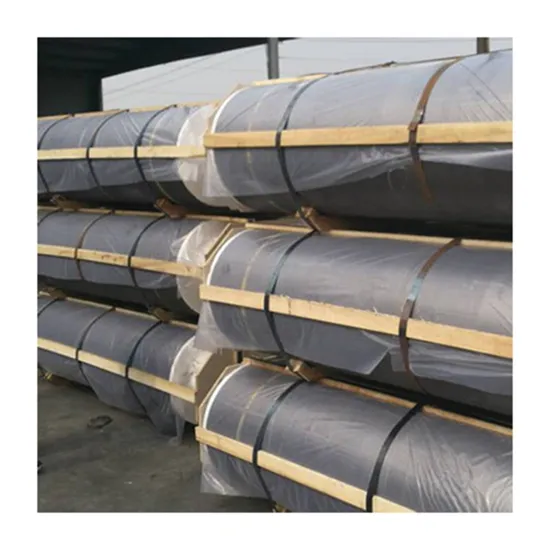
Effective procurement strategies can significantly impact EAF electrode costs. Long-term contracts with reliable suppliers can secure favorable pricing and ensure supply stability. Diversifying your supplier base reduces reliance on a single source and mitigates risk. Exploring alternative electrode grades and sizes based on your specific steelmaking requirements can lead to cost savings. Negotiating volume discounts and payment terms is also essential. Partnering with a reputable supplier like NL Graphite can provide valuable market insights and support.
Selecting the Right Supplier: Key Considerations
Choosing the right EAF electrode supplier is paramount. Evaluate potential suppliers based on their product quality, pricing competitiveness, supply chain reliability, and technical support capabilities. Look for suppliers with a proven track record of consistent quality and on-time delivery. Consider their ability to provide customized solutions and adapt to your evolving needs. NL Graphite excels in these areas, offering a comprehensive suite of services and a commitment to customer satisfaction.
Conclusion: Navigating the EAF Electrode Market
Understanding the drivers of EAF electrode price and implementing effective procurement strategies are essential for maintaining profitability in the steelmaking industry. By carefully considering factors such as electrode grade, supplier selection, and market trends, steel manufacturers can optimize their costs and ensure a stable supply of this critical component.
Frequently Asked Questions (FAQs)
What is the typical lifespan of an EAF electrode?
The lifespan of an EAF electrode varies significantly based on several factors, including electrode grade, steelmaking process, and operating conditions. Generally, electrodes can last anywhere from 40 to 80 hours of arc-on time. However, proper maintenance, precise process control, and careful handling can extend the lifespan. Monitoring electrode consumption rates and regularly inspecting for damage are essential for maximizing electrode utilization.
How does the quality of needle coke impact EAF electrode price?
Needle coke is a critical raw material in EAF electrode production, and its quality directly affects electrode performance and price. High-quality needle coke results in electrodes with superior electrical conductivity, lower consumption rates, and extended lifespan. Conversely, lower-quality needle coke leads to electrodes with reduced performance and shorter lifespans. As needle coke accounts for a significant portion of electrode production costs, fluctuations in its price significantly influence the overall EAF electrode price.
What are the advantages of long-term contracts with EAF electrode suppliers?
Long-term contracts with EAF electrode suppliers offer several advantages, including price stability, supply security, and potentially favorable pricing terms. These contracts can shield steel manufacturers from short-term market fluctuations and ensure a consistent supply of electrodes, minimizing disruptions to production. Furthermore, long-term relationships often foster closer collaboration and technical support from the supplier.
 Pervious
 Next
Next