

- Englist



Understanding Petroleum Coking Processes and Industrial Applications for Optimized Performance

Understanding Petroleum Coking and its Industrial Applications
Petroleum coking is a crucial process in the oil refining industry, converting heavy residual oil into valuable products like coke, gases, and naphtha. This process significantly impacts various sectors, from aluminum production to steel manufacturing. This article delves into the intricacies of petroleum coking, exploring its process, types, applications, and the role of graphite in delayed coking units. We’ll examine the importance of high-quality materials, like those offered by NL Graphite, in ensuring efficient and reliable coking operations.
The Petroleum Coking Process: A Detailed Overview
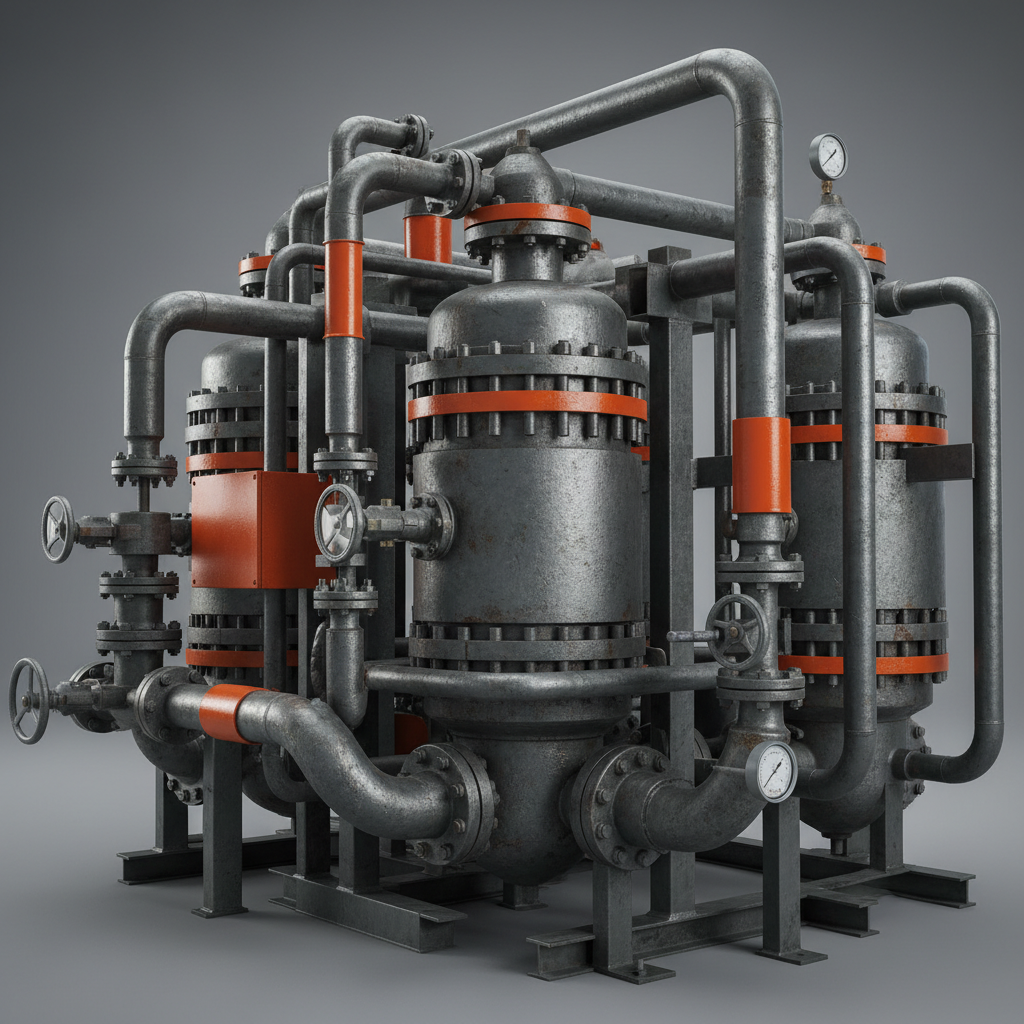
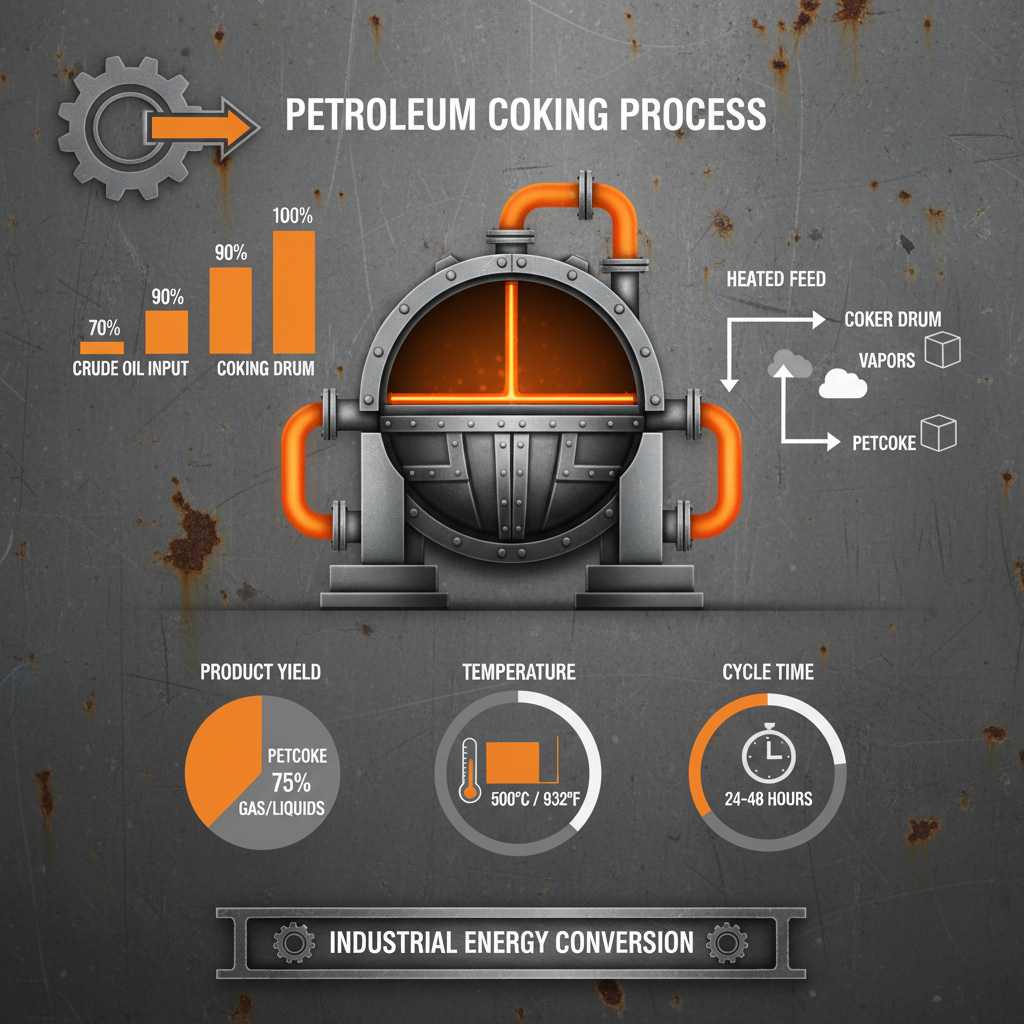
Petroleum coking is a thermal decomposition process where heavy oil residues are heated to high temperatures (typically 480-520°C or 900-970°F) in the absence of oxygen. This process cracks large hydrocarbon molecules into smaller, more valuable ones. The solid carbon residue that remains is known as coke. There are two main types of coking processes: Delayed Coking and Fluid Coking. Delayed coking is the most common method, using large drums where the cracking process takes place over a period of time. Fluid coking employs a fluidized bed reactor, allowing for continuous operation. Effective heat transfer and reliable equipment are paramount for optimal coking performance, necessitating the use of robust materials within the units.
Delayed Coking vs. Fluid Coking: A Comparative Analysis
While both processes aim to convert heavy oils into coke and lighter products, they differ significantly in their operation and characteristics. Delayed coking is a batch process, offering greater flexibility in feedstocks but requiring downtime for drum cutting and cleaning. Fluid coking, on the other hand, operates continuously, increasing throughput but potentially limiting feedstock options. The choice between the two depends on factors like plant capacity, feedstock availability, and desired product yields. Understanding these differences is crucial for optimizing refinery operations.
Key Differences: Delayed coking is a batch process while Fluid coking operates continuously. Delayed coking offers feedstock flexibility, while Fluid coking provides higher throughput.
Applications of Petroleum Coke and By-Products
Petroleum coke, the primary solid product of coking, finds extensive use in various industries. It is a vital ingredient in aluminum production, serving as the carbon source for the electrolytic smelting process. It's also used in steel manufacturing, acting as a reducing agent and source of carbon in blast furnaces. Other applications include the production of titanium dioxide, graphite electrodes, and as a fuel source in power plants. The gases and naphtha produced during coking are further processed into gasoline, diesel fuel, and petrochemical feedstocks, maximizing resource utilization.
Petroleum Coke Applications:
• Aluminum Production
• Steel Manufacturing
• Titanium Dioxide Production
• Fuel Source
The Role of Graphite in Delayed Coking Units
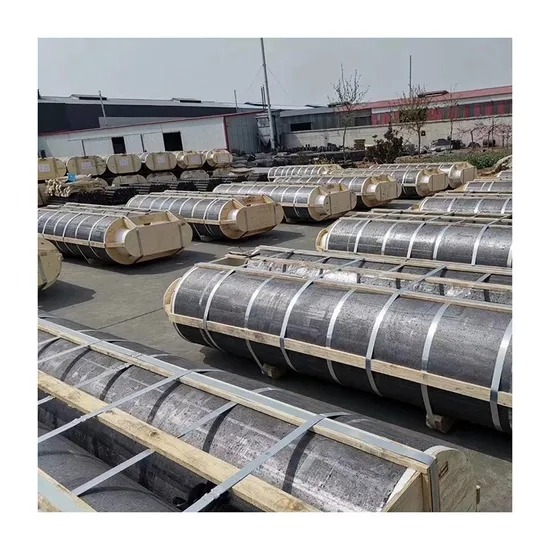
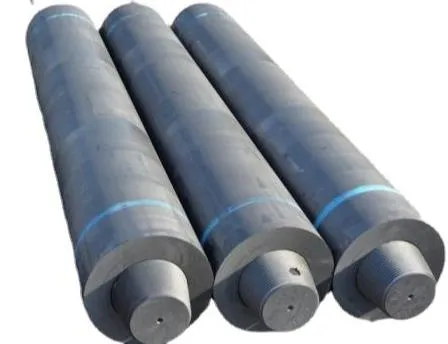
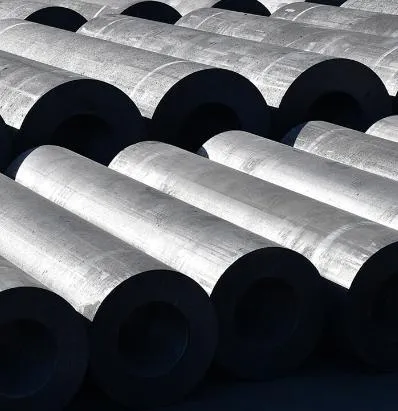
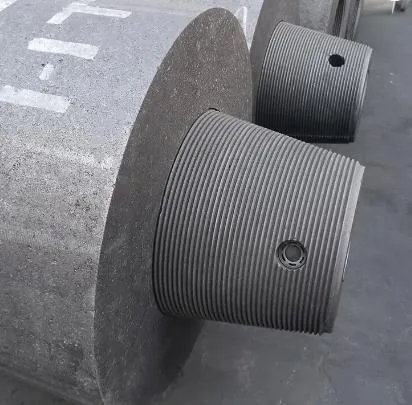
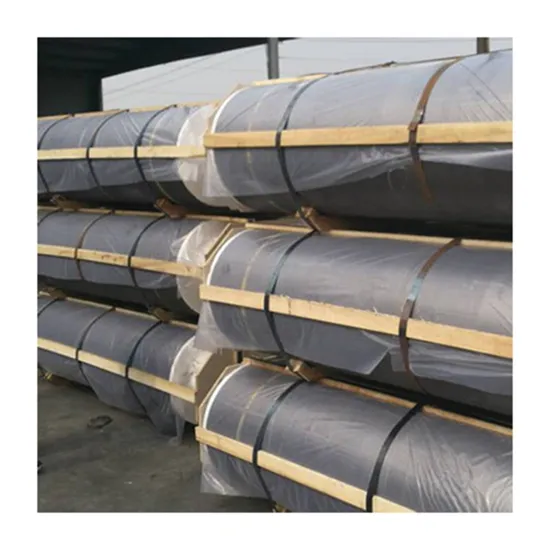
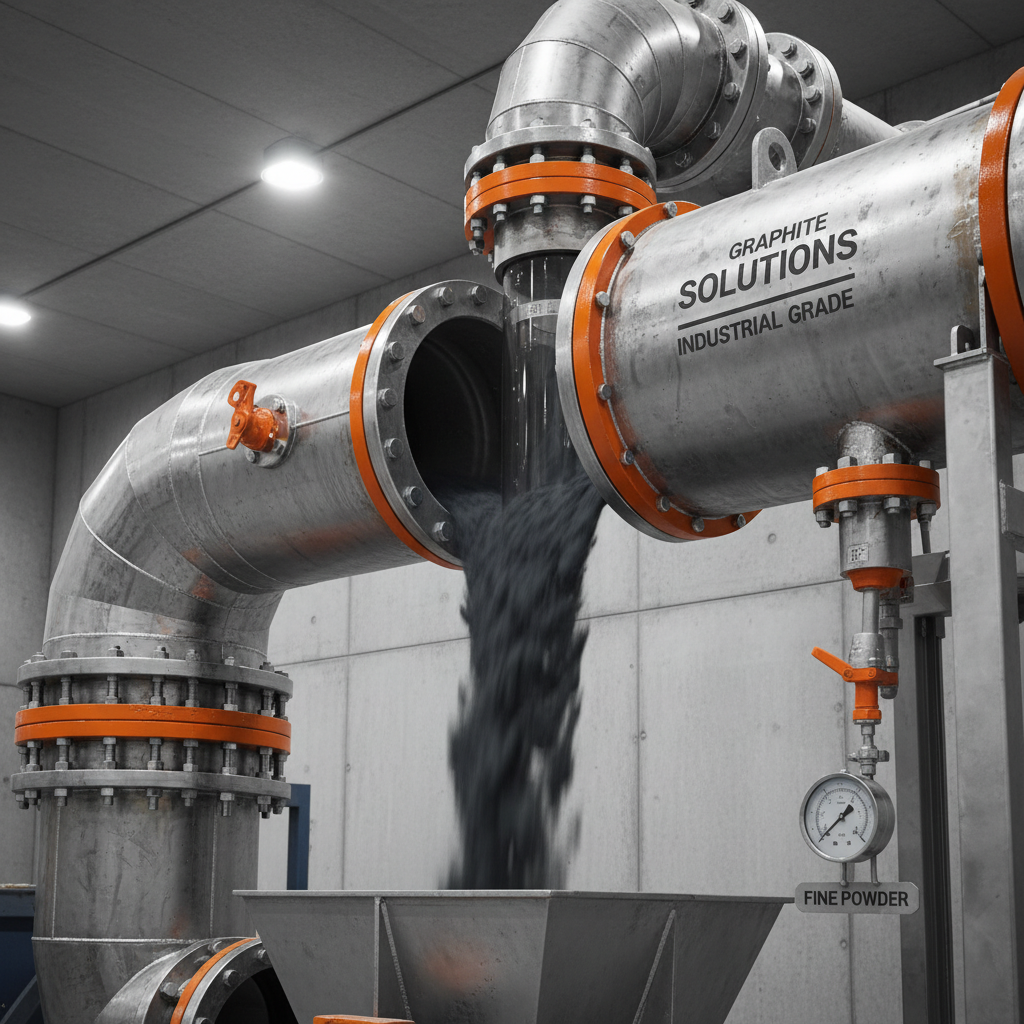
Graphite plays a critical role in the construction and operation of delayed coking units. Specifically, high-purity graphite is used to manufacture critical components like coke drum internals, including headers, nozzles, and quench piping. Graphite's exceptional thermal stability, corrosion resistance, and low thermal expansion make it ideally suited for withstanding the harsh conditions within the coking drums. The reliability of these components is directly linked to the quality of the graphite used. NL Graphite specializes in providing high-performance graphite solutions tailored for demanding coking applications.
Future Trends in Petroleum Coking Technology
The petroleum coking industry is continually evolving, with research focused on improving efficiency, reducing emissions, and maximizing product yields. Advancements in catalyst technology and process control are driving these improvements. Furthermore, there's a growing emphasis on utilizing coke as a feedstock for value-added carbon materials, such as carbon fibers and graphene. The demand for high-quality graphite components in these advanced coking units will continue to increase, emphasizing the importance of reliable suppliers like NL Graphite.
Conclusion: Optimizing Petroleum Coking Operations
Petroleum coking remains a vital process in the refining industry, contributing significantly to the production of essential fuels and materials. The efficient and reliable operation of coking units relies heavily on the use of high-quality materials, particularly graphite components. By partnering with trusted suppliers like NL Graphite, refineries can ensure optimal performance and minimize downtime.
Frequently Asked Questions (FAQs)
What are the primary challenges in delayed coking operations?
Delayed coking operations face several challenges, including coke drum fouling, erosion of internal components due to high-velocity quenching, and the management of off-gases. Fouling reduces drum capacity and increases cutting frequency, while erosion can lead to equipment failure. Effective mitigation strategies include optimizing quench cycles, using erosion-resistant materials like high-density graphite, and implementing robust off-gas handling systems. Maintaining optimal temperature control and feedstock quality are also crucial for minimizing these issues. Careful monitoring and preventative maintenance are essential for sustained operation.
Why is graphite preferred over other materials for coke drum internals?
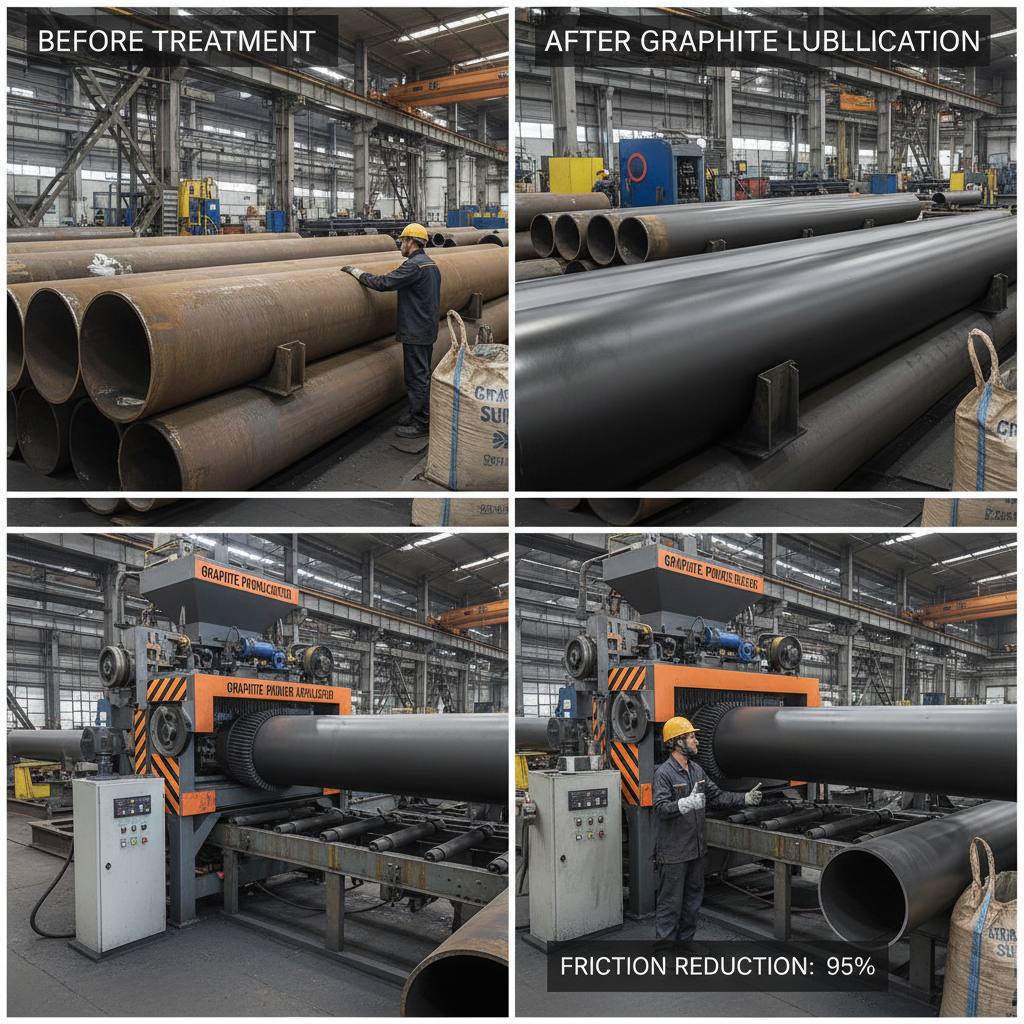
Graphite is the preferred material for coke drum internals due to its unique combination of properties. Its exceptional thermal stability allows it to withstand the extreme temperatures within the coking drums without significant deformation or degradation. Graphite's corrosion resistance protects it from attack by the harsh chemical environment. Its low thermal expansion minimizes stress on the components. Moreover, graphite’s self-lubricating properties reduce wear and tear. Compared to metals, graphite offers a superior lifespan and reduced maintenance requirements in this demanding application.
How does NL Graphite ensure the quality of its graphite components?
NL Graphite employs stringent quality control measures throughout its manufacturing process. This includes rigorous raw material inspection, precise machining and fabrication techniques, and comprehensive testing to ensure the graphite components meet or exceed industry standards. They utilize advanced analytical equipment to verify the material’s purity, density, and mechanical properties. Furthermore, NL Graphite provides full traceability of its products, ensuring consistent quality and reliability. Their team of experienced engineers collaborates with clients to provide customized solutions for specific coking applications.
What is the environmental impact of petroleum coking?
Petroleum coking can have several environmental impacts, including air emissions (such as sulfur oxides and particulate matter) and the generation of solid waste (petroleum coke). Modern refineries employ various technologies to mitigate these impacts, including flue gas desulfurization, particulate filters, and responsible coke handling practices. There's also increasing research into utilizing coke as a feedstock for valuable carbon materials, reducing waste and promoting circular economy principles. Optimizing coking processes to minimize emissions and waste is a key focus for the industry.
 Pervious
 Next
Next