

- Englist



Understanding Recarburizer Meaning and Its Role in Steel Production

Recarburizer Meaning: A Comprehensive Guide
In the world of metallurgy, understanding the composition of metals is crucial for achieving desired properties. A recarburizer plays a vital role in this process, particularly in steelmaking. This article will explore the recarburizer meaning, its function, types, applications, and importance in achieving optimal steel quality. We'll delve into how it helps adjust carbon content and improve the mechanical characteristics of steel. Understanding this process is key to producing high-quality steel products.
What is a Recarburizer? Defining the Term
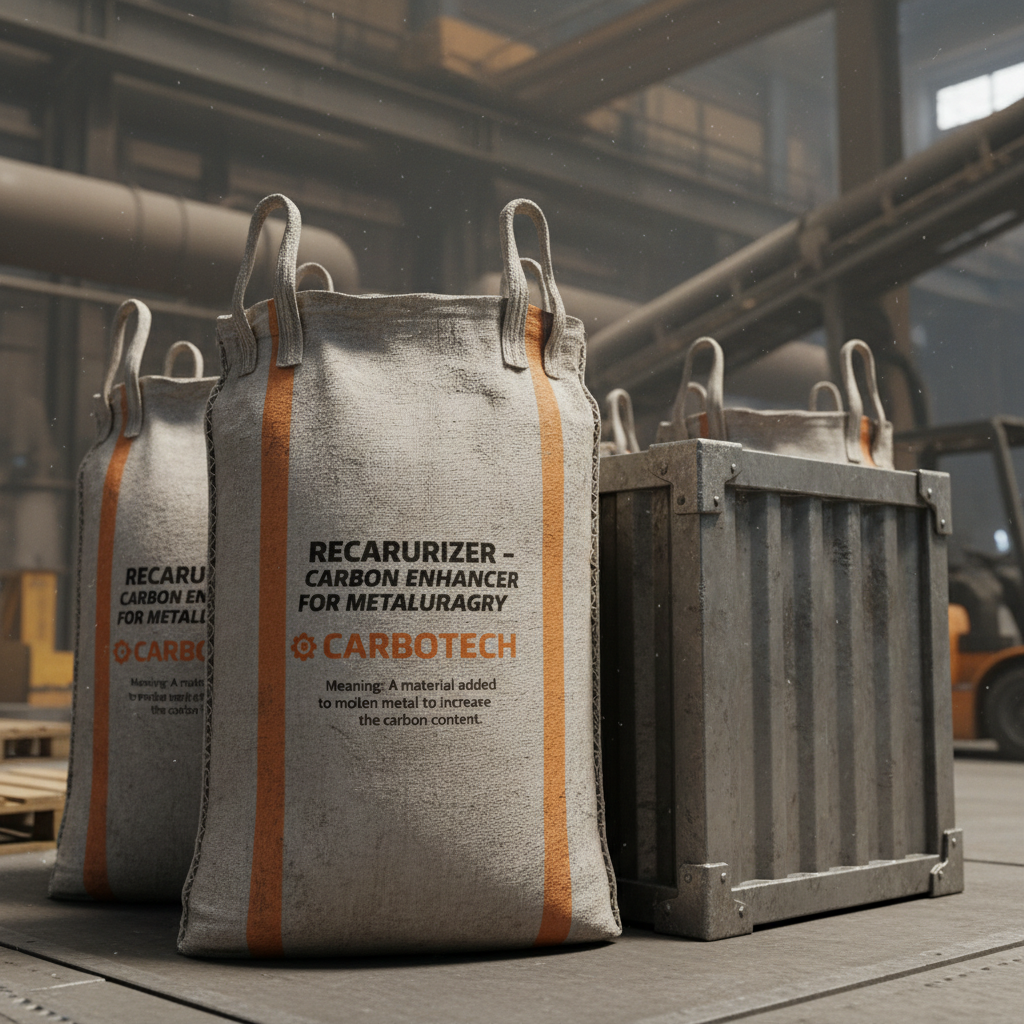
Simply put, a recarburizer is a material added to molten steel to increase its carbon content. During the steelmaking process, carbon is often lost due to oxidation. This loss can result in steel that doesn’t meet the required carbon specifications for its intended application. The primary recarburizer meaning is to restore the carbon levels, ensuring the steel possesses the desired hardness, strength, and ductility. It’s not simply about adding carbon; it’s about precisely controlling the carbon content to achieve specific metallurgical properties. NL Graphite specializes in providing high-quality recarburizers for diverse steelmaking needs.
Key Function: Restoring lost carbon during steelmaking to achieve desired mechanical properties like hardness and strength.
Types of Recarburizers: A Comparative Overview
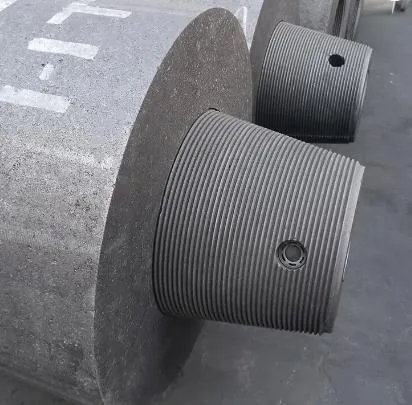
Several materials can serve as recarburizers, each with its own advantages and disadvantages. The most common types include graphite, coke, and calcium carbide. The choice of recarburizer depends on factors like cost, carbon content, purity, and the desired steel grade. Graphite is favored for its high carbon content and purity, while coke is often more economical. Calcium carbide introduces carbon along with calcium, which can influence steel microstructure.
Recarburizer Comparison:
• Graphite: High carbon content, high purity, low sulfur content.
• Coke: Economical, but lower carbon content and higher ash content.
• Calcium Carbide: Introduces calcium, impacting steel microstructure, higher cost.
The Importance of Carbon Content in Steel
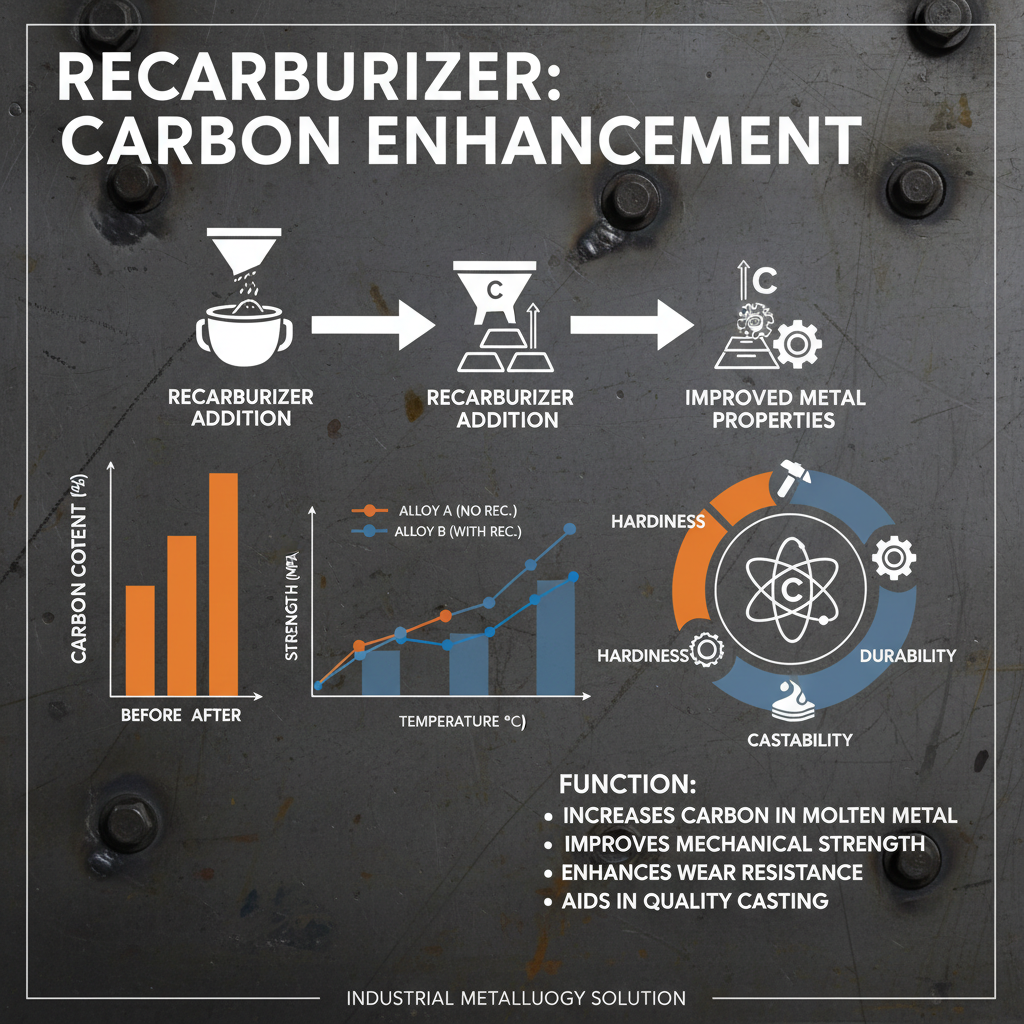
Carbon is the most crucial alloying element in steel. Its presence significantly influences the steel's hardness, strength, and weldability. Higher carbon content generally leads to increased hardness and strength but reduced ductility. Conversely, lower carbon content results in increased ductility and weldability but lower strength. The precise carbon content is tailored to the specific application of the steel. For example, high-carbon steel is used for tools and springs, while low-carbon steel is used for structural applications. Maintaining the correct carbon level is, therefore, paramount.
Recarburizer Applications Across Steelmaking Processes
Recarburizers are used in various steelmaking processes, including electric arc furnaces (EAF), basic oxygen furnaces (BOF), and ladle refining. In EAFs, recarburizers compensate for carbon losses during melting. In BOFs, they are added to adjust the carbon content during the refining stage. Ladle refining utilizes recarburizers for precise carbon adjustments before casting. The application method and amount of recarburizer added are carefully controlled to achieve the desired steel composition. NL Graphite’s products are designed to perform optimally in all these processes.
Choosing the Right Recarburizer: Factors to Consider
Selecting the appropriate recarburizer involves considering several factors. Carbon content, purity, sulfur content, ash content, and cost are all important considerations. High-purity recarburizers, like graphite, are preferred when minimizing impurities is crucial. Lower-cost options, like coke, may be suitable for less demanding applications. The desired steel grade and the specific steelmaking process also influence the choice. Careful evaluation of these factors ensures optimal steel quality and cost-effectiveness.
Conclusion: Mastering Carbon Control with Recarburizers
Understanding the recarburizer meaning and its application is paramount for producing high-quality steel. By carefully selecting and utilizing the appropriate recarburizer, steelmakers can precisely control carbon content, achieving the desired mechanical properties and ensuring the reliability of their products. Investing in quality recarburizers from reputable suppliers like NL Graphite is a crucial step towards optimizing steelmaking processes and meeting the demands of modern industries.
Frequently Asked Questions (FAQs)
What is the difference between graphite and coke as recarburizers?
Graphite generally offers a higher carbon content (typically 98-99%) and lower impurity levels, including sulfur and ash, compared to coke. This makes graphite preferable when minimizing impurities in the steel is critical. Coke is often more affordable, with a carbon content around 85-95%, but its higher impurity levels may require additional refining steps. The choice depends on the desired steel purity and budget constraints. Graphite's consistent quality makes it a reliable choice for demanding applications.
How is the recarburizer added to the molten steel?
Recarburizers are typically added to molten steel in several ways. In electric arc furnaces, they are often charged along with the scrap metal. In basic oxygen furnaces, they're injected into the molten steel during the refining process. Ladle refining involves adding the recarburizer directly to the ladle. The method and timing of addition are crucial for achieving proper carbon dissolution and distribution within the steel. Proper injection techniques and agitation are employed to maximize efficiency.
What impact does sulfur content in the recarburizer have on the steel?
Sulfur is an undesirable impurity in steel as it can lead to hot shortness (brittleness at high temperatures) and reduce weldability. Recarburizers with low sulfur content are therefore preferred, particularly for steels requiring high ductility and toughness. Graphite typically has lower sulfur content than coke. Steelmakers often employ desulfurization processes to remove sulfur if it’s present in excessive amounts.
Is it possible to over-recarburize steel? What are the consequences?
Yes, it is possible to over-recarburize steel, meaning adding too much carbon. This can result in increased hardness but significantly reduced ductility and weldability, making the steel brittle and prone to cracking. Over-recarburization can also lead to the formation of carbides, which can negatively impact steel's microstructure. Precise control of the recarburizer addition and careful monitoring of carbon levels are essential to avoid this issue.
 Pervious
 Next
Next