

- Englist



Understanding the Dynamics of the Price of Pet Coke and Market Trends

Understanding the Price of Pet Coke and Its Market Dynamics
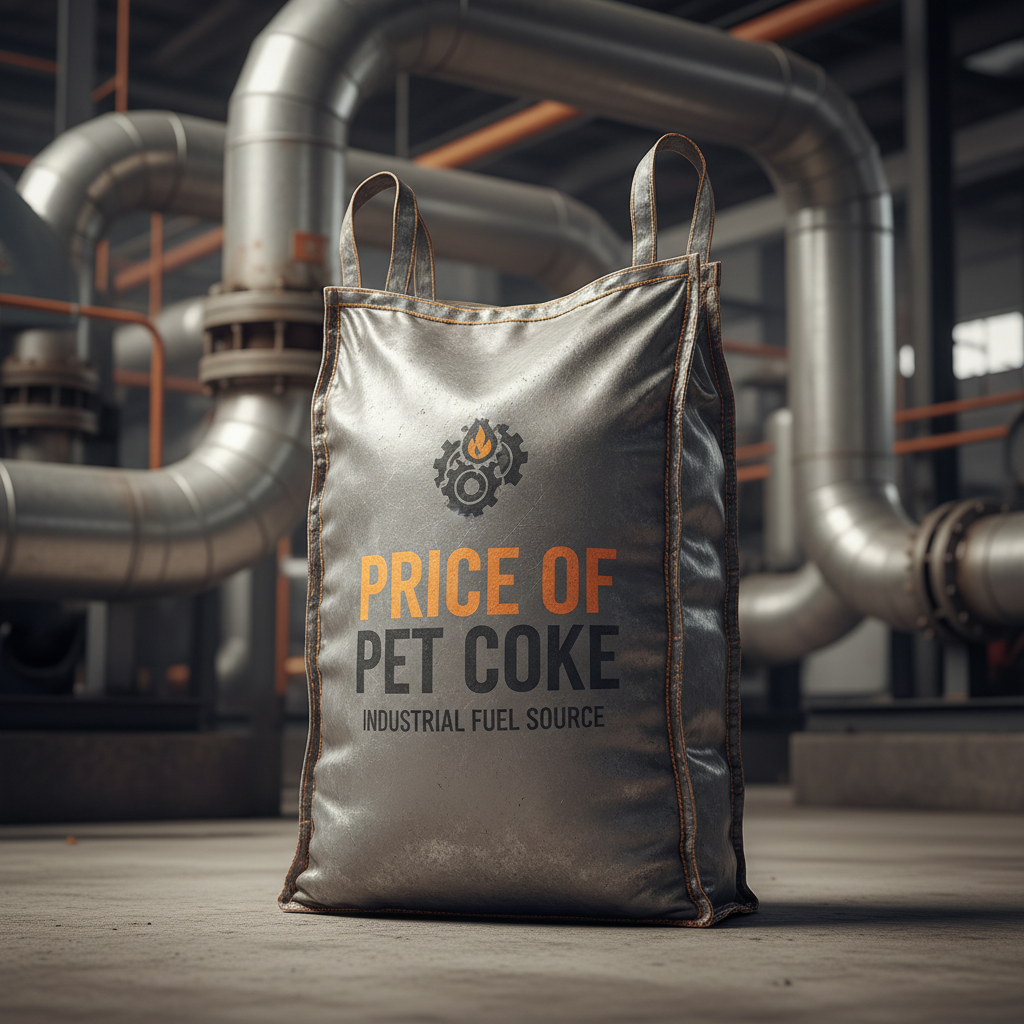
Petroleum coke (pet coke) is a carbon-rich solid derived from oil refining processes. It's a crucial fuel and raw material in various industries, including aluminum production, cement manufacturing, and power generation. However, its price can fluctuate significantly due to factors like oil prices, supply & demand, environmental regulations, and geopolitical events. This article delves into the complexities influencing the price of pet coke, providing insights for businesses reliant on this commodity. Understanding these dynamics is key to effective procurement and cost management.
Factors Influencing Pet Coke Pricing
Several key factors play a significant role in determining the price of pet coke. Firstly, the price of crude oil is a major driver, as pet coke is a byproduct of the refining process. When oil prices rise, the cost of production increases, leading to higher pet coke prices. Demand from the aluminum industry is also paramount; as aluminum production expands, so does the demand for pet coke, putting upward pressure on prices. Supply disruptions, whether due to refinery maintenance or geopolitical issues, can also cause prices to spike. Furthermore, stricter environmental regulations concerning sulfur content and handling of pet coke can affect production costs and availability.
Key Highlights: The price of pet coke is heavily influenced by crude oil prices, aluminum industry demand, supply disruptions, and environmental regulations.
Regional Price Variations in Pet Coke
The price of pet coke can vary substantially based on geographic location. Regions with significant aluminum smelting capacity, such as China and India, often experience higher demand and potentially higher prices. Transportation costs also play a critical role; shipping pet coke over long distances adds to the overall cost. Furthermore, local environmental regulations can impact prices. For example, regions with stricter regulations regarding sulfur content may see higher prices due to the need for specialized handling and processing. Differences in port infrastructure and logistical capabilities also contribute to regional price disparities.
Regional Price Influencers:
• Demand from aluminum smelting industries
• Transportation and shipping costs
• Local environmental regulations
• Port infrastructure and logistics
Historical Price Trends of Pet Coke
Over the past decade, the price of pet coke has exhibited considerable volatility. Prices generally followed the fluctuations in crude oil markets. In recent years, increased environmental scrutiny and a push for cleaner energy sources have added complexity. Periods of high demand from the aluminum industry, particularly in Asia, have driven prices upwards, while periods of economic slowdown have resulted in price declines. Understanding these historical trends is crucial for forecasting future price movements and making informed purchasing decisions. NL Graphite provides valuable market insights to assist clients in navigating these fluctuations.
The Impact of Environmental Regulations
Increasingly stringent environmental regulations surrounding sulfur content and emissions are significantly impacting the price of pet coke. Refineries are investing in technologies to reduce sulfur levels, which adds to production costs. Additionally, limitations on pet coke storage and handling due to dust concerns are driving up expenses. The shift towards more sustainable energy sources is also creating uncertainty in the pet coke market. Companies using pet coke need to stay informed about evolving regulations to ensure compliance and manage costs effectively.
Future Outlook and Price Projections
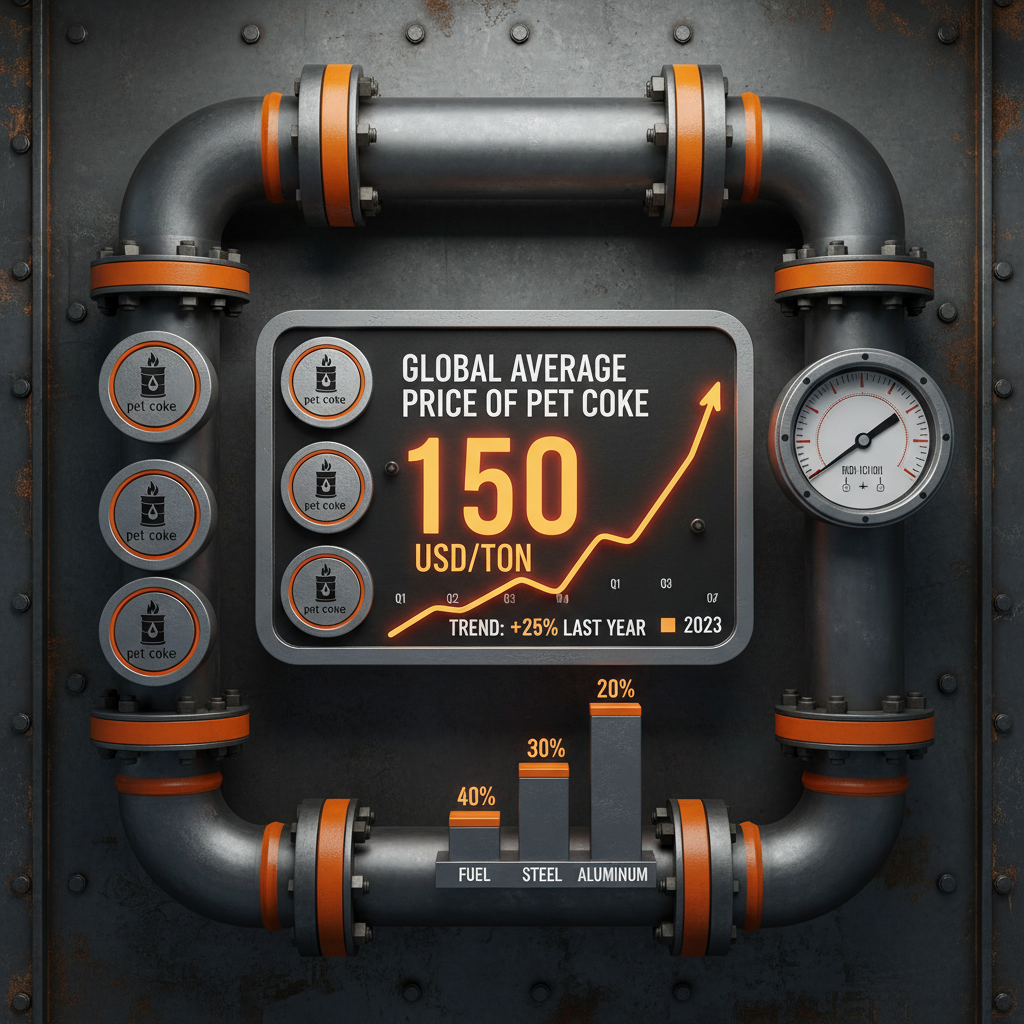
Predicting the future price of pet coke is challenging due to the complex interplay of factors. However, several trends are likely to shape the market. We anticipate continued volatility tied to crude oil prices and global economic conditions. Demand from the aluminum sector will remain a critical driver. Furthermore, the growing emphasis on environmental sustainability will likely lead to higher production costs and potentially limit supply. Companies are advised to implement robust risk management strategies, including long-term contracts and diversification of supply sources.
Conclusion: Navigating the Pet Coke Market
Understanding the factors influencing the price of pet coke is essential for businesses seeking to optimize costs and ensure supply chain resilience. By staying informed about market trends, regional variations, and environmental regulations, companies can make informed procurement decisions. NL Graphite is dedicated to providing clients with expert market analysis and customized solutions to navigate the complexities of the pet coke market.
Frequently Asked Questions (FAQs)
What is the typical sulfur content in pet coke?
The sulfur content in pet coke can vary significantly depending on the refining process and the crude oil source. Generally, it ranges from 1% to 8%. However, due to increasingly stringent environmental regulations, many refineries are now producing "low-sulfur" pet coke with sulfur content below 1%. Higher sulfur content can result in increased handling costs and potential restrictions on usage, making low-sulfur pet coke more desirable despite potentially higher prices. It’s crucial to verify the sulfur content before procurement to ensure compliance with local regulations and industry standards.
How does the quality of pet coke affect its price?
The quality of pet coke significantly impacts its price. Factors such as sulfur content, ash content, fixed carbon, and volatile matter all contribute to its value. Higher fixed carbon content indicates better burning efficiency, making it more desirable for certain applications. Lower ash content reduces slag formation, simplifying handling and reducing wear on equipment. Higher-quality pet coke generally commands a premium price due to its superior performance and reduced environmental impact.
What are the main applications of pet coke and how does demand vary?
The primary application of pet coke is in the aluminum industry as a carbon source for producing alumina. Cement manufacturing is another significant consumer, using pet coke as a fuel source. Power generation, particularly in regions with limited access to natural gas, also relies on pet coke. Demand fluctuates based on the health of these industries. The aluminum industry's growth, particularly in Asia, has historically been a major driver of pet coke demand. Shifts towards more sustainable practices in cement and power generation could potentially reduce demand in the long term.
What role do logistics and transportation play in the final price?
Logistics and transportation represent a substantial portion of the final price of pet coke, especially for long-distance shipments. Factors such as shipping rates, port congestion, and inland transportation costs (rail or truck) can significantly influence the overall cost. Access to efficient port facilities and reliable transportation networks is critical for minimizing these expenses. Delays in transportation can also lead to demurrage charges and further increase the price.
 Pervious
 Next
Next