

- Englist



Unlocking the Power of Graphite Powder Use in Industry and Innovation

Unpacking Graphite Powder Use: Why It Matters Globally
Graphite powder use isn’t exactly the hot topic of everyday conversations, but its significance quietly powers some of the most vital industries around the world. From improving battery performance in electric vehicles to enhancing industrial lubricants, the applications of graphite powder ripple through sectors like energy, manufacturing, and even humanitarian aid. Understanding this material can unlock insights into sustainability, cost efficiency, and innovation that affect global supply chains and environmental goals. Why does graphite powder matter? Simply put, its unique properties make it a crucial player in solving both technical and ecological challenges worldwide.
The Global Picture: Why Graphite Powder Use Is So Relevant Today
The demand for graphite powder has surged alongside the rise of green technologies, electrification, and high-tech manufacturing. According to the US Geological Survey, global graphite production topped 1.2 million metric tons in 2022, led mainly by China, India, and Brazil. Yet, this isn’t just about numbers—there’s a pressing challenge: graphite’s supply needs to be secure, sustainable, and environmentally responsible as industries scramble to reduce carbon footprints. The rapid growth of lithium-ion batteries for electric vehicles alone demands high-purity graphite powders, which brings sourcing and sustainability into sharp focus. It's this balancing act—between industrial demand and ethical sourcing—that defines the current landscape.
Mini takeaway: Graphite powder is no longer just a raw material; it’s a strategic resource shaping the future of energy and manufacturing.
What Exactly Is Graphite Powder Use?
Simply put, graphite powder refers to finely ground flakes or particles of graphite, a naturally occurring form of carbon known for its layered, slippery structure. The term "graphite powder use" encompasses all the ways this dust-like material gets applied—from lubricants that prevent machine wear to critical elements in batteries, conductive coatings, and even fire retardants. In modern industry, it’s prized for its electrical conductivity, chemical inertness, and thermal resistance. Beyond factories, graphite powder also plays roles in humanitarian efforts — think reliable power storage in off-grid areas or heat shields in emergency shelters — where its properties contribute to improving people’s lives.
Core Elements of Graphite Powder Use That Matter
1. Electrical Conductivity
Graphite’s layered atomic structure lends it excellent conductivity, making graphite powder a go-to component in batteries, fuel cells, and electrodes. This property powers everything from electric vehicles to solar panels—key tech for the energy transition.
2. Thermal Resistance
The ability to withstand extreme temperatures without degrading makes graphite powder ideal for high-temperature lubricants and refractory materials, which industries like aerospace and steel manufacturing depend on.
3. Lubrication Efficiency
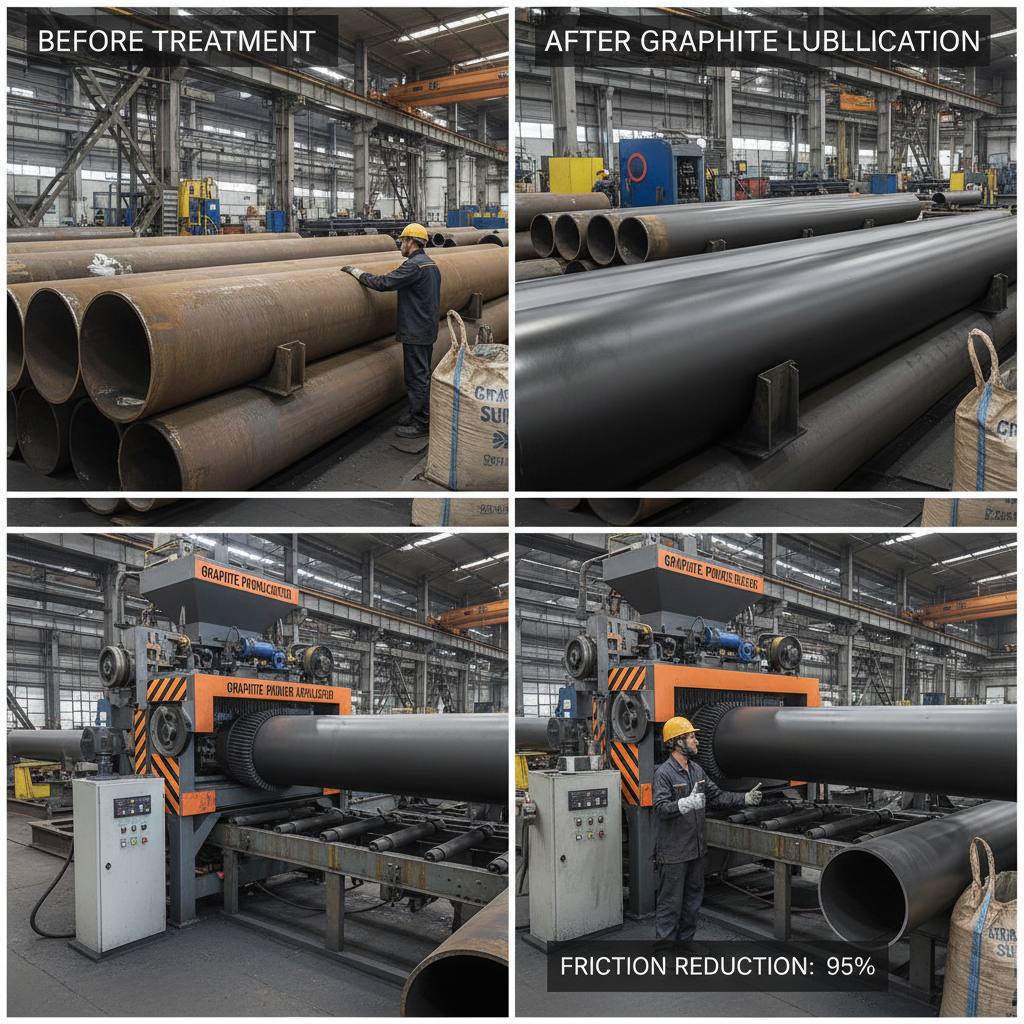
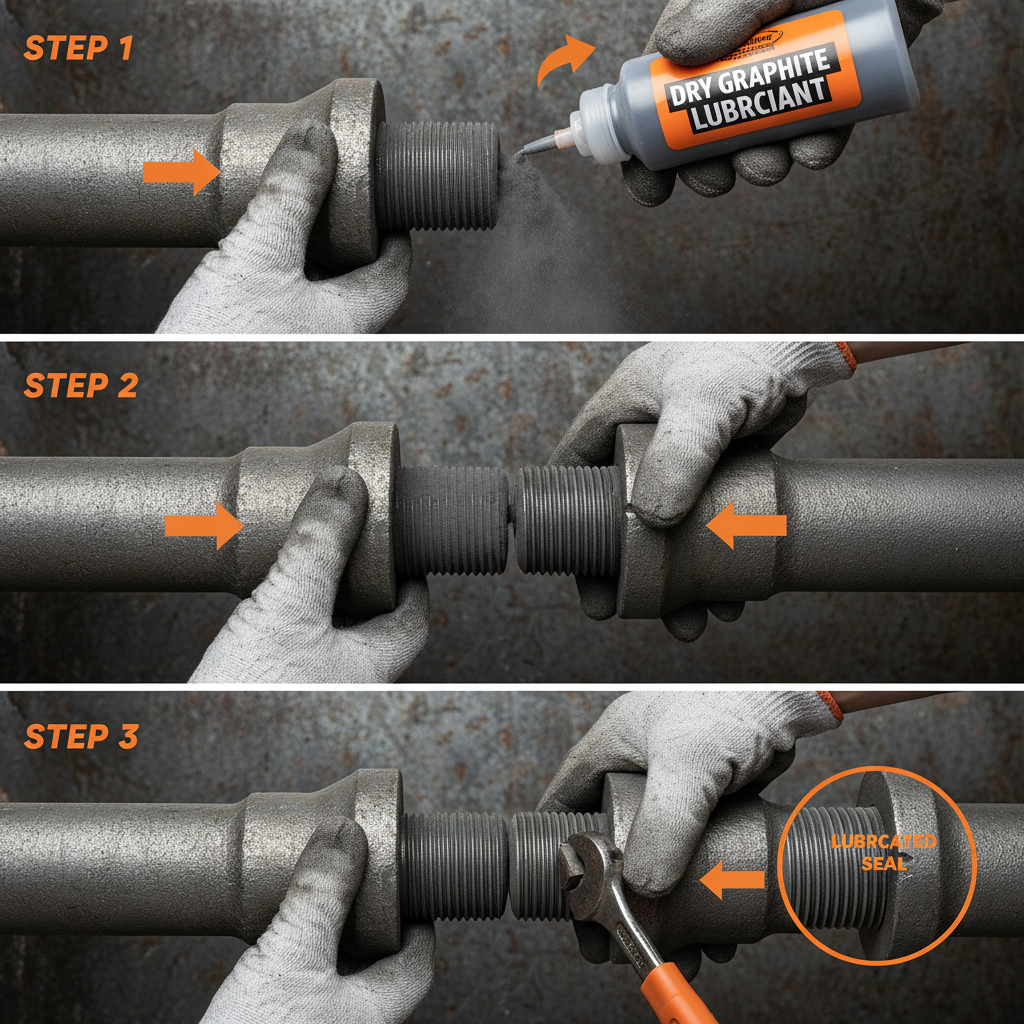
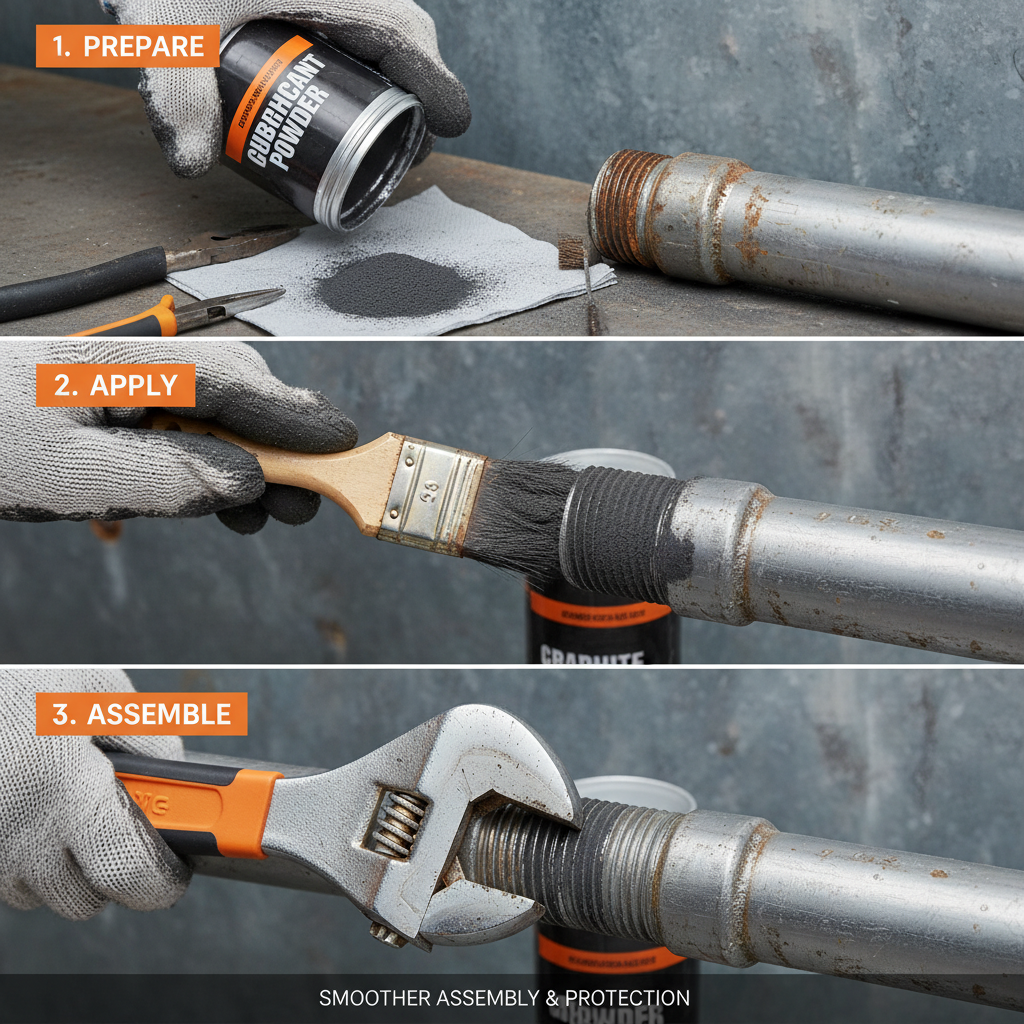
Its slippery nature allows it to reduce wear and tear in engines and heavy machinery, extending equipment lifespan and cutting maintenance costs. Many engineers tell me it’s practically irreplaceable in certain heavy-duty contexts.
4. Chemical Stability
Graphite’s resistance to most chemicals allows it to be safely used in harsh environments—from corrosive factories to remote mining operations.
5. Scalability and Cost Efficiency
Thanks to abundant natural sources and relatively straightforward processing, graphite powder remains competitively priced, which helps industries scale technologies like batteries and lubricants worldwide.
Mini takeaway: The multifaceted properties of graphite powder translate directly into a variety of practical, real-world benefits.
Global Applications and Real-World Use Cases
The spread of graphite powder use is impressive. Here’s a small tour:
- Electric Vehicles (EVs): In countries like China and Germany, high-purity graphite powder feeds the anodes of lithium-ion batteries crucial to EV technology.
- Industrial Lubricants: In heavy manufacturing regions—think the US Rust Belt or Japan’s manufacturing hubs—graphite powder keeps machines running longer.
- Refractory Applications: Steel plants in India and Brazil rely on graphite powders to line furnaces capable of thousands of degrees.
- Remote and Off-Grid Energy: In parts of Africa and Southeast Asia, graphite-enhanced batteries stabilize renewable energy microgrids, powering communities reliably.
- Emergency Relief Efforts: Durable graphite-based heating elements and graphite-infused coatings help keep emergency shelters safe and insulated in disaster zones.
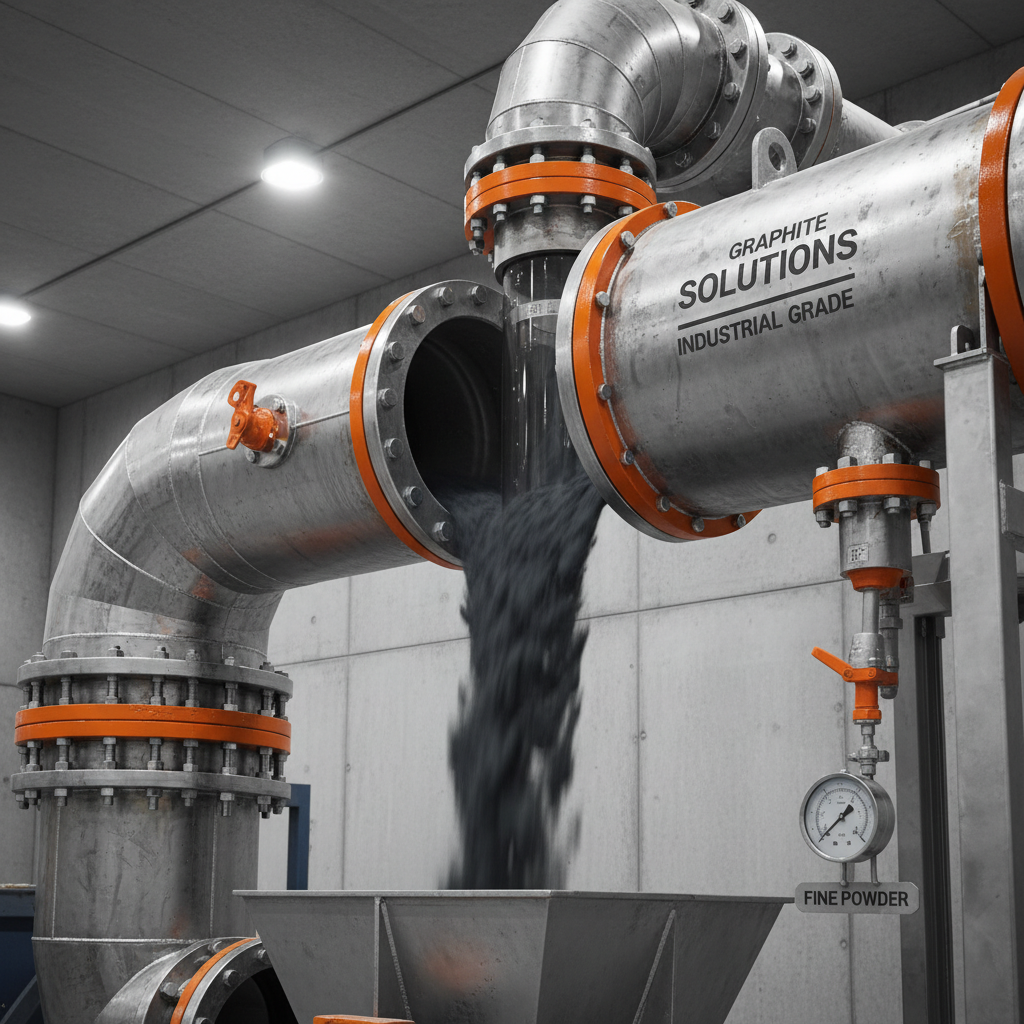
Product Specifications Snapshot: Graphite Powder Grades
| Specification | Battery Grade | Industrial Grade | Lubricant Grade |
|---|---|---|---|
| Purity (%) | >99.95 | >98.5 | >95 |
| Particle Size (µm) | 5–15 | 15–45 | 40–100 |
| Ash Content (%) | |||
| Moisture (%) |
Who’s Who? A Quick Vendor Comparison
Here’s a rough comparison of some leading graphite powder suppliers — note the differences in price, purity, and geographic focus:
| Vendor | Purity Range (%) | Price (USD/ton) | Primary Markets | Sustainability Practices |
|---|---|---|---|---|
| GraphiteCo | 99.9 – 99.99 | 12,000 – 14,000 | EV, Aerospace | Certified ESG programs |
| CarbonPlus | 98.5 – 99.5 | 8,500 – 11,000 | Industrial Lubricants, Steel | Partial renewable energy use |
| EcoGraphite | >95 | 7,000 – 9,000 | Lubricants, Construction | Zero-waste facilities, recycling focus |
Why Choose Graphite Powder? Advantages & Long-Term Perspective
The tangible benefits are numerous and kind of impressive when you think about it:
- Cost-Effectiveness: Its abundance and ease of processing keep costs reasonable, especially compared to synthetic materials with similar properties.
- Sustainability: With the right sourcing and recycling, graphite powder plays into circular economy goals that many industries chase.
- Reliability: The chemical and thermal stability means fewer unexpected breakdowns or maintenance needs.
- Social Impact: Used in green ships, solar panels, and energy storage, graphite powder indirectly supports cleaner air and safer communities.
- Innovation Catalyst: New battery types, flexible electronics, and more depend on advanced graphite powders—making them central to the next wave of technology.
It’s sometimes easy to forget how much trust we place in this humble carbon form — but then, oddly enough, its absence is glaring when you see a stalled machine or a dead battery.
Looking Ahead: Future Trends in Graphite Powder Use
The future of graphite powder is bright — literally and figuratively. Innovations include:
- Green Sourcing: Mines are adapting with better environmental management to reduce carbon footprints.
- Enhanced Purification: Techniques splitting impurities more effectively, especially for battery-grade powders.
- Hybrid Materials: Combining graphite powder with graphene and silicon for next-gen batteries with better capacity and durability.
- Automation in Processing: Smart manufacturing reduces waste and improves consistency, matching the demands of digital transformation.
With all that said, the material continues to surprise, showing flexibility in unexpected sectors like wearable tech and 3D printing.
Challenges and Solutions in Graphite Powder Use
Despite all its advantages, graphite powder use isn’t without hurdles. The environmental impact of mining can’t be ignored, and quality control remains a tricky beast—small impurity variations can hinder performance severely. Thankfully, the industry’s seeing solutions like:
- Improved recycling programs, turning used batteries and electrodes back into usable graphite powders.
- Stricter quality standards designed with international bodies like ISO guiding best practices.
- Innovation in synthetic graphite creation, complementing natural sources to ensure supply resilience.
Environmentalists and engineers are collaborating more than ever, nudging the industry toward greener horizons.
FAQs: Everything You Wanted to Know About Graphite Powder Use
- What industries benefit the most from graphite powder use?
- Key users include electric vehicle battery manufacturers, steel and refractory industries, lubricant producers, and renewable energy sectors relying on stable power storage.
- How does graphite powder impact battery performance?
- High-purity graphite powders improve anode conductivity and energy density in lithium-ion batteries, allowing longer life spans and faster charging times.
- Is graphite powder sourcing environmentally sustainable?
- It depends on mining practices. Many suppliers now focus on ESG-compliant operations, and recycling efforts are growing to reduce environmental footprints.
- Can graphite powder be customized for specific uses?
- Absolutely. Particle size, purity, and surface treatments can be tailored to meet the precise requirements for different industrial applications.
- Where can I learn more about graphite powder use and purchase options?
- Trusted vendors and industry websites like https://www.nlgraphite.com offer extensive resources and support.
Wrapping Up: Why Contact Us About Graphite Powder?
In a world shifting rapidly toward greener, smarter technologies, graphite powder use is a quietly pivotal element—one that bridges natural resource availability with advanced industrial needs. Its costs, sustainability factors, and versatility make it indispensable across sectors, with a future shaped by innovation and responsibility. If you're looking to dive deeper into responsible sourcing, cutting-edge processing, or tailored graphite powders, don't hesitate. Visit our website: https://www.nlgraphite.com and explore how graphite powder can shape your next project.
A quick reflection: It’s sometimes the things we don’t immediately notice—like graphite powder—that quietly enable our modern lives to function smoothly. So next time your phone charges or a factory keeps humming efficiently, remember there’s a story and science behind it.
References
 Pervious
 Next
Next