

- Englist



What is a Graphite Rod? Applications, Benefits, and Industry Insights

Graphite Rod: The Unsung Hero of Modern Industry
Graphite rods might not be on everyone’s daily radar, but frankly, they’re everywhere in the background, quietly powering processes we often take for granted. From electronics to steel manufacturing, these simple-looking carbon rods bear significant weight in driving industrial and technological innovation globally. Understanding graphite rod technology isn’t just a matter for engineers or manufacturers — it matters for anyone curious about sustainability, global supply chains, or materials science.
Why graphite rods matter globally
In 2023, the global graphite market was estimated at over $15 billion, with rods making a sizable chunk of industrial demand (source: USGS Mineral Commodity Summaries). The growing use of electric vehicles, renewable energy tech, and heavy industries keeps pushing demand higher. Yet, oddly enough, graphite rods are still under-discussed outside specialist circles. But as the world leans heavily into decarbonization and efficient manufacturing, the versatility and properties of graphite rods become even more critical. They’re not only conductive and heat-resistant but also resilient in harsh environments — key traits needed to sustain modern industries.
What is a graphite rod?
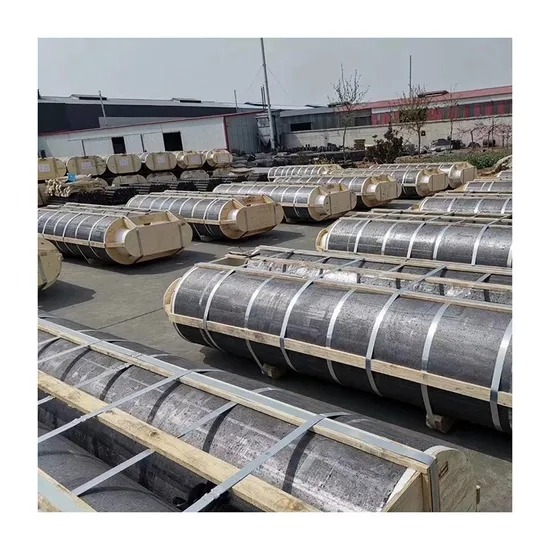
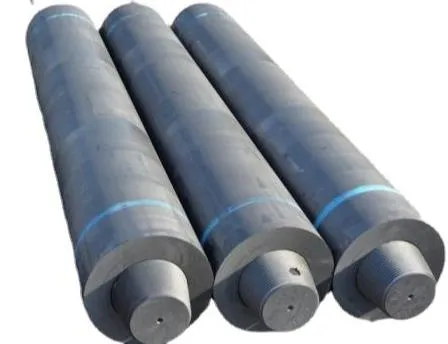
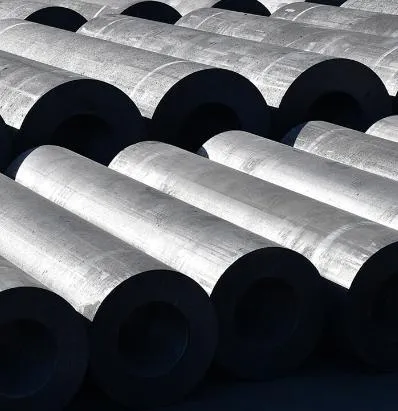
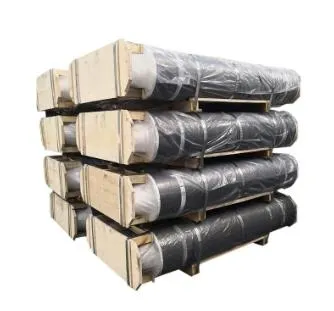
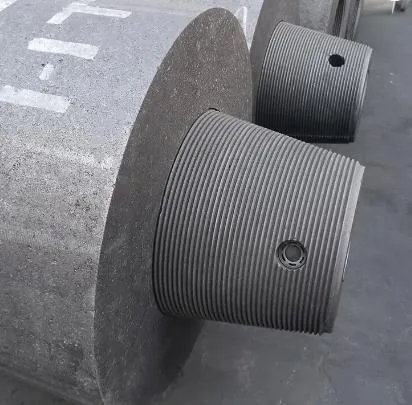
Simply put, a graphite rod is a cylindrical piece of carbon in its graphite form, usually shaped for mechanical strength and electrical conductivity. You can think of it as a specially prepared chunk of carbon arranged in layers of hexagonal lattices, providing unique thermal and chemical properties. These rods find applications ranging from electrodes in arc furnaces to components in nuclear reactors and even in medical devices. The link with humanitarian needs? Well, reliable energy production and water purification systems often incorporate graphite rods as essential elements, supporting post-disaster rebuilding and remote-area solutions.
Key Factors and Core Components of Graphite Rods
1. Durability
Graphite rods stand up well to extreme heat (up to 3000°C in inert atmospheres) and chemical corrosion, which is why industries rely on them in electric arc furnaces or chemical plants. Unlike metals, they don’t oxidize as readily, so they last longer even under challenging conditions.
2. Electrical Conductivity
Graphite’s layered crystal structure allows electrons to move relatively freely, making graphite rods excellent conductors. That’s why you’ll find them in batteries, electrodes, and electrical brushes. Their conductivity balances well with mechanical strength, which not every conductive material can boast.
3. Thermal Stability
In processes like metal forging or chemical reactions, temperature fluctuations can be brutal. Graphite rods maintain stability, minimizing thermal expansion or contraction. This keeps machinery and systems functioning smoothly — a real advantage for industries needing precision and reliability.
4. Cost Efficiency
Compared to metals like copper or silver, graphite rods offer a budget-friendly alternative without sacrificing performance in high-heat or corrosive environments. That makes them preferred choices for manufacturing and even experimental setups.
Product Specifications at a Glance
| Specification | Typical Value |
|---|---|
| Diameter | 5 mm – 50 mm |
| Length | 100 mm – 1000 mm |
| Electrical Resistivity | ~15 μΩ·m |
| Max Operating Temperature | Up to 3000 °C (in inert atmosphere) |
| Material Purity | >99% Carbon |
Global Applications & Real-World Use Cases
- Steel and Aluminum Manufacturing: Electric arc furnaces use graphite rods as electrodes to generate and maintain the high temperatures needed to melt metals.
- Energy Storage and Batteries: Graphite rods serve as anodes in lithium-ion batteries, critical for the booming EV market.
- Chemical Processing: Their corrosion resistance allows use in aggressive chemical environments; imagine oil refining or acid treatment plants.
- Post-Disaster Relief: Portable water purification units and emergency power systems use graphite rods for their durability and efficiency. Here, their steady performance can mean the difference between clean water arriving on time or delays.
- Remote Industry Zones in Africa and Asia: Mining operations there rely on graphite rods for smelting and refining metals onsite — critical to support local economies.
These examples show how widespread and crucial graphite rods are, often playing a backstage but indispensable supporting role.
Comparing Top Graphite Rod Vendors
| Vendor | Product Range | Quality Standards | Lead Time | Customer Support |
|---|---|---|---|---|
| NL Graphite Co. | Custom sizes, high purity (>99%) | ISO 9001, ASTM C561 | 2-3 weeks | Technical consultation included |
| CarbonTech Ltd. | Standard industrial grades | ISO 14001 | 1-2 weeks | Online support only |
| Global Electrodes | High-temp specialty rods | ASTM C610 | 3-4 weeks | On-site training available |
Advantages & Long-Term Value
When you think about it, the benefits of graphite rods blend practicality with a subtle social impact. On the practical side, the material’s reliability ensures industrial processes run smoothly, minimizing downtime — which is costly and frustrating. From an emotional or ethical standpoint, stable power generation and clean water purification (where graphite rods play a role) underpin safety and dignity, especially in vulnerable communities. Plus, being carbon-based and generally recyclable, graphite rods fit into sustainability goals, helping reduce reliance on rarer metals.
Future Trends & Innovations
Innovation in graphite rods is quietly gaining momentum. Manufacturers are exploring nano-structured graphite and composites with graphene to boost conductivity and strength. In green energy, advanced graphite-based components are key to next-gen battery tech and fuel cells. Also, automation in manufacturing helps produce consistently higher-quality rods, meeting the exacting specs industries demand. Policymakers are pushing for more sustainable raw material sourcing, affecting graphite’s mining and production chains — all these factors hint that the humble graphite rod will remain vital, but prettier and smarter in the near future.
Challenges & Solutions
Despite their strengths, graphite rods face challenges like supply fluctuations tied to mining geopolitics and environmental concerns over extraction. Production quality can vary, causing performance inconsistencies. To address this, experts recommend investing in advanced purification processes and localizing supply chains wherever possible. Recyclability initiatives aim to reduce environmental impact, while research into synthetic graphite production promises steadier, cleaner supply. Essentially, the industry is evolving with the times, though it’s a complex balancing act.
FAQ: Frequently Asked Questions About Graphite Rods
- What industries benefit most from graphite rods?
- Graphite rods are essential in steel manufacturing (electric arc furnaces), battery production, chemical processing, and nuclear reactors. Their heat resistance and conductivity make them especially useful in high-temperature or corrosive environments.
- How long do graphite rods typically last in industrial use?
- Depending on operating conditions, graphite rods can last from several months up to years. High heat and chemical exposure gradually erode the rod, but proper maintenance and quality materials extend lifespan significantly.
- Are graphite rods environmentally sustainable?
- While graphite rods are carbon-based and can be recycled, mining natural graphite raises environmental concerns. Advances in synthetic graphite production and recycling programs aim to improve sustainability.
- Can graphite rods be customized for specific applications?
- Yes, vendors like NL Graphite offer custom diameters, lengths, and purity levels tailored to clients' technical needs, often with consultation included.
- How do I choose a reliable graphite rod supplier?
- Look for certifications (ISO, ASTM), technical support availability, proven industry experience, and consistent delivery times. Online reviews and case studies are also helpful.
Conclusion + Call to Action
Graphite rods underpin many critical industrial and humanitarian applications worldwide. Their mix of durability, conductivity, and cost-efficiency makes them indispensable and increasingly relevant as we strive toward cleaner energy and sustainable manufacturing.
If you’re considering incorporating high-quality graphite rods into your processes or projects, I highly recommend visiting NL Graphite — they offer expert guidance and tailor solutions just for you.
In real terms: graphite rods might seem simple, but their impact is quietly profound.
References:
 Pervious
 Next
Next