

- Englist



Understanding Graphite Petroleum Coke Price Trends and Market Dynamics

Understanding Graphite Petroleum Coke Price Trends
Graphite petroleum coke (GPC) is a crucial material in numerous industries, including aluminum production, steelmaking, and lithium-ion battery manufacturing. Understanding the factors influencing graphite petroleum coke price is vital for businesses reliant on this commodity. This article will delve into the current market dynamics, key price drivers, regional variations, and future outlook for GPC, providing valuable insights for procurement and strategic planning. We'll explore the nuances of GPC pricing and how to navigate the complexities of the global market.
Key Factors Influencing Graphite Petroleum Coke Price
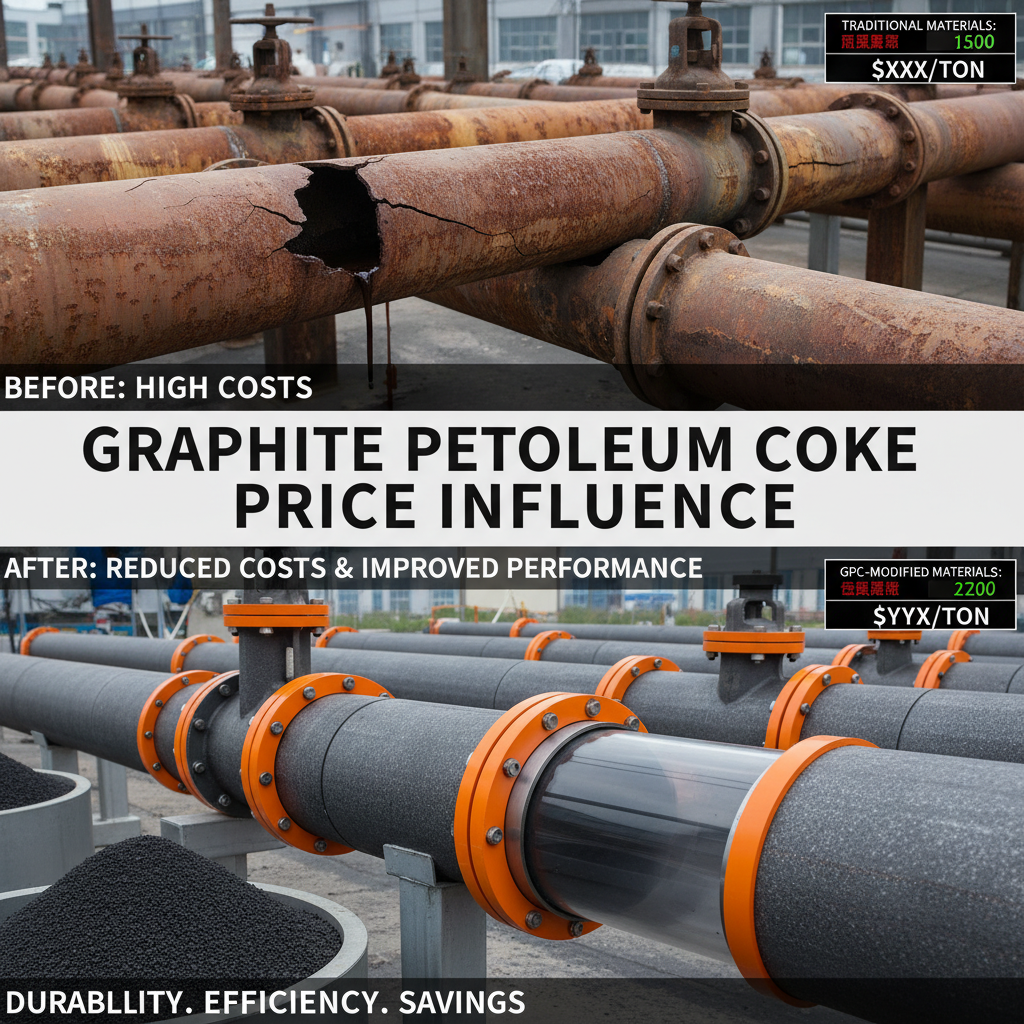
Several interconnected factors determine the price of graphite petroleum coke. The most significant is the cost of raw materials, primarily petroleum coke, a byproduct of oil refining. Fluctuations in crude oil prices directly impact petroleum coke availability and, consequently, GPC prices. Supply and demand dynamics also play a crucial role; increasing demand from the burgeoning electric vehicle (EV) battery sector puts upward pressure on prices, while oversupply can lead to price declines. Additionally, production costs, including calcination and purification processes, contribute to the overall price. Logistics and transportation costs, especially in a globalized market, are also significant considerations. NL Graphite stays ahead of the curve to ensure competitive pricing.
Key Highlights: Crude oil prices, supply and demand, production costs, logistics, and transportation significantly impact graphite petroleum coke pricing.
Regional Price Variations in the GPC Market
Graphite petroleum coke prices vary considerably across different regions due to factors like local demand, transportation costs, and trade policies. China, the world’s largest consumer and producer of GPC, often exhibits different pricing trends compared to North America or Europe. Transportation costs from major producing regions, such as China and India, to other parts of the world add to the final price. Trade tariffs and import/export regulations also significantly influence regional price differences. Monitoring these regional variations is crucial for optimizing procurement strategies and identifying potential cost savings.
Regional Price Influencers:
• Local Demand
• Transportation Costs
• Trade Tariffs
• Import/Export Regulations
Graphite Petroleum Coke Price: A Comparative Analysis
Comparing GPC prices across different grades and purities is essential for informed purchasing decisions. Lower-grade GPC, typically used in steelmaking, is generally less expensive than higher-purity GPC required for lithium-ion battery production. Similarly, prices vary based on sulfur content, ash content, and particle size distribution. Understanding these specifications and their impact on price allows buyers to select the optimal grade for their specific application. The following table presents a comparative price range for different GPC grades (data as of November 2023 – subject to change):
Factors Driving Increased Demand for Graphite Petroleum Coke
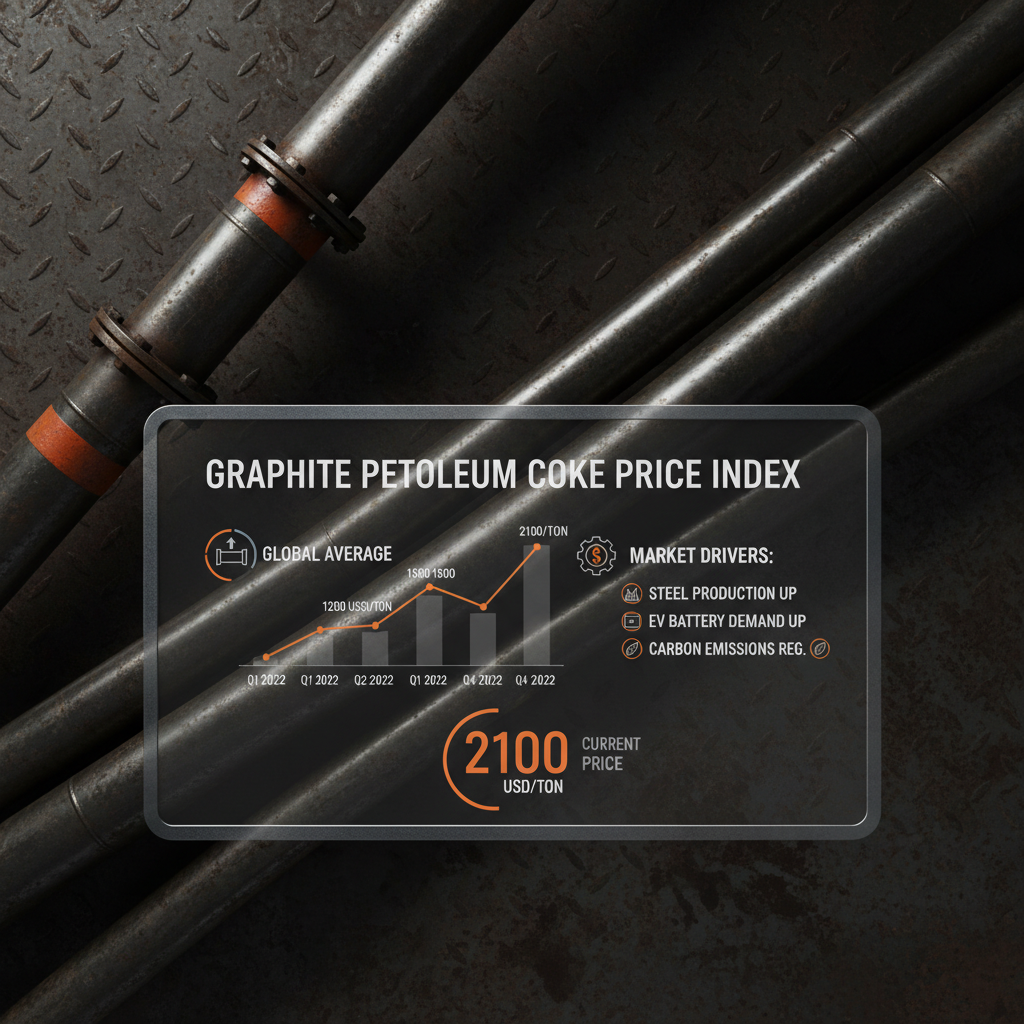
The burgeoning electric vehicle (EV) market is the primary driver of increased demand for high-purity graphite petroleum coke. GPC serves as a critical component in the production of anodes for lithium-ion batteries, essential for EV propulsion. As global EV sales continue to rise, the demand for GPC is projected to experience substantial growth in the coming years. Furthermore, increasing investment in energy storage systems (ESS) for renewable energy sources is also contributing to higher demand. NL Graphite is well-positioned to meet this growing demand.
Future Outlook and Price Predictions
The future outlook for graphite petroleum coke prices remains cautiously optimistic. Continued growth in the EV market and ESS sectors is expected to sustain demand, potentially leading to further price increases, particularly for high-purity grades. However, potential supply chain disruptions, geopolitical factors, and advancements in battery technology (such as alternative anode materials) could introduce volatility. Analysts predict a moderate price increase over the next 3-5 years, with prices potentially stabilizing as production capacity increases to meet demand.
Conclusion: Navigating the GPC Market
Understanding the complexities of the graphite petroleum coke price landscape is crucial for success in various industries. By staying informed about market trends, regional variations, and key price drivers, businesses can optimize procurement strategies and mitigate risk. NL Graphite offers expertise and reliable supply to help you navigate this dynamic market.
Frequently Asked Questions (FAQs)
What factors contribute to fluctuations in GPC prices?
Several factors contribute to GPC price fluctuations, including crude oil prices, supply and demand dynamics, production costs, transportation expenses, geopolitical events, and trade policies. The growing demand for lithium-ion batteries, driven by the electric vehicle market, is a particularly significant factor. Monitoring these factors is crucial for predicting price trends and making informed purchasing decisions. The complexity of these factors can sometimes create market instability, impacting long-term planning.
How does the purity level of GPC affect its price?
Generally, the higher the purity level of GPC, the higher the price. This is because producing high-purity GPC requires more sophisticated and costly purification processes. Battery-grade GPC, requiring a purity level of 90% or higher, commands a significantly higher price compared to steelmaking-grade GPC. The specific application dictates the required purity level, influencing the price point.
What is the impact of transportation costs on GPC prices?
Transportation costs constitute a significant portion of the overall GPC price, especially for long-distance shipments. The cost of shipping from major producing regions, such as China and India, to other parts of the world can significantly impact the final price. Factors like fuel prices, shipping container availability, and port congestion all contribute to transportation costs. Optimizing logistics and sourcing from geographically closer suppliers can help minimize transportation expenses.
 Pervious
 Next
Next