

- Englist



Understanding Green Petroleum Coke Price Dynamics and Market Influences

Understanding Green Petroleum Coke Price Dynamics
Green petroleum coke (GPC) is a crucial carbon material used in numerous industrial applications, including aluminum production, steel manufacturing, and titanium sponge production. Its price is subject to considerable fluctuation based on several factors. This article will delve into the complexities of green petroleum coke price, exploring the key determinants, recent trends, regional variations, and future outlook. Understanding these dynamics is essential for businesses that rely on GPC as a raw material. We’ll explore market forces and how they impact procurement strategies.
Key Factors Influencing Green Petroleum Coke Price
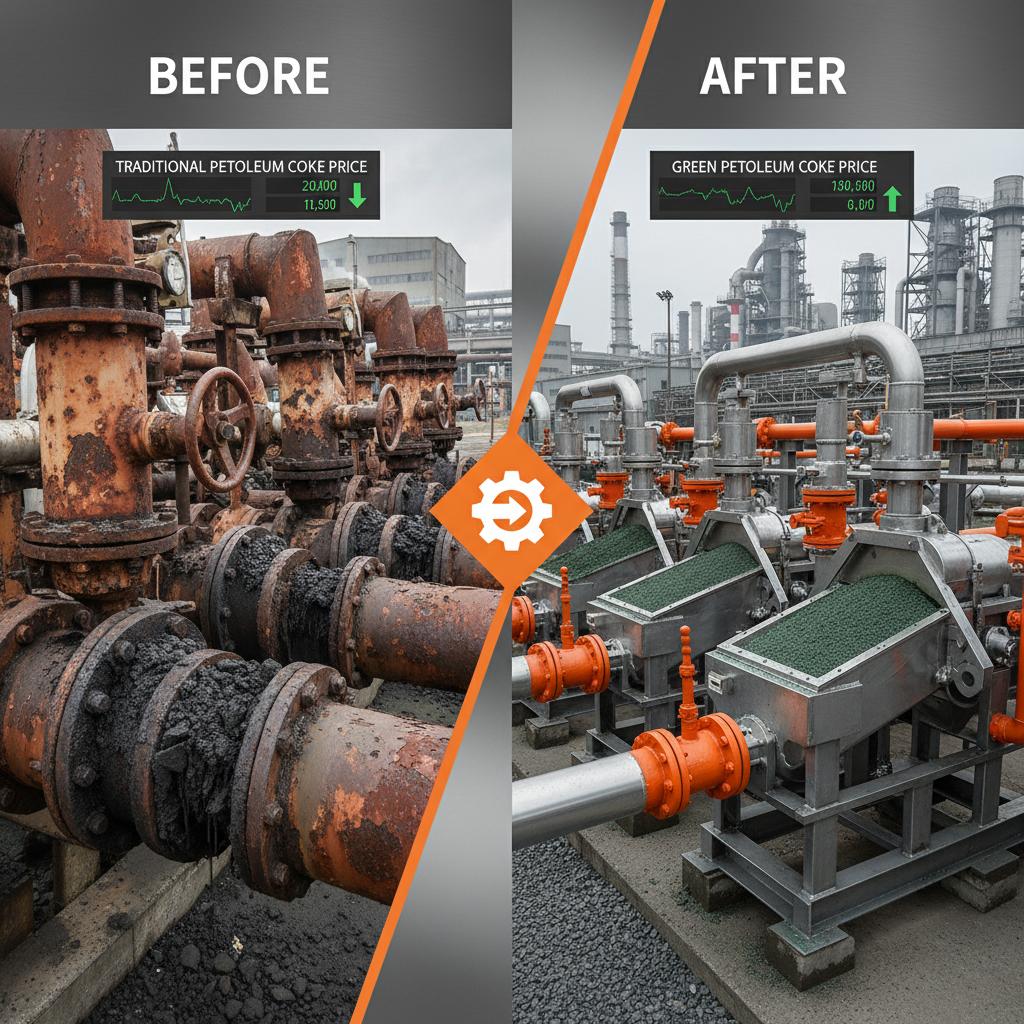
Several key factors contribute to the volatility of GPC prices. Firstly, crude oil prices have a significant impact, as GPC is a byproduct of oil refining. Higher crude oil prices typically translate to increased production costs and, consequently, higher GPC prices. Secondly, supply and demand dynamics play a critical role. Increased demand from the aluminum industry, for instance, can drive prices upwards, while an oversupply can lead to price declines. Geopolitical events, logistical constraints (shipping costs, port congestion), and environmental regulations also exert considerable influence. Finally, the sulfur content of the GPC is a key determinant of its price, with lower sulfur content commanding a premium.
Key Highlights: GPC prices are heavily influenced by crude oil prices, supply & demand, geopolitical events, logistics and sulfur content. Lower sulfur content commands a higher price due to reduced environmental concerns and improved processing efficiency.
Regional Variations in Green Petroleum Coke Price
GPC prices exhibit significant regional variations. The United States, with its substantial refining capacity, is a major producer and exporter. Prices in the US are often influenced by domestic demand from the aluminum smelting industry. China is the world's largest consumer of GPC, primarily for aluminum production, and its demand heavily impacts global prices. Prices in China can be significantly higher than in the US due to transportation costs and domestic supply constraints. The Middle East, another key refining region, offers competitive pricing but is subject to geopolitical risks. European prices are typically higher due to stricter environmental regulations and higher transportation costs. NL Graphite provides insights into regional market dynamics.
Regional Price Influencers:
• US: Domestic demand, refining capacity
• China: Largest consumer, supply constraints
• Middle East: Geopolitical risks, competitive pricing
• Europe: Environmental regulations, transportation costs
Analyzing Green Petroleum Coke Price Trends
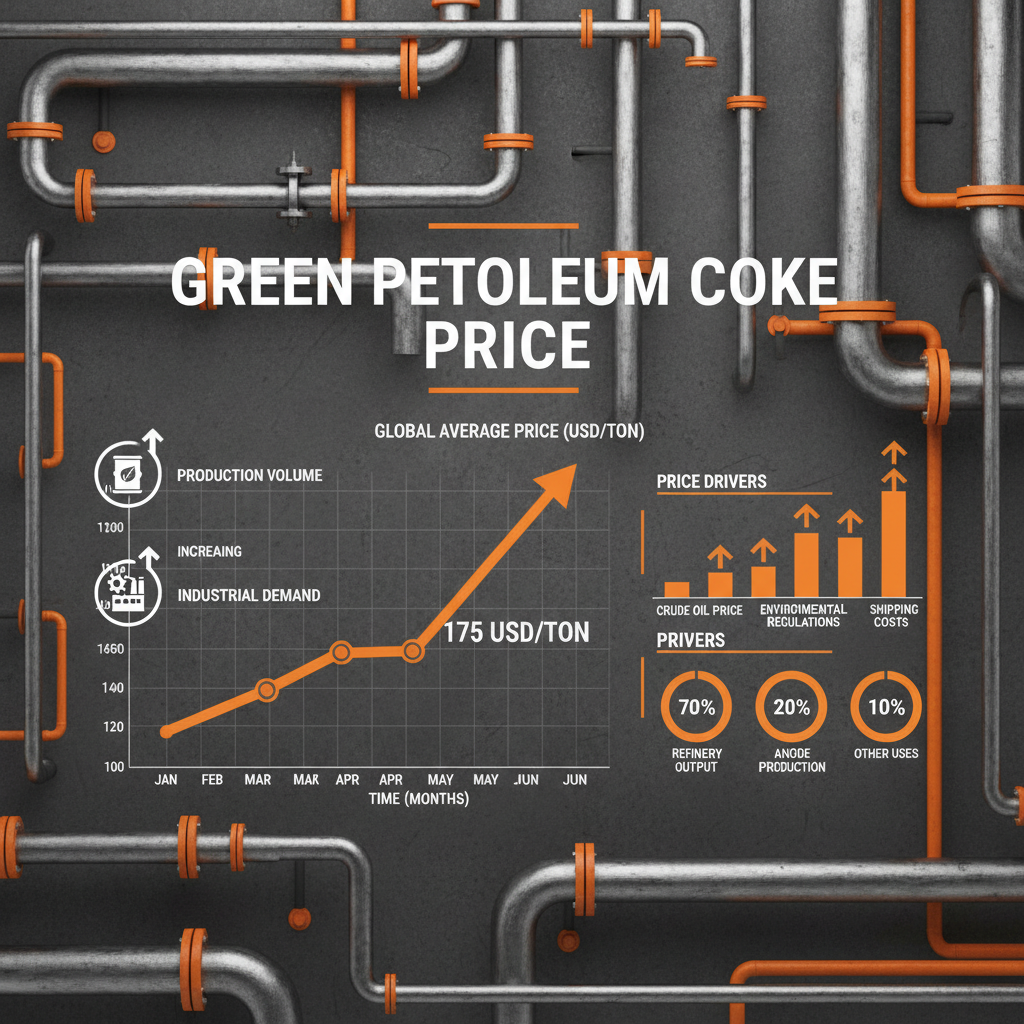
Recent trends show a correlation between GPC prices and overall energy market volatility. In 2022 and early 2023, rising energy prices led to a significant increase in GPC prices. However, as crude oil prices stabilized, GPC prices also experienced a degree of correction. The demand from the aluminum industry remains the primary driver, with expansions in aluminum smelting capacity in regions like India and Southeast Asia expected to further increase demand. Monitoring global economic indicators, refinery output, and aluminum production forecasts are crucial for predicting future price movements.
Disclaimer: Prices are approximate and subject to change based on specific grades and contract terms.
The Role of Sulfur Content in Green Petroleum Coke Pricing
The sulfur content of GPC is a significant determinant of its price. Lower sulfur content is highly desirable, particularly in aluminum production, as it minimizes emissions and reduces the risk of corrosion in smelting cells. GPC with sulfur content exceeding certain thresholds may require additional processing to remove sulfur, adding to the overall cost. Consequently, ‘low-sulfur’ GPC typically commands a premium in the market. NL Graphite specializes in sourcing high-quality GPC with consistently low sulfur content.
Future Outlook for Green Petroleum Coke Prices
Looking ahead, GPC prices are expected to remain volatile, influenced by global economic conditions, energy market fluctuations, and the evolving demand from the aluminum industry. Investments in more efficient refining technologies and the development of alternative carbon materials could potentially impact GPC demand in the long term. However, in the near to medium term, GPC is likely to remain a critical raw material for numerous industries. Proactive procurement strategies, including long-term contracts and diversification of suppliers, are crucial for mitigating price risk.
Conclusion: Navigating the Green Petroleum Coke Market
Understanding the factors influencing green petroleum coke price is vital for businesses dependent on this essential material. By staying informed about market trends, regional variations, and the impact of sulfur content, companies can optimize their procurement strategies and minimize price risk. NL Graphite is a trusted partner in navigating this complex market.
Frequently Asked Questions (FAQs)
What is the typical lead time for GPC orders?
Lead times for GPC orders can vary significantly based on the supplier, quantity, and shipping destination. Generally, lead times range from 2 to 6 weeks. However, during periods of high demand or logistical disruptions, lead times can extend considerably. It's crucial to place orders well in advance of anticipated needs and to communicate effectively with your supplier to ensure timely delivery. Factors like port congestion, vessel availability, and customs clearance procedures can all impact lead times.
How can I mitigate the risk of price volatility?
Mitigating price volatility requires a multifaceted approach. Long-term contracts with suppliers can provide price stability, although they may offer less flexibility. Diversifying your supplier base reduces reliance on a single source and enhances negotiating power. Utilizing hedging instruments, such as futures contracts, can also help manage price risk. Regularly monitoring market trends and forecasting demand can enable proactive procurement decisions. Working with a reputable supplier like NL Graphite can provide access to market intelligence and risk management strategies.
What quality control measures are typically in place for GPC?
Quality control measures for GPC typically include testing for sulfur content, moisture content, ash content, and fixed carbon. Suppliers often provide Certificates of Analysis (COAs) detailing these parameters. Independent third-party inspection services can also be employed to verify quality. Visual inspection for foreign matter and consistency is also common. Reputable suppliers maintain rigorous quality control procedures throughout the production and handling process to ensure that the GPC meets specified standards.
What are the environmental considerations when using GPC?
The environmental impact of GPC is primarily related to sulfur emissions during use. Lower sulfur GPC is preferred to minimize these emissions. Proper handling and storage are also important to prevent dust generation and potential water contamination. Many industries are adopting best practices for GPC handling and utilizing technologies to capture and control sulfur emissions. Choosing a supplier committed to sustainable practices, like NL Graphite, can help minimize environmental impact.
 Pervious
 Next
Next