

- Englist



Comprehensive Guide to Petroleum Coke Price Per Ton and Market Dynamics

Understanding the Petroleum Coke Price Per Ton
Petroleum coke (Petcoke) is a carbon-rich solid derived from oil refining, serving crucial roles across various industries, including aluminum production, steel manufacturing, and the cement industry. Understanding the petroleum coke price per ton is vital for businesses reliant on this material. This article provides a comprehensive overview of factors influencing petcoke pricing, current market trends, and what to consider when sourcing this essential commodity. We'll delve into the different grades of petcoke, geographical pricing variations, and the impact of global economic forces on its availability and cost.
Factors Influencing Petroleum Coke Price Per Ton
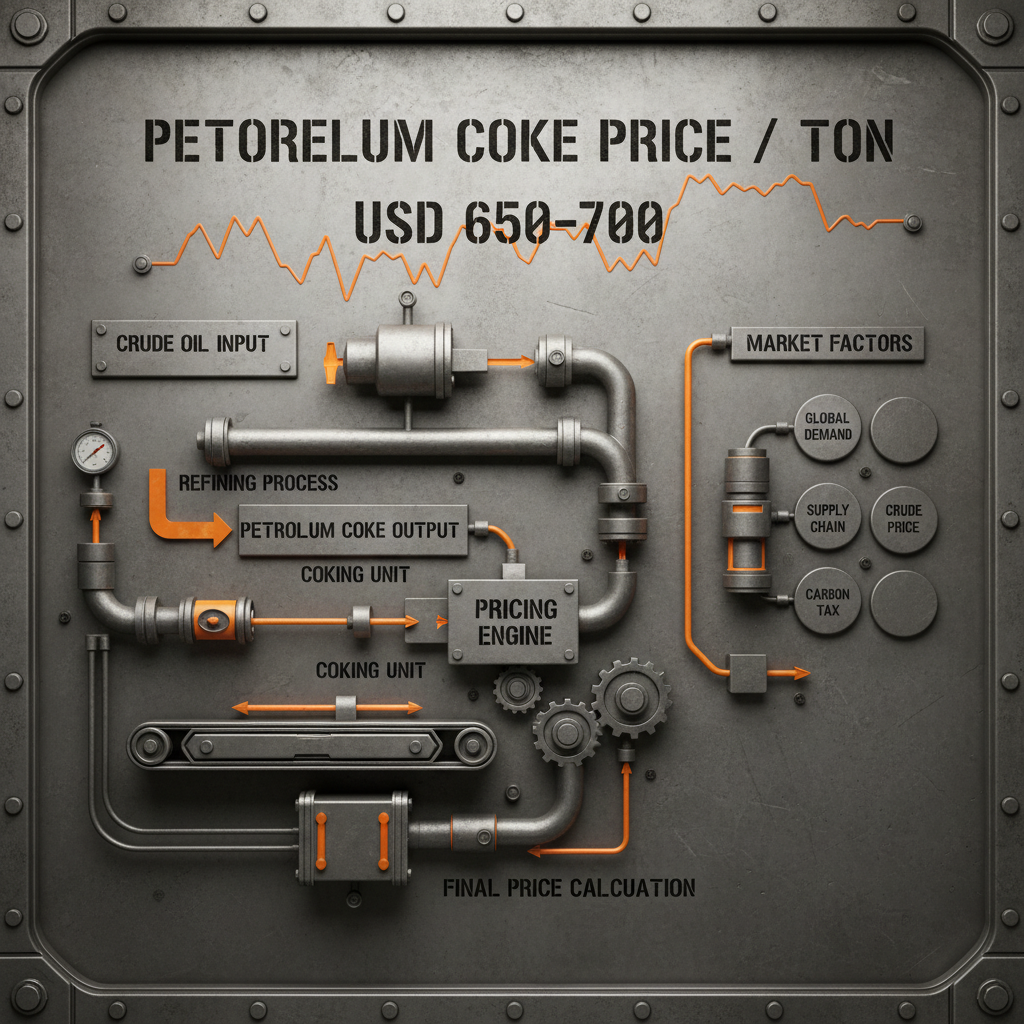
Several key factors contribute to the fluctuating price of petroleum coke. Crude oil prices play a significant role, as petcoke is a byproduct of the refining process. Increased crude oil production often leads to higher petcoke availability, potentially lowering prices, while supply disruptions can drive prices upwards. Demand from the aluminum industry, the largest consumer of petcoke, is another major driver. Geopolitical events, transportation costs (particularly shipping rates), and environmental regulations also exert considerable influence. Finally, the sulfur content of the petcoke (high vs. low sulfur) dictates its value, with lower sulfur content commanding a premium.
Key Highlights: Price is heavily impacted by crude oil, aluminum demand, shipping costs, sulfur content, and global economic stability.
Petroleum Coke Grades and Pricing
Petroleum coke is primarily categorized into two main grades: calcined petcoke and green petcoke. Calcined petcoke undergoes a heating process to remove volatile components and increase its carbon content, making it ideal for aluminum smelting. Green petcoke, in its raw form, is used in cement kilns and other industrial applications. Calcined petcoke typically commands a higher price due to its processing and superior performance characteristics. The price difference can range from $50 to $150 per ton depending on market conditions. Understanding these distinctions is crucial for optimizing sourcing decisions based on your specific application needs.
Grade Comparison:
• Calcined Petcoke: Higher carbon content, used for aluminum production, premium pricing.
• Green Petcoke: Raw form, used for cement and other industrial applications, lower pricing.
Geographical Price Variations of Petroleum Coke
The petroleum coke price per ton varies significantly based on geographical location. Regions with large refining capacities, like the United States and China, often have more competitive pricing. However, transportation costs can offset these advantages for buyers located far from production centers. Demand levels in specific regions also play a role; for instance, increasing aluminum production in the Middle East can drive up demand and prices in that area. Import tariffs and trade policies can further impact prices in different countries. Sourcing from a reliable supplier with a global network is crucial for navigating these regional price discrepancies.
Current Market Trends and Future Outlook
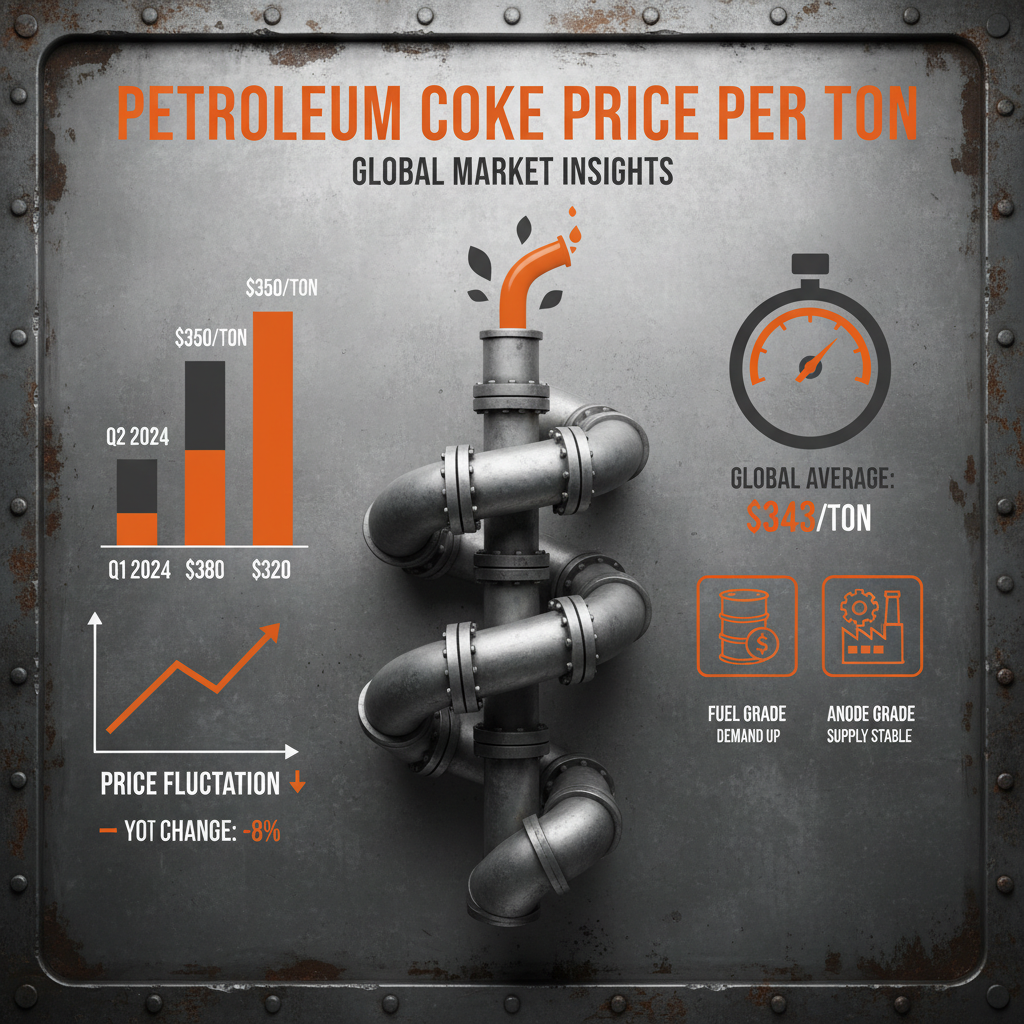
As of late 2024, the petroleum coke market is experiencing moderate volatility. Increasing environmental regulations are impacting petcoke demand in some regions, while growth in aluminum production continues to support demand in others. Supply chain disruptions related to geopolitical tensions also contribute to price uncertainty. Experts anticipate a continued focus on sustainable alternatives, but petcoke is expected to remain a vital material for key industries for the foreseeable future. Proactive supply chain management and diversification of sourcing are essential for mitigating risk and securing favorable pricing. NL Graphite is dedicated to providing market intelligence and tailored solutions to help clients navigate these complexities.
Selecting the Right Supplier for Your Petcoke Needs
Choosing a reliable petcoke supplier is crucial for ensuring consistent quality, timely delivery, and competitive pricing. Consider suppliers with a strong track record, a robust supply chain, and a commitment to sustainability. Look for certifications demonstrating adherence to industry standards. Evaluate their ability to provide customized solutions, including specific grade requirements and logistical support. Request detailed product specifications and quality control reports. NL Graphite prioritizes customer satisfaction and offers a comprehensive suite of services to meet diverse petcoke requirements.
Conclusion: Navigating the Petroleum Coke Market
The petroleum coke price per ton is influenced by a complex interplay of factors. Staying informed about market trends, understanding grade variations, and partnering with a reliable supplier like NL Graphite are essential for optimizing your sourcing strategy and ensuring a stable supply of this crucial material.
Frequently Asked Questions (FAQs)
What is the typical lead time for petcoke delivery?
Lead times vary depending on the origin, destination, and transportation method. Generally, expect a lead time of 2-6 weeks for international shipments. Domestic shipments within the United States typically have shorter lead times, ranging from 1-3 weeks. Factors such as port congestion, shipping vessel availability, and customs clearance can influence delivery schedules. Working with a supplier who offers robust logistics management is crucial for minimizing delays and ensuring on-time delivery.
How does sulfur content affect petcoke pricing?
Lower sulfur content petcoke is highly sought after, particularly for aluminum smelting, as it reduces emissions and minimizes environmental impact. Consequently, low-sulfur petcoke commands a premium price compared to high-sulfur grades. The price difference can vary based on market demand and sulfur regulations. Buyers should specify their sulfur content requirements when requesting quotes to ensure they receive pricing for the appropriate grade.
What are the primary uses of green petcoke?
Green petcoke is predominantly used as a fuel source in the cement industry, providing a cost-effective alternative to coal. It's also utilized in power plants and other industrial applications requiring a carbon-rich fuel. While it's less expensive than calcined petcoke, it contains higher levels of moisture and sulfur, requiring specialized handling and emission control systems.
How can I stay updated on petroleum coke price fluctuations?
Monitoring industry news, consulting market reports, and engaging with reliable suppliers like NL Graphite are crucial for staying informed about price fluctuations. Subscribing to commodity price alerts and following market analysts can also provide valuable insights. Proactive monitoring allows for informed purchasing decisions and effective risk management.
 Pervious
 Next
Next