

- Englist



Todays Pet Coke Price Per Ton A Detailed Market Analysis

Pet Coke Price Per Ton Today: A Comprehensive Overview
Understanding the pet coke price per ton today is crucial for businesses across various industries, including cement production, power generation, and aluminum smelting. This article provides a detailed analysis of the factors influencing pet coke prices, current market trends, regional variations, and insights for buyers. We'll also discuss how NL Graphite can assist with sourcing high-quality pet coke.
What is Pet Coke and Why is the Price Important?
Petroleum coke, or pet coke, is a carbon-rich solid material derived from the oil refining process. It's a byproduct of coking and catalytic cracking. Its high carbon content and low cost make it a valuable fuel and carbon source for several industrial applications. The price of pet coke directly impacts the production costs for these industries. Fluctuations in price can significantly affect profitability, making consistent monitoring and strategic sourcing essential. Understanding these dynamics is pivotal for businesses to maintain competitiveness. Moreover, environmental regulations and sustainability concerns are increasingly influencing both supply and demand, further impacting price trends.
Key Takeaway: Pet coke’s price is a key indicator of overall energy and industrial material costs, affecting numerous downstream industries.
Factors Influencing the Pet Coke Price Per Ton Today
Several factors contribute to the daily fluctuations in the pet coke price per ton today. These include crude oil prices, refining capacity, demand from key industries (cement, aluminum, power), freight rates, geopolitical events, and environmental regulations. Crude oil prices, while not directly correlated, heavily influence the production of pet coke as a byproduct. Increased refining activity leads to greater pet coke supply. Conversely, decreased refining capacity or disruptions due to unforeseen events (e.g., hurricanes) can tighten supply and drive prices up. Demand from the cement industry, a major consumer of pet coke, is particularly influential.
Key Price Drivers:
• Crude Oil Prices
• Refining Capacity & Production
• Demand from Cement, Aluminum & Power Industries
• Freight Rates & Transportation Costs
Regional Price Variations in Pet Coke
The pet coke price per ton can vary significantly across different regions due to logistical costs, local demand, and regulatory differences. For example, prices in Asia (particularly India and China) are often influenced by domestic coal policies and cement industry growth. Prices in the US Gulf Coast, a major refining hub, tend to be competitive due to readily available supply. European prices are often higher due to stricter environmental regulations and higher transportation costs. These regional disparities necessitate careful consideration of sourcing options and freight logistics.
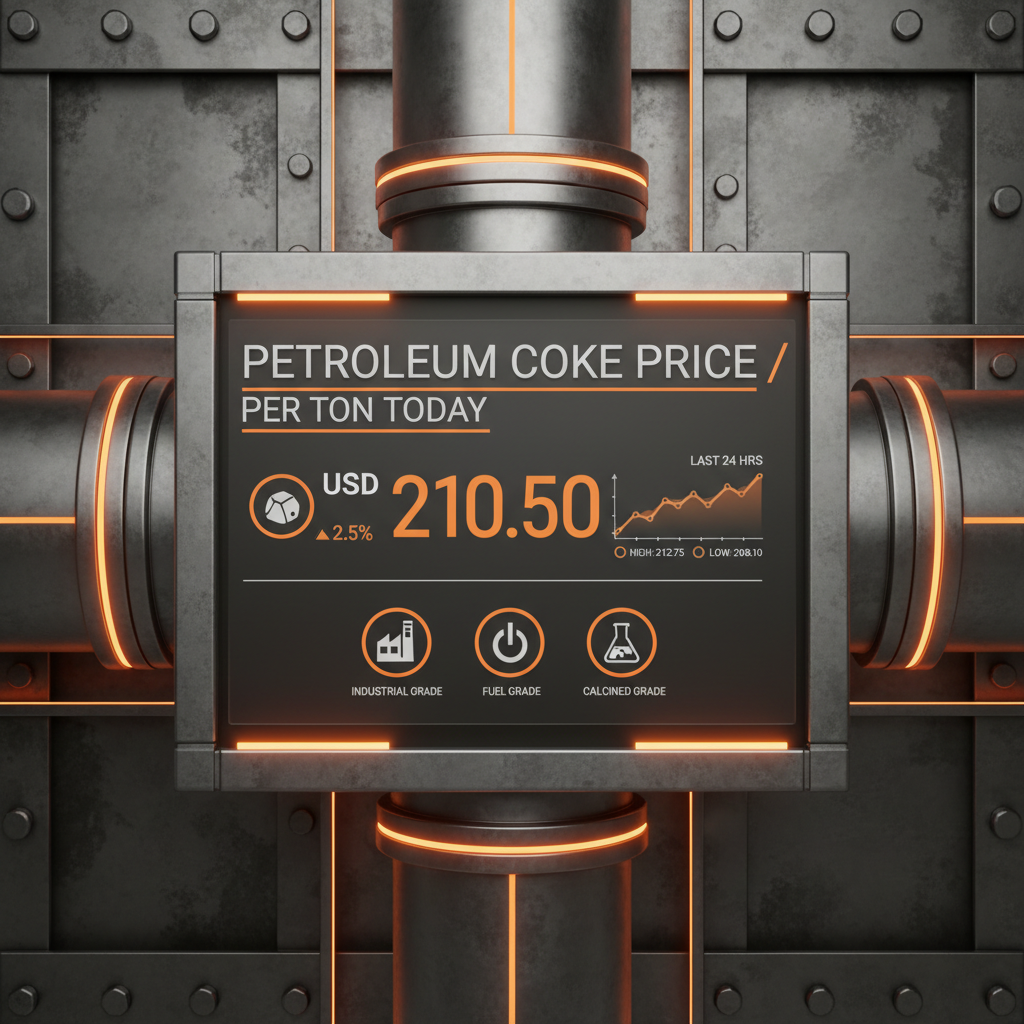
Disclaimer: Prices are approximate and can change daily. Source: Industry reports as of October 26, 2023
The Role of NL Graphite in Pet Coke Sourcing
NL Graphite specializes in sourcing and supplying high-quality pet coke to meet diverse industrial needs. We leverage our extensive network and market expertise to secure competitive pricing and reliable supply chains. We offer customized sourcing solutions tailored to your specific requirements, including quality control, logistical support, and timely delivery. Our team understands the complexities of the pet coke market and is committed to providing our clients with the best possible service.
Future Trends and Price Outlook
The future of the pet coke price per ton today will be shaped by evolving environmental regulations, the transition to renewable energy sources, and the growth of alternative fuels. Increased scrutiny of the environmental impact of pet coke, particularly regarding sulfur content and emissions, is likely to lead to tighter quality standards and potentially higher prices. The increasing adoption of alternative fuels in cement and power generation may also moderate demand for pet coke in the long term. Staying informed about these trends is crucial for making strategic sourcing decisions.
Conclusion: Navigating the Pet Coke Market
The pet coke market is dynamic and subject to numerous influencing factors. Understanding these factors, regional variations, and future trends is vital for businesses relying on this important commodity. Partnering with a reliable supplier like NL Graphite can help navigate this complexity and ensure a secure and cost-effective supply.
Frequently Asked Questions (FAQs)
What is the typical sulfur content in pet coke?
Sulfur content is a crucial specification for pet coke, as it impacts emissions during combustion. Typical sulfur content ranges from 1% to 6%, but lower sulfur grades are available at a premium. Regulations increasingly favor low-sulfur pet coke to minimize environmental impact. The specific sulfur content required depends on the user's industry and local environmental regulations. NL Graphite can source pet coke with varying sulfur content to meet specific needs.
How does transportation affect the pet coke price?
Transportation costs represent a significant portion of the total pet coke price, especially for long-distance shipments. Freight rates are influenced by factors such as fuel prices, shipping capacity, and port congestion. The mode of transportation (sea, rail, truck) also impacts costs. Optimizing logistics and selecting strategically located suppliers can help minimize transportation expenses. NL Graphite provides logistical support to help customers manage transportation costs effectively.
What are the main applications of pet coke?
The primary applications of pet coke are as a fuel source for cement kilns, aluminum smelters, and power plants. It’s also used as a carbon source in the production of anodes for the aluminum industry. The high carbon content and relatively low cost make it an attractive alternative to coal in some applications. However, due to environmental concerns, its use is facing increasing scrutiny, prompting research into cleaner alternatives.
How can I stay updated on pet coke price trends?
Staying informed about pet coke price trends requires monitoring industry reports, market analysis publications, and consulting with reputable suppliers like NL Graphite. Following news related to crude oil prices, refining capacity, and environmental regulations can also provide valuable insights. Regularly reviewing price indices and analyzing regional variations are also important steps.
 Pervious
 Next
Next