

- Englist



Understanding Petcoke Price Dynamics and Effective Procurement Strategies

Understanding the Price of Petcoke: A Comprehensive Guide
Petcoke, or petroleum coke, is a carbon-rich byproduct of oil refining. It's a crucial fuel source for various industries, particularly cement production, power generation, and aluminum smelting. Understanding the factors influencing the price of petcoke is vital for businesses relying on this commodity. This article delves into these factors, current market trends, and how to navigate petcoke procurement effectively. From production costs to geopolitical influences, we'll cover everything you need to know to make informed decisions.
Factors Influencing Petcoke Pricing
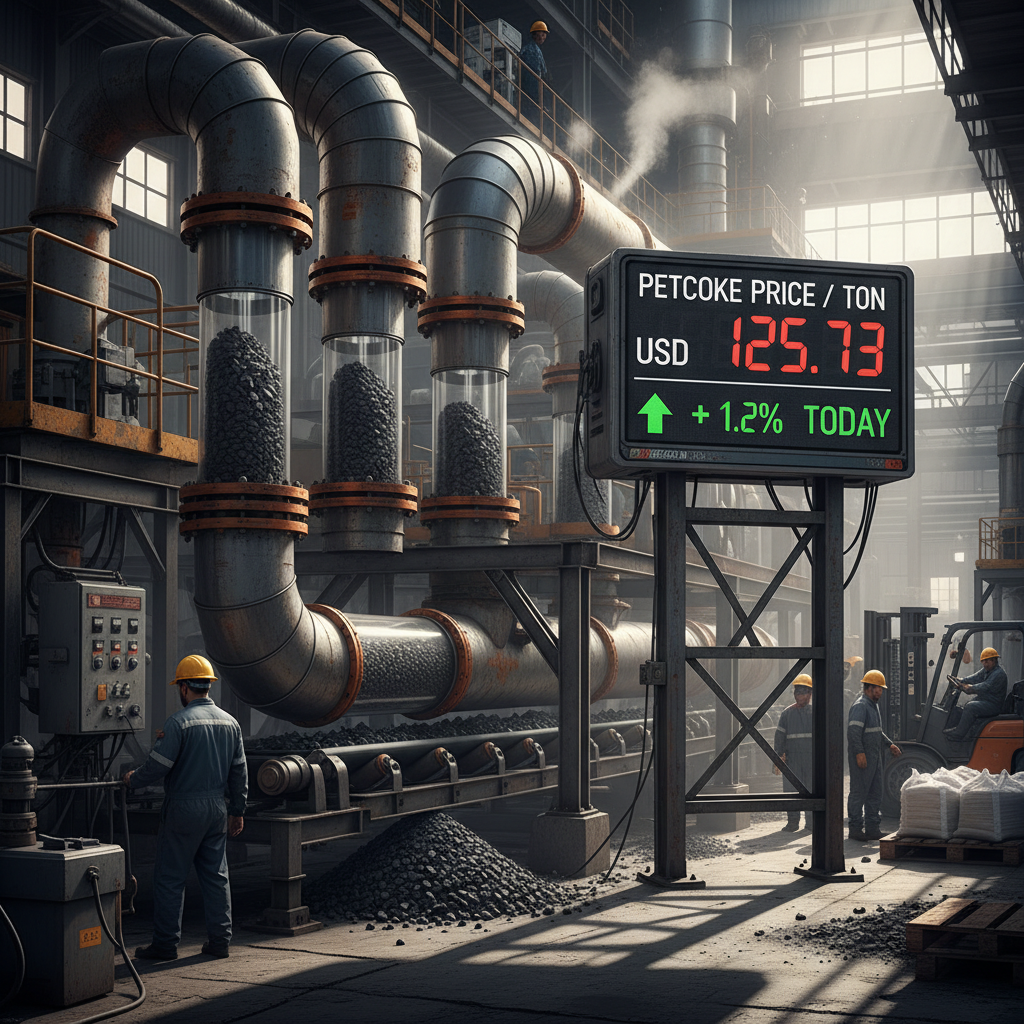
The price of petcoke is subject to a complex interplay of factors. Crude oil prices are a primary driver, as petcoke is produced during the refining process. Increased crude oil prices generally translate to higher petcoke prices. Supply and demand dynamics also play a significant role; a surge in demand from key industries like cement can push prices upward, while increased production can lower them. Transportation costs, including shipping and handling, are a substantial component of the overall price. Finally, geopolitical events and regulatory changes can create market volatility.
Key Influencers: Crude oil prices, supply & demand, transportation costs, geopolitical factors, and environmental regulations all contribute to fluctuations in petcoke pricing.
Petcoke Price Variations by Grade
Petcoke isn't a homogenous product. Different grades exist, influencing their respective prices. Generally, there are two main classifications: delayed coker petcoke and fluid coker petcoke. Delayed coker petcoke typically has a higher sulfur content, making it less expensive. Fluid coker petcoke has a lower sulfur content and commands a premium price due to its suitability for more demanding applications, like aluminum production. Met petcoke, the highest grade, is specifically processed for use in aluminum smelters and is the most expensive.
Petcoke Grade Comparison:
• Delayed Coker Petcoke: Higher sulfur content, lower price.
• Fluid Coker Petcoke: Lower sulfur content, moderate price.
• Met Petcoke: Highest purity, highest price (aluminum smelting).
Historical Petcoke Price Trends
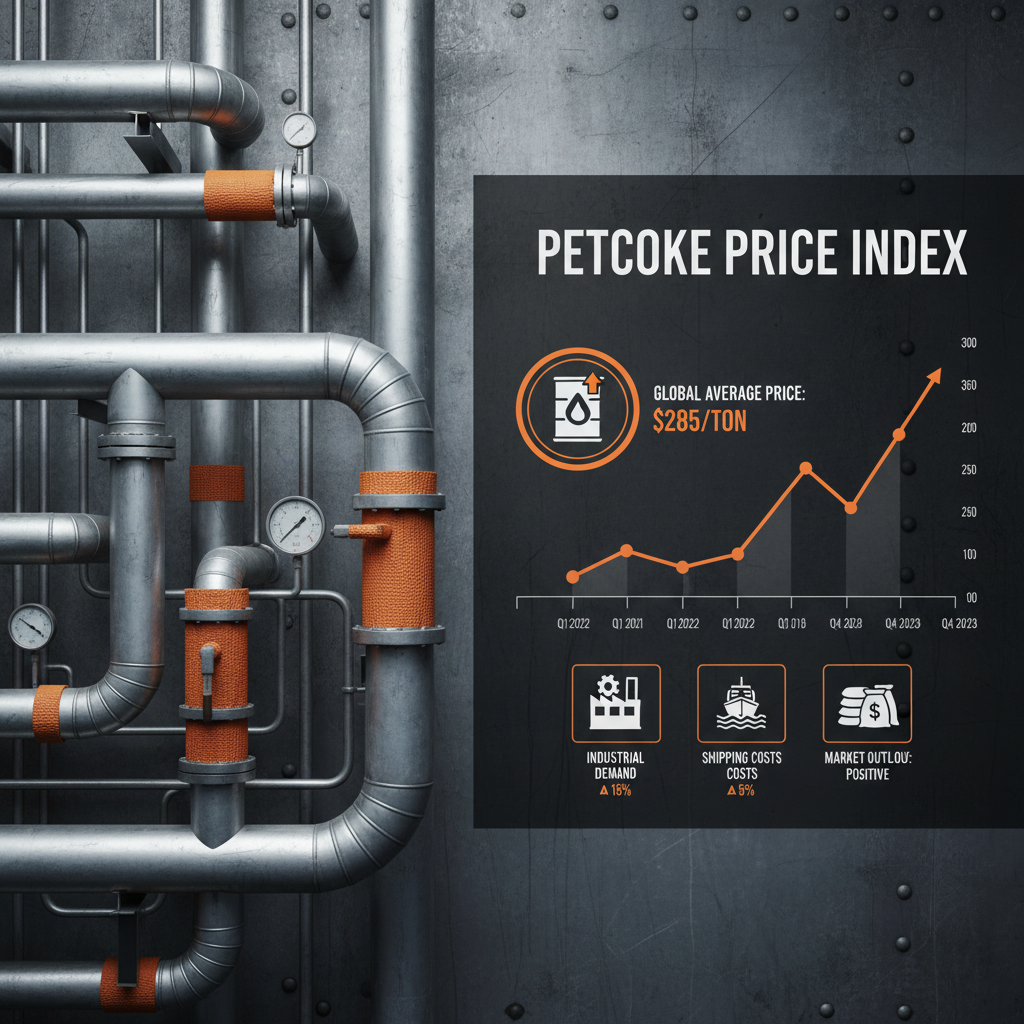
Historically, petcoke prices have shown significant volatility. In the early 2010s, prices surged due to increased demand from China and limited supply. More recently, prices have fluctuated in response to crude oil market conditions and shifting global economic landscapes. The COVID-19 pandemic initially caused a sharp decline in demand, leading to lower prices, but demand has since rebounded, driving prices upward again. Keeping abreast of these historical trends is crucial for forecasting future price movements.
Regional Price Differences in Petcoke
Petcoke prices also vary significantly by region. Areas close to refineries, such as the US Gulf Coast, generally benefit from lower transportation costs and therefore lower prices. Regions with limited domestic production, like Europe and Asia, often rely on imports, resulting in higher prices. China's demand consistently influences global prices, and its import policies can create regional imbalances. Understanding these regional dynamics is essential for sourcing petcoke strategically.
Sourcing Strategies and Price Negotiation
Effective petcoke procurement involves developing robust sourcing strategies. Establishing long-term relationships with reliable suppliers, like NL Graphite, can secure competitive pricing and consistent supply. Diversifying your supplier base mitigates risk. Negotiating favorable contract terms, including price adjustments based on market fluctuations, is critical. Utilizing market intelligence and analyzing price trends can empower you to make informed purchasing decisions.
Conclusion: Navigating the Petcoke Market
Understanding the factors driving the price of petcoke is crucial for businesses reliant on this commodity. By staying informed about market trends, regional variations, and effective sourcing strategies, companies can optimize their procurement processes and secure competitive pricing.
Frequently Asked Questions (FAQs)
What is the typical lead time for petcoke delivery?
Lead times can vary significantly depending on the supplier, the quantity ordered, and the destination. Generally, expect a lead time of 2-6 weeks for standard orders. However, during periods of high demand or logistical disruptions, lead times can extend considerably. It's crucial to discuss lead times with your supplier during the negotiation process and plan accordingly to avoid supply chain bottlenecks. Factors such as port congestion and transportation availability can also impact delivery schedules.
How does sulfur content affect petcoke pricing?
Sulfur content is a major determinant of petcoke price. Lower sulfur content signifies a higher grade of petcoke suitable for demanding applications like aluminum production. Consequently, low-sulfur petcoke commands a premium price. Higher sulfur content makes the petcoke less desirable and therefore less expensive, typically utilized in cement and power generation. Environmental regulations surrounding sulfur emissions also influence demand and pricing.
What are the key considerations when selecting a petcoke supplier?
When selecting a supplier, prioritize reliability, consistent quality, and competitive pricing. Verify their experience, financial stability, and commitment to sustainability. Assess their logistical capabilities and ability to meet your specific delivery requirements. Request references from other customers and thoroughly evaluate their reputation. Ensure they comply with all relevant environmental regulations and provide detailed product specifications. Consider suppliers like NL Graphite for consistent supply and quality.
Are there any environmental concerns associated with petcoke usage?
Yes, petcoke combustion can release pollutants, including sulfur dioxide (SO2) and particulate matter. Therefore, proper emission control technologies are essential when using petcoke as fuel. Increasingly stringent environmental regulations are driving demand for lower-sulfur petcoke and encouraging the adoption of cleaner combustion technologies. Responsible suppliers prioritize environmental sustainability and offer products that minimize emissions.
 Pervious
 Next
Next