

- Englist



Exploring the Versatile Applications and Benefits of Graphite Tube Use

Graphite Tube Use: A Comprehensive Guide
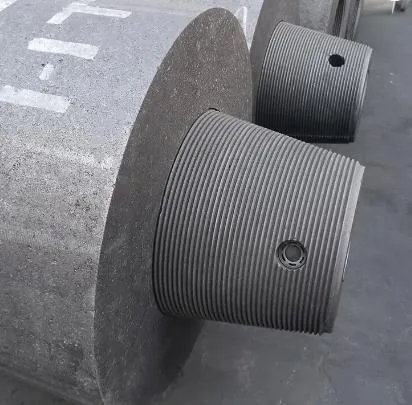
Graphite tubes are versatile components utilized across numerous industries due to their exceptional thermal and chemical resistance. From semiconductor manufacturing to vacuum furnaces, their unique properties make them indispensable. This article will explore the diverse uses of graphite tubes, delving into specific applications and outlining the benefits they offer. Understanding these applications can help optimize processes and enhance product quality. We will also examine key considerations when selecting graphite tubes for specific needs.
The Unique Properties of Graphite Tubes
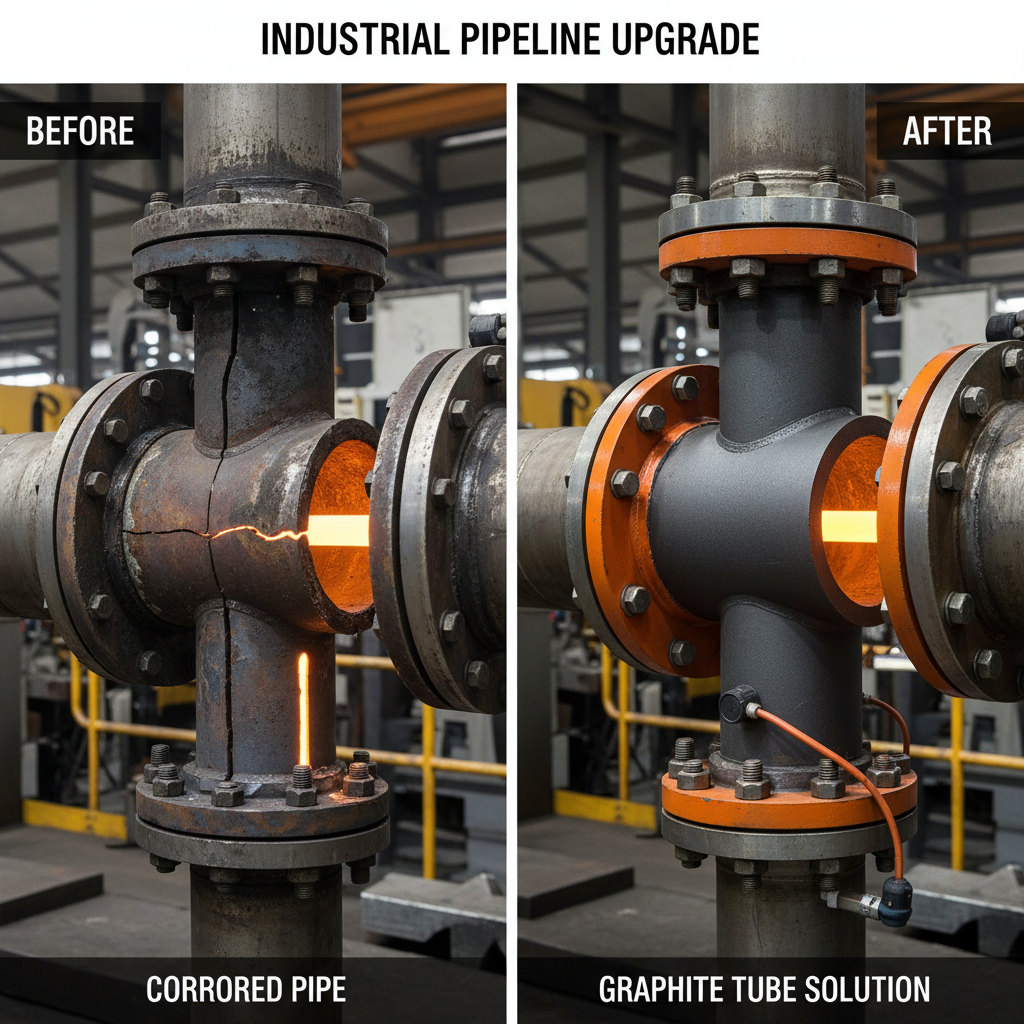
What sets graphite tubes apart? It's a combination of characteristics. Graphite exhibits excellent thermal conductivity, allowing for efficient heat transfer. Its high temperature resistance – capable of withstanding temperatures exceeding 3000°C – makes it ideal for high-heat applications. Furthermore, graphite is chemically inert, resisting reaction with most substances, and possesses good electrical conductivity. These attributes combine to make graphite tubes crucial in environments where other materials would fail. The purity of the graphite also influences its performance; higher purity generally equates to better performance in demanding applications.
Key Highlights: Graphite exhibits excellent thermal conductivity, high temperature resistance, chemical inertness, and good electrical conductivity.
Graphite Tube Use in Semiconductor Manufacturing
The semiconductor industry relies heavily on graphite tubes, particularly in epitaxial growth processes like Chemical Vapor Deposition (CVD). These tubes serve as crucibles and susceptors, holding the silicon wafers while providing uniform heating. Graphite’s ability to maintain dimensional stability at high temperatures is critical for achieving precise crystal growth. The tubes’ purity is paramount, preventing contamination that could negatively impact semiconductor performance. NL Graphite specializes in providing high-purity graphite tubes tailored for these sensitive applications.
Semiconductor Application Benefits:
• Maintains dimensional stability at high temperatures
• Facilitates precise crystal growth
• Prevents contamination of wafers
• Ensures uniform heating
Comparing Graphite Tubes for Different Applications
Not all graphite tubes are created equal. The optimal choice depends heavily on the intended application. For instance, a tube used in a high-temperature furnace will require different characteristics than one used as a mold for continuous casting. Variables like grain size, density, and impurity levels influence performance. The following table outlines key considerations:
Other Significant Applications of Graphite Tubes
Beyond semiconductors, graphite tubes find applications in numerous other sectors. They are used in crystal growing furnaces for producing single-crystal silicon and germanium. In the metallurgy industry, they serve as crucibles for melting and casting metals. The aerospace industry utilizes graphite components for their lightweight and high-temperature capabilities. NL Graphite can provide custom graphite tube solutions for these diverse requirements.
Selecting the Right Graphite Tube: Key Considerations
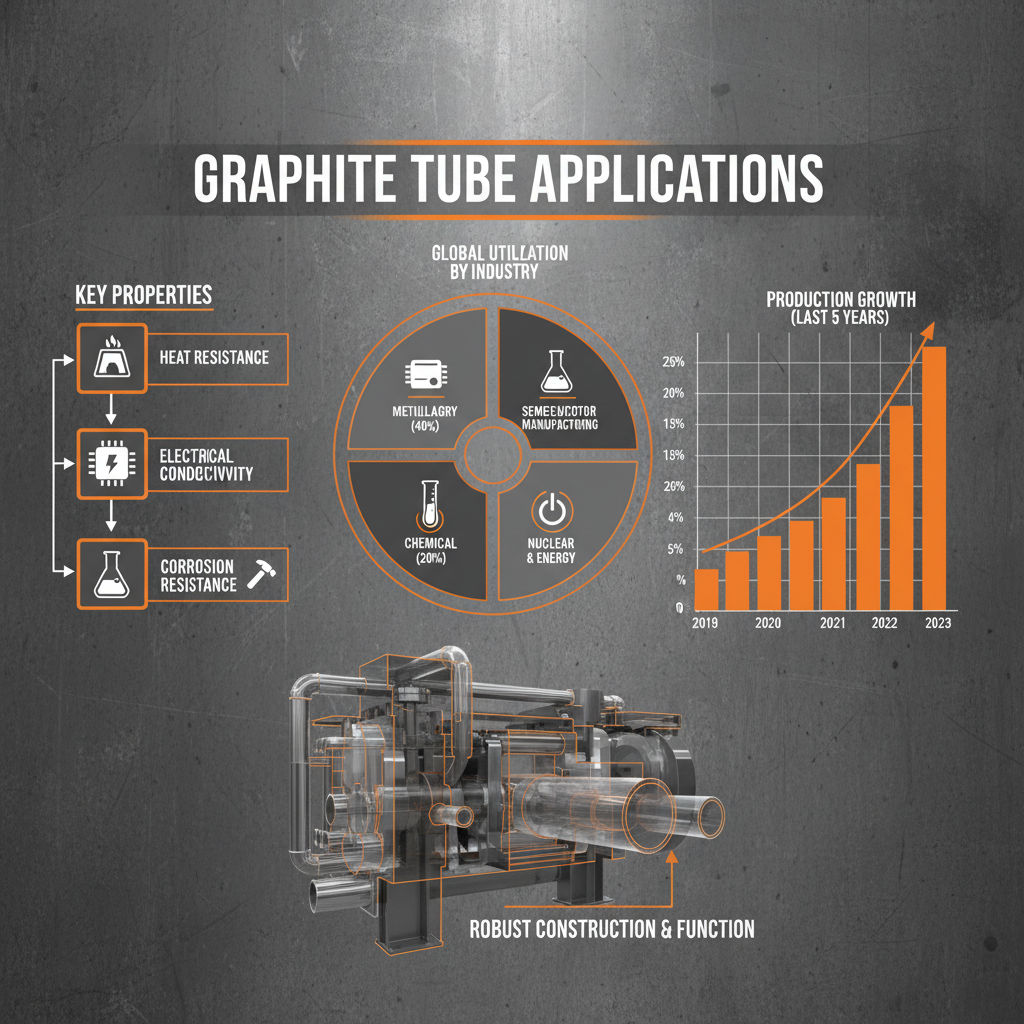
Choosing the correct graphite tube requires careful consideration. Factors such as operating temperature, atmosphere, mechanical stress, and required purity levels must be assessed. The grain size and density of the graphite affect its strength and thermal conductivity. It's crucial to consult with a reputable supplier like NL Graphite to ensure the selected tube meets the specific demands of your application. A thorough understanding of these parameters will maximize performance and longevity.
Conclusion: Graphite Tubes – Enabling Innovation Across Industries
Graphite tubes represent a critical component in many advanced industrial processes. Their unique combination of properties makes them irreplaceable in applications ranging from semiconductor manufacturing to metallurgy. By carefully selecting the appropriate graphite tube and partnering with a trusted supplier like NL Graphite, businesses can unlock optimal performance, enhance product quality, and drive innovation.
Frequently Asked Questions (FAQs)
What are the main factors influencing the price of graphite tubes?
The price of graphite tubes is influenced by several factors, including the purity of the graphite, the tube’s dimensions (length and diameter), the grade of graphite used, and the complexity of any machining or customization required. Higher purity graphite and tighter tolerances typically command higher prices. Order volume also plays a role, with larger orders often benefiting from economies of scale. Manufacturing processes and shipping costs contribute to the overall price as well.
Can graphite tubes be machined to specific dimensions?
Yes, graphite tubes can be readily machined to precise dimensions using a variety of techniques, including turning, milling, and grinding. Graphite's relatively soft nature makes it easier to machine compared to many metals. However, specialized tooling and techniques are often required to minimize dust and ensure accuracy. NL Graphite offers custom machining services to meet specific customer requirements.
How should graphite tubes be stored to maximize their lifespan?
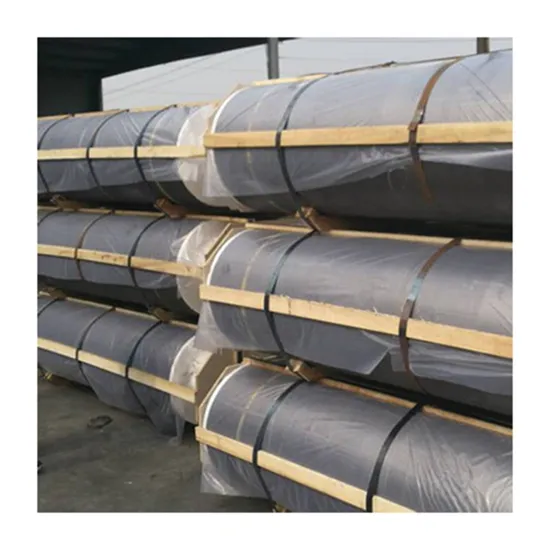
To maximize the lifespan of graphite tubes, store them in a dry, well-ventilated environment away from direct sunlight and extreme temperatures. Avoid exposure to moisture, as this can lead to oxidation and degradation. Protect the tubes from physical damage during storage and handling. Proper storage practices help maintain the material’s integrity and performance characteristics.
What safety precautions should be taken when handling graphite tubes?
Graphite dust can be an irritant to the skin and respiratory system. When handling graphite tubes, it is recommended to wear appropriate personal protective equipment (PPE), including gloves, safety glasses, and a dust mask or respirator. Work in a well-ventilated area and avoid creating excessive dust. Follow all relevant safety guidelines and regulations.
 Pervious
 Next
Next