In industries ranging from electronics and metallurgy to coatings and lubrication, specialized graphite powders are indispensable—each variant designed to meet unique needs, whether it’s the ultra-fine sizing of 5 micron graphite powder, the cost-effective utility of amorphous graphite powder, the pigment power of black graphite powder, the balanced durability of carbon graphite powder, or the electrical efficiency of conductive graphite powder. These powders leverage graphite’s inherent properties—lubricity, thermal stability, and conductivity—while being engineered to fit specific application demands, making them critical for driving efficiency and quality in modern manufacturing.
5 Micron Graphite Powder: Ultra-Fine Precision for High-Detail Applications
5 micron graphite powderis defined by its ultra-fine particle size (5 micrometers, roughly 1/20 the diameter of a human hair)—a specification that unlocks precision in applications where uniform dispersion and fine detail are non-negotiable. Produced via advanced air classification or ultra-fine grinding (ensuring consistent particle sizing with minimal variation), this powder stands out for its large surface area and ability to blend seamlessly into matrices without clumping.
5 Micron Graphite Powder: Why Sizing Matters for Performance
The 5-micron size is a sweet spot for many high-tech applications: in electrical discharge machining (EDM), 5 micron graphite powder is mixed into dielectric fluids to improve spark conductivity, enabling the creation of micro-scale features on metal parts (e.g., semiconductor components or medical devices) that coarser powders would ruin. In lithium-ion battery cathodes, its fine particles coat electrode materials evenly, boosting charge transfer efficiency and extending battery life. Even in cosmetics (e.g., matte eye shadows or dry shampoos), 5 micron graphite powder adds texture without appearing gritty, thanks to its small particle size. Unlike coarser graphite powders (10–50 microns), which can leave gaps or uneven surfaces, 5 micron graphite powder ensures uniformity—critical for applications where precision directly impacts product performance.
Amorphous Graphite Powder: Cost-Effective Utility for Industrial Basics
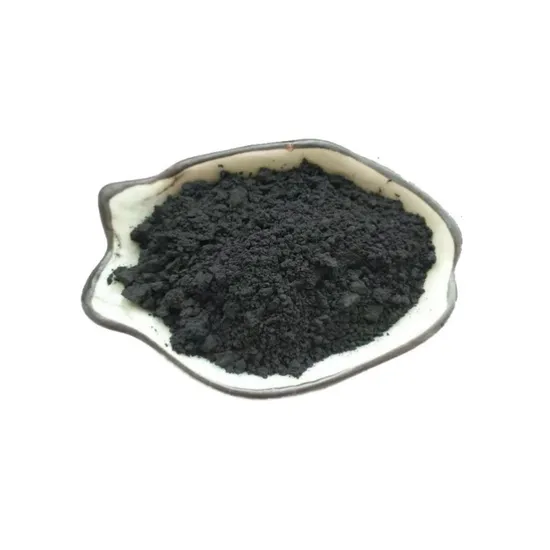
Amorphous graphite powder is a naturally occurring variant of graphite with a non-crystalline structure—meaning its carbon atoms lack the ordered hexagonal layers of crystalline graphite. Mined from deposits where low-temperature metamorphism prevented crystal formation, this powder is valued for its affordability and functional versatility, making it a staple in cost-sensitive, high-volume applications.
Amorphous graphite powder has moderate lubricity (lower than crystalline graphite but sufficient for many tasks) and low electrical conductivity, which makes it ideal for roles where conductivity is not a requirement. In foundry work, it’s added to molten metal as a flux to prevent oxidation and improve cast surface quality; in rubber manufacturing, it acts as a reinforcing filler, boosting durability without increasing cost. It’s also used in lubricating greases for low-speed machinery (e.g., conveyor belts or agricultural equipment), where its fine particle size (typically 10–50 microns) ensures smooth application. Compared to crystalline graphite powders (which require energy-intensive processing), amorphous graphite powder is 30–50% cheaper, making it the go-to choice for businesses balancing functionality and budget—such as small-scale manufacturers or those producing disposable industrial parts.
Black Graphite Powder: Pigment and Protection for Coatings and Inks
Black graphite powder is prized for its deep, consistent black hue and pigment properties—making it more than just a functional material, but a key aesthetic and protective component in coatings, inks, and plastics. Unlike other black pigments (e.g., carbon black), it offers the added benefits of graphite’s thermal stability and chemical inertness, combining color with performance.
Black graphite powder is available in varying purities (from 85% to 99% carbon) and particle sizes (5–20 microns), with finer grades delivering smoother, more intense color. In industrial coatings (e.g., for metal pipelines or machinery), it provides UV resistance—preventing paint degradation from sunlight—while its black shade hides surface imperfections. In printing inks (especially for packaging or industrial labels), it ensures sharp, fade-resistant text that remains legible even in harsh environments (e.g., outdoor storage or chemical exposure). It’s also used in plastic composites (e.g., black automotive parts or tool handles), where it adds color without compromising the plastic’s strength or flexibility. What sets black graphite powder apart from other black pigments is its dual role: it doesn’t just color materials—it enhances their durability, making it a cost-effective choice for applications where aesthetics and performance go hand in hand.
Carbon Graphite Powder: Balanced Durability for Wear-Resistant Components
Carbon graphite powder is a hybrid material made by blending graphite with amorphous carbon (e.g., carbon black or baked coal tar pitch) and sintering (heating under pressure) to form a dense, durable powder. This combination merges graphite’s lubricity with carbon’s hardness, creating a powder that excels in wear-resistant, high-load applications—filling a gap between pure graphite (too soft) and pure carbon (too brittle).
Carbon graphite powder is widely used in manufacturing wear components: in bearings for high-speed machinery (e.g., turbines or electric motors), it reduces friction without needing oil lubrication (critical for clean environments like food processing or semiconductor facilities). In brake pads for heavy-duty vehicles (e.g., trucks or trains), it enhances heat dissipation—preventing brake fade during intense use—while its hardness ensures long lifespan. It’s also used in seals for pumps or valves, where its chemical inertness resists corrosion from liquids like acids or fuels. Unlike pure graphite powder, which can wear down quickly under high loads, carbon graphite powder maintains its shape and performance, making it a reliable choice for components that face constant stress or harsh conditions.
Conductive Graphite Powder: Electrical Efficiency for Electronics and Energy
Conductive graphite powder is engineered to maximize electrical conductivity—leveraging graphite’s crystalline structure (which allows free electron movement) and often blending it with conductive additives (e.g., carbon nanotubes or graphene) to boost performance. This powder is a cornerstone of electronics, energy storage, and renewable energy industries, where reliable conductivity is essential.
Conductive Graphite Powder: Enhancing Electrical Performance in Materials
The key advantage of conductive graphite powder is its ability to add conductivity without compromising other material properties. In printed circuit boards (PCBs), it’s mixed into conductive inks to create pathways for electricity, replacing costly metals like copper in low-current applications. In solar panels, it coats silicon wafers to improve electron collection, increasing energy conversion efficiency by 5–8%. In conductive adhesives (used to bond electronic components), it ensures a stable electrical connection even in high-temperature environments (e.g., automotive engines). Unlike conductive metals (which are heavy and prone to corrosion), conductive graphite powder is lightweight, corrosion-resistant, and cost-effective—making it ideal for next-generation technologies like flexible electronics or solid-state batteries. Its conductivity can be tailored (from 100 to 1,500 S/m) by adjusting particle size and additive ratios, ensuring it fits the exact needs of each application.
Specialized Graphite Powders FAQs
1. When should I choose 5 micron graphite powder over coarser grades?
Opt for 5 micron graphite powder when precision and uniform dispersion are critical—such as EDM machining of micro-parts, battery electrode coatings, or cosmetics. Coarser grades (10+ microns) work for less detailed tasks (e.g., foundry fluxes), but 5 micron graphite powder ensures no gaps, grit, or unevenness in high-detail applications.
2. What makes amorphous graphite powder different from other graphite powders?
Amorphous graphite powder has a non-crystalline structure, which gives it lower conductivity and lubricity than crystalline graphite—but it’s 30–50% cheaper. Choose it for cost-sensitive, low-performance needs (e.g., rubber fillers, basic lubricants) where crystalline graphite’s extra properties aren’t necessary.
3. Can black graphite powder be used in food-contact applications?
Yes—food-grade black graphite powder (purified to 99%+ carbon, with no heavy metals) is used in food-processing equipment coatings or as a release agent for baking pans. Ensure the powder meets FDA or EU food-safety standards (e.g., FDA 21 CFR 178.3297) before use.
4. Is carbon graphite powder suitable for high-temperature applications?
Absolutely—carbon graphite powder tolerates temperatures up to 2,000°C in inert atmospheres, making it ideal for high-heat components like turbine bearings or furnace seals. Its blend of carbon and graphite balances heat resistance with wear durability, outperforming pure graphite in high-temperature, high-load scenarios.
5. How do I adjust the conductivity of conductive graphite powder?
Conductivity of conductive graphite powder is adjusted by: (1) reducing particle size (finer particles = more surface area = higher conductivity); (2) adding conductive additives (e.g., graphene boosts conductivity by 20–30%); (3) increasing graphite purity (higher carbon content = better electron flow). Suppliers can tailor these factors to meet your specific conductivity needs (e.g., 500 S/m for adhesives, 1,200 S/m for PCBs).
From the ultra-fine precision of 5 micron graphite powder to the electrical efficiency of conductive graphite powder, each specialized graphite powder solves unique industrial challenges. By matching the powder’s properties—size, structure, color, or conductivity—to your application, you can enhance product quality, reduce costs, and drive innovation. Whether you’re manufacturing microchips, coating pipelines, or building batteries, these powders are the unsung heroes that turn ideas into reliable, high-performance products.
In the modern industrial landscape, the quality of raw materials often dictates the success of the final product. For sectors ranging from lubrication and metallurgy to battery technology, partnering with a reliable graphite powder supplier is not just a procurement choice, but a strategic advantage. High-purity graphite powder provides essential properties such as superior electrical conductivity, thermal stability, and an incredibly low coefficient of friction. However, with numerous options in the global market, distinguishing a premium supplier from a mediocre one requires a deep understanding of material grades and quality control standards.
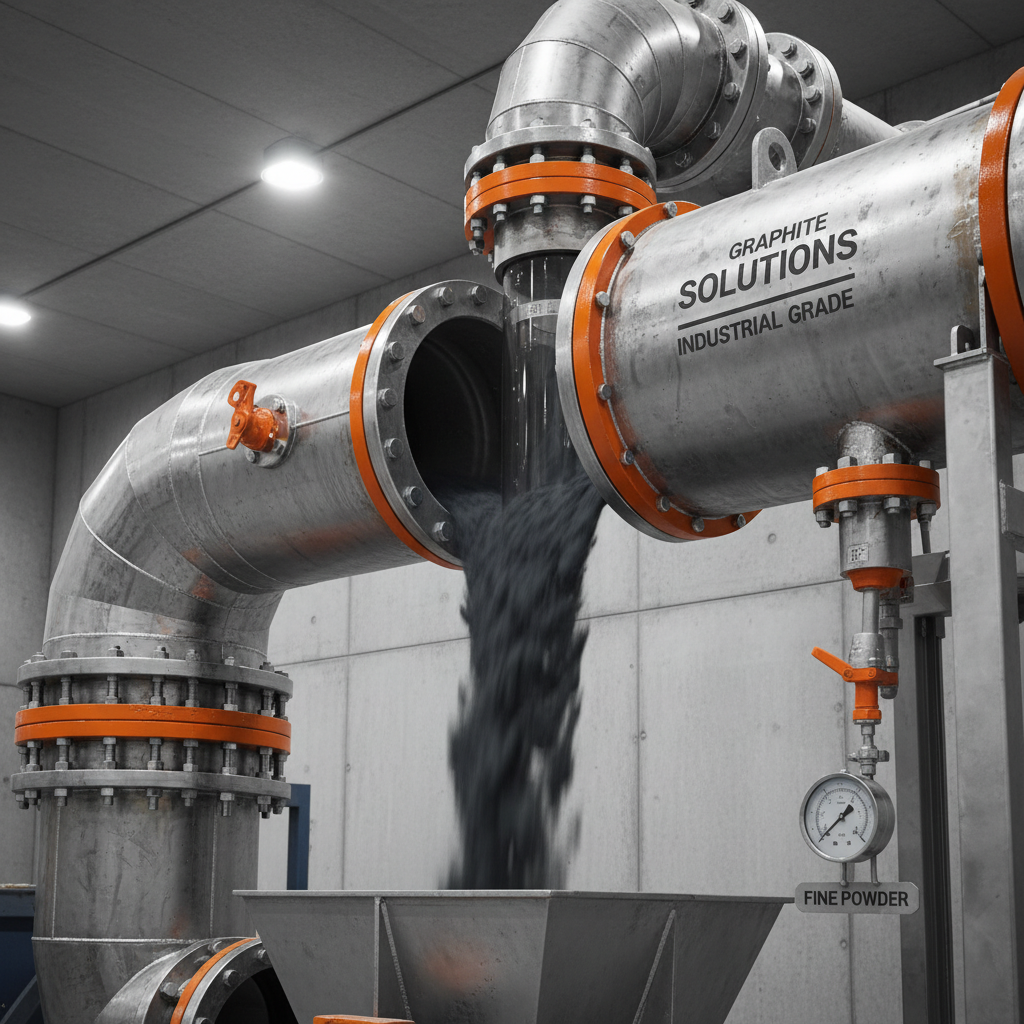
In the modern industrial landscape, the quality of raw materials can make or break the efficiency of a production line. Finding a reliable graphite powder manufacturer is essential for businesses requiring high-performance lubricants, conductive additives, or heat-resistant materials. Graphite powder, known for its exceptional lubricity and thermal conductivity, serves as a cornerstone in everything from automotive parts to advanced electronics. Selecting a partner who understands the nuance of particle size distribution and purity levels ensures that your end product meets rigorous international standards. In this guide, we will explore the critical factors to consider when sourcing graphite

In the world of industrial materials, precision is everything. micronized graphite represents the pinnacle of carbon engineering, offering an ultra-fine powder form of graphite that provides exceptional lubricating and conductive properties. Unlike standard graphite, the micronized version is processed to achieve a specific, consistent particle size, making it indispensable for high-tech applications where friction reduction and thermal management are critical. Whether you are formulating advanced lubricants or enhancing composite materials, understanding the nuances of this material is key to optimizing your product's performance. In this guide, we will explore the technical advantages and diverse industrial applications of this versatile material.

In the world of industrial materials, graphite fine powder serves as a cornerstone for innovation across countless sectors. Known for its exceptional electrical conductivity, thermal stability, and self-lubricating properties, this versatile carbon material is essential for everything from high-tech batteries to heavy-duty machinery. Understanding the nuances of particle size, purity, and grade is critical for engineers and procurement specialists aiming to optimize performance in their final products. In this comprehensive guide, we will explore the technical advantages and diverse industrial roles of this remarkable powder.

In the realm of advanced material science, expandable graphite powder has emerged as a revolutionary additive for thermal management and fire safety. Known for its unique ability to expand significantly when exposed to heat, this material transforms from a dense powder into a voluminous, porous structure known as worm-like graphite. This expansion creates an insulating layer that protects underlying substrates from extreme temperatures. Whether you are developing next-generation flame retardants or high-performance thermal interface materials, understanding the nuances of this material is essential for achieving optimal industrial results.
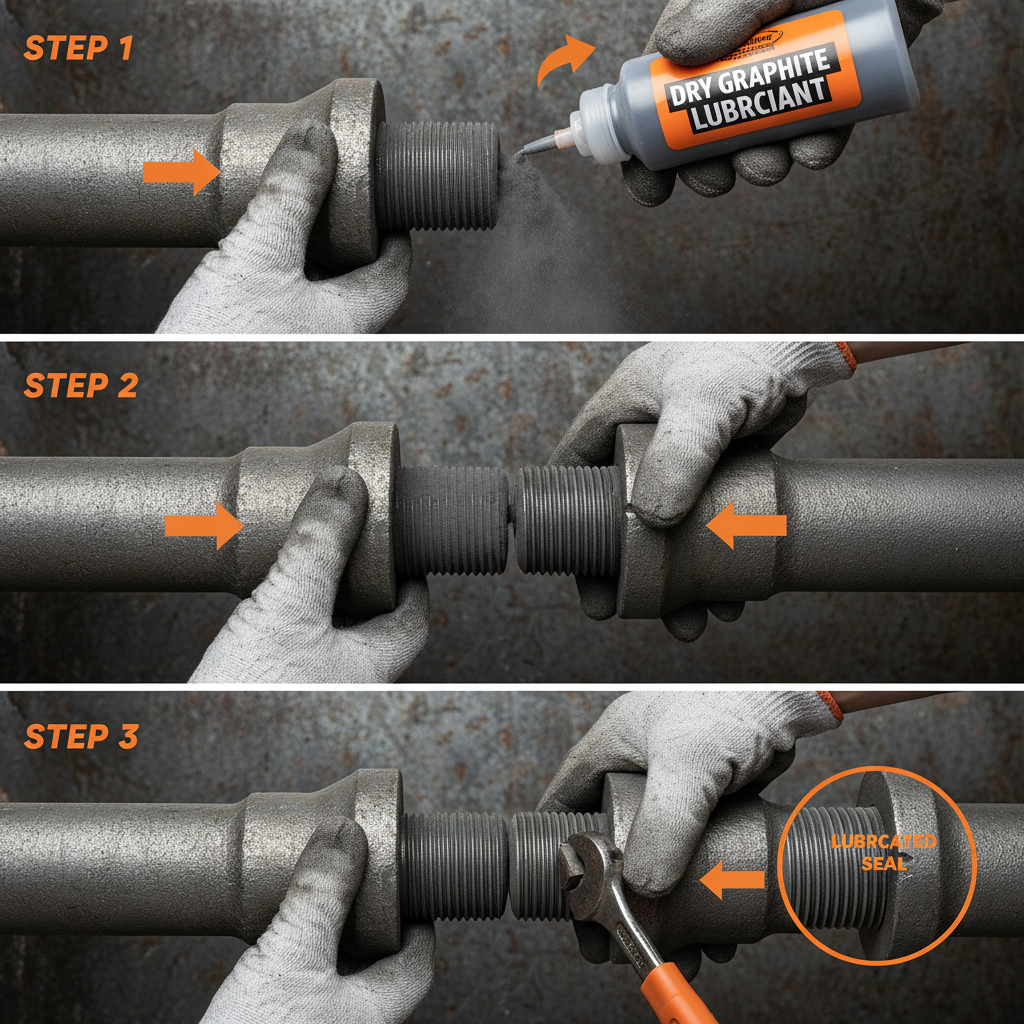
In the world of high-performance machinery and precision engineering, reducing friction is the key to longevity and efficiency. dry graphite lubricant powder has emerged as a superior alternative to traditional oil-based lubricants, especially in environments where cleanliness and extreme temperature resistance are critical. Unlike wet lubricants, dry graphite creates a stable, low-friction film that doesn't attract dust or debris. This article explores the technical advantages, versatile applications, and strategic benefits of integrating high-purity graphite powders into your maintenance routine to ensure seamless operation and reduced downtime.
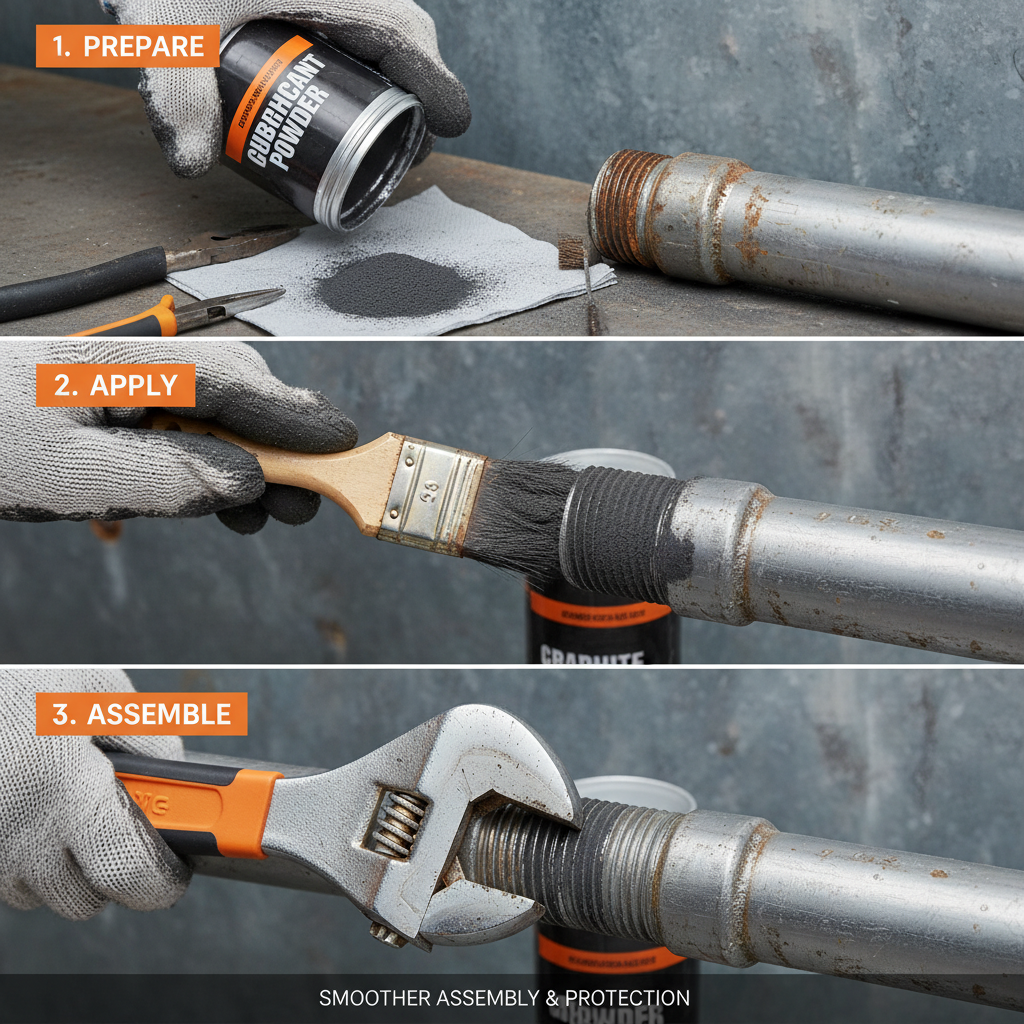
In the world of industrial maintenance and high-performance machinery, reducing friction is the key to longevity and operational efficiency. graphite lubricant powder has emerged as a superior dry lubrication solution, offering unmatched stability in environments where traditional oils and greases fail. Whether you are dealing with extreme temperatures or vacuum conditions, this specialized powder provides a sleek, protective layer that prevents wear and tear. In this comprehensive guide, we will explore why graphite is the gold standard for dry lubrication and how to choose the right grade for your specific industrial application.

In the realm of advanced materials, expanded graphite has emerged as a versatile powerhouse, offering unparalleled thermal and electrical properties. Through a process of intercalation and thermal expansion, natural graphite is transformed into a worm-like structure with a significantly increased surface area and lower density. This unique morphology makes it indispensable in industries ranging from energy storage to fire protection. Whether you are looking to improve heat dissipation in electronics or enhance the safety of architectural coatings, understanding the nuances of this material is key to optimizing your product's performance. In this guide, we will explore why this material is becoming the gold standard

If you are interested in our products, you can choose to leave your information here, and we will be in touch with you shortly.